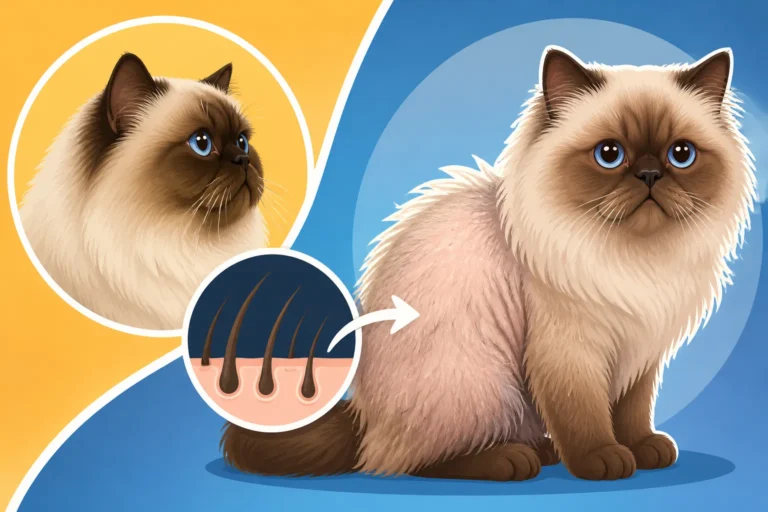
How Often a Himalayan Must Be Combed
If you've welcomed a majestic Himalayan cat into your home, you've undoubtedly fallen in love with that stunning, luxurious coat. But many new Himalayan parents quickly realize that maintaining this glorious mane is a commitment, and a very real one at that. The question isn't if you need to comb your Himalayan, but how often—and the honest answer, which often comes as a surprise, is almost certainly more often than you think. This guide is here to walk you through the essential grooming frequency for your Himalayan, why it's so critical, and how to make it a manageable part of your daily life.
The Undeniable Need for Daily Combing
Let's just get straight to it: for the vast majority of Himalayans, daily combing isn't a suggestion, it's a necessity. This can sound daunting, especially if you're used to shorter-haired breeds or even other long-haired cats with less demanding coats. But the Himalayan's unique fur structure, a legacy from its Persian ancestry, truly sets it apart and makes consistent, frequent grooming paramount.
Understanding the Himalayan Double-Coat Dilemma
The Himalayan boasts a magnificent double coat. This isn't just fluffy fur; it's a dense combination of a long, soft, woolly undercoat and a longer, coarser outer coat, known as guard hairs. This luxuriant combination is what gives them their incredible volume and plush feel, but it's also the perfect recipe for matting. The fine, downy undercoat easily tangles, especially when it sheds, and the longer guard hairs then weave into these tangles, cementing them into solid, painful mats.
Unlike some other long-haired breeds, such as a Ragdoll, whose coats tend to be silkier and less prone to matting, the Himalayan's coat has a texture that actively encourages knots. You'll find that even a single day of missed grooming can transform soft fluff into a collection of small tangles, particularly in high-friction areas. Why a Himalayan Mats Faster Than a Ragdoll's It's a frustrating reality for many owners, who often feel like they're fighting a losing battle, but understanding this inherent trait is the first step to successful coat maintenance.
Why Prevention Trumps Cure in Himalayan Grooming
Once mats form, they become incredibly difficult, and often painful, to remove. A small knot might seem innocent enough, but it rapidly tightens and pulls on the cat's skin. Imagine having a tight ponytail pulling at your scalp all day, every day – that's what a mat feels like for your Himalayan, only worse because it can grow and expand, restricting movement and causing immense discomfort.
Trying to "brush out" a deeply matted area is often futile and can be excruciating for your cat, leading to fear and aggression towards grooming. This is where the saying "prevention is better than cure" truly applies. A few minutes of gentle combing each day is infinitely easier, less stressful, and less painful than trying to tackle a hardened mat with shears or a dematting tool. It saves your cat from unnecessary pain and stress, and it saves you the heartbreak of seeing your beloved companion suffer through a difficult grooming session or, worse, a trip to the vet for professional intervention.
The Grim Consequences of Skipping Even One Day
It sounds dramatic to say that skipping a day of combing can lead to serious issues, but with a Himalayan, it's often the cold, hard truth. Life gets busy, we all have those days where time slips away, but knowing what's at stake for your fluffy friend can help you prioritize this crucial routine.
The Rapid Escalation of Mat Formation
Matted fur doesn't just look untidy; it's a serious health concern. These mats start in areas that experience the most movement and friction: under the armpits, behind the ears, around the neck where collars sit, on the belly, and especially in the "britches" area around their back legs. Where a Himalayan's First Mat Forms A small knot noticed on Monday can easily become a tight, dense slab by Wednesday, pulling at the skin and creating a hot, moist environment underneath.
This warm, damp pocket under the mat is a breeding ground for bacteria, leading to skin infections, inflammation, and sores. Cats will try to groom themselves, but if they encounter a painful mat, they'll avoid that area, exacerbating the problem. The longer a mat is left, the more entangled it becomes, often requiring professional help to remove safely. It’s a vicious cycle that can quickly make your cat miserable.
Health Risks Beyond Tangled Fur
Neglected coats can lead to a host of other health problems that go beyond simple skin irritation. Fleas, ticks, and other parasites can hide deep within mats, undisturbed by superficial grooming. Their presence can go unnoticed for much longer, leading to more severe infestations and secondary skin issues.
Furthermore, a heavily matted coat can interfere with your Himalayan's natural cooling mechanisms. Their dense fur is designed for warmth, but in hotter weather or if they become too active, the mats can trap heat against their body, making them overheat faster. This is particularly concerning for a breed that already struggles with temperature regulation due to their brachycephalic (flat) faces. Why a Himalayan Overheats Twice as Fast as a Siamese
In extreme cases, mats can even restrict blood flow to certain areas or make it impossible for the cat to move properly. They can impede normal urination and defecation, leading to hygiene issues and even painful infections. This is why a severely matted Himalayan often becomes a medical emergency, requiring veterinary attention. Why a Matted Himalayan Becomes a Medical Case
The Costly "Sedation Clip" Scenario
If a Himalayan's coat becomes too matted for at-home removal, or even for a professional groomer to tackle safely while the cat is awake, a "sedation clip" at the vet becomes the unavoidable reality. This involves sedating your cat to safely shave off all the matted fur, preventing further pain and injury.
While sometimes necessary, a sedation clip is not only costly, involving vet fees for the sedation, monitoring, and grooming, but it's also stressful for your cat. Anesthetic always carries some risk, and the recovery process can be disorienting. It's a heartbreaking situation that can almost always be avoided with consistent daily grooming. This scenario truly highlights the economic and emotional benefits of dedicating a few minutes each day to preventative combing.
Establishing Your Daily Combing Routine for Success
Okay, so daily combing is essential. Now, how do we make this a positive, manageable part of your daily life, rather than a dreaded chore for both you and your Himalayan? It's all about routine, the right tools, and plenty of patience and positive reinforcement.
Essential Tools of the Trade for Himalayan Coats
Having the correct tools makes all the difference. Don't just grab any brush; Himalayans need specific implements to penetrate their dense undercoat without damaging the topcoat or scratching their delicate skin. You'll want to gather a few key items:
- Metal Comb (Wide and Fine-Toothed): This is your absolute hero tool. A good quality, sturdy metal comb with both wide and fine teeth is crucial. The wide teeth are for initial detangling and working through the bulk of the coat, while the fine teeth are perfect for checking for smaller knots and smoothing the fur. Look for one that's comfortable to hold. Many excellent options can be found on Chewy or Amazon, often labeled for long-haired cats or Persians. Which Steel Comb a Himalayan's Coat Needs
- Slicker Brush (with caution): While a slicker brush can be useful for fluffing the topcoat and removing loose surface hair, it's generally not effective for reaching the deep undercoat where mats truly begin. Use it sparingly, and with a very light touch, as the wire bristles can irritate the skin if pressed too hard. For the deep dive, the metal comb is superior.
- Small Scissors (Blunt-Nosed): For carefully snipping out small, superficial mats that can't be combed out, or for trimming around the sanitary area. Always use blunt-nosed scissors to minimize the risk of accidental nicks, and if you're ever unsure, leave it to a professional.
- Grooming Powder or Cornstarch: A light dusting of cornstarch or a specialized grooming powder can help absorb oils and moisture, making it easier to work through tangles and keep the coat fresh between full baths (which should be rare for a Himalayan).
- Treats, Treats, Treats: High-value treats are invaluable for positive reinforcement during grooming sessions. Whether it's a freeze-dried chicken morsel, a lickable puree, or a soft chew, having something incredibly tasty on hand will help your cat associate grooming with good things.
A Step-by-Step Daily Combing Method
Consistency is key, and so is technique. Aim for a regular time each day, perhaps in the morning or evening when your cat is naturally more relaxed. A session doesn't have to be long—10 to 15 minutes can be sufficient if done thoroughly. How Long a Himalayan's Daily Comb Takes
- Find a Calm Spot: Choose a quiet area where your cat feels secure. Many Himalayans prefer to be groomed on a raised surface, like a table or a counter, as it positions them better for you to reach all areas without excessive bending. Lay down a non-slip mat or towel for comfort and stability.
- Gentle Start: Begin by petting your cat, speaking in a calm, soothing voice. Start with areas they enjoy being touched, like their back, before moving to more sensitive spots.
- Section by Section: This is crucial. Don't try to comb the entire coat at once. Part the fur with your hand and work on small sections, starting from the skin and working your way outwards. Use the wide-toothed comb first. Gently pull the comb through, holding the fur at the base with your other hand to prevent pulling on the skin.
- Target Problem Areas: Systematically work through all the common matting zones:
- Armpits: These are notorious for matting due to movement.
- Belly and Inner Thighs: Often overlooked, these areas get very matted.
- Britches: Around the back legs, the long fur here can pick up litter and tangle. Combing a Himalayan's Britches Without Turning It Over
- Behind the Ears and Under the Chin: Often dense and easily matted.
- Ruff: The magnificent mane around their neck needs careful attention. Working a Comb Through a Himalayan's Ruff
- Check for Hidden Knots: After using the wide comb, go over the same sections with the fine-toothed comb. If it glides through easily from skin to tip, that section is clear. If it snags, gently work out the tangle with the wide comb, using your fingers to help loosen it, before returning with the fine comb.
- Positive Reinforcement: Throughout the session, offer praise and small treats. End on a positive note, even if you couldn't get to every spot perfectly. The goal is to build trust and make grooming a routine they can tolerate, or even enjoy. What a Himalayan Will Take to Sit Through a Comb
Making Grooming a Positive Experience
The key to long-term grooming success is turning it into a pleasant, or at least neutral, experience for your cat. This starts young, with kittens, but it's never too late to try and adjust an adult cat's perception.
- Start Small, Build Up: If your cat is new to grooming, or resistant, keep initial sessions very short—just a minute or two. Gradually increase the duration as they become more comfortable.
- Consistency is Comfort: Cats thrive on routine. Grooming at the same time each day, in the same spot, helps them understand what to expect.
- Be Gentle, Be Patient: Never yank or pull at tangles. If you hit a snag, gently work it out. If your cat gets agitated, take a break. Forcing them will only create negative associations.
- High-Value Rewards: Always have those special treats ready. Verbal praise, gentle head rubs, or a short play session immediately after grooming can also reinforce positive feelings.
- Listen to Your Cat: Pay attention to their body language. Flicking tail, flattened ears, or attempts to swat are clear signs of discomfort. Respect these signals and adjust your approach. You want them to relax, not to dread it. When to Stop Combing a Himalayan Mid Session
Tailoring Grooming to Your Himalayan's Life Stage
While daily combing is a general rule, the specific approach and intensity can shift as your Himalayan ages and experiences different life changes.
| Life Stage | Combing Frequency | Key Focus |
|---|---|---|
| Kitten (8-12 weeks) | Daily, short sessions | Acclimatization, positive association, gentle handling of all body parts |
| Juvenile (3-12 months) | Daily, longer sessions | Thorough coat coverage, reinforcing routine, checking for emerging adult coat density |
| Adult (1-8 years) | Daily, full sessions | Comprehensive mat prevention, checking for skin issues, maintaining coat health |
| Senior (8+ years) | Daily, gentle, multiple short sessions | Addressing reduced flexibility, comfort, potential thinning or changing coat texture, increased matting |
| Seasonal | Increased during shedding | More frequent, thorough sessions to remove loose undercoat, especially in spring and fall |
| Post-Surgery | Very gentle, careful | Avoid incision sites, prevent matting around shaved areas, monitor for unusual skin reactions or discomfort |
Kittenhood: Starting Early and Making it Fun
The earliest weeks are the most crucial for establishing a lifelong positive relationship with grooming. A Himalayan kitten's coat is usually softer and less dense than an adult's, making it easier to manage. This is your prime opportunity to introduce the comb.
Start with very brief, gentle sessions—just a minute or two a day. Use a soft comb or even just your fingers to mimic the grooming motion. Follow every session with praise, play, and a delicious treat. The goal isn't necessarily to remove every single loose hair, but to teach the kitten that the comb is a friendly object and that being handled is a pleasant experience. Getting a Himalayan Kitten Used to the Comb If they learn early that grooming equals treats and cuddles, you'll have a much easier time managing their magnificent adult coat.
Adult Himalayans: Maintaining the Peak
For adult Himalayans, daily combing is about maintenance and prevention. Their coat is at its thickest and most prone to matting during these years. Sticking to a consistent daily routine prevents mats from ever forming, which is far less stressful for both of you than trying to remove them.
During your daily session, make sure to thoroughly comb through all layers of the coat, paying special attention to those notorious mat-prone areas. It's also a good time to do a quick visual check of their skin, looking for any redness, lumps, or parasites that might be hiding under their dense fur. Regular grooming not only keeps their coat beautiful but also acts as an early warning system for potential health issues.
Senior Cats: Extra Care and Gentleness
As Himalayans age, their needs can change. They might develop arthritis, making it painful to hold certain positions or reach specific areas for self-grooming. Their skin can become thinner and more delicate, and their coat might change texture, sometimes becoming finer and more prone to matting, or conversely, sparse in areas.
For senior Himalayans, daily grooming remains crucial, but your approach should be even gentler and more considerate. You might need to break up the session into several shorter ones throughout the day to avoid tiring them out or causing discomfort. Use extra care around joints and any areas that seem sensitive. It's not uncommon for an older Himalayan to stop washing its own face or reaching its hindquarters, so you'll need to step up your game in those areas. Combing the Points an Old Himalayan No Longer Reaches Providing a non-slip surface and ensuring they are comfortable throughout is paramount. This is a time when their grooming needs often increase, not decrease, despite their reduced activity.
Seasonal Considerations for Coat Care
While daily combing is a year-round commitment, you might find you need to be even more vigilant during certain seasons. Himalayans, like many double-coated breeds, typically have two major shedding cycles per year: in spring, to shed their heavy winter coat, and in fall, to prepare for winter with a new, denser coat.
During these shedding periods, you'll notice a lot more loose undercoat coming out. This is when mats can form with alarming speed. You might need to increase your combing sessions or spend more time each day to really work through the shedding fur. In the summer, if you live in a warmer climate, you might consider if a "lion cut" is appropriate for your Himalayan. While it radically changes their appearance, it can help them stay cooler and temporarily reduce the grooming burden. However, be aware that the fur will grow back, potentially darker, and you'll still need to maintain the remaining coat. Whether a Himalayan Should Be Lion Cut in Summer
Ultimately, understanding the unique requirements of the Himalayan coat and integrating a consistent, gentle daily combing routine into your life will ensure your beloved companion remains comfortable, healthy, and stunningly beautiful for many years to come.
Disclaimer
This article is for general informational purposes only and does not constitute professional advice. Laws, prices and regulations vary by location and change over time. Consult a qualified professional for guidance on your specific situation.