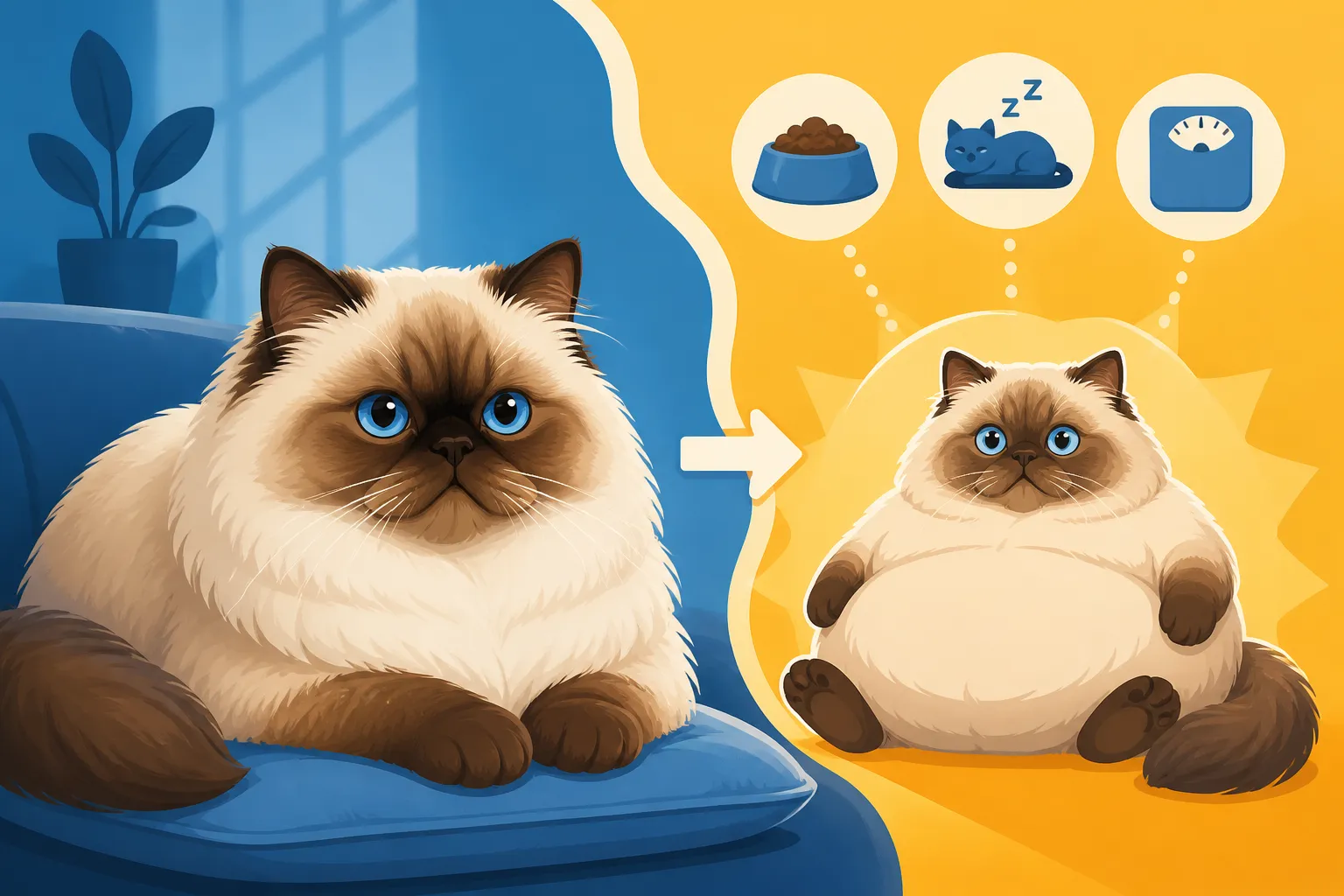
Why a Himalayan Puts On Weight Sitting Still
It's a familiar scenario for many Himalayan cat parents: you look down at your beloved, fluffy companion, seemingly perpetually lounging on their favorite armchair, and wonder how on earth they manage to gain weight when their daily activity seems to consist primarily of napping and demanding snuggles. The truth is, these magnificent, serene felines are predisposed to putting on extra pounds, and it's a common struggle that can lead to significant health concerns. This guide is here to shed light on why your Himalayan might be gaining weight even when they appear to be doing nothing, and more importantly, what practical steps you can take to help them maintain a healthy, happy life.
The Sedentary Soul of a Himalayan
It's no secret that Himalayans aren't exactly known for their Olympic athleticism. They are undeniably beautiful, regal cats, but their very design, a blend of the Persian's robust build and the Siamese's point coloration, sets them up for a more leisurely pace of life.
Built for Comfort, Not Speed
Think about the quintessential Himalayan look: the cobby body, those charmingly short, sturdy legs, and that incredibly dense, luxurious long coat. This isn't a body type designed for scaling drapes or chasing laser pointers for hours on end. Their build encourages a more relaxed existence. A Persian influence means they often prefer to observe the world from a comfortable perch – usually the sofa or a sunbeam on the floor – rather than actively participate in high-energy antics. Their heavy coats also mean they can overheat more quickly than their short-haired cousins, further deterring prolonged bursts of activity, especially in warmer climates or even just a cozy living room.
When you're dealing with a cat that is physically built to conserve energy, you quickly realize that their activity levels are naturally going to be lower than, say, an Abyssinian. This isn't laziness; it's simply how they are wired and constructed. It's easy to forget this when they give you those big, innocent blue eyes.
The Siamese Influence on Activity
While the Persian side contributes heavily to their physical build and calm demeanor, the Siamese ancestry does inject a touch more vivacity than you might find in a purebred Persian. You might notice your Himalayan engaging in playful chirps or short bursts of activity, perhaps chasing a toy across the floor for a few minutes before gracefully flopping back down. They often have a delightful, conversational voice, a trait inherited from their Siamese ancestors, which they use to communicate their desires. The Himalayan Kept the Siamese Voice and Lost the Volume. However, these playful interludes are typically brief. They aren't going to be endlessly fetching toys or running laps around the house. Their play tends to be more thoughtful and less sustained, often ending as soon as they feel even slightly warm or simply lose interest.
This intermittent play can be misleading. An owner might think, "Oh, they just played for ten minutes, that's enough!" But for a cat with such a low baseline activity level, even ten minutes of gentle play might not be enough to burn off the calories from their meals, especially if those meals are slightly too generous.
Heat Sensitivity and Play
The stunning, thick double coat of a Himalayan, while beautiful, is a significant factor in their reduced activity, particularly indoors. They are highly susceptible to overheating. Imagine trying to run a marathon in a full winter parka; that's a bit like what a Himalayan experiences if they exert themselves too much in a warm house. Their brachycephalic (flat) face also contributes to this, making it harder for them to regulate their body temperature through panting compared to cats with longer muzzles. Why a Himalayan Overheats Twice as Fast as a Siamese.
This sensitivity means that prolonged play sessions are often cut short, not by choice, but by physical discomfort. They'll stop, pant slightly, and seek out a cool spot, effectively ending their exercise for the moment. This makes it challenging to encourage them to burn significant calories through active play. You really have to be mindful of the temperature in your home, especially during warmer months, to ensure they can even tolerate short play sessions. Even the act of grooming, which many cats use to burn some calories, can become too much in a warm environment.
Understanding Caloric Needs and Metabolism
Now that we appreciate just how little a Himalayan moves, it’s crucial to understand how that impacts their metabolic needs. It’s not just about how much they don’t move, but how efficiently their bodies use the energy they consume.
Lower Energy Requirements
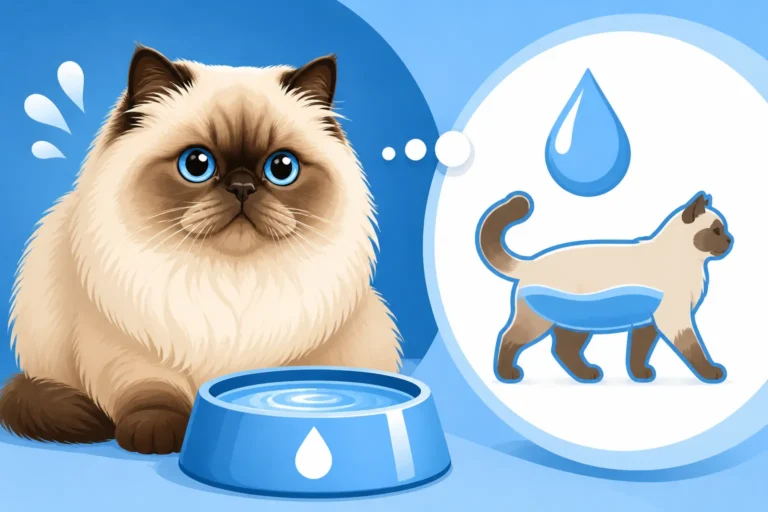
Because Himalayans are not high-energy, active cats, their bodies simply don't need as many calories as a more athletic breed. Their basal metabolic rate, the number of calories they burn just existing, breathing, and keeping warm, is inherently lower. How Few Calories a Himalayan Burns Sitting in One Chair. This means that even a standard portion of cat food, designed for an "average" cat, can be too much for a sedentary Himalayan.
Many cat food manufacturers provide feeding guidelines based on weight, but these are often broad averages. A 10-pound Siamese might burn significantly more calories in a day than a 10-pound Himalayan, even if both are indoors. This is where the frustration often sets in: you feel like you're feeding a reasonable amount, but the weight still creeps up. It truly highlights the fact that these guidelines need to be adapted for your specific cat's lifestyle and breed characteristics.
The Silent Creep of Extra Calories
It’s astonishing how quickly seemingly insignificant additions to a cat’s diet can lead to weight gain, especially for a Himalayan. That tiny extra spoonful of wet food, a couple of crunchy treats given throughout the day, or even just leaving a bowl of dry kibble out for free-feeding can be the silent culprit.
For a cat whose energy expenditure is minimal, every single calorie counts. It's a classic example of an energy imbalance: calories in exceed calories out. What might seem like a negligible treat to you could represent a much larger percentage of your Himalayan's daily caloric needs than you realize. It's easy to fall into the trap of giving treats out of love, or letting them graze because they seem to enjoy it, but for a Himalayan, this approach is a direct path to excess weight. Why a Cobby Himalayan Gains on a Portion Another Cat Burns. Owners often feel guilty limiting food, but it's truly an act of love to help them maintain a healthy weight.
Age and Activity Levels
As if their natural predisposition wasn't enough, aging further complicates a Himalayan's weight management. Just like humans, a cat's metabolism tends to slow down as they get older. An older Himalayan might spend even more time napping and less time engaging in even gentle play. Their joints might not be as spry, or their eyesight a little less sharp, further reducing their motivation to move.
If their food intake remains the same as it was when they were a spry 2-year-old, but their activity has decreased and their metabolism has slowed, weight gain is almost inevitable. This is why regular check-ups become even more crucial as your Himalayan approaches their senior years. The vet can help you adjust their diet and monitor for any underlying conditions that might contribute to weight fluctuations.
Practical Strategies for Weight Management
It might feel overwhelming, but managing your Himalayan's weight is entirely achievable with consistent effort and a few strategic adjustments. It’s all about creating a balanced approach that respects their unique needs.
Rethinking Portions and Feeding Routines
This is arguably the most impactful area for change. Free-feeding, where food is always available, is a huge no-no for a Himalayan prone to weight gain. Instead, switch to scheduled, measured meals.
Here’s how to approach it:
- Accurate Measurement: Invest in a digital kitchen scale. Measuring food by weight (grams or ounces) is far more accurate than using scoops or cups, which can vary wildly. Even a small overestimation each day adds up to pounds over a year.
- Consult Your Vet: Discuss your cat’s ideal weight and current food with your veterinarian. They can help calculate a precise caloric target and recommend a suitable diet plan. Sometimes, a "weight management" or "light" formula food might be appropriate, which is higher in fiber and lower in calories.
- Multiple Small Meals: Instead of one or two large meals, try dividing their daily allowance into three or four smaller meals. This can help keep them feeling fuller throughout the day and prevent long periods of hunger that might lead to begging.
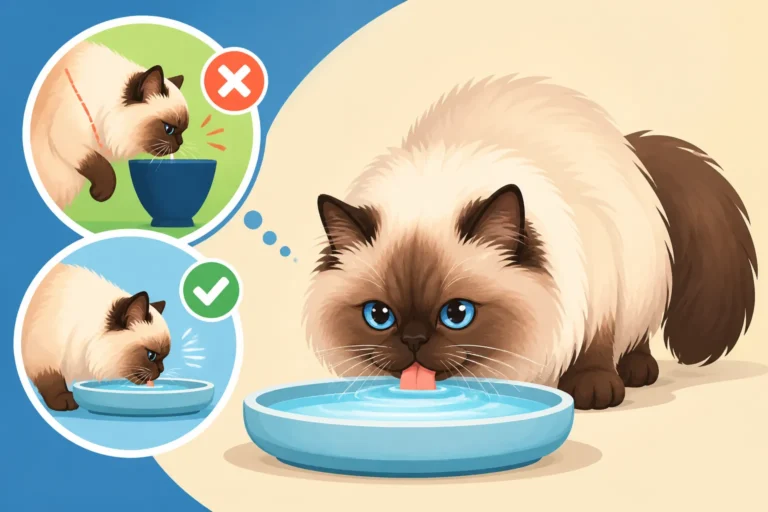
- Specialized Bowls: For flat-faced breeds like Himalayans, traditional deep bowls can be uncomfortable, making them push food out or eat more slowly. Wide, shallow bowls, or even tilted bowls, can make eating easier and more enjoyable. You might find a wider selection of flat-faced friendly bowls on Chewy or Amazon. Which Bowl Shape a Flat Faced Himalayan Can Use.
- Rethink Treats: Treats should be minimal and low-calorie. Break larger treats into tiny pieces. Consider using a portion of their daily kibble as "treats" for positive reinforcement or playtime.
Encouraging Gentle Movement
While your Himalayan won't be setting any speed records, you can still encourage gentle, low-impact activity. The goal isn't intense exercise, but consistent, light movement throughout the day.
- Short Play Sessions: Instead of one long session, try several short, interactive playtimes (5-10 minutes each) spread across the day. This helps prevent overheating and keeps them engaged.
- Wand Toys and Feathers: These are excellent for enticing a Himalayan to bat, pounce, and stretch without overexerting themselves. Follow their cues; if they pant, stop.
- Puzzle Feeders: While many puzzle feeders are designed for cats with longer muzzles, there are options for flat-faced cats that require them to use their paws or tongues to extract kibble. This slows down eating and provides a mental challenge. Look for flat-surface or very shallow options on Amazon.
- Vertical Space (Carefully): Himalayans generally prefer lower heights The Height a Himalayan Decides Is Not Worth It, but a sturdy, low-level cat tree with wide platforms can offer a gentle climb and new vantage point without encouraging risky jumps.
- Leash Training: Some Himalayans can be successfully leash-trained for short, supervised strolls in a safe, quiet garden. However, their heat sensitivity and preference for indoors means this isn't for every cat. Ensure their harness is comfortable and doesn't impede their breathing.
Regular Vet Check-ups and Monitoring
Your veterinarian is your most valuable partner in weight management. Regular check-ups are non-negotiable for a Himalayan.
- Annual Exams: Don't skip these! Your vet will weigh your cat, assess their body condition score, and can detect any underlying health issues that might contribute to weight gain, such as thyroid problems or metabolic disorders.
- Body Condition Scoring: Learn how to assess your cat's body condition. You should be able to feel their ribs with gentle pressure, see a slight waist behind their ribs, and their belly shouldn't sag. Your vet can show you How to Feel a Himalayan's Spine Through Its Ruff.
- Weight Loss Goals: If your Himalayan is overweight, your vet can help you establish a realistic and safe weight loss plan. Rapid weight loss can be dangerous for cats, so a slow and steady approach is best. Losing just a pound can take How Long a Himalayan Takes to Come Down a Pound.
- Dietary Guidance: They can recommend specific therapeutic diets if necessary, or help you adjust portions of your current food. Fresh pet food delivery might be an option your vet discusses if conventional kibble isn't working, as portion control can be very precise.
The Impact of an Overweight Himalayan
It's tempting to think a little extra fluff just makes them more cuddly, but an overweight Himalayan faces a host of serious health challenges that significantly diminish their quality of life and potentially shorten their lifespan.
Health Risks of Excess Weight
The consequences of obesity in cats are wide-ranging and concerning:
- Joint Problems: Those short, cobby legs and the overall robust frame are not designed to carry extra weight. This puts immense strain on their joints, potentially leading to or exacerbating conditions like arthritis, making movement even more painful and reducing their already limited activity.
- Breathing Difficulties: A common frustration for Himalayan owners is their characteristic snoring and sometimes labored breathing, a direct result of their brachycephalic (flat) face. Excess weight only worsens these issues, adding pressure on their airways and making every breath harder. Why a Himalayan Snores Louder Than Its Siamese Ancestors. This can lead to increased risk during anesthesia and make hot weather even more dangerous.
- Diabetes Mellitus: Overweight cats are at a significantly higher risk of developing type 2 diabetes, a serious and lifelong condition that requires daily insulin injections and careful management.
- Liver Disease: Feline hepatic lipidosis, or fatty liver disease, is a potentially fatal condition that can occur when an overweight cat stops eating, causing the liver to become overwhelmed with fat.
- Urinary Tract Issues: Obesity can increase the risk of certain urinary tract problems.
- Reduced Lifespan: Ultimately, all these health complications can lead to a shorter, less comfortable life for your cherished companion. You want them to enjoy The Nine to Fifteen Years a Himalayan Usually Gets to the fullest.
Grooming Challenges
One of the most noticeable impacts of an overweight Himalayan is their struggle with self-grooming. Their beautiful, long coat requires diligent maintenance, and much of that should ideally come from the cat itself. However, with a bulky body, especially around the middle and hindquarters, it becomes physically difficult for them to reach certain areas.
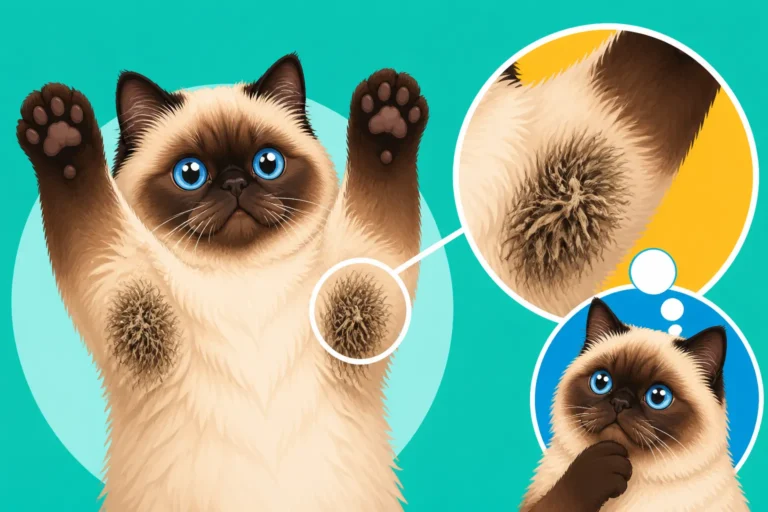
- Matted Fur: When a Himalayan can't twist and turn to groom their back, flanks, and especially their britches, the fur quickly becomes matted. These mats aren't just unsightly; they can pull on the skin, cause pain, hide skin infections, and even restrict movement. Why a Heavy Himalayan Stops Grooming Its Points.
- Skin Infections: Mats trap moisture and debris against the skin, creating a perfect breeding ground for bacteria and yeast, leading to uncomfortable and potentially serious skin infections.
- Discomfort: Imagine having your hair constantly tangled and pulling. Mats are incredibly uncomfortable for cats and can make them irritable or even cause them to avoid being touched. Why a Matted Himalayan Becomes a Medical Case.
This often creates a vicious cycle: the cat is overweight, can't groom, gets matted, feels uncomfortable, moves even less, and gains more weight. Regular grooming assistance from you, and possibly a professional groomer, becomes even more critical.
Quality of Life
Beyond the specific health conditions, an overweight Himalayan simply has a diminished quality of life. They might be less playful, less mobile, and generally less comfortable in their own skin. They might struggle to reach their favorite sleeping spots, find it harder to get comfortable, and even their joyful purrs might be dampened by discomfort.
Helping your Himalayan achieve and maintain a healthy weight isn't about vanity; it's about giving them the best chance at a long, vibrant, and pain-free life. It’s about ensuring they can enjoy those serene naps and loving cuddles without the hidden burden of unnecessary pounds. It requires commitment, patience, and often a little bit of creativity, but the rewards are immeasurable.
Disclaimer
This article is for general informational purposes only and does not constitute professional advice. Laws, prices and regulations vary by location and change over time. Consult a qualified professional for guidance on your specific situation.