Why a Himalayan’s Box Needs a Cutaway Front
Many Himalayan cat owners face a common, messy dilemma: their beloved furballs struggle with the high sides of conventional litter boxes, leading to accidents, matted fur, and frustration for both cat and human. This isn't just about a cat being picky; it's a direct consequence of their unique physical characteristics. This comprehensive guide will explain why a litter box with a cutaway front isn't just a luxury, but often a necessity for your Himalayan's comfort, hygiene, and overall well-being.
The Unique Challenges of a Himalayan's Build with Standard Litter Boxes
The Cobby Body and Short Legs: A Physical Hurdle
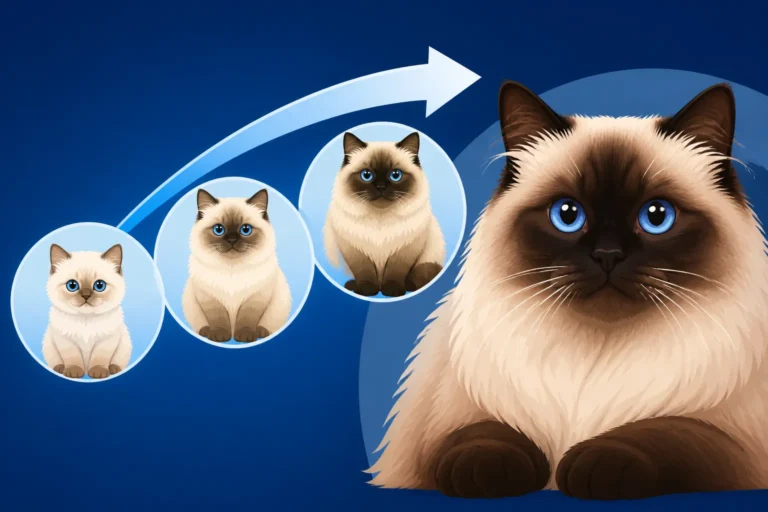
Himalayans are beautiful, stout cats, known for their "cobby" body type and relatively short, sturdy legs. This adorable build, a trait inherited from their Persian lineage, is part of what makes them so endearing. However, it also presents a very real physical challenge when it comes to navigating the everyday world, particularly their litter box. Imagine trying to step over a wall that comes up to your waist every single time you need to use the restroom – that's often what a standard litter box feels like to a Himalayan. Their short legs mean they lack the long, agile reach of a Siamese or a domestic shorthair. Instead of gracefully hopping in and out, they often have to clamber, push, or even jump, which can be difficult and even painful, especially as they age. This struggle can lead to them avoiding the box altogether, choosing softer, more accessible spots around your home for their needs. It's not defiance; it's a physical limitation.
This isn't just about a bit of an awkward entrance; it can cause real stress. A cat that feels vulnerable or uncomfortable using its litter box might start holding it in, which can lead to urinary tract issues over time. We want our Himalayans to feel secure and comfortable in their most private moments. Their cobby frame is designed for lounging and looking majestic, not for performing acrobatic feats to get into a plastic container. You might notice them hesitating at the edge, making multiple attempts, or even looking at you with a plaintive meow as if asking for assistance. This subtle communication is their way of telling you that something isn't quite right with their bathroom setup.
Long Coats and 'Britches': A Magnet for Litter
Beyond the physical entry, there's the glorious, flowing coat that Himalayans are famous for. Their double coat is thick, plush, and extends beautifully, especially around their hindquarters, where it forms what cat fanciers affectionately call "britches." While stunning to look at, these luxurious britches are unfortunately perfectly positioned to become a magnet for litter. As a Himalayan steps into or out of a traditional high-sided box, their long fur often brushes against the sides, scooping up stray litter particles, dust, and sometimes even… well, you can imagine. This isn't just an aesthetic issue; it's a hygiene nightmare. The litter, whether clay, silica gel, or plant-based, gets embedded in the delicate fur, acting like tiny burrs.
Once caught in the fur, this litter is then tracked throughout your home, sticking to carpets, furniture, and even ending up in their favorite napping spots. But more critically, if the britches become soiled or matted with damp litter, it can lead to skin irritation, discomfort, and even painful matting that requires professional grooming. Why a Matted Himalayan Becomes a Medical Case It's a constant battle, even with diligent daily combing. Owners often find themselves routinely cleaning up tiny granules scattered far and wide. This constant battle with litter tracking often makes owners consider drastic measures like trimming the fur around their cat's hindquarters, but a properly designed litter box can often mitigate this problem significantly without needing to alter their beautiful coat.
Age and Mobility: When Standard Boxes Become Impossible
As our beloved Himalayans age, or if they develop health issues, the challenges posed by a standard litter box become even more pronounced. Just like humans, senior cats can develop arthritis or other joint conditions that make stepping and climbing painful. That once-awkward hop into the litter box can become an agonizing ordeal, or simply impossible. A cat experiencing joint pain will avoid anything that causes discomfort, and a high-sided litter box is a prime candidate. This is where you might start seeing "accidents" outside the box, not because your cat has forgotten their training, but because they physically cannot use their designated spot without pain.
Conditions like arthritis, hip dysplasia (which can affect some cats, though less common than in dogs, it's something to be mindful of for cobby breeds), or even neurological issues can severely limit a cat's mobility. A Himalayan with How Arthritis Shows in a Himalayan That Never Jumped will greatly benefit from a low-entry solution. Imagine your sweet, aging companion trying to navigate a hurdle every few hours – it's heartbreaking. Providing an accessible litter box is not just about convenience; it's about maintaining their quality of life and ensuring they can relieve themselves comfortably and independently throughout their golden years. This thoughtful change can prevent a lot of stress for both you and your cat, helping to keep them happy and healthy well into their seniority.
How a Cutaway Front Litter Box Solves These Problems
Effortless Entry and Exit for All Ages
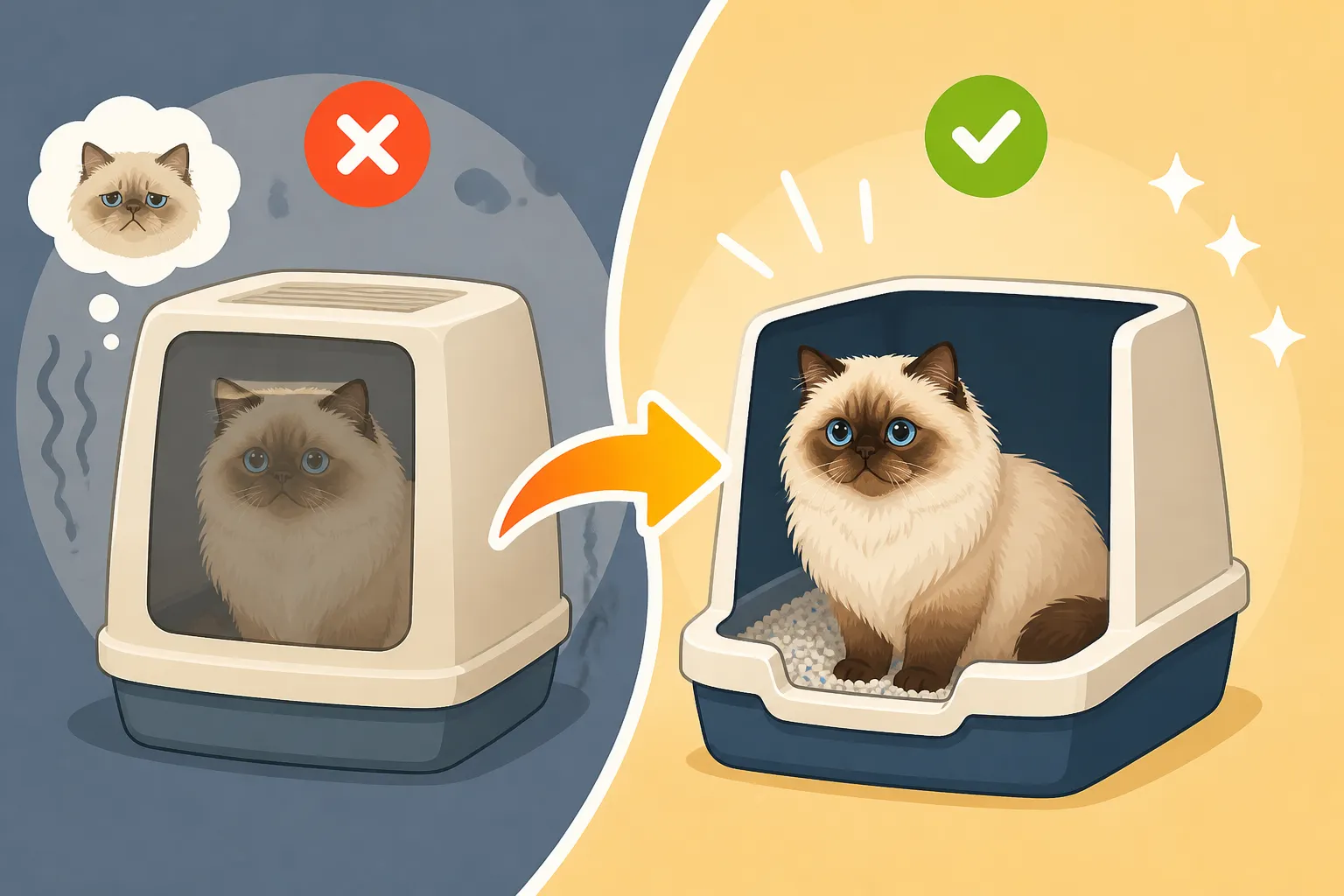
The most immediate and obvious benefit of a cutaway front litter box is the sheer ease of access it provides. These boxes are specifically designed with a lower entry point, often creating a ramp-like or step-down feature, making it simple for even the shortest-legged or most mobility-challenged Himalayan to step in and out. Think of it as a custom-built doorway for your cat, rather than a wall they have to scale. For a young, playful Himalayan, it means less effort during their bathroom breaks, conserving their energy for important activities like napping or demanding cuddles. For an older cat, it means pain-free access, reducing the risk of accidents outside the box and preserving their dignity. How a Himalayan Behaves as Its Sight Goes
This effortless entry isn't just about physical comfort; it contributes significantly to a cat's mental well-being. Cats are creatures of habit and routine, and feeling secure in their toileting habits is paramount. If they can easily get into and out of their box, they are more likely to use it consistently. It removes a barrier, both physical and psychological, that might otherwise lead to behavioral issues. Retailers like Chewy often stock a wide variety of these low-entry options, making it easier for owners to find the perfect fit for their home and their cat's specific needs. You'll likely notice a happier, more relaxed cat, no longer dreading their trip to the litter box.
Protecting That Glorious Coat from Unwanted Souvenirs
Beyond ease of access, a cutaway front litter box offers a huge advantage for keeping your Himalayan's magnificent coat clean and free of trapped litter. With a lower entry point, your cat's long "britches" are far less likely to drag across high sides or collect stray granules from the rim. This dramatically reduces the amount of litter that gets caught in their fur and subsequently tracked through your house. It's a simple change that can have a profound impact on household cleanliness and your grooming routine. Imagine fewer stray pieces of litter clinging to their beautiful, long fur, and fewer instances of having to meticulously comb out matted, soiled areas from their hindquarters.
This protection of the coat also helps prevent skin irritation and secondary infections that can arise from damp, soiled fur. When litter gets stuck, it can rub against the skin, especially in sensitive areas, leading to discomfort or even dermatitis. A cutaway box minimizes this exposure, keeping your Himalayan's skin healthy and their fur pristine. Why a Himalayan's Coat Hides a Wound for Days This preventative measure saves you time and stress, and your cat avoids unnecessary trips to the groomer for a "hygiene clip" that could have been avoided. It’s a win-win for everyone involved, maintaining both the cat's comfort and the owner's peace of mind.
Maintaining Hygiene and Dignity
For a Himalayan, a properly designed litter box is about more than just convenience; it's about maintaining their inherent cleanliness and dignity. Cats are naturally fastidious creatures, and an uncomfortable or messy litter box experience can be very distressing for them. When they struggle to enter, or their fur constantly gets dirty, it can lead to them feeling less clean, potentially causing them to seek out other places to relieve themselves that do feel clean and accessible – like your laundry pile or a plush rug. This isn't naughtiness; it's a cat trying to solve a problem that we, as their caregivers, inadvertently created.
A cutaway front ensures they can enter, do their business, and exit without unnecessary mess or struggle. This reinforces positive litter box habits and prevents many common behavioral issues that stem from an unsuitable setup. It also means less work for you in terms of cleaning up tracking and potential accidents. Ultimately, a clean and accessible litter box contributes significantly to a harmonious household and a happy, well-adjusted Himalayan. It shows respect for their needs and acknowledges their unique physical traits. When considering litter box solutions, think of it as an investment in your cat's long-term health, happiness, and your shared living environment.
Choosing the Right Cutaway Litter Box for Your Himalayan
Exploring Different Styles and Materials
When it comes to cutaway front litter boxes, you'll find a surprising variety on the market, each with its own advantages. The most common design features one side that is significantly lower than the others, creating a welcoming entrance. Some even have a small ramp integrated into the design, which can be particularly beneficial for cats with severe mobility issues or those who are very frail. Materials range from sturdy plastics to more aesthetically pleasing options made from wood or other composites, often disguised as furniture. Plastic options are generally more affordable and easier to clean, which is a huge plus for cat owners. You can find many options from retailers like Amazon, offering everything from basic low-entry trays to more elaborate hooded designs with a low threshold.
Consider the overall size of the box as well. Even with a low entry, your Himalayan still needs ample space inside to turn around comfortably, dig, and cover their waste. Their cobby build means they need a wider box than some other breeds might. A spacious box allows them to maintain their natural digging behaviors without feeling cramped. Some popular choices include open-top low-entry boxes, which provide maximum ventilation and make it easy for you to scoop. There are also hooded versions that maintain a low entry point but offer more privacy, which some cats prefer. Just be sure that any hooded option still has adequate ventilation and is not too confining, as a flat-faced Himalayan already has Why a Himalayan Snores Louder Than Its Siamese Ancestors and can struggle with airflow in enclosed spaces.
| Feature/Type | Description | Ideal For | Considerations |
|---|---|---|---|
| Simple Low-Side Tray | One or more sides are significantly lower, usually 2-3 inches from the floor. | All Himalayans, especially kittens, seniors, or those with mild mobility issues. | Best for easy access; may allow more litter tracking out the low side. |
| Integrated Ramp | Features a gradual incline leading into the litter area. | Very elderly cats, those with severe arthritis, or neurological conditions. | Takes up more floor space; ramp texture should be comfortable for paws. |
| Top-Entry (with Step) | Entry from the top, often with a textured lid for litter removal upon exit. | Cats who spray or track a lot of litter after exiting; provides privacy. | Entry still requires a jump up for a Himalayan; only suitable for agile cats. Not a cutaway. |
| Enclosed with Low Doorway | Hooded design with a specific low opening for entry/exit. | Cats desiring privacy; those who kick litter out (but not track). | Ensure adequate ventilation for flat-faced Himalayans; check door height. |
| Corner Box (Low Entry) | Designed to fit into a corner, with a low opening. | Space-saving option; provides a secure, private feeling. | Check internal dimensions carefully to ensure enough turning room for a cobby cat. |
Note: While top-entry boxes can help with litter tracking, they generally require a jump up for entry, which may not be suitable for Himalayans due to their short legs and potential mobility issues. The focus here is on cutaway front boxes.
Placement and Maintenance for Optimal Use
Even the best litter box won't be effective if it's not placed correctly or maintained diligently. For your Himalayan, choose a quiet, easily accessible location that offers some privacy. Avoid high-traffic areas, noisy appliances, or places where they might feel trapped. If you have a multi-level home, consider having a low-entry box on each floor, especially if your cat is older. Why a Himalayan Will Not Cross the House to a Box This minimizes the distance they have to travel and reduces the chance of accidents due to urgency or difficulty.
Regular cleaning is absolutely paramount, especially with a long-haired breed. Clumped litter or soiled areas can quickly lead to fur getting matted or uncomfortable. Scoop the box at least twice a day, and ideally, completely change the litter and wash the box every week or two, depending on the type of litter and number of cats. For Himalayans, dust-free litter is often recommended to protect their respiratory system, which can be sensitive due to their brachycephalic (flat-faced) nature. A clean, fresh box is an inviting box, and a crucial component of good feline hygiene. Remember, if your Himalayan starts avoiding their low-entry box, the first thing to check is its cleanliness.
When to Transition to a Low-Entry Box
There's no single "right" time to switch to a low-entry litter box; it often depends on your individual Himalayan and their specific needs. However, there are certainly strong indicators that it might be time, or even overdue.
Firstly, if you're bringing home a new Himalayan kitten, starting them off with a low-entry box from day one can be incredibly beneficial. Their tiny legs will find it much easier to navigate, reducing any potential stress or confusion during their early litter training. This proactive approach sets them up for success.
Secondly, as your Himalayan approaches their senior years, typically around 8-10 years old, it's wise to consider the switch even if they haven't shown obvious signs of struggle. Prevention is always better than cure. By providing an easier entry point before arthritis or other age-related mobility issues set in, you can help prolong their comfortable use of the litter box and potentially prevent future accidents. Many older cats will silently endure discomfort until it becomes unbearable, so observing subtle changes in their gait or hesitation at the box's edge can be key. What Goes First in a Himalayan Past Twelve
Finally, any noticeable change in your cat's behavior around their current litter box is a huge red flag. This could include:
- Hesitation or multiple attempts to enter/exit.
- Litter accidents just outside the box, indicating they tried but couldn't make it, or found it too uncomfortable.
- Increased vocalization (more meows or complaints) around the litter area.
- Signs of pain or stiffness after using the box.
- A reluctance to use the box at all, choosing to hold their bladder or bowels for longer periods.
Don't wait until accidents become a regular occurrence. Making the switch to a low-entry, cutaway front litter box is a small adjustment that can make a world of difference in your Himalayan's daily life, ensuring they remain comfortable, clean, and content for all their years with you.
Disclaimer
This article is for general informational purposes only and does not constitute professional advice. Laws, prices and regulations vary by location and change over time. Consult a qualified professional for guidance on your specific situation.