How Many Calories a Growing Himalayan Kitten Needs
Bringing home a Himalayan kitten is an absolute joy, but it also comes with a lot of questions, especially around feeding. You’re looking at that tiny, fluffy bundle and wondering how on earth you're going to fuel all that adorable growth without over or underfeeding them. It's a common worry, because getting a kitten's nutrition right during these crucial early months is foundational for their entire lifespan. This guide will walk you through understanding exactly how many calories a growing Himalayan kitten needs, what factors influence those needs, and how to ensure your little one thrives.
The Unique Energy Demands of a Growing Himalayan Kitten
Kittenhood is a whirlwind of growth, discovery, and seemingly endless energy. Your Himalayan kitten, while perhaps more sedate than a Siamese, is still a growing baby with significant nutritional demands that are quite different from those of an adult cat. Ignoring these unique needs can set them up for health issues down the road, so understanding them is your first step.
Why Kittenhood is a Calorie-Intensive Phase
Think about what your kitten is doing every single day: they're not just playing; their entire body is undergoing rapid development. Their bones are lengthening, their muscles are strengthening, and their organs are maturing. Their immune system is still building robust defenses, and their little brains are constantly absorbing new information about their world. All of these processes require an incredible amount of energy – significantly more, pound for pound, than an adult cat needs.
They're essentially miniature construction sites, operating 24/7. This intense physiological work means that their metabolic rate is much higher. They burn through calories quickly, not just for the zoomies and pounces, but for every cell division and tissue repair happening inside them. Providing readily available, nutrient-dense calories is absolutely paramount during this time. It’s not just about quantity, but quality, ensuring every bite supports their complex growth.
The Himalayan's Specific Needs: Coat, Cobby Body, and Playfulness
While all kittens are calorie-intensive, your Himalayan has a few specific characteristics that influence their energy expenditure. First, there's that magnificent coat. Himalayans are known for their incredibly dense, long fur, a legacy from their Persian side. Growing and maintaining such a luxurious coat requires a surprising amount of protein and fat, which means more calories. It's not just a pretty accessory; it's an active part of their physiology that needs fuel.
Secondly, Himalayans have that distinctive "cobby" body type – a sturdy, compact build. Even as kittens, they are often a bit stockier than many other breeds. Developing this robust musculature and bone structure demands consistent, high-quality nutrition. They might not be scaling curtains like some more agile breeds, but those bursts of play, those adorable waddles and playful swats, are still calorie-consuming activities. While they may mature into quite the Himalayan Is a Lap Cat That Answers Back who is happy to supervise from a warm spot, as a kitten, they have plenty of energy for exploration and play. You might notice your Himalayan Kitten's First Year, White to Pointed is filled with delightful bursts of activity followed by long, deep naps.
These factors combine to make their caloric needs relatively high compared to their body size, especially during their first year of life when they are doing the most growing.
Calculating Your Himalayan Kitten's Daily Calorie Intake
Figuring out the exact number of calories your Himalayan kitten needs can feel like advanced math, but it doesn't have to be overwhelming. The key is understanding the general principles and then working closely with your veterinarian to fine-tune it for your specific kitten.
Understanding Basal Metabolic Rate and Growth Factors
At its core, a cat's calorie needs are tied to its Basal Metabolic Rate (BMR) – the energy required to simply exist, to keep its heart beating, lungs breathing, and body temperature regulated. For kittens, however, we add a significant "growth factor" on top of that. This factor accounts for all the extra energy needed for rapid tissue development, bone growth, and the higher energy expenditure associated with being an active, exploring youngster.
The growth factor is highest for the youngest kittens and gradually decreases as they approach maturity. A tiny 8-week-old kitten, for example, will need far more calories per pound of body weight than a 6-month-old kitten who has already done much of their foundational growth. This is why kitten foods are specifically formulated with higher calorie counts and different nutrient ratios compared to adult formulas. Think of it like a toddler versus a teenager – both are growing, but their caloric needs, and the intensity of those needs, are quite different.
General Guidelines and How They Vary
While I can't give you exact numbers here (because every kitten is different, and product formulations vary), generally speaking, growing kittens require roughly double the calories per pound of body weight compared to adult cats. For instance, a very young kitten might need around 60-80 calories per pound of body weight per day, while an older, nearing-adult kitten might be closer to 30-40 calories per pound. These numbers are just illustrative to show you the scale of the difference, not exact figures to apply.
It's absolutely vital to look at the specific feeding guidelines on your chosen kitten food packaging. Manufacturers spend a great deal of time and research formulating these diets and providing recommendations based on the kitten's age and weight. However, these are guidelines, not commandments. Your kitten's activity level plays a huge role. A particularly playful Himalayan who is always pouncing on toys will burn more calories than a more sedate sibling who prefers long naps in a sunbeam. Factors like whether they are intact (not spayed/neutered) or have any underlying health conditions can also subtly alter their requirements. You might also want to read How Many Calories a Growing Himalayan Kitten Needs for further insights into caloric distribution.
The Importance of a High-Quality Kitten Food
This cannot be stressed enough: choose a high-quality kitten-specific formula. Don't try to feed an adult cat food to your growing Himalayan kitten, thinking you can just feed more of it. Kitten foods are not only higher in calories but also contain the correct balance of protein, fats, vitamins, and minerals essential for healthy development. They often have higher levels of DHA for brain and eye development, and adjusted calcium and phosphorus ratios for bone growth.
Look for foods that list a named meat source (like chicken, salmon, or turkey) as the first ingredient. Reputable brands often have life-stage specific formulas. Whether you choose wet, dry, or a combination, ensure it's specifically marked for “kittens” or “all life stages” (though kitten-specific is usually preferred for optimal growth). Brands like Chewy, for example, offer a wide variety of high-quality kitten foods, from crunchy kibble to moisture-rich wet options, making it easy to find something that suits your little one's palate and nutritional needs. For those interested in alternative options, some owners explore fresh, human-grade food, though ensuring it’s balanced for growing kittens requires careful consultation with a vet or nutritionist.
Monitoring Your Himalayan Kitten's Growth and Adjusting Food
Feeding isn't a "set it and forget it" process, especially with a growing kitten. Their needs change constantly, sometimes week by week. Regular monitoring is key to ensuring they're getting exactly what they need at each stage.
How to Assess Healthy Growth: Weight, Activity, and Coat Condition
Beyond simply scooping food into a bowl, you need to become a keen observer of your kitten's overall well-being. Regular weigh-ins, ideally weekly for the first few months, are essential. Your vet will have a growth chart, and you should aim for a steady, consistent weight gain. Sudden drops or spikes can indicate an issue. Don't panic if there's a slight fluctuation, but consistent trends warrant attention.
Beyond the scale, look at their energy levels. A healthy kitten is playful, curious, and has bursts of activity. If your Himalayan kitten seems unusually lethargic, or their play sessions are significantly shorter than before, it might be a sign they're not getting enough fuel. Conversely, if they're constantly begging for food but rarely moving, you might be overfeeding. Their coat condition is another excellent indicator. A healthy Himalayan kitten should have a soft, shiny, and relatively tangle-free coat (with daily combing, of course!). A dull, sparse, or excessively flaky coat can suggest nutritional deficiencies or other health problems. Also, pay attention to the clarity of their eyes; bright, clear eyes are a sign of good health. For a deeper understanding of their physical characteristics, you might want to read How Long a Himalayan Takes to Finish Its Coat and Points.
Signs Your Kitten Might Be Eating Too Much or Too Little
It's easy to fall into the trap of thinking a chubby kitten is a healthy kitten, but this isn't always true.
Signs of Too Little Food:
- Lethargy: As mentioned, reduced playfulness and extended periods of sleep beyond typical kitten naps.
- Weight loss or failure to gain weight: The most obvious sign. Your vet's growth chart will be your best friend here.
- Dull coat/poor skin condition: Lack of essential nutrients can show here.
- Visible ribs or spine: When gently petting your kitten, you shouldn't be able to easily feel their ribs or spine without some cushioning.
- Constant begging/crying: While kittens are often vocal, excessive, desperate pleas for food might indicate hunger.
Signs of Too Much Food:
- Rapid weight gain: While kittens should gain weight, a sudden, sharp increase that goes beyond healthy growth curves can be a concern.
- "Chubby" appearance: Again, cute doesn't always equal healthy. A kitten that looks very round or has trouble moving easily might be overweight.
- Digestive upset: Overfeeding can sometimes lead to loose stools or vomiting as their digestive system struggles to cope with the excess.
If you suspect either scenario, the first step is always to re-evaluate your portion sizes based on the food packaging and your kitten's actual weight. Then, if the problem persists, it's time to call the vet.
The Role of Your Veterinarian
Your veterinarian is your absolute best resource for tailoring your Himalayan kitten's nutritional plan. They can assess your kitten's individual growth trajectory, body condition score, and overall health. During regular check-ups, they'll weigh your kitten, feel their ribs, and discuss their activity levels and eating habits with you. Don't hesitate to bring your kitten's food packaging to appointments, as your vet can review the nutritional analysis and help you interpret the feeding guidelines.
They can help you determine if your kitten is on track, if their caloric intake needs adjusting, or if there are any underlying health issues affecting their appetite or metabolism. This personalized guidance is invaluable, especially during the critical first year. Sometimes, simple adjustments are all that's needed; other times, your vet might recommend a different food formula or additional tests. Remember, preventive care and open communication with your vet are key to raising a healthy Himalayan. You can also discuss concerns like How Early Cysts Show on a Himalayan's Kidney Scan or Whether a Himalayan Is Scanned Before It Is Bred if you have questions about your kitten's genetic health.
Feeding Strategies for Your Growing Himalayan
Beyond what to feed, how you feed your Himalayan kitten can make a big difference in their health, comfort, and even their long-term eating habits. Himalayans have some specific physical traits that warrant thoughtful consideration in their feeding routine.
Wet vs. Dry Food: Pros and Cons for Kittens
Both wet and dry kitten foods have their advantages, and many owners opt for a combination.
Dry Food (Kibble):
- Pros: Convenient, often more cost-effective, can be left out for free-feeding (though measured meals are often better for weight control), and the crunchy texture may offer some minimal dental benefits (though not a substitute for brushing). Brands like Chewy offer large bags that can be more economical.
- Cons: Lower moisture content, which can be a concern for cats who aren't big drinkers. Some kittens, especially those with very flat faces, can struggle to pick up small kibble pieces.
Wet Food:
- Pros: High moisture content, which is excellent for hydration and kidney health. Often more palatable and aromatic, which can be appealing to picky eaters. Softer texture is generally easier for all kittens to eat, especially those with developing teeth or flat faces.
- Cons: More expensive, spoils quickly if left out, and generally offers no dental benefits.
For Himalayans, the high moisture content of wet food is often a significant benefit, especially considering their potential predisposition to kidney issues from their Persian heritage. Why Extra Thirst in a Himalayan Points at Its Persian Half highlights the importance of hydration. Many owners find a mixed diet—wet food for one or two meals, and a small portion of kibble available for snacking or another meal—works best to provide both benefits.
Frequency and Portions: Establishing a Routine
Kittens, especially very young ones, have small stomachs and high energy needs, so they benefit from multiple small meals throughout the day.
- 8-12 weeks: Aim for 3-4 meals per day.
- 3-6 months: Gradually reduce to 2-3 meals per day.
- 6-12 months: Most kittens are doing well on 2 meals per day by this point, similar to an adult cat, although some may still appreciate a small third meal if they're particularly active or still growing.
Always measure portions carefully according to the food's guidelines and your vet's recommendations. Don't just "eyeball" it, as even small differences can add up over time. Consistency in feeding times can also help establish a routine, which many cats, including Himalayans, appreciate. Why a Himalayan Expects to Be Fed at the Same Hour is a testament to their love of routine.
Bowl Choices for a Flat-Faced Friend
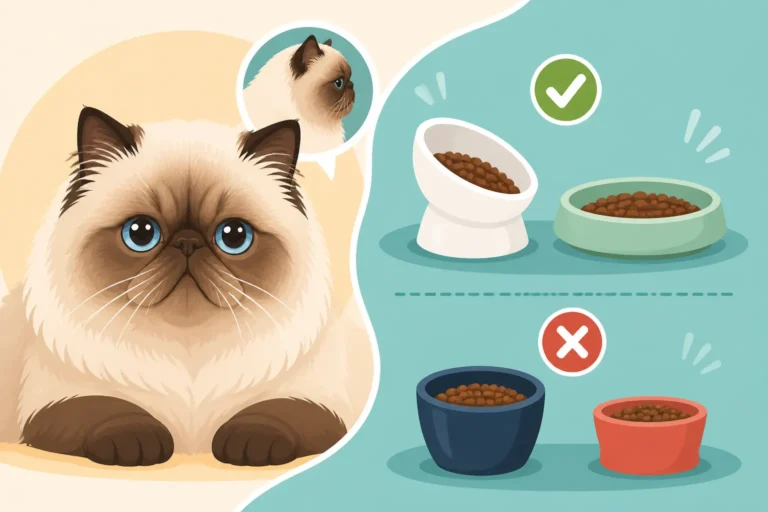
This is a really important consideration for Himalayans due to their brachycephalic (flat-faced) facial structure. Traditional deep bowls can be a nightmare for them. Their shortened muzzles mean they struggle to reach food at the bottom without squishing their faces or bending their sensitive whiskers uncomfortably. This can lead to them pushing food out of the bowl or simply giving up on eating.
Look for wide, shallow bowls or even flat plates. Ceramic or stainless steel are often preferred as they are easy to clean and less likely to harbor bacteria than plastic. Which Bowl Shape a Flat Faced Himalayan Can Use delves into this in more detail. Some Himalayans even prefer to eat with their paws, scooping food out before eating it, which is perfectly normal for them given their facial structure. Keeping their eating area clean is paramount, as food can easily get stuck in their facial folds or coat around their mouth.
Ultimately, providing the right nutrition for your growing Himalayan kitten is an ongoing journey of observation, adjustment, and collaboration with your veterinarian. By understanding their unique needs and staying attentive to their growth and behavior, you’ll be setting them up for a long, healthy, and happy life.
| Kitten Age (Approx.) | Calorie Needs (General Trend) | Meal Frequency (Recommended) | Key Nutritional Focus |
|---|---|---|---|
| 8-12 Weeks | Very High (per pound) | 3-4 meals/day | Rapid growth, immune development, brain health |
| 3-6 Months | High | 2-3 meals/day | Continued growth, muscle development, energy for play |
| 6-12 Months | Moderating towards adult needs | 2 meals/day | Finishing growth, maintaining ideal body condition |
| 1 Year+ | Adult maintenance | 1-2 meals/day | Sustained health, weight management |
Disclaimer
This article is for general informational purposes only and does not constitute professional advice. Laws, prices and regulations vary by location and change over time. Consult a qualified professional for guidance on your specific situation.