When a Lion Cut Is the Right Answer for a Himalayan
The majestic, flowing coat of a Himalayan cat is truly a sight to behold, a luxurious testament to their Persian heritage. Yet, for all its beauty, that magnificent fur can become a real source of stress and discomfort for both your cat and you, the dedicated owner. When daily grooming turns into a wrestling match, or when you notice unsightly mats forming despite your best efforts, you might start to wonder if a radical solution is necessary. This guide is here to help you understand when and why a lion cut isn't just a style choice, but a genuinely loving and practical decision for your Himalayan's health and happiness.
Understanding the Himalayan Coat and Its Grooming Demands
Let's be honest, part of the allure of a Himalayan is that incredible coat. It’s dense, it’s long, and it feels like silk. But it also comes with a serious commitment. Many new Himalayan owners underestimate just how much effort goes into keeping that fur in pristine condition, and it's easy to feel overwhelmed.
The Sheer Volume of a Himalayan's Fur
A Himalayan boasts a double coat, meaning they have a soft, dense undercoat beneath a longer, silkier topcoat. This combination creates incredible insulation and that characteristic fluffy appearance we all adore. However, it also means there's a lot of hair, and it's prone to tangling and matting if not managed diligently. Think of it like a dense wool sweater mixed with a silk scarf – beautiful, but high maintenance. Every time your Himalayan moves, those layers rub together, and any loose hairs can quickly become entwined, forming tiny knots that grow into larger, more stubborn mats.
Imagine trying to comb through a very fine, long wig that's been left on the floor for a week. That's a bit like what you're up against if you miss a few days of grooming. The hair isn't just long; it's designed to protect from cold, making it thick and interwoven. This beautiful complexity is also its biggest challenge.
The Daily Grooming Battle and Why It's Crucial
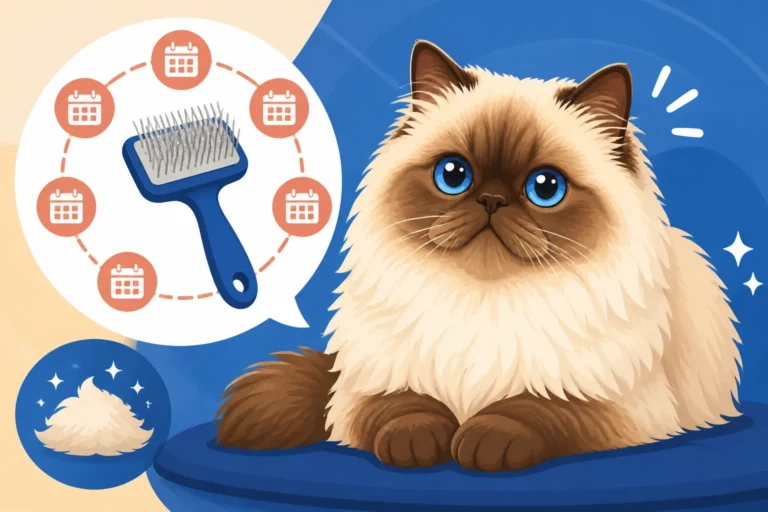
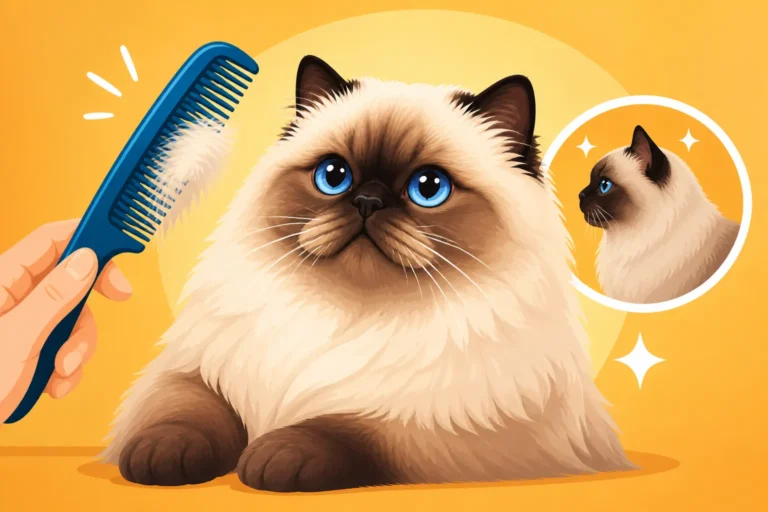
We talk about daily combing for a reason, and it's not just some arbitrary rule for show cats. For a Himalayan, daily combing is the absolute cornerstone of their coat health. You're not just styling them; you're actively preventing painful, skin-damaging mats from forming. This routine should ideally take at least 15-20 minutes, systematically working through their entire body with a good quality steel comb. It’s a time to bond, but it can also become a chore, especially if your cat isn't entirely thrilled with the process.
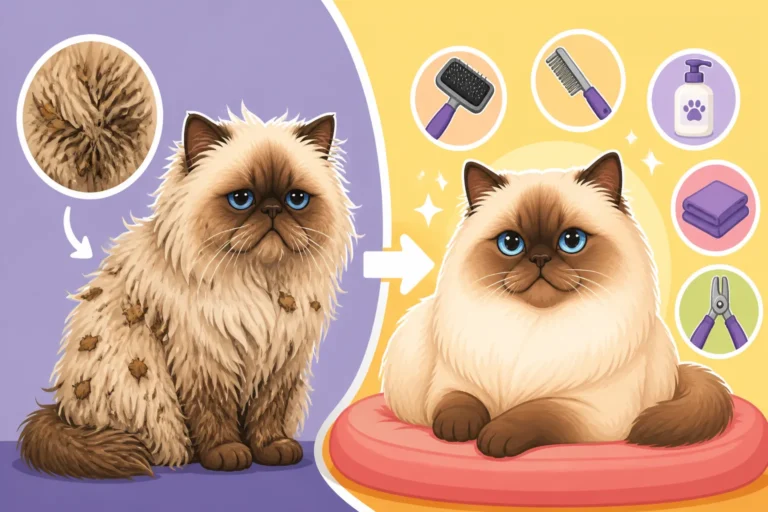
The stakes are high. Skipping a day or two might seem harmless, but those small tangles can quickly tighten into formidable mats, particularly in high-friction areas like the armpits, behind the ears, on the belly, and in the "britches" around their hind legs. Once a mat forms, it acts like a magnet for more loose fur, growing larger and pulling tighter against the skin. This daily ritual, while demanding, is truly The Daily Comb a Himalayan Cannot Skip if you want to avoid bigger problems down the line.
When Brushing Becomes a Nightmare
There comes a point for many Himalayan owners where the daily comb isn't just a challenge, it's a full-blown nightmare. Perhaps your cat has decided they simply won't tolerate it anymore, turning every session into a struggle with bites, scratches, and frantic escapes. Or maybe, despite your best efforts, deep, tight mats have already formed, and trying to comb them out is causing your cat genuine pain.
This isn't just frustrating; it's heartbreaking. You don't want to hurt your beloved pet, and the thought of causing them discomfort just to maintain their coat can be a truly awful feeling. When the comb catches on a mat and pulls at their delicate skin, the trust can erode, making future grooming even harder. At this stage, trying to work through these mats yourself can do more harm than good, potentially tearing skin or causing significant trauma. This is often the first major indicator that a more drastic, but ultimately kinder, intervention like a lion cut is needed.
Health and Comfort Reasons for a Lion Cut
Beyond the aesthetics and the daily struggle, a lion cut can become a genuine medical necessity, dramatically improving your Himalayan's quality of life. It’s not about vanity; it’s about well-being.
Battling Mats That Threaten Skin Health
Mats aren't just an unsightly nuisance; they are a serious health hazard. When fur mats tightly against the skin, it creates an impenetrable barrier that traps moisture, dirt, and parasites. This warm, damp environment is a breeding ground for bacteria and yeast, leading to painful skin infections, hot spots, and even maggot infestations in severe, neglected cases. These mats also pull constantly on the skin, causing bruising and open sores. Imagine having a tight knot of hair constantly tugging at your scalp – it's incredibly uncomfortable and can lead to significant pain.
For a Himalayan, these dense mats can hide underlying skin conditions, making it impossible for you or your vet to properly examine their skin. Why a Matted Himalayan Becomes a Medical Case is not an exaggeration. Sometimes, a cat arrives at the vet unable to move properly because the mats are so restrictive, like a full-body cast. In these scenarios, a lion cut isn't just recommended; it's often the only humane way to remove the painful, health-threatening mats and allow the skin to heal and breathe.
Managing Heat Stress, Especially in Summer
Himalayans, with their incredibly dense coats and their brachycephalic (flat-faced) features, are particularly susceptible to overheating. Their thick fur acts like a heavy blanket, trapping body heat, while their shortened nasal passages make it harder for them to cool themselves through panting. This double-whammy means they can suffer from heat stroke much faster than other breeds. Even in a moderately warm house, you might notice your Himalayan seeking out cool tile floors, spreading themselves out, or breathing more heavily.
A lion cut significantly reduces this insulating layer, helping your Himalayan regulate their body temperature more effectively, especially during warmer months or if you live in a hot climate. It can make a huge difference to their comfort and safety. Think of it as taking off a heavy winter coat when the sun comes out; they simply can't do that for themselves. This is particularly crucial as Why a Himalayan Overheats Twice as Fast as a Siamese is a very real concern for this breed, and proactive measures can prevent serious health emergencies.
Alleviating Pain from Arthritis or Mobility Issues
As Himalayans age, like all cats, they can develop conditions such as arthritis or other mobility issues. Jumping onto furniture becomes harder, reaching certain parts of their body to groom becomes painful, and simply moving around can be a struggle. A thick, heavy coat can exacerbate these problems, adding extra weight and making movement even more cumbersome.
If your older Himalayan is struggling to groom themselves – you might notice mats forming in their lower back, britches, or tail area that they simply can't reach anymore – a lion cut can provide immense relief. It removes the burden of a heavy coat, makes it easier for them to move, and allows you to keep them clean without causing further pain during attempts to brush tender areas. How Arthritis Shows in a Himalayan That Never Jumped can sometimes be subtle, but a decreased ability to self-groom is often one of the first visible signs, making a lion cut a compassionate choice to support their comfort in their golden years.
Practical and Lifestyle Considerations
Sometimes, the decision for a lion cut isn't just about acute health issues but about making daily life more manageable and enjoyable for everyone involved. It’s about adapting to the realities of owning a long-haired, flat-faced cat.
Addressing Hygiene Challenges with a Long Coat
Let's talk about the less glamorous side of that long, flowing fur. Himalayans often struggle with hygiene due to their coat length and density. It's not uncommon for their "britches" – the long hair around their hindquarters – to become soiled with feces, especially if they have a slightly softer stool or struggle with litter box aiming. This can lead to unpleasant smells, skin irritation, and a perpetually messy cat. Similarly, their long ruff and beard can easily get wet or pick up food when they eat or drink, becoming a sticky, dirty mess.
A lion cut, especially with careful trimming around the sanitary areas and face, can drastically improve hygiene. By removing the bulk of the fur in these problem zones, it minimizes the chances of fecal matter getting trapped, makes it easier for them to stay clean, and reduces the frequency of needing to wipe down their face. It’s a practical solution to a common and often frustrating problem. It’s worth remembering Why Litter Ends Up in a Himalayan's Britches, and a shorter coat can alleviate this significantly.
When the Owner's Capacity is Stretched Thin
Life happens. Maybe you've had a change in your own health, a new baby, a demanding job, or you simply find that you no longer have the physical ability or time to commit to the rigorous daily grooming schedule a Himalayan demands. This isn't a failure on your part; it's a recognition of reality. Feeling guilty about not being able to keep up with grooming can be a heavy burden.
In such situations, a lion cut offers a practical solution that prioritizes your cat's well-being without overwhelming you. It dramatically reduces the daily grooming requirement, allowing you to maintain their cleanliness and comfort with less effort. This means less stress for you and a healthier, happier cat. It's about finding a sustainable way to care for your beloved pet when your circumstances shift.
Moving to a Warmer Climate or Seasonal Relief
If you're relocating from a cooler region to a much warmer climate, or even if you simply face particularly hot summers where you live, a lion cut can be a game-changer for your Himalayan's comfort. Their thick coats, evolved for colder environments, become a significant liability in heat, as discussed earlier. While keeping them indoors with air conditioning is vital, a lion cut offers an extra layer of protection against overheating.
For cats that struggle significantly during the summer months, a seasonal lion cut can provide immense relief. You might notice them being more active, playing more, and generally seeming more comfortable when they're not carrying around a heavy fur coat. It allows them to enjoy their environment without constantly battling the heat. Learning How to Cool a Long Coated Himalayan in Summer is essential, and a lion cut is a potent tool in that arsenal.
What a Lion Cut Entails and How to Prepare
Deciding on a lion cut is a big step, and understanding the process and how to prepare can make it a much smoother experience for both you and your Himalayan. This isn't a DIY job; it requires professional expertise.
Finding a Qualified Professional Groomer
This is perhaps the most critical step. A Himalayan's coat is dense, their skin can be fragile, and their flat face means they require careful handling, especially around their airway. You need a professional groomer who has experience with long-haired breeds and, ideally, with Himalayans or Persians specifically. Look for someone who understands cat behavior and uses gentle handling techniques. Ask about their experience with matted coats and if they work with vets if sedation is needed.
A reputable groomer will discuss your cat's specific needs, assess their coat condition, and explain the process in detail. They should also be transparent about the cost, which can vary widely based on the severity of matting and the cat's temperament. Don't be afraid to ask for references or to visit their salon beforehand to see their setup and how they interact with animals. You can often find grooming supplies or even specialized shampoos on sites like Chewy or Amazon, but the actual cut should always be left to a professional.
The Grooming Process and Anesthesia Considerations
For many Himalayans, especially those with severe matting or who are highly stressed by grooming, a lion cut may require sedation or even light anesthesia. This is a crucial point to discuss with both your chosen groomer and your veterinarian. A vet will assess your cat's overall health to determine if they are a good candidate for sedation, considering their age, any existing health conditions (like heart murmurs or kidney issues), and their brachycephalic airway. Why a Himalayan Is a Harder Anesthetic Than a Siamese is a very real consideration due to their shortened breathing passages.
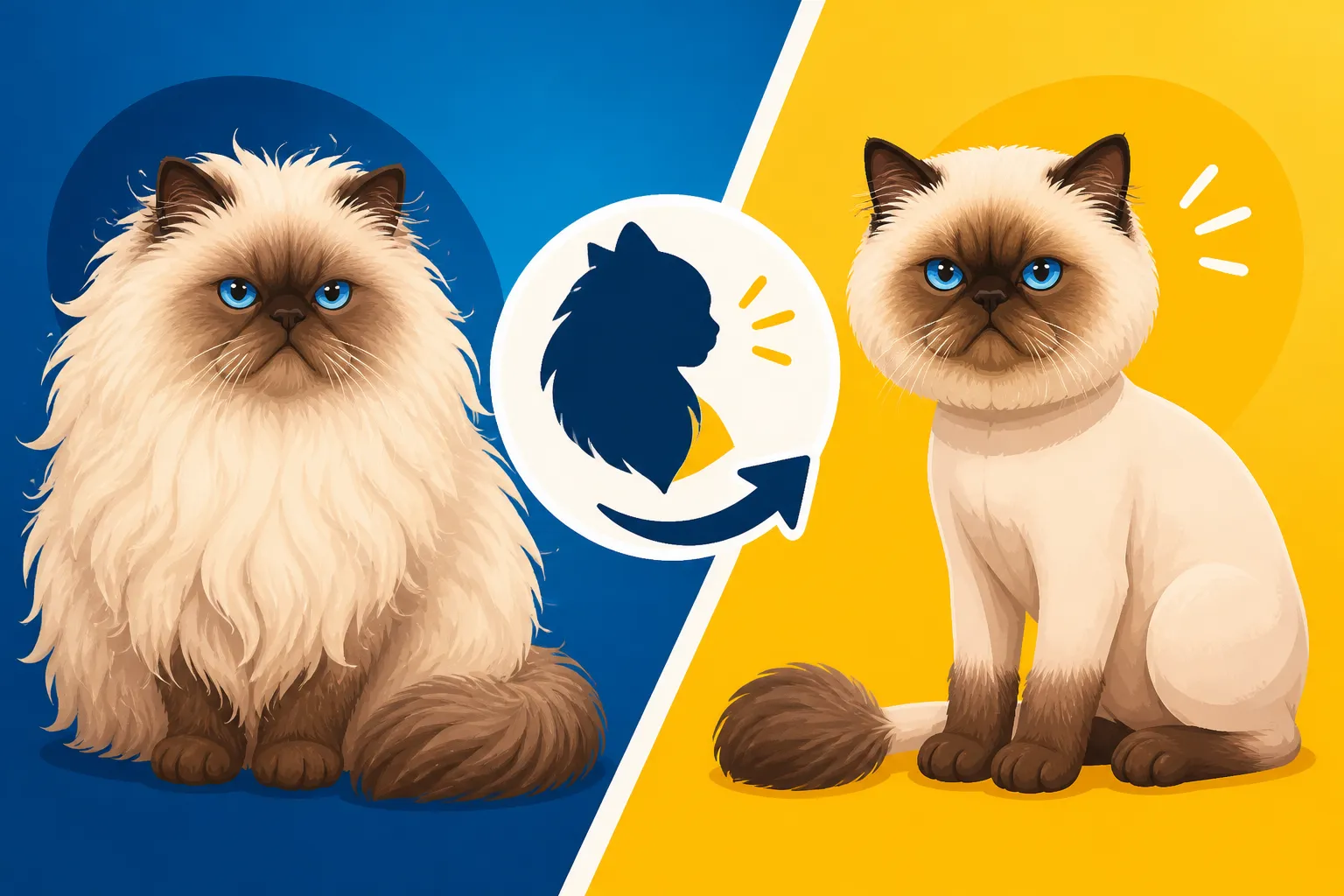
If sedation is recommended, the groomer will often perform the cut at a veterinary clinic, or you might need to schedule it with your vet's in-house grooming services. The actual cut involves using electric clippers to shave the fur down to a very short length, leaving a "mane" around the head and sometimes a "puff" at the end of the tail and on the feet, mimicking a lion's appearance. The groomer must be extremely careful to avoid "clipper burn" or accidentally cutting the skin, especially where mats are tight against the body.
Post-Cut Care and What to Expect
Once your Himalayan has had their lion cut, there are a few things to keep in mind. Their skin will be much more exposed, so it's essential to protect them from sunburn if they spend any time near sunny windows (though outdoor access should always be severely limited for a Himalayan). They might also feel a bit cooler, so ensure they have access to warm, cozy spots, especially if it's not summer.
Behaviorally, some cats might act a little differently at first – they might seem embarrassed, or even feel a bit "naked." This usually passes quickly as they adjust to their new lightweight feel. You'll also notice the incredible ease of maintaining their coat. While daily combing won't be necessary for the shaved areas, you'll still need to gently comb the mane and any remaining "points" to prevent tangles. Expect the fur to start regrowing fairly quickly, but the texture and color might initially be different. How Long a Himalayan's Lion Cut Takes to Grow Out will vary by cat, but it's generally a few months before you see significant length again.
Weighing the Pros and Cons
Like any significant decision regarding your pet's care, there are definite upsides and potential downsides to consider before committing to a lion cut for your Himalayan.
The Immediate Benefits and Relief
The relief, both for your Himalayan and for you, can be almost instantaneous. For your cat, the removal of heavy, painful mats is a game-changer. They'll feel lighter, cooler, and more comfortable. Many owners report seeing a renewed energy in their cats post-cut – they might play more, move with greater ease, and seem generally happier. The burden of constant pulling on their skin is gone, allowing any irritated areas to heal.
For you, the owner, the primary benefit is the drastic reduction in grooming time and stress. No more wrestling with a disgruntled cat, no more guilt over missed brushing sessions. Keeping them clean becomes much simpler, especially around the sanitary areas. This can truly transform the relationship, allowing more quality snuggle time and less comb-induced arguments. For instance, if you're cleaning up after a litter box accident, it's far easier to wipe a short-haired area than to try and detangle soiled long fur.
The Potential Downsides and Owner Adjustments
While the benefits are significant, it's important to be aware of the potential downsides. Firstly, the aesthetic change can be quite dramatic. Your majestic floof will look very different, and not every owner loves the "lion" look. Some cats also develop slight behavioral changes, such as feeling colder or being more hesitant to interact initially.
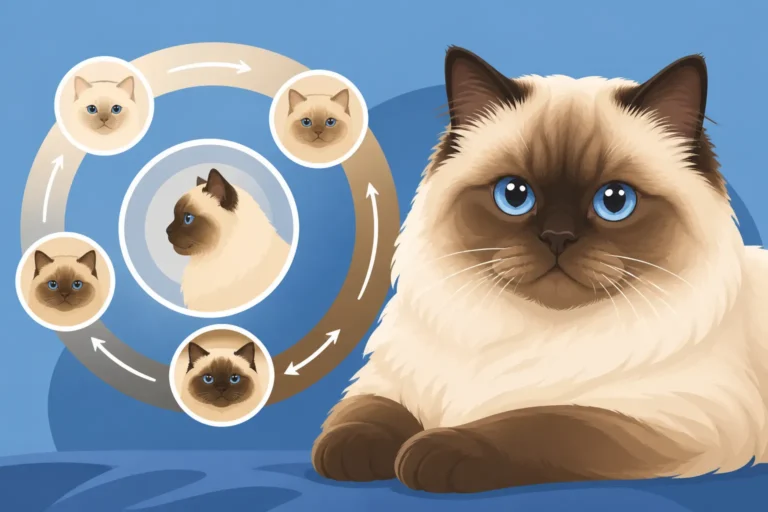
More importantly, the regrowth can sometimes be an issue. Why a Lion Cut Grows Back Darker on a Himalayan is a fascinating phenomenon due to their temperature-sensitive point gene. The shaved areas, being cooler, can sometimes grow back darker than their original body color. While this is usually temporary and eventually blends back, it can be a surprise for owners. Also, the texture of the new coat might be different, sometimes growing back coarser before softening again. You'll need to stay vigilant with grooming even after the cut, ensuring the shorter hair doesn't mat as it grows out, especially in areas that weren't fully shaved.
Making the Best Decision for Your Himalayan
Ultimately, the decision to give your Himalayan a lion cut is a deeply personal one, guided by their individual needs and your specific circumstances. It's not a choice to be made lightly, but neither should it be dismissed out of hand. If your cat is consistently struggling with matting, experiencing heat stress, or suffering from mobility issues that impede self-grooming, a lion cut is a valid and compassionate option.
Always consult with your veterinarian before making this decision, especially if you're considering sedation. They can offer insights into your cat's health and advise on the safest approach. Remember, a lion cut is about prioritizing your Himalayan's comfort and health above all else. It's a way to give them a fresh start, alleviate pain, and ensure they can live their fullest, happiest life possible, even if it means a temporary change in their signature look. It's an investment in their well-being, both in immediate relief and in potentially reducing future vet bills associated with severe matting or skin issues.
| Aspect | Pros of a Lion Cut | Cons of a Lion Cut |
|---|---|---|
| Cat's Comfort | Eliminates painful mats, reduces heat stress, improves mobility for elderly cats. | Temporary cold sensitivity, initial adjustment period. |
| Hygiene | Significantly reduces fecal matting, food debris on ruff, easier to keep clean. | Skin more exposed to elements. |
| Grooming Time | Drastically cuts down daily grooming effort for owner. | Still requires maintenance for mane/paws; new growth can mat. |
| Health Benefits | Allows skin to breathe, helps identify skin issues, prevents infections. | Potential for clipper burn if not done by experienced groomer. |
| Aesthetics | Can be a cute, unique look. | Alters the traditional long-haired Himalayan appearance. |
| Cost | Saves on potential vet bills for severe matting or infections. | Initial grooming cost (often higher for matted cats). |
| Coat Regrowth | Starts fresh, often with softer new fur. | Regrowth might be darker or have different texture initially. |
Disclaimer
This article is for general informational purposes only and does not constitute professional advice. Laws, prices and regulations vary by location and change over time. Consult a qualified professional for guidance on your specific situation.