Whether a Himalayan’s Flat Face Reaches a Fountain
One of the most common worries for Himalayan cat owners, especially those with particularly flat-faced darlings, is ensuring they drink enough water. It’s a genuine concern, seeing their adorable, squished faces and wondering how on earth they’ll manage to lap up water from a regular bowl, let alone a fancy fountain. Many of us have invested in beautiful, expensive pet fountains only to watch our beloved Himmy stare at it with confusion, or worse, make a valiant but messy attempt that leaves them more frustrated than hydrated. This guide is here to walk you through how a Himalayan's unique facial structure affects their drinking habits and, more importantly, how to find or adapt a water fountain so your flat-faced feline friend can stay well-hydrated and happy.
The Unique Challenges of a Himalayan's Flat Face
Let's be honest, those adorable flat faces are a big part of why we love Himalayans so much. But that distinctive brachycephalic (short-nosed) anatomy, while endearing, comes with some very real practical considerations, especially when it comes to something as fundamental as drinking water. It’s not just about aesthetics; it's about how their entire facial structure interacts with their environment.
Understanding Brachycephalic Anatomy and Drinking
The Himalayan's shortened muzzle means their mouth isn't structured like a typical cat's. Their jaw is often a bit crowded, and their upper lip can sit differently, which makes a big difference when trying to scoop water. Think about trying to drink from a glass with your nose pressed right against the rim – that's somewhat akin to what a flat-faced cat experiences with a deep or narrow bowl. They can't easily get their tongue into the water without their sensitive whiskers bending uncomfortably or their face getting completely submerged. This can lead to them only taking small sips, or avoiding the water altogether because it’s simply too awkward and uncomfortable.
It's a common frustration to see your cat approach the water, dip their chin, and then back away, leaving a wet spot but not having drunk much. You might wonder, "Why does my Himalayan struggle with water so much?" It's often this physical challenge, not a lack of thirst. This unique facial structure also impacts How a Shortened Jaw Crowds a Himalayan's Teeth, which can sometimes make certain drinking angles uncomfortable.
The Whisker Factor
A cat's whiskers aren't just for show; they're incredibly sensitive sensory organs. They use them to navigate, gauge distances, and understand their surroundings. When a cat drinks from a bowl, their whiskers naturally extend to the sides. If the bowl is too narrow or too deep, these whiskers can brush against the sides, causing what's known as "whisker fatigue." It's like us constantly having something tickling our face – it's annoying and can deter us from an activity.
For a Himalayan, whose face is already broader relative to its muzzle length compared to other cats, a standard bowl or many traditional fountain designs can be a whisker nightmare. They simply can't get their face into the water without those sensitive whiskers being pushed back uncomfortably. This discomfort can make drinking an unpleasant experience, leading to reduced water intake, which is the last thing we want, especially for a breed that needs to stay well-hydrated to help prevent certain health issues.
Breathing and Overheating Concerns During Drinking
The brachycephalic structure isn't just about the external face; it affects the entire respiratory system. Himalayans often have narrower nostrils and sometimes an elongated soft palate, which can make breathing more labored, especially during exertion or when stressed. When a flat-faced cat tries to drink, they might need to push their face further into the water, potentially obstructing their already compromised airways. This can lead to snorting, heavy breathing, or even mild panic if they feel they can't get enough air.
Imagine trying to sip water while holding your breath, or with something pressing against your nose. It's not ideal. This is why you might notice your Himalayan getting a bit huffy or even panting if they're struggling at the water bowl. Why a Himalayan Snores Louder Than Its Siamese Ancestors or When a Himalayan's Open Mouth Breathing Needs a Vet are topics that directly relate to their respiratory challenges, and these issues can unfortunately be exacerbated if they have to strain to drink. During warmer weather, this becomes an even bigger concern, as proper hydration is crucial for How to Cool a Long Coated Himalayan in Summer.
Traditional Water Bowls vs. Fountains for Himalayans
For years, we've relied on simple water bowls for our feline companions. But with a breed as unique as the Himalayan, what works for a standard domestic shorthair might not cut it. And then came the rise of the pet water fountain, promising fresh, flowing water – but is it a blessing or a bust for our flat-faced friends?
Why Standard Bowls Can Be Problematic
Traditional water bowls come in all shapes and sizes, but many of them present inherent problems for Himalayans. A deep ceramic bowl, while stable and aesthetically pleasing, often forces a Himalayan to dip their entire chin into the water, squishing their face and whiskers. This can lead to a messy beard, wet ruff, and a cat who’d rather wait until they're parched than deal with the discomfort. Metal bowls, while hygienic, are often equally deep and can reflect light in a way that might deter some sensitive cats. Plastic bowls, though common and inexpensive, can retain odors and, if not cleaned diligently, can harbor bacteria that further discourages drinking.
The common denominator here is often depth and narrowness. What your Siamese might find perfectly acceptable, your Himalayan views as an insurmountable obstacle course for their delicate whiskers and breathing. This often leaves owners frustrated, wondering why their cat won't drink, even when they've tried everything.
The Appeal of Water Fountains for Cats
On the flip side, water fountains offer some compelling benefits for cats in general. Many cats are naturally drawn to running water. In the wild, running water is often fresher and safer than stagnant puddles, so this instinct to prefer movement is deeply ingrained. Fountains continuously filter the water, removing impurities and keeping it aerated, which can make it taste better. This increased appeal often encourages cats to drink more, which is vital for kidney health and overall well-being.
For us humans, the thought of a fountain providing fresh, circulating water seems like a no-brainer for cat hydration. It's a modern solution to an age-old problem. But for a Himalayan, the design of that fountain becomes paramount, and not all fountains are created equal when it comes to accommodating their special needs.
Initial Challenges with Fountains for Flat-Faced Breeds
The sad truth is, many water fountains on the market are designed with a "one size fits all" mentality, which simply doesn't work for our flat-faced Himalayans. Fountains often feature spouts that create a stream or cascade, or deep reservoirs that collect the water. For a Himalayan, a strong stream can be startling or difficult to drink from without getting water up their nose. Deep basins, as with traditional bowls, bring back the whisker fatigue and face-squishing issues.
I've heard countless stories from owners who've bought beautiful, multi-tiered fountains only to find their Himmy completely ignores it, or tries to drink from the very edges of the collection tray, making a huge mess. It's disheartening when you've invested in something you believe will help, only to find it's just another obstacle. This is where understanding specific fountain designs that cater to the unique anatomy of a Himalayan becomes crucial.
Choosing the Right Water Fountain for Your Himalayan
So, you're convinced a fountain might be the way to go, but you've learned that not just any fountain will work. Finding the perfect hydration station for your flat-faced friend involves looking beyond the fancy features and focusing on specific design elements that cater to their unique needs. It’s all about creating an accessible and comfortable drinking experience.
Key Features to Look For
When you're out there hunting for the ideal fountain for your Himalayan, keep these critical features in mind:
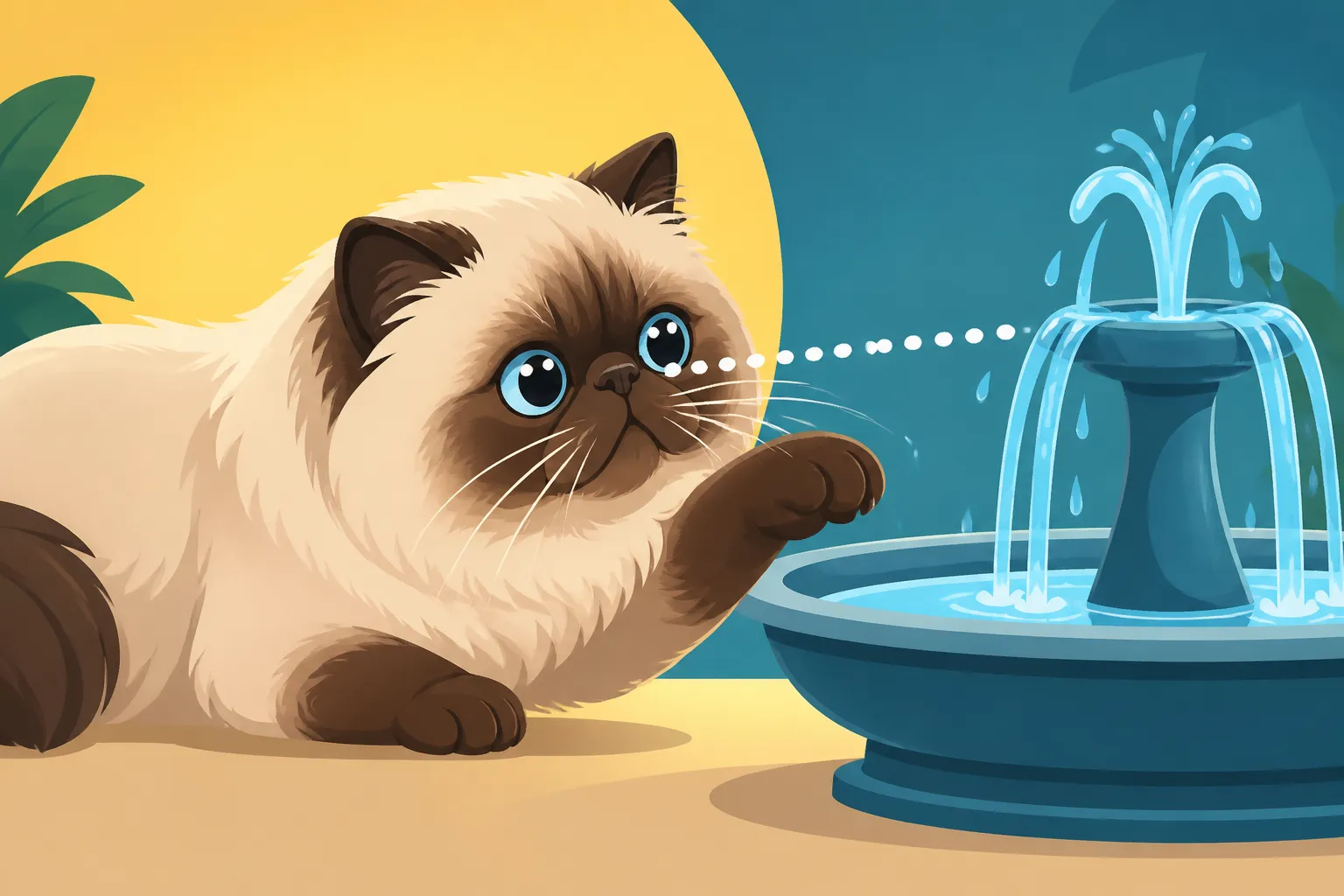
- Wide, Shallow Drinking Surface: This is arguably the most important factor. Instead of a deep well or a narrow stream, look for fountains that offer a broad, open, and shallow area where water collects. Think of a wide, shallow puddle or a saucer. This allows your Himalayan to approach the water without their whiskers bumping against the sides or their entire face getting submerged. They can comfortably lap from the surface without strain. Some fountains have a wide, flat 'plateau' where the water bubbles up and then gently overflows, providing an ideal drinking spot.
- Low Height and Easy Access: A fountain that's too tall will require your cat to crane their neck uncomfortably. Ideally, the drinking surface should be close to the floor or at a height that allows your cat to stand naturally and simply dip their head. Ramps or multi-level designs can be helpful, but often, a single-level, low-profile fountain is best.
- Gentle Water Flow Options: Some fountains offer adjustable flow rates. A strong, gushing stream can be intimidating or difficult for a flat-faced cat to drink from. Look for fountains with a gentle bubble-up action, a very soft cascade, or a calmer, wider flow. The goal is to entice them with movement without overwhelming them.
- Quiet Operation: While not strictly related to the flat face, a noisy pump can deter any cat, especially those who are sensitive to new sounds. A quiet motor is always a plus.
Material Considerations for Easy Cleaning and Health
The material of the fountain also plays a significant role in both hygiene and appeal.
- Stainless Steel: This is often considered the gold standard. Stainless steel is incredibly durable, non-porous (which means it won't harbor bacteria as easily as some plastics), and very easy to clean. It also doesn't retain odors or flavors, ensuring the water always tastes fresh. Many cats, including Himalayans, seem to prefer stainless steel. You can find excellent stainless steel options on sites like Chewy or Amazon.
- Ceramic: Another excellent choice. Ceramic fountains are heavy and stable, preventing accidental tipping. Like stainless steel, ceramic is non-porous and easy to keep clean, and it looks lovely in most homes. However, ceramic can be more fragile and prone to chipping if dropped.
- BPA-Free Plastic: While more affordable and lightweight, plastic can be more problematic. It's more prone to scratching, which can create tiny crevices where bacteria can grow, leading to "cat acne" or just general hygiene issues. If you do choose plastic, ensure it's high-quality, BPA-free, and commit to extremely frequent and thorough cleaning. Personally, I always lean towards stainless steel or ceramic for my Himalayans.
Specific Design Recommendations and Brand Mentions
When you're browsing, look for designs that prioritize a wide, shallow collection pool rather than a tall, narrow spout.
Fountains that create a gentle "bubble-up" effect, where water slowly wells up and then overflows onto a wide, flat surface, are often ideal. These types eliminate the need for your Himalayan to dip their face deeply or deal with a direct stream. Many pet supply stores, including large retailers like Chewy and Amazon, carry various brands. For example, some models on Amazon might offer a large, open drinking area with a very subtle, almost ripple-like flow rather than a direct stream. Brands like PetSafe (look for their "Drinkwell 360" or "Pagoda" models, but prioritize the ones with wide collection bowls or plateaus) or Catit (some of their flower fountains, when used without the flower attachment, create a more gentle bubbling surface) can sometimes be adapted.
Another good option might be a shallow “saucer-style” fountain. These are low to the ground and have a very wide, shallow dish where the water gently circulates. Think less “waterfall” and more “bubbling pond.” Always read reviews from other flat-faced cat owners if possible, as their real-world experience is invaluable.
| Fountain Type | Pros for Himalayans | Cons for Himalayans | Recommended Feature |
|---|---|---|---|
| Bubble-Up/Dome | Wide, shallow drinking surface; gentle water flow. | Can collect hair if not cleaned often. | Very low profile, wide top |
| Cascade/Waterfall | Moving water is enticing; good aeration. | Streams can be too strong; deep reservoirs can cause whisker fatigue. | Adjustable, gentle flow |
| Saucer/Plateau | Excellent wide, shallow access; minimal whisker contact. | Water can splash out if cat plays with it; less visual flow. | Extra-wide top surface |
| Multi-Tiered | Offers different heights; visually appealing. | Upper tiers often too high; lower tiers might be too deep/narrow. | Wide, accessible lowest tier |
Tips for Encouraging Your Himalayan to Drink from a Fountain
Getting a Himalayan to drink from a new fountain isn't always as simple as plugging it in. Cats are creatures of habit and can be wary of new things, especially if they've had previous uncomfortable experiences with water bowls or fountains. Patience and positive reinforcement are your best friends here.
Gradual Introduction and Positive Reinforcement
Don't just swap out their old water bowl for the new fountain and expect them to embrace it immediately. That's a recipe for confusion and refusal. Instead, start by placing the new fountain next to their current, familiar water bowl. Let them investigate it at their own pace. The sound of the pump, the sight of moving water – it can all be a bit strange at first. Keep their old bowl available for at least a few days, or even a week, to ensure they always have access to water they're comfortable with.
Once they start showing interest, even just sniffing it, offer gentle praise or a small, irresistible treat. You can try dipping your clean finger in the fountain water and letting them lick it off, associating the fountain with a pleasant experience. Never force them; a negative experience now can set back your progress significantly. Remember, What a Himalayan Will Take to Sit Through a Comb often involves food, and the same can be true for new habits!
Placement and Accessibility
Where you put the fountain matters a great deal. Cats generally prefer to drink away from their food, as in the wild, prey animals can contaminate water sources. So, don't place it right next to their kibble. Choose a quiet, low-traffic area where your Himalayan feels safe and secure. It should be easily accessible, without requiring them to jump or navigate obstacles.
Consider putting it in a spot where they naturally relax, perhaps near their favorite sleeping spot or in a corner of the living room. If you have a larger home, or multiple cats, consider having more than one water source, including the fountain, in different locations. This ensures they always have an option and never have to go far for a drink. Placement can also impact Why a Himalayan Moves Rooms as the Sun Does, as they often seek out the coolest spot.
Maintaining the Fountain for Optimal Use
Even the best-designed fountain won't work if it's not properly maintained. Regular cleaning is crucial, especially for a Himalayan whose facial structure might mean their fur comes into closer contact with the water.
- Daily Rinsing and Topping Up: At the very least, rinse out the shallow drinking surface daily and top up the water. This prevents dust, loose fur (and with that beautiful Persian coat, there's always loose fur!), and any food debris from accumulating.
- Weekly Deep Clean: Once a week, fully disassemble the fountain and clean all its parts – the basin, the pump, the filter housing – with warm, soapy water. Use a small brush (often included with fountains or available on Amazon) to get into all the nooks and crannies of the pump. Rinse thoroughly to remove all soap residue. This is vital to prevent bacterial buildup and maintain water freshness.
- Filter Changes: Follow the manufacturer's recommendations for filter replacement. Filters trap debris and keep the water tasting fresh. A clogged or old filter won't do its job, and the water quality will decline, potentially deterring your cat from drinking. Many pet supply stores, like Chewy, offer subscription services for replacement filters, making it easy to stay on schedule.
- Monitor Water Level: Always ensure there's enough water in the fountain. If the water level drops too low, the pump can run dry and be damaged, and it can also become louder, which might scare your cat away.
By combining the right fountain with a thoughtful introduction and diligent maintenance, you can transform your Himalayan's drinking experience and ensure they stay wonderfully hydrated.
Disclaimer
This article is for general informational purposes only and does not constitute professional advice. Laws, prices and regulations vary by location and change over time. Consult a qualified professional for guidance on your specific situation.