What a Himalayan Will Take to Sit Through a Comb
Anyone who shares their home with a gorgeous Himalayan knows that their stunning coat is both a blessing and, at times, a formidable challenge. That beautiful, flowing fur isn't just for looks; it requires consistent, patient care. But getting your sweet, fluffy companion to sit still for the daily comb can feel like trying to herd a cloud – especially if they decide they're not in the mood. It's truly frustrating when you know grooming is essential for their health and comfort, yet your cat acts like the comb is the ultimate villain. This guide is all about delving into what exactly a Himalayan cat will tolerate during a grooming session, exploring the best ways to make it a less stressful experience for both of you, and turning that dreaded daily routine into a calmer, more positive interaction.
Understanding the Himalayan's Unique Grooming Needs
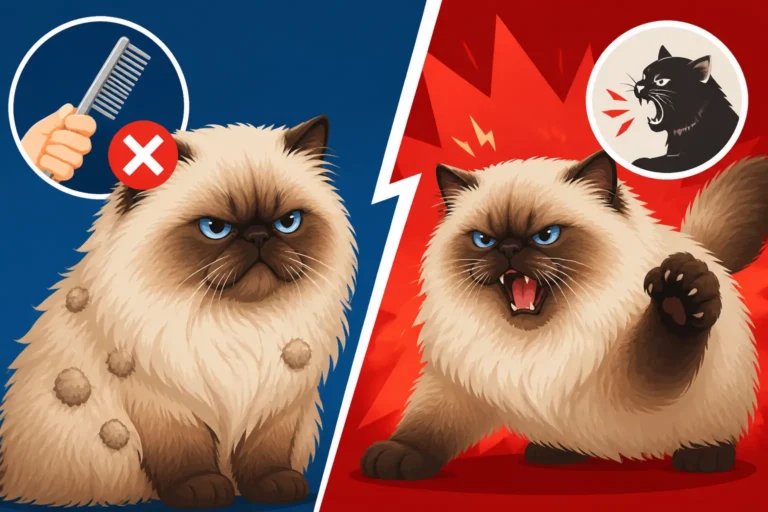
Let's be honest, the Himalayan cat's coat is a marvel, a true legacy from their Persian ancestors. It's long, dense, and absolutely luxurious, but that beauty comes with a non-negotiable price: daily grooming. Without it, the fine, thick undercoat quickly intertwines with the longer guard hairs, forming mats that can become painful, tight, and even lead to serious skin issues.
Imagine wearing a sweater that's slowly tightening and pulling at your skin with every movement – that's what a mat feels like to your Himalayan. These mats can restrict blood flow, hide skin infections, and make your cat incredibly uncomfortable. Because of their unique flat-faced structure, Himalayans simply can't reach all the spots they need to groom themselves effectively, particularly their lower back, britches, and underarms. This is why you, their devoted human, become their primary groomer. It's a vital role, and one that requires understanding, patience, and the right approach. When we talk about Why a Missed Day Costs a Himalayan a Mat, it's not an exaggeration; even one skipped session can lead to tangles that escalate quickly.
Furthermore, the areas where their points (coloration) are darkest, like the tail and legs, often have slightly coarser fur that can be more prone to tangles. The dense ruff around their neck, while magnificent, is also a prime spot for mats to form, especially if they enjoy rubbing their face on furniture or sleeping curled up tightly. Ensuring their comfort means staying ahead of these issues with a consistent routine. It's also worth noting that their beautiful coat can hide problems, so understanding Why a Himalayan's Coat Hides a Wound for Days is crucial for vigilant owners.
Creating a Calm and Consistent Grooming Environment
Making grooming a tolerable, or even enjoyable, experience for your Himalayan starts long before the comb even touches their fur. It's all about setting the stage, creating a routine, and using the right tools. Think of it as building a trust-based ritual, not just a chore.
Choosing the Right Time and Place
Consistency is key when it comes to grooming your Himalayan. Cats thrive on routine, and knowing what to expect can significantly reduce their anxiety. Try to pick a time of day when your cat is naturally relaxed – perhaps after a good nap, or just before a meal when they might be more amenable to a short session in anticipation of food. Avoid times when they're playful and energetic, or when the house is bustling with noise and activity. A quiet, familiar spot is always best. This might be a specific chair, a grooming table, or even a section of the sofa that's comfortable for both of you. Many owners find that elevating the cat slightly, like on a low table, can give them better control and make the cat feel more secure, provided the surface is non-slip.
A dedicated grooming spot signals to your cat that it's "grooming time" and helps them mentally prepare. Over time, they'll associate this spot with the routine and the positive reinforcement that follows. Remember, for a Himalayan, even small changes can be unsettling, so maintaining a consistent schedule and location helps immensely. How Often a Himalayan Must Be Combed isn't just a recommendation; it's a necessity for their well-being, and integrating it into their daily rhythm makes it feel less like an intrusion.
Essential Grooming Tools for Himalayans
Having the right tools is paramount for efficient and comfortable grooming. Skimping here will only make the experience more painful for your cat and more frustrating for you. A high-quality steel comb is non-negotiable. Look for one with both wide and fine teeth. The wide teeth are perfect for tackling tangles and working through the bulk of the coat, while the finer teeth can be used for more delicate areas like the ruff and britches. Avoid cheap plastic combs that can generate static, pull hair, and break easily.
Many owners find excellent, durable steel combs on Amazon, often specifically marketed for long-haired breeds like Persians and Himalayans. A slicker brush can also be useful for fluffing the coat and removing loose surface hair, but it's important to understand that a slicker brush alone will not penetrate the dense undercoat deeply enough to prevent mats. It should always be used in conjunction with a steel comb. For areas prone to matting, like the armpits and behind the ears, a mat splitter or a small pair of blunt-tipped scissors can be handy for carefully dissecting or cutting out small mats – but extreme caution is advised to avoid nicking the skin. If a mat is too tight or close to the skin, it's always safer to consult a professional groomer or veterinarian. You can find a good selection of these specialized tools on Amazon as well. Knowing Which Steel Comb a Himalayan's Coat Needs can make all the difference in preventing discomfort during grooming.
The Art of Persuasion: Positive Reinforcement and Rewards
When it comes to getting a Himalayan to sit through a comb, it’s less about force and more about negotiation. These cats respond incredibly well to positive reinforcement, and a well-timed reward can turn a reluctant participant into a willing collaborator. Think of it as paying them for their cooperation!
High-Value Treats and Affection
The quickest way to a cat's heart (and cooperation) is often through their stomach. Identify what your Himalayan considers a "high-value" treat – something they absolutely adore and don't get often. This could be a tiny piece of cooked chicken, a lickable salmon or tuna paste (many popular brands are readily available on Amazon), or a small amount of their favorite wet food. Offer these treats during the grooming session, specifically after a few successful strokes of the comb, or when they remain calm for a moment. This creates a strong positive association: "Comb comes out, I get yummy treats!"
Beyond food, genuine affection and praise go a long way. Use a calm, soothing voice throughout the session, murmuring encouragement and gentle praise like "Good kitty" or "Such a brave boy/girl." Follow up a short, successful grooming segment with gentle petting in their favorite spots (perhaps a head scratch or a cheek rub, avoiding areas you've just combed that might be sensitive). The goal is to make them feel loved and rewarded for their patience. Remember, Which Treats a Himalayan Will Come Off the Sofa For are exactly the ones you want to use for grooming!
Short, Frequent Sessions
It's far better to have several very short, positive grooming sessions than one long, stressful one. For a Himalayan, a session of even just two to five minutes can be incredibly effective if done consistently every day. Focus on one small section of their body at a time – perhaps their back one day, their sides the next, and their britches the day after. This prevents them from becoming overwhelmed and ensures they don't develop a negative association with the entire process.
Always try to end the session on a good note, even if it means stopping after only a few successful strokes. This leaves them with a positive memory and makes them more likely to cooperate next time. Over time, as their tolerance builds, you can gradually increase the duration of each session. The crucial thing is consistency, so that How Many Minutes a Day a Persian Coat Takes on a Himalayan feels manageable for both of you. It's a marathon, not a sprint, and patience will pay off in a beautifully groomed, happy cat. Many owners find that if they start early, teaching a kitten to accept the comb, like in Teaching a Himalayan to Lie Still for Its Daily Comb, can make a huge difference throughout their life.
Addressing Resistance: When Your Himalayan Says No
Even with the best intentions and a consistent routine, there will be days when your Himalayan simply isn't having it. Recognizing their cues and knowing how to respond is crucial to maintaining trust and preventing the grooming experience from becoming a dreaded battle.
Reading Your Cat's Body Language
Himalayans, like most cats, are masters of subtle communication. Pay close attention to their body language to gauge their tolerance levels. Early signs of discomfort or displeasure include:
- Tail lashing: A clear sign of agitation.
- Flattened ears: Indicates anxiety or defensiveness.
- Tensing muscles: They might stiffen up, ready to bolt.
- Growling or hissing: A more overt warning to back off.
- Swatting or biting: A definitive "no."
If you notice any of these signs, it's time to ease up. Pushing through severe resistance can not only injure you but also deeply erode your cat's trust, making future grooming sessions even harder. Forcing them can lead to them hiding or becoming aggressive whenever the comb appears. Understanding What a Himalayan Does When It Is Unsettled can help you recognize these signals more quickly.
Taking Breaks and Knowing When to Stop
When your Himalayan expresses clear displeasure, the best course of action is often to take a break. Gently stop the grooming, calmly put the comb away, and step back. Don't scold them; simply disengage. You can try again later, perhaps a few hours later, or even the next day. The key is to avoid making grooming a punishment. By respecting their boundaries, you teach them that their protests are heard, and that they can trust you not to push them too far.
If mats are severe and your cat is highly resistant, or if you're feeling overwhelmed, it's perfectly acceptable, and often advisable, to seek professional help. A skilled groomer has techniques and tools to handle difficult coats and can often get through a matted mess much more efficiently and safely than an owner struggling at home. In extreme cases, a veterinarian might even recommend sedation for a full shave-down to remove painful mats. This is not uncommon for Himalayans, as detailed in Why a Himalayan That Fights Grooming Ends Up Sedated.
Sometimes, the resistance isn't just about the comb; it might be related to other aspects of their daily care. For example, their flat face means they often have watery eyes that require daily wiping. Getting them used to this, as discussed in Why a Himalayan's Face Must Be Wiped Every Day, is another routine that benefits from the same positive reinforcement and patience. Products like gentle, cat-safe calming diffusers or sprays, available on Amazon, can sometimes help reduce general anxiety, making them more amenable to handling, though these should always be used as an aid, not a solution to strong resistance.
This combination of understanding, patience, and positive reinforcement will help you and your Himalayan establish a grooming routine that’s not just tolerable, but a cherished part of your daily bond.
| Grooming Challenge | Himalayan Response | Solution Strategy | Potential Tools/Aids (mention Amazon where applicable) |
|---|---|---|---|
| Mild Resistance (fidgeting, moving away) | Tail swishing, ears twitching | Shorten sessions, increase treat frequency, end on a positive note. | High-value treats (e.g., lickable purées from Amazon), calm verbal praise. |
| Moderate Resistance (growling, swatting) | Hissing, flattened ears, tense body | Immediately stop, give a break, try again later or focus on a different area. | Calming pheromone diffusers (available on Amazon), a quiet grooming space. |
| Severe Matting (painful, hard to comb) | Crying, biting, extreme distress | Do NOT force the comb. Seek professional groomer or vet for sedation/shave. | Professional grooming services, vet consultation for sedated grooming. |
| Daily Face Cleaning (tear stains) | Head pulling away, eye squinting | Gentle handling, specific wipes, positive association with treats. | Pet-safe eye wipes (many varieties on Amazon), soft damp cloth, treats immediately after. |
| Britches/Underarm Tangles | Discomfort when lifted/handled | Use fine-toothed comb, trim carefully if small, professional help for large mats. | Small, blunt-tipped grooming scissors (extreme caution), wide/fine-toothed steel comb from Amazon. Consider Why a Himalayan Needs Its Britches Trimmed regularly. |
Disclaimer
This article is for general informational purposes only and does not constitute professional advice. Laws, prices and regulations vary by location and change over time. Consult a qualified professional for guidance on your specific situation.