What a Himalayan Does When It Is Unsettled
Himalayan cats are creatures of comfort, truly. When their world feels off-kilter, even in subtle ways, they don't always scream it from the rooftops like some of their more vocal ancestors might. Instead, they often exhibit quiet, sometimes easily missed, changes in behavior that signal they're feeling unsettled. This guide will walk you through recognizing those delicate cues, understanding what might be causing them, and how you can bring peace back to your beloved furry companion.
Understanding the Himalayan's Baseline Temperament
Before we can identify when a Himalayan is unsettled, it's crucial to understand what a "settled" Himalayan looks like. These cats are generally known for their sweet, docile, and somewhat predictable nature. They thrive on routine and a calm environment, making them wonderful, laid-back companions for many.
The Importance of Routine
Think of your Himalayan as a tiny, furry clock. They track their days by the sunbeams hitting their favorite napping spot, the exact moment the food bowl magically appears, and the comforting rhythm of your evening cuddles. Any deviation from this carefully constructed schedule can throw them off. It's not just about food and water; it’s about the whole choreography of their day. If you're typically home by five and suddenly start arriving closer to seven, your Himalayan notices. They might sit by the door, waiting, or perhaps retreat to a quiet corner, trying to process why their world has shifted. This love for routine isn't a quirk; it's deeply ingrained in their comfort and security.
Their Preference for Calm and Predictability
Himalayans aren't usually the life of the party. Unlike some high-energy breeds that thrive on constant stimulation, a Himalayan cherishes tranquility. Loud noises, sudden movements, or a house full of boisterous guests can quickly become overwhelming for them. They prefer a quiet corner, a soft lap, and the gentle rhythm of a peaceful home. This isn't to say they don't enjoy interaction – quite the opposite! They love their human companions dearly, but they prefer these interactions to be calm, predictable, and on their own terms. When their environment becomes chaotic or unpredictable, it strips away their sense of safety and can leave them feeling very vulnerable.
Subtle Communication Cues
Because Himalayans aren't often boisterous, their communication is often more subtle than a Siamese's piercing yowl. They speak volumes through their body language, the slight twitch of an ear, the slow blink, or the precise placement of their tail. When they're content, you'll see them stretched out in a sunbeam, purring gently, or perhaps giving you a slow, deliberate head-butt. When they're unsettled, these cues will change. Their tail might be tucked, their ears flattened slightly, or their eyes might be wider than usual, indicating a heightened state of alertness. Learning to read these nuanced signals is key to understanding your Himalayan's emotional state, especially when they're not quite themselves. What a Himalayan Is Saying When It Chirps is just one example of their unique vocalizations.
Common Signs a Himalayan is Feeling Unsettled
When a Himalayan's internal clock or sense of security is disrupted, they'll often express their discomfort through noticeable changes in their everyday habits. These signs can range from the obvious to the very subtle, and a keen eye is your best tool for early detection.
Changes in Eating and Drinking Habits
One of the first things many owners notice when their Himalayan is unsettled is a shift in their appetite or water intake. A cat who usually greets you enthusiastically at mealtime might suddenly pick at their food, or even refuse it entirely. Conversely, some stressed cats might actually eat more as a coping mechanism, though this is less common with Himalayans who are often already careful eaters. You might also notice them drinking less water, which can be concerning, especially given that many Himalayans carry the genetic predisposition for kidney issues from their Persian heritage. Why Extra Thirst in a Himalayan Points at Its Persian Half highlights the importance of monitoring water intake. Any significant change, whether it's a decrease or increase, warrants attention. If they're pushing food out of a round bowl or struggling to eat due to discomfort, it could indicate stress or a physical issue exacerbated by stress.
Alterations in Grooming Behavior
Himalayans, with their luxurious Persian coats, are meticulous groomers. This daily ritual isn't just about hygiene; it's a significant part of their self-soothing and stress relief. When they're feeling unsettled, you might see a few different scenarios unfold. Some Himalayans might suddenly stop grooming themselves, leading to a dull, unkempt coat and the rapid formation of mats, especially in their armpits, britches, and behind the ears. This can quickly escalate to painful skin irritation. On the other hand, some cats might over-groom, licking excessive patches of fur, sometimes to the point of creating bald spots or skin lesions. This obsessive grooming is often a sign of anxiety and can become a compulsive disorder if not addressed. Why a Himalayan Stops Grooming When It Is Unhappy delves deeper into this particular behavior.
Unusual Vocalizations or Silence
While Himalayans generally inherited a quieter version of the Siamese voice, they do have a range of vocalizations. When they're unsettled, these can change. You might notice your usually quiet cat starting to meow more frequently, perhaps with a different tone or intensity. It could be a low, mournful meow, or a more insistent chirp. They might pace while vocalizing, seeking your attention or expressing their distress. Conversely, a Himalayan that normally offers soft chirps or purrs might become unusually silent, withdrawing into themselves. This quietness, almost a lack of communication, can be just as telling as increased meowing. It suggests a cat that has become so overwhelmed they've shut down.
Hiding or Increased Clinginess
A stressed Himalayan will often seek refuge. This can manifest as increased hiding, retreating to less accessible spots like under beds, in closets, or inside carrier bags. They might ignore their usual cozy spots, preferring places that offer more concealment and a sense of security. This withdrawal is their way of escaping what feels overwhelming. On the flip side, some Himalayans might become unusually clingy. A cat that normally enjoys your presence but keeps a dignified distance might suddenly become a shadow, following you from room to room, seeking constant reassurance. They might demand more lap time, purring excessively, or even trying to burrow into your clothes. This clinginess is a plea for comfort and safety in a world that feels unstable. Why a Himalayan Sleeps on Your Chest can be a sign of contentment, but when it's an extreme shift from their normal behavior, it can also point to a need for reassurance.
| Behavior Change | Potential Interpretation | What to Observe |
|---|---|---|
| Appetite/Thirst Shift | Stress, anxiety, illness | How much they eat/drink, frequency, food preferences |
| Grooming Changes | Stress, pain, skin irritation | Matting, bald spots, over-grooming, dull coat |
| Vocalization Changes | Distress, attention-seeking, boredom | Frequency, pitch, volume, context of vocalization |
| Hiding/Clinginess | Fear, insecurity, seeking comfort | New hiding spots, following you, avoiding interaction |
| Litter Box Issues | Stress, urinary tract issues | Accidents outside the box, frequency of urination |
| Increased Sleep/Lethargy | Stress, illness, depression | Where they sleep, responsiveness, difficulty waking |
| Destructive Behavior | Boredom, anxiety, marking | Scratching furniture, chewing inappropriate items |
Everyday Triggers for Himalayan Stress
Understanding what makes your Himalayan unsettled is just as important as recognizing the signs. These cats are particularly sensitive to shifts in their environment and routine, making many common household changes significant stressors for them.
Changes in the Home Environment
Our homes are our cats' entire world, and even small changes can feel monumental to a Himalayan. Moving furniture around, bringing in new pieces, or even just redecorating a room can upset their established territorial map. They rely on familiar scents and visual cues, and when these are altered, it can create a sense of insecurity. Beyond furniture, the arrival of new people – whether temporary guests or a permanent resident like a new baby – can be incredibly jarring. A new pet, of course, introduces a whole new level of social dynamics and competition for resources, which can be highly stressful. Even subtle shifts, like a new air freshener scent or a different brand of laundry detergent, can be enough to make a sensitive Himalayan feel out of sorts. How Long a Himalayan Takes to Accept a Change is usually longer than you'd think.
Disruptions to Their Schedule
We touched on their love for routine, but it bears repeating: their schedule is their anchor. If their meal times suddenly shift, if their dedicated play session is skipped for several days, or if your own work schedule changes, leading to different interaction patterns, your Himalayan will feel it. They anticipate these moments with remarkable precision. Imagine if your favorite coffee shop suddenly started opening two hours later every day – it would throw off your morning, right? For a Himalayan, whose day is much more ritualized, these disruptions can cause genuine anxiety. They don't understand why things are different; they only experience the unsettling feeling of unpredictability.
Loud Noises and Commotion
Himalayans are often described as having a low tolerance for noise. Their calm demeanor and preference for quiet make them particularly sensitive to loud, sudden sounds. This could be anything from a dropped pan in the kitchen to a vacuum cleaner running, construction work next door, or even a particularly boisterous movie night. Parties, children's playdates, or even a sudden thunderstorm can send them scurrying for cover. Their sensitive hearing, coupled with their generally reserved nature, means that a chaotic or noisy environment can quickly overwhelm their senses and lead to significant stress. Where a Himalayan Goes When the House Gets Busy is usually to the quietest, darkest spot they can find.
Owner's Stress and Routine Shifts
It's easy to forget that our emotional states can profoundly impact our pets. Cats are incredibly attuned to our moods and behaviors. If you're feeling stressed, anxious, or particularly busy, your Himalayan will pick up on that energy. Your subtle shifts in tone of voice, body language, and the amount of attention you give can all signal to your cat that something is off. Furthermore, if your stress leads to disruptions in your routine – perhaps you're working later, traveling more, or just generally less present – it directly impacts their sense of stability. They rely on your consistency, and when that falters, their world feels less secure. Why a Himalayan Picks One Person to Follow means that person's stress can be particularly impactful.
Addressing and Alleviating Himalayan Unsettlement
Once you've identified that your Himalayan is feeling unsettled and have a good idea of what might be causing it, the next step is to gently guide them back to a state of calm. This often involves a combination of environmental adjustments, routine re-establishment, and plenty of patience and understanding.
Restoring Routine and Predictability
The quickest way to help an unsettled Himalayan is to bring back the comfort of routine. Try to resume their regular feeding schedule, playtimes, and interaction patterns as consistently as possible. If a permanent change has occurred, like a new work schedule, gradually introduce the new routine rather than an abrupt shift. For example, if meal times need to change, shift them by 15-minute increments each day until you reach the new time. Cats thrive on knowing what to expect, so even if the routine isn't exactly what it was before, a new, predictable one will eventually bring them comfort. This re-establishment of their daily rhythm gives them back a sense of control and security.
Creating Safe Havens and Retreats
A key strategy for any stressed cat, especially a Himalayan, is to ensure they have multiple safe places to retreat to. These aren't just any spots; they should be quiet, undisturbed, and ideally elevated or enclosed, giving your cat a feeling of security. Think about a tall cat tree with a cubby hole, a soft bed under a console table, or even just a cardboard box placed in a quiet corner. Make sure these spots are accessible and unthreatened by other pets or busy household traffic. You can enhance these havens with their favorite blanket or a piece of your worn clothing for a comforting scent. Consider adding a feline pheromone diffuser, like those available on Amazon, in these areas to further promote a sense of calm. Making One Room Comfortable for a Himalayan Left Alone can be a great starting point for a dedicated safe space.
Enrichment and Distraction
Sometimes, an unsettled Himalayan might also be a bored Himalayan, or simply needs a positive outlet for their anxious energy. Gentle, predictable play sessions can be incredibly beneficial. Focus on wand toys that mimic prey movement, allowing them to "hunt" and "catch" without overexerting their brachycephalic breathing. Keep play sessions short and frequent to avoid overheating. Puzzle feeders, which dispense treats as your cat interacts with them, can also provide mental stimulation and a positive distraction. Just be sure to choose puzzle feeders that accommodate a flat face, as many are designed for cats with longer muzzles. You can find a good selection of flat-face friendly puzzle feeders on Amazon. A consistent, positive interaction with you, even through short play, reaffirms your bond and their place in the household.
When to Seek Veterinary Advice
While many behavioral changes can be attributed to stress, it’s crucial to rule out underlying medical issues. Any significant change in eating, drinking, grooming, or litter box habits could signal a health problem. For example, an increase in urination could point to kidney issues, and a sudden refusal to eat could indicate dental pain. If your Himalayan shows signs of pain, lethargy, persistent vomiting, diarrhea, or if their behavioral changes are severe or prolonged despite your efforts to alleviate stress, it’s time for a vet visit. Mentioning all the behavioral changes to your vet will provide them with a fuller picture to diagnose or rule out medical conditions. It’s always better to be safe than sorry, especially with a breed that can be prone to certain health challenges. Which Blood Values a Himalayan's Kidney History Demands is a good example of how important regular vet check-ups are.
Long-Term Strategies for a Content Himalayan
Keeping your Himalayan content and settled over the long haul involves more than just crisis management. It's about establishing practices that honor their unique temperament and needs, fostering an environment where they consistently feel safe, loved, and understood.
Gradual Introduction of Changes
Since Himalayans are so sensitive to change, make it a habit to introduce any shifts in their environment or routine as gradually as possible. If you plan to move furniture, do it in stages over several days. If you're bringing home a new pet or a new person, ensure the introduction is slow, controlled, and allows your Himalayan plenty of time and space to adjust. Scent swapping, where you introduce the new scent on a blanket or toy before the actual introduction, can be very helpful. When adding new items like a cat tree or a new bed, place it in their space and allow them to explore it on their own terms, without forcing interaction. This thoughtful approach minimizes shock and gives them time to acclimate, dramatically reducing stress. How Often a Himalayan Notices Anything Has Changed is pretty much all the time, so slow and steady wins the race.
Consistent Grooming and Handling
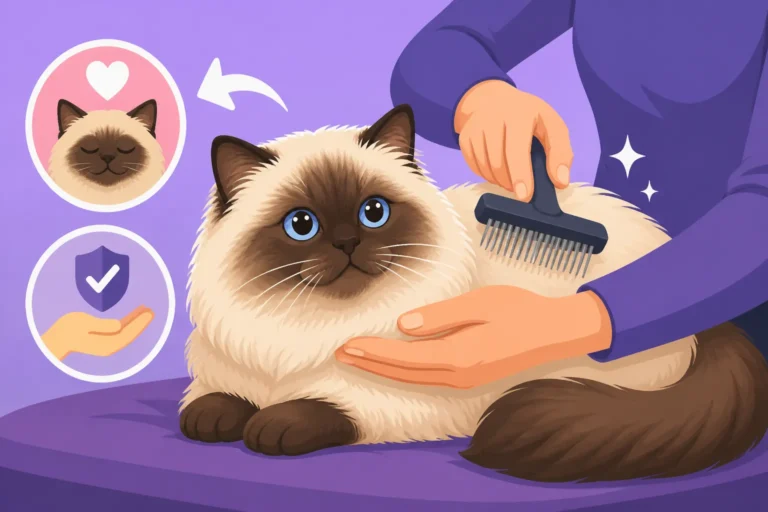
For a Himalayan, daily grooming is not just about keeping their glorious coat mat-free; it's also a bonding experience and a routine element that can be incredibly soothing. A consistent, gentle grooming session at the same time each day can become a comforting ritual. This regular handling also helps desensitize them to touch, making vet visits or nail trims less stressful. Start grooming from a young age, if possible, making it a positive experience with treats and praise. Pay special attention to their face, which often requires daily wiping to prevent tear stains and skin irritation. Using soft cotton pads and a gentle eye cleaner, also readily available on Amazon, can make this part of the routine easier. The Daily Comb a Himalayan Cannot Skip is paramount not just for their coat, but for their mental well-being too.
Observing Their Unique Habits
Every Himalayan is an individual, even within the breed's general traits. Spend time simply observing your cat. Learn their specific preferences for sleeping spots, their particular vocalizations, their favorite toys, and the subtle cues they give when they're happy versus when they're annoyed or anxious. For instance, some Himalayans might always prefer a sunny spot, while others seek out the coolest tile. Some might give a quiet "chirp" to ask for attention, while others prefer a gentle head-nuzzle. By tuning into these unique habits and quirks, you become a master interpreter of your cat's needs. This deep understanding allows you to anticipate potential stressors and intervene before your Himalayan becomes truly unsettled, ensuring a peaceful and harmonious life together. How Little a Himalayan Asks For in a Day is usually true, but those small asks are important.
Disclaimer
This article is for general informational purposes only and does not constitute professional advice. Laws, prices and regulations vary by location and change over time. Consult a qualified professional for guidance on your specific situation.