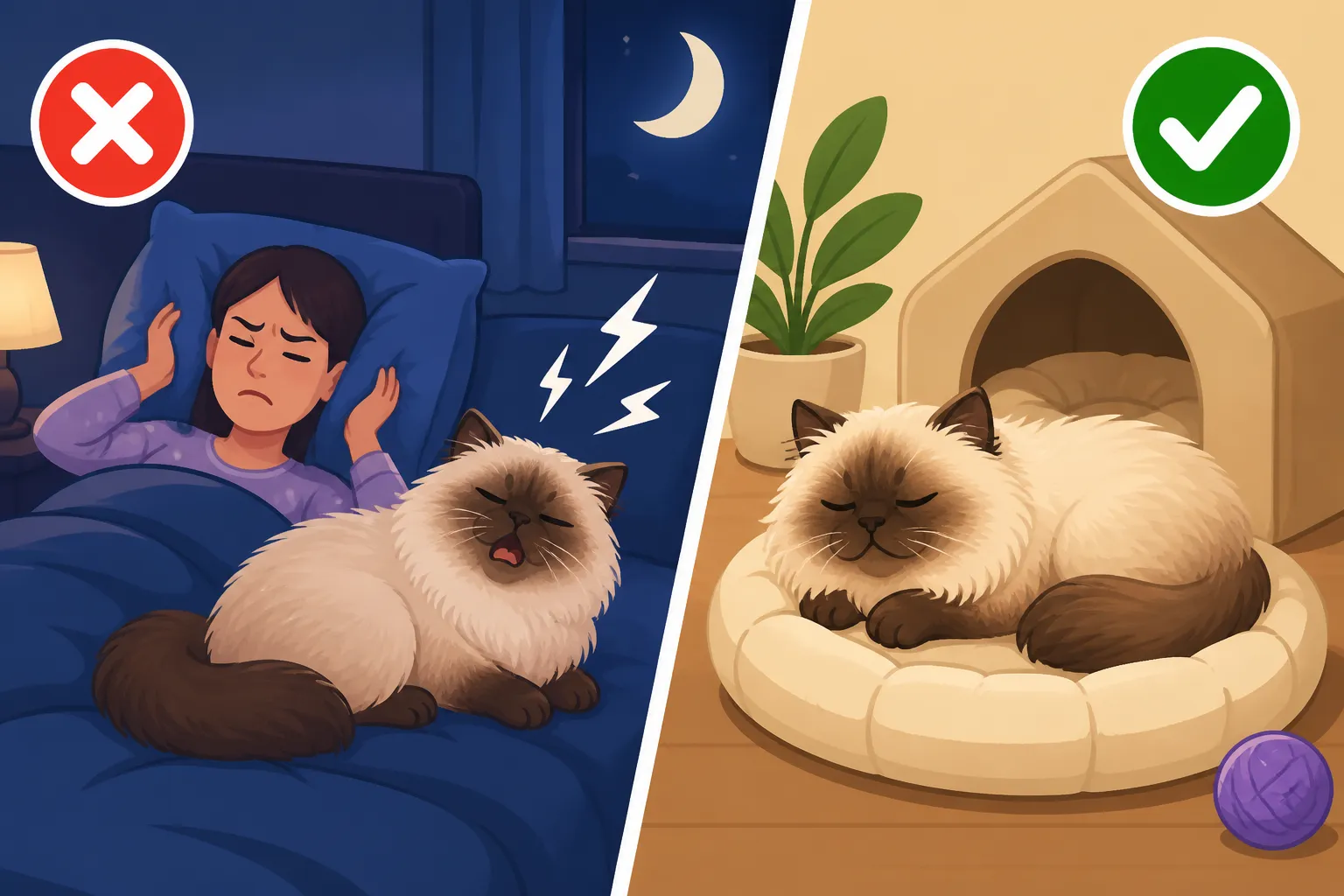
Whether a Snoring Himalayan Should Sleep in the Bedroom
Oh, the sweet serenade of a purring cat… that suddenly morphs into a full-blown freight train rumbling through your bedroom! Many of us Himalayan cat parents adore having our furry companions close, but let's be honest, their unique facial structure, while undeniably charming, often comes with a symphony of snores that can seriously challenge a good night's sleep. This guide is here to tackle that very real dilemma, exploring why your beloved Himalayan might be rattling the windows and how to manage their nocturnal noisiness so both of you can get some peaceful rest.
Understanding Why Himalayans Snore So Much
It's not just your imagination; Himalayans do tend to snore more than many other cat breeds. This isn't a flaw in their character, but rather a direct consequence of their distinctive physical traits. Understanding the anatomy behind their unique breathing can help us appreciate their challenges and why those rumbling noises are so common.
The Anatomy Behind the Himalayan's Snore
The Himalayan cat, with its delightful squishy face, inherited its brachycephalic (flat-faced) characteristics from its Persian ancestors. This means their skull structure is significantly shortened compared to other cat breeds. Think about it: all the same soft tissues, muscles, and bones that would typically fit into a longer muzzle are now compressed into a much smaller space. This compression is the primary culprit behind their noisy breathing.
Specifically, a Himalayan's shortened muzzle often leads to narrowed nostrils, known as stenotic nares, which immediately restrict the amount of air they can take in with each breath. Inside, their soft palate – the fleshy part at the back of the roof of their mouth – can be unusually long and thick. When they breathe, especially during sleep when muscles relax, this elongated soft palate can vibrate against other structures in their throat, creating that characteristic snorting, snuffling, and, yes, snoring sound. It's truly a marvel how much noise such a small, adorable creature can produce! This is precisely Why a Himalayan Snores Louder Than Its Siamese Ancestors, as the Siamese lineage typically has a much longer, more open airway.
When Snoring Moves Beyond "Cute" to Concerning
While a gentle purr-snore can be endearing, it’s crucial to recognize when your Himalayan's breathing might signal something more serious. Not all snoring is created equal. A soft, consistent rumble is generally benign, but if you notice changes in the quality or intensity of the sound, or if it's accompanied by other symptoms, it's time to pay closer attention.
Watch out for snoring that sounds strained, gurgly, or as if your cat is truly struggling to pull air in. This isn't just a quirky sleep habit; it could indicate significant airway obstruction. Other red flags include open-mouth breathing, especially when at rest or not actively playing, persistent panting after minimal exertion, or any blueish tinge to their gums, which would suggest a lack of oxygen. If you hear gasping, choking sounds, or see your Himalayan extend its neck in an effort to breathe more easily, these are clear indicators that something is wrong and immediate veterinary attention is needed. Regularly observing your cat, even when they're just relaxing, can help you notice subtle changes. When a Himalayan's Open Mouth Breathing Needs a Vet explains these critical signs in more detail.
The Impact of a Snoring Himalayan in Your Bedroom
It's a classic conundrum for many pet owners: how do you balance the joy of having your beloved cat sleep nearby with the very real need for undisturbed human sleep? For Himalayan parents, this question is amplified by their propensity for loud snoring. There's no shame in admitting that sometimes, the love of our life makes it hard to, well, live our life to the fullest due to sleep deprivation.
Human Sleep Quality vs. Feline Companionship
There's a deep comfort in having your Himalayan curled up at the foot of your bed or nestled beside you. Their gentle purrs, soft fur, and calming presence can be incredibly soothing. For many, this companionship enriches their nights and strengthens the bond they share with their cat. However, when that comforting purr transitions into a consistent, loud snore, the equation changes. Sleep deprivation is a serious issue, affecting everything from your mood and concentration to your overall health and immune system.
If you find yourself waking up frequently throughout the night, feeling groggy in the morning, or even dreading bedtime because of the noise, then your cat's adorable snoring has crossed into territory that's detrimental to your well-being. It's a tough balance to strike, loving your cat unconditionally while also needing your own restful sleep. You might feel guilty considering moving them out, but your health matters, too, and a well-rested owner is a better cat parent. This isn't about rejecting your feline friend; it's about finding a solution that works for everyone in the household.
Practical Solutions for a Shared Bedroom
If you're determined to keep your snoring Himalayan in the bedroom, there are several strategies you can employ to mitigate the noise and improve your sleep quality. It might take some trial and error, but finding a combination that works can save your sleep and keep your furry alarm clock close.
One popular method is introducing a white noise machine. These devices, readily available on platforms like Amazon, can generate a consistent, soothing sound – like rain, ocean waves, or a gentle fan – that effectively masks disruptive noises, including snoring. An air purifier, while not directly addressing snoring, can improve overall air quality in the bedroom, potentially reducing environmental irritants that might exacerbate any breathing issues for both you and your cat. Consider placing your cat's bed or a small cat tree, if they use one, a little further from your head, perhaps at the foot of the bed or in a corner of the room. You can find sturdy, low-profile cat beds on Amazon that might encourage them to settle in a specific spot. Some owners find that adjusting their own sleeping position, or even using comfortable earplugs, can make a significant difference. Remember, the goal is not to eliminate the snoring entirely, but to make it less disruptive to your own sleep cycle.
| Snoring Sound Quality | Potential Cause | Concern Level | Action |
|---|---|---|---|
| Soft, consistent rumble | Normal brachycephalic snoring, relaxed breathing | Low | Monitor; consider white noise for human sleep. |
| Intermittent snorts/huffs | Slight airway vibration, temporary position | Low | Observe for consistency; reposition cat if possible. |
| Loud, consistent rumbling | Significant airway vibration | Moderate | Adjust sleep setup, consider sound masking. Mention to vet at next routine visit. |
| Gurgling, strained, gasping | Airway obstruction, fluid, or more serious issue | High | Immediate vet consultation is crucial. Look for open-mouth breathing or distress. |
| Choking, coughing sounds | Foreign object, severe obstruction | High | Emergency vet visit immediately. |
Creating a Comfortable Sleeping Environment for Your Himalayan (Outside the Bedroom, If Needed)
Sometimes, despite our best efforts, the volume of a Himalayan's snoring simply makes a shared bedroom unsustainable for human sleep. This doesn't mean banishing your cat to the cold garage! It means thoughtfully creating a dedicated, warm, and secure sleeping space elsewhere in the home where they can feel just as loved and comfortable.
Designing a Dedicated Sleep Zone
If your bedroom becomes a no-go zone for your cat's nighttime slumber, the key is to make their alternative sleeping spot just as inviting, if not more so. Think about a quiet corner in a living room, a spare bedroom, or even a spacious laundry room if it’s heated and free of loud appliances during the night. The ideal spot should be free from drafts, away from high-traffic areas, and offer a sense of security.
Invest in a super comfy, high-quality cat bed. Himalayans often appreciate beds with raised edges or an enclosed "cave" design, as these provide a sense of security and warmth, mimicking a natural den. You can find a huge variety of these on Amazon, often with memory foam or orthopedic support which is great for their cobby bodies. A low-lying cat tree or even a sturdy ottoman with a plush cushion on top can also serve as an elevated sleeping spot, which some cats prefer for a sense of vantage. Remember, a Himalayan's cobby build and shorter legs mean they rarely appreciate extreme heights, so Why a Himalayan's Cat Tree Should Be Waist High at Most is a useful principle here. Ensure their litter box and water are accessible nearby, but not right next to their sleeping area, for their comfort and hygiene.
Incorporating Comfort and Routine
Cats, especially Himalayans, thrive on routine and familiarity. When transitioning them to a new sleeping space, consistency is your best friend. Start by spending time with them in their new designated area during the day, making it a positive and comfortable place. Offer treats, gentle petting, and quiet play.
At night, establish a clear "bedtime" routine. This could involve a final play session to tire them out, a special cuddle, and then leading them to their new bed with a calming word. Leave a favorite blanket or even an old t-shirt that smells like you in their new sleeping spot to provide reassurance. Some owners use a Feliway diffuser, which releases calming pheromones, to help their cat adjust to the change. The aim is to create an association where this new spot feels safe, warm, and associated with positive experiences, ensuring your Himalayan still feels cherished and secure, even if they aren't right next to you all night long. What an old Himalayan will still get up for is often warmth and comfort, so ensuring their bed is extra inviting can make all the difference.
When to Consult Your Vet About Snoring
While some snoring is normal for a Himalayan, knowing when to escalate your concerns to a veterinarian is critical for their health and well-being. Their charming flat faces, as we've discussed, predispose them to certain respiratory challenges, and some signs can indicate a more serious underlying condition.
Identifying Red Flags in Your Himalayan's Breathing
Beyond just noise, true distress in a Himalayan's breathing can manifest in several ways. Look for visible effort when breathing, such as abdominal muscles working hard, or their chest heaving noticeably. Rapid, shallow breathing is also a concern. Any open-mouth breathing, especially if prolonged or occurring at rest, should send up a red flag, as cats typically only breathe through their mouths when severely stressed, overheated, or having significant respiratory difficulty. Why a Himalayan Sleeps With Its Neck Stretched Out is often an attempt to open their airway more.
Changes in energy levels are another key indicator. If your usually playful Himalayan suddenly becomes lethargic, avoids play, or seems less interested in their usual activities, it could be due to oxygen deprivation. Poor appetite, weight loss, or changes in gum color (pale or bluish) are also serious symptoms that warrant immediate veterinary attention. These aren't just quirks; they are signs that your cat isn't getting enough oxygen, and that's an emergency. How an Old Himalayan's Flat Faced Breathing Worsens often means more frequent monitoring and vet visits as they age.
Diagnostic Steps and Potential Interventions
When you bring your snoring Himalayan to the vet with concerns, they will typically start with a thorough physical examination, paying close attention to their respiratory system. They'll listen to their heart and lungs, examine their nostrils for any obvious narrowing, and carefully assess their mouth and throat for any visible issues with the soft palate. They may even gently assess How a Vet Grades a Himalayan's Nostrils.
Depending on their initial findings, your vet might recommend further diagnostic tests. X-rays of the chest and throat can reveal the anatomy of the airway and lungs, identifying any blockages or structural abnormalities. Endoscopy, a procedure where a tiny camera is inserted into the airway, can provide a direct visual of the soft palate and other structures to pinpoint the exact cause of the obstruction. For some Himalayans, surgical interventions might be an option. This could include widening their nostrils (Whether Widening a Himalayan's Nostrils Helps) or shortening and thinning an elongated soft palate (What Soft Palate Surgery Involves for a Himalayan). These procedures, while often effective, require careful consideration and discussion with your vet about the risks and benefits. It's also important to remember Why a Himalayan Is a Harder Anesthetic Than a Siamese due to their brachycephalic airway, so any surgery requires a highly experienced veterinary team.
Disclaimer
This article is for general informational purposes only and does not constitute professional advice. Laws, prices and regulations vary by location and change over time. Consult a qualified professional for guidance on your specific situation.