How a Vet Grades a Himalayan’s Nostrils
It’s heartbreaking to watch your beautiful Himalayan struggle to breathe after just a short burst of play, or to hear that characteristic snuffling and snoring that sounds more like a piggy than a pristine feline. Many of us worry about our flat-faced companions, wondering if their adorable profiles are causing them hidden discomfort. This comprehensive guide will walk you through exactly how veterinarians assess and grade a Himalayan cat's nostrils, helping you understand what those grades mean for your beloved furball's health and what steps you can take to ensure they breathe a little easier.
The Realities of Brachycephalic Airway Syndrome in Himalayans
For anyone who loves a Himalayan, the term "brachycephalic" is probably familiar, even if it’s a bit of a mouthful. It simply means "short-headed," and it refers to the distinctive flat face that gives Himalayans their charming, almost doll-like appearance. While undeniably cute, this unique facial structure comes with a set of anatomical challenges collectively known as Brachycephalic Obstructive Airway Syndrome, or BOAS. It's not just a minor inconvenience; it can significantly impact a cat's quality of life, leading to breathing difficulties, overheating, and even severe health complications.
The frustration for many Himalayan owners is that these breathing issues are often seen as "normal" for the breed. But just because it's common doesn't mean it's acceptable or comfortable for your cat. Your vet understands this, and that's why a thorough assessment of their airway, starting with the nostrils, is so crucial. It’s about more than just a cute face; it’s about their ability to take in enough oxygen and live a full, happy life without constant struggle.
What Causes BOAS in Our Flat-Faced Felines
BOAS isn't caused by one single issue, but rather a combination of anatomical quirks that are exaggerated in brachycephalic breeds like our Himalayans. Think of it like a chain reaction, where each component contributes to a narrower, more obstructed airway. The primary culprits include stenotic nares (pinched nostrils), an elongated soft palate, everted laryngeal saccules, and a hypoplastic trachea (narrow windpipe).
The genetic selection for that wonderfully compact, round head and short nose has, unfortunately, also meant a compaction of the respiratory structures within the skull. The soft tissues haven't quite "shrunk" to match the shortened bone structure, leading to a crowded situation. This means your Himalayan has the same amount of tissue trying to fit into a much smaller space, leading to a constant battle for air. This is why you often hear them snoring, even when wide awake, which can be a tell-tale sign that their airways are obstructed. You might be interested to know Why a Himalayan Snores Louder Than Its Siamese Ancestors.
Recognising the Signs of Breathing Difficulty
It's easy to dismiss a Himalayan’s heavy breathing as just "how they are," but there are specific signs that indicate genuine difficulty. Beyond the obvious snoring, look out for open-mouth breathing, especially when they haven't been particularly active. While cats can pant when hot or stressed, persistent open-mouth breathing or panting after minimal exertion is a red flag that warrants veterinary attention. When a Himalayan's Open Mouth Breathing Needs a Vet is a crucial resource to help you understand when to seek help.
Other signs include noisy breathing (stridor), especially on inhalation, coughing, gagging, or even vomiting, particularly after eating or exercise. Sometimes, they might seem unusually lethargic or reluctant to play, simply because they can't get enough oxygen to sustain activity. Their gums might also appear bluish in severe cases, indicating a lack of oxygen. Observing your cat closely and noting these subtle cues can make a huge difference in catching potential problems early.
The Anatomy of a Himalayan's Nose and Its Impact
The nose of a Himalayan might seem straightforward, but it’s a complex gateway to their respiratory system. When we talk about "nostrils," we're specifically referring to the external openings, or nares, through which air enters the nasal cavity. In a typically formed cat, these nares are wide and open, allowing for unrestricted airflow. In many Himalayans, however, these openings can be severely narrowed or pinched – a condition called stenotic nares.
This narrowing isn't just about the small external opening; it often extends further into the nasal passages. The cartilage that forms the nostril can collapse inward during inhalation, creating a vacuum effect that further obstructs airflow. It’s like trying to breathe through a tiny straw all the time, which is an exhausting process for your cat. This constricted entry point is one of the most visible and easily assessed components of BOAS.
External Nares: The Frontline of Airflow
The external nares are the first point of inspection for any vet assessing a Himalayan's breathing. They are literally the doorway for oxygen. When these openings are too small, they create significant resistance to airflow. Imagine trying to run a marathon while pinching your nose – that's essentially what many Himalayans experience daily. This constant effort taxes their entire respiratory system and can lead to secondary problems like an enlarged heart or increased pressure in the lungs over time.
Beyond the physical restriction, stenotic nares also affect a cat's ability to cool itself effectively. Cats primarily cool down through panting, and efficient airflow through the nose and mouth is critical for this process. If the nostrils are too narrow, the cat struggles to move enough air to dissipate heat, making them much more susceptible to overheating. This is particularly important for a long-coated breed like the Himalayan, especially in warmer climates or during summer. For more information, you could read The Temperature a Himalayan Starts to Struggle At and How to Cool a Long Coated Himalayan in Summer.
The Deeper Connection: Nasal Turbinates and Soft Palate
While the nostrils are what we see on the outside, a vet's assessment doesn't stop there. Just inside the nasal cavity are structures called nasal turbinates. These are delicate, scroll-like bones covered in mucous membranes that help to warm, humidify, and filter the air your cat breathes. In brachycephalic cats, these turbinates can be abnormally enlarged or misshapen, sometimes even extending into the back of the throat, further blocking airflow. This is known as aberrant turbinates.
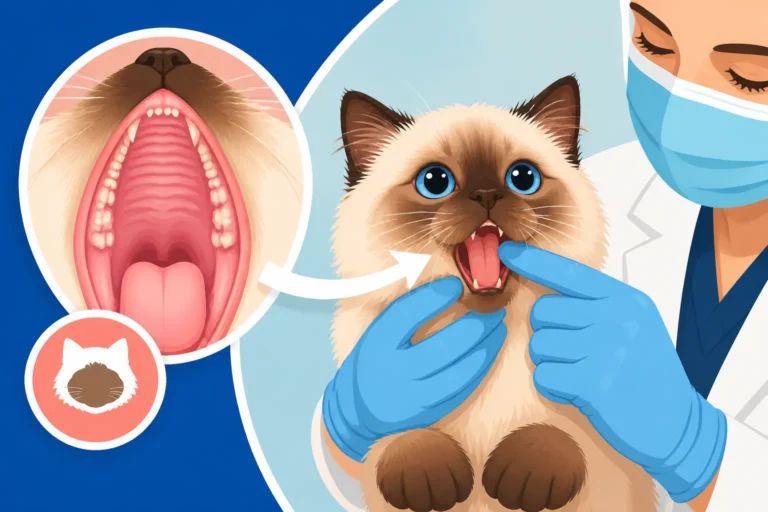
Then there's the soft palate, a fleshy flap at the back of the roof of the mouth. In Himalayans with BOAS, the soft palate is often too long, extending beyond where it should end and partially blocking the opening to the trachea (windpipe). This elongated soft palate vibrates during breathing, creating that characteristic snorting or gurgling sound. A vet will assess this, often requiring sedation for a clear view, as it's a significant contributor to breathing difficulties. All these interconnected anatomical features create a complex challenge for your cat, making a holistic veterinary assessment essential.
The Veterinary Grading System for Himalayan Nostrils
When you bring your Himalayan in for a check-up and mention concerns about their breathing, your vet will perform a thorough examination, starting with a visual assessment of their nostrils. This isn't just a casual glance; vets use a standardized grading system to objectively measure the severity of stenotic nares. This system helps them determine the degree of obstruction and guide treatment recommendations. It's a way to quantify what you, as an owner, might intuitively feel is a problem.
The grading system typically ranges from Grade 0 to Grade 3, sometimes Grade 4, with higher numbers indicating more severe narrowing. This structured approach ensures consistency and allows for monitoring changes over time, or evaluating the success of interventions. Your vet will look at the shape of the nostrils, how much they open, and whether they collapse inwards during inhalation. They’ll also observe your cat’s overall breathing effort and listen for any abnormal sounds.
How Vets Physically Examine the Nostrils
The initial examination for stenotic nares is usually visual and palpational. Your vet will gently hold your Himalayan’s head, observing the nasal openings directly. They'll note if the nostrils appear slit-like, pinched, or are noticeably smaller than what would be considered healthy for a cat. They'll also carefully feel the cartilage around the nostrils to assess its firmness and structure.
Often, they’ll ask you to walk your cat a short distance or observe them after a few minutes of play to see how their breathing changes under mild exertion. This helps reveal if the nostrils collapse inward more significantly when the cat is breathing harder. For a truly comprehensive assessment of the entire airway, especially for issues like an elongated soft palate or everted laryngeal saccules, sedation or even a brief anesthetic may be required. This allows the vet to use an endoscope to visualize the deeper structures of the throat and larynx without causing distress to your cat. A reputable pet insurance like Healthy Paws can often help cover the costs associated with these diagnostic procedures, making it easier to get a full picture of your cat's health.
Understanding the Different Grades: From 0 to 3+
Here's a general breakdown of the grading system vets commonly use for stenotic nares:
- Grade 0 (Normal): The nostrils are wide open, symmetrical, and allow for completely free airflow. There's no visible pinching or collapse during normal breathing or light activity. A Himalayan with this grade would likely have a What a Well Built Himalayan's Breathing Sounds Like.
- Grade 1 (Mild): The nostrils are slightly narrowed but still allow for adequate airflow most of the time. You might notice very subtle changes, perhaps a slight increase in breathing sounds during exertion, but generally, the cat isn't in distress. Owners might not even realize there's an issue at this stage.
- Grade 2 (Moderate): The nostrils are noticeably narrowed or pinched. There's clear resistance to airflow, and you'll likely observe increased breathing effort, especially during activity, excitement, or warm weather. Snoring might be more pronounced, and the cat may start to pant with moderate exertion. This is often the point where owners start to become concerned and seek veterinary advice.
- Grade 3 (Severe): The nostrils are severely constricted, almost completely closed, leaving only a tiny opening for air. These cats show constant, labored breathing even at rest. They will struggle significantly with any physical activity, overheat easily, and may show signs of oxygen deprivation. Surgical intervention is almost always recommended at this stage to improve their quality of life.
- Grade 4 (Very Severe/Extreme): Sometimes an additional grade is used for extremely severe cases where the nostrils are barely open, and the cat is in chronic respiratory distress. This would be considered an emergency situation.
It's important to remember that this grading is often part of a broader assessment of BOAS, as stenotic nares rarely occur in isolation.
| Nostril Grade | Description | Impact on Breathing | Recommended Action |
|---|---|---|---|
| Grade 0 | Wide, open, symmetrical nostrils. | Unrestricted airflow, normal breathing. | Routine monitoring. |
| Grade 1 | Slightly narrowed, subtle resistance. | Minimal impact on breathing, slight noise with exertion. | Monitor, consider early intervention if other BOAS signs present. |
| Grade 2 | Noticeably narrowed or pinched. | Moderate resistance, increased effort, panting with activity. | Lifestyle adjustments, weight management, discuss surgical options. |
| Grade 3 | Severely constricted, very small opening. | Significant resistance, labored breathing at rest, distress with exertion. | Surgical correction strongly recommended for quality of life. |
| Grade 4 | Extremely constricted, barely open. | Critical breathing obstruction, chronic distress. | Urgent surgical intervention. |
What Each Grade Means for Your Himalayan's Overall Health
Understanding your Himalayan’s nostril grade is more than just a number; it’s a crucial insight into their daily comfort and long-term health prospects. A higher grade signifies greater airway obstruction, which, as we’ve discussed, isn’t just about making funny noises. It directly impacts their ability to get enough oxygen, regulate their body temperature, and engage in normal feline activities without significant strain. This knowledge empowers you to make informed decisions with your vet about proactive care and potential interventions, ensuring your beloved cat can live as comfortably as possible.
It’s easy to feel overwhelmed when faced with these complexities, especially when you just want your cat to be happy and healthy. But remember, a clear diagnosis and understanding of the grade is the first, most important step toward finding solutions. Many conditions that impact our cats, like those that lead to How many years a Himalayan from tested lines lives, can be managed effectively with early detection and appropriate care.
Quality of Life and Daily Comfort Levels
A Himalayan with a Grade 0 or Grade 1 nostril grading will generally experience a much better quality of life. They can breathe freely, play without quickly becoming winded, and cope with normal environmental temperatures much more easily. Their activity levels might be indistinguishable from a non-brachycephalic cat, allowing them to express natural feline behaviors like exploring, playing, and interacting. You might not hear them snore often, or at least not loudly.
However, as the grade increases to 2 or 3+, the daily comfort levels plummet dramatically. Imagine living your life feeling constantly short of breath. These cats may avoid playing, become restless at night due to breathing difficulties, or struggle simply walking across a room. They might seek out cold, tiled floors even on mild days, indicating they're always a bit warm because they can't pant effectively. This constant struggle isn't just physically draining; it can impact their overall mood and temperament, making them less inclined to engage or seem more irritable. It's a silent suffering that, as responsible owners, we need to address.
Risks of Heatstroke and Exertion
One of the most immediate and dangerous consequences of higher nostril grades is the increased risk of heatstroke. Himalayans, with their dense Persian coats and compromised airways, are already predisposed to overheating. When their nostrils are severely stenotic, their ability to cool down through panting is severely hampered. They simply cannot move enough air across their moist oral membranes to evaporate heat from their bodies. This makes them highly vulnerable in warm weather, during exercise, or even just in a stuffy room.
Even mild exertion, like a short play session, can quickly lead to distress for a Himalayan with Grade 2 or 3+ nostrils. They might start panting heavily, open-mouth breathing, and even collapse. This isn't just uncomfortable; it's a medical emergency that can rapidly become fatal if not addressed immediately. It's vital to keep brachycephalic cats cool, avoid strenuous activity, and be vigilant for any signs of overheating. This understanding also factors into decisions like whether a Himalayan can safely travel, as Why airlines refuse a flat faced Himalayan clearly outlines. Pet insurance plans, such as those offered by Healthy Paws, are vital here, as emergencies like heatstroke treatments can be incredibly expensive.
Management and Treatment Options Based on Nostril Grade
Once your vet has assessed your Himalayan’s nostril grade and provided a comprehensive understanding of their BOAS, the conversation will naturally turn to management and treatment. It's not a one-size-fits-all approach; the recommendations will be tailored specifically to your cat's individual needs, the severity of their condition, and any other concurrent health issues. The goal is always to improve their breathing, enhance their quality of life, and prevent potentially life-threatening complications.
This journey often involves a combination of environmental adjustments, medical management, and, for many Himalayans, surgical intervention. It can feel like a lot to take in, but remember that you and your vet are a team, working towards the best possible outcome for your furry family member.
Lifestyle Adjustments for Mild Cases (Grade 1-2)
For Himalayans with Grade 1 or mild Grade 2 stenotic nares, surgical intervention might not be immediately necessary, but proactive lifestyle adjustments are crucial. The primary focus here is to minimize anything that puts extra strain on their already compromised breathing.
- Weight Management: Keeping your Himalayan at a lean, healthy weight is paramount. Excess weight puts additional pressure on their respiratory system and can exacerbate all aspects of BOAS. Your vet can help you determine an ideal weight and recommend a tailored diet plan.
- Environmental Control: Keeping your home cool, especially during warmer months, is non-negotiable. Use air conditioning, fans, and provide cool resting spots. Avoid taking your Himalayan outdoors during the hottest parts of the day.
- Stress Reduction: Stress and excitement can lead to increased breathing effort. Create a calm, predictable environment for your cat.
- Gentle Play: Encourage short, gentle play sessions and stop immediately if you notice any signs of panting or distress. Avoid high-energy games that leave them gasping.
- Harness Over Collar: If you ever need to walk your Himalayan, always use a harness instead of a collar, which can put pressure on their windpipe.
- Air Quality: Ensure good air quality, free from smoke, strong perfumes, or excessive dust, which can irritate sensitive airways.
These adjustments, while seemingly minor, can significantly improve a cat's comfort and breathing capacity, especially in cases where the obstruction is not severe.
Surgical Interventions for Moderate to Severe Cases (Grade 2-3+)
For Himalayans with more significant stenotic nares (moderate Grade 2 to Grade 3+), surgical correction is often the most effective and sometimes the only way to provide meaningful relief. The most common procedure for stenotic nares is called alar plasty, which involves widening the nasal openings.
During an alar plasty, your veterinary surgeon will carefully remove a small, wedge-shaped piece of cartilage from the nostrils. This opens up the nares, allowing for a much larger and less obstructed pathway for air to enter. The incision is then meticulously closed with tiny sutures. The results can be dramatic, with many cats showing immediate improvement in their breathing post-surgery. Many owners report a significant reduction in snoring and a noticeable increase in energy levels. You can learn more about this procedure in Whether widening a Himalayan's nostrils helps.
Often, if a cat requires surgery for stenotic nares, the vet will also assess for other BOAS components, such as an elongated soft palate. If present, a procedure called a staphylectomy (shortening the soft palate) may be performed at the same time. This comprehensive approach addresses multiple points of obstruction simultaneously, leading to better overall outcomes. Information on this is available in What soft palate surgery involves for a Himalayan.
While the idea of surgery can be daunting, advances in veterinary medicine and anesthesia protocols have made these procedures very safe, especially when performed by an experienced veterinary surgeon. Many pet insurance providers, including Healthy Paws, offer coverage for these types of necessary surgeries, which can alleviate a significant financial burden for owners.
The Importance of Post-Operative Care and Long-Term Monitoring
Surgery is a critical step, but post-operative care is equally important for a successful outcome. Your Himalayan will need a quiet, comfortable place to recover, and you'll need to administer any prescribed pain medication and antibiotics. It’s vital to monitor their breathing closely and ensure they don’t disturb their sutures. Most cats recover well, and the long-term benefits of improved breathing are usually well worth the temporary inconvenience.
After surgery, regular follow-up visits with your vet are essential. They will monitor their breathing, assess the surgical sites, and ensure no secondary issues arise. Even after successful surgery, some Himalayans may still have other, less correctable components of BOAS, such as a hypoplastic trachea. Therefore, continued vigilance for signs of respiratory distress, especially during hot weather or exertion, is still necessary. With proper care and ongoing monitoring, many Himalayans can enjoy a vastly improved quality of life for years to come.
Beyond the Nostrils: Other Factors Affecting Breathing in Himalayans
While stenotic nares are a common and often visible component of Brachycephalic Obstructive Airway Syndrome, it’s crucial to understand that they are just one piece of a larger, more complex puzzle. A Himalayan’s breathing difficulties are rarely caused by narrow nostrils alone. The compact skull structure impacts the entire upper airway, leading to a cascade of issues that can collectively make breathing a significant effort for these cats. Understanding these other factors helps paint a complete picture of your cat's respiratory health and guides a more holistic approach to care.
It's a common frustration that people focus solely on the "pinched nose" when there's so much more going on inside. Your vet's thorough examination will always look beyond the surface, recognizing that the challenge lies in the entire anatomy.
Elongated Soft Palate
As mentioned earlier, an elongated soft palate is another major contributor to BOAS. This soft tissue flap, which normally separates the nasal cavity from the mouth at the back of the throat, is often too long in brachycephalic cats. When it's too long, it drapes down into the opening of the larynx (voice box), partially blocking the entrance to the trachea. This is like having a curtain constantly fluttering in front of a doorway, making it harder to get through.
The vibrating of this elongated soft palate is what causes much of the characteristic snorting, snuffling, and loud breathing sounds you hear from Himalayans. When they inhale, the negative pressure pulls this excess tissue into the airway, creating resistance. This can lead to inflammation and swelling over time, further narrowing the passage. In severe cases, it can cause the cat to gag, choke, or even vomit, particularly during excitement, eating, or exertion. Corrective surgery to shorten the soft palate can offer significant relief and is often performed alongside nostril widening for optimal results.
Everted Laryngeal Saccules and Tracheal Hypoplasia
Digging even deeper into the airway, vets might find other issues contributing to BOAS. Everted laryngeal saccules are small pouches located just inside the larynx. Due to the chronic increased breathing effort caused by stenotic nares and an elongated soft palate, these saccules can get pulled outwards (everted) and into the airway, further reducing its diameter. This is a secondary problem that arises from the prolonged struggle to breathe, and if present, they are usually trimmed during the same surgery as the soft palate correction.
Another factor that can severely impact a Himalayan's breathing, and is unfortunately not surgically correctable, is tracheal hypoplasia. This means the trachea, or windpipe, is abnormally narrow along its entire length. It's a developmental issue, and while the other components of BOAS can be improved with surgery, a hypoplastic trachea means the main air pipe itself is permanently smaller than it should be. Cats with severe tracheal hypoplasia often have a poorer prognosis, even after other BOAS surgeries, as the primary bottleneck remains. This is why a thorough pre-surgical assessment, sometimes including X-rays of the chest, is so important to fully understand the extent of your cat's airway issues. The good news is that for most Himalayans, the primary issues are in the soft tissues of the nose and palate, which can be addressed effectively.
Disclaimer
This article is intended for informational purposes only and does not constitute veterinary advice. Always consult with a qualified veterinarian for any health concerns or before making any decisions about your pet's medical care.