How Retinal Atrophy Blinds a Himalayan by Five
Discovering that your beloved Himalayan cat is losing its sight to Progressive Retinal Atrophy (PRA) can be absolutely heartbreaking and incredibly disorienting. It's a cruel reality that many Himalayan owners face, as this inherited condition can steal their cat's vision before they even reach five years old. This guide is here to walk you through understanding PRA, recognizing the signs, adapting your home, and providing the best possible care for your visually impaired feline companion.
Understanding Progressive Retinal Atrophy in Himalayans
Progressive Retinal Atrophy, often simply called PRA, is a term that strikes fear into the hearts of many cat owners, especially those of us who adore our long-haired, blue-eyed Himalayans. It's not just one disease but a group of degenerative eye conditions that ultimately lead to blindness. For Himalayans, specifically, it’s a concern deeply rooted in their genetics.
What is PRA and How Does It Affect Vision?
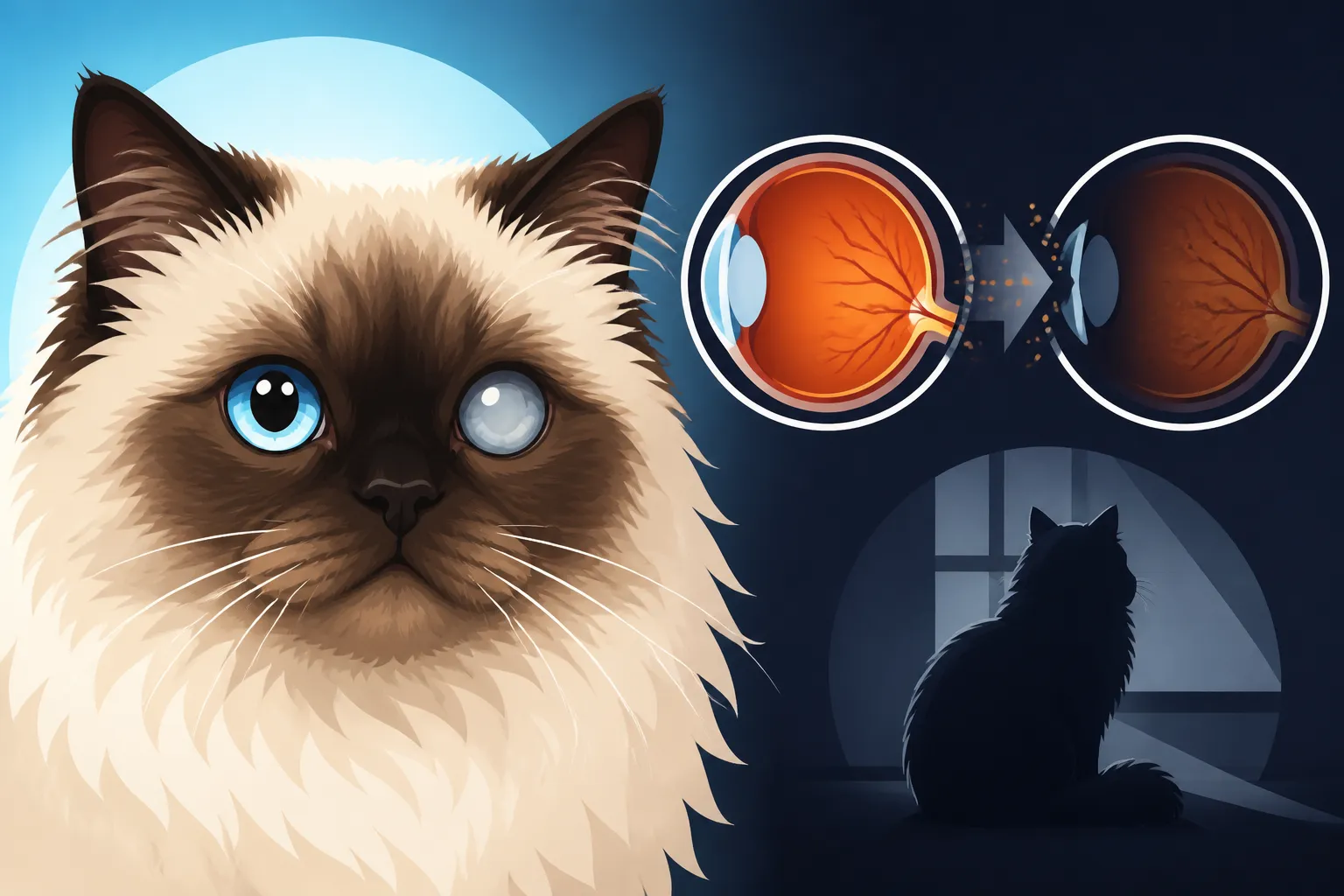
Imagine a tiny, intricate camera inside your cat's eye – that's essentially what the retina is. It's lined with millions of specialized cells, known as photoreceptors: rods and cones. Rods are responsible for vision in dim light and detecting movement, while cones handle bright light, color, and fine detail. In a cat with PRA, these critical cells begin to deteriorate. Initially, the rods are often affected, leading to "night blindness." This means your cat might struggle to navigate in low-light conditions long before you notice any issues during the day. As the disease progresses, the cones also begin to degenerate, eventually leading to complete blindness, even in bright light. It's a slow, insidious process, often making it difficult for owners to pinpoint exactly when the vision loss began.
The Genetic Link: Inheriting the Eye Condition
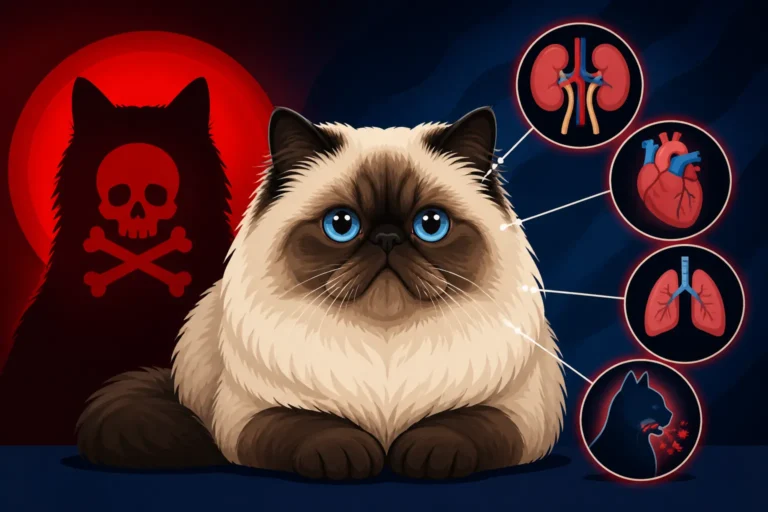
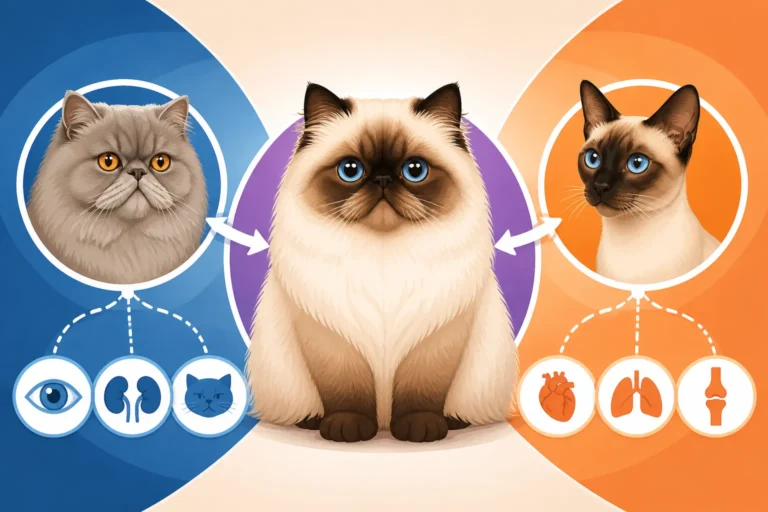
The unfortunate truth is that PRA in Himalayans is typically an inherited condition, passed down through an autosomal recessive gene. What this means in plain language is that a cat must inherit two copies of the faulty gene – one from each parent – to develop the disease. If they only inherit one copy, they become a "carrier," meaning they won't develop PRA themselves but can pass the gene on to their kittens. This is a crucial point because it means even seemingly healthy parents can produce kittens that go blind. The genetic roots of PRA in Himalayans trace back to their Persian lineage. While Himalayans are a distinct breed, they carry a significant portion of Persian genetics, and it's from this side that many of their inherited health challenges, including PRA, originate. You might be interested to learn more about Which diseases a Himalayan inherits from each parent breed as it helps paint a clearer picture of their genetic susceptibilities.
Why Himalayans Are Particularly Vulnerable
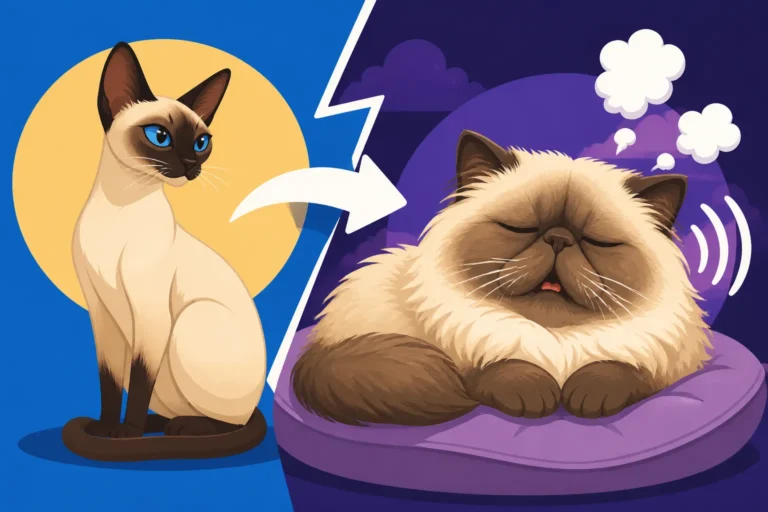
Himalayans, with their stunning blue eyes and gorgeous long coats, are specifically known to be predisposed to PRA due to specific mutations. Research has identified several genetic markers for different forms of PRA in various cat breeds, and a particular one, often linked to the rdAc mutation, is prevalent in Persians and, by extension, Himalayans. This specific vulnerability isn't just a random occurrence; it's a direct consequence of their breeding history. When the Himalayan breed was developed by crossing Persians and Siamese, they inherited many wonderful traits, but also some genetic predispositions that require careful management by responsible breeders. The focused gene pool, while creating the distinctive look we love, also concentrated certain recessive genes. This makes diligent screening and genetic testing absolutely vital for the breed's long-term health.
Early Signs and Progression of Vision Loss
It's truly tough to spot the early signs of vision loss in a cat, especially one as calm and adaptable as a Himalayan. Cats are masters of compensation, relying on their other heightened senses like hearing and smell to navigate their familiar environment. This means by the time you notice something is truly amiss, the disease might have already progressed quite a bit.
Subtle Changes in Your Himalayan's Behavior
One of the first, most subtle indicators of PRA is often a change in your cat's behavior, particularly in low-light conditions. Have you noticed your Himalayan hesitating before jumping onto a familiar chair in the evening? Or perhaps they seem a bit clumsier than usual when moving through dimly lit hallways? These could be signs of initial night blindness. They might bump into furniture they usually navigate perfectly, or become more reluctant to play games that involve tracking fast-moving toys in the dark. You might also observe their pupils appearing more dilated than usual, even in normal lighting, as their eyes try to gather as much light as possible to compensate for the failing photoreceptors. This dilation, sometimes called "tapetal shine," can make their eyes look extra luminous in photos or at night. Learning How a Himalayan behaves as its sight goes can help you understand these subtle shifts and prepare for them.
The Gradual Loss of Sight, Often by Age Five
The progression of PRA is, as its name suggests, gradual. It rarely happens overnight. While initial symptoms might appear when your Himalayan is a kitten or young adult, the more significant, noticeable vision loss often becomes apparent around the age of two to five years. By the time they reach five, many Himalayans with PRA experience substantial to complete blindness. This means their world slowly shrinks, moving from vibrant images to blurry shapes, and eventually, to just shadows or complete darkness. It's a difficult journey for both cat and owner, but what's truly amazing is how resilient cats are. They often learn to rely so heavily on their memory of their environment and their other senses that it can be hard to gauge the extent of their vision loss without a vet's examination. They memorize every piece of furniture, every corner, every sound, creating a detailed mental map of their home.
How Veterinarians Diagnose PRA
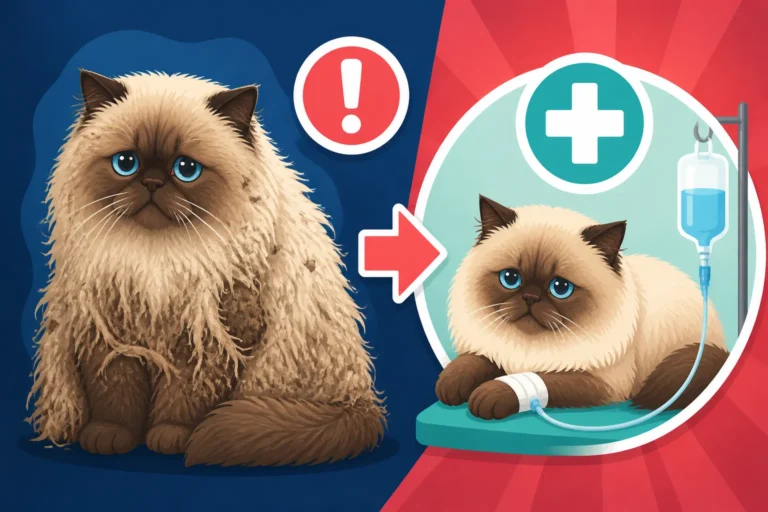
If you suspect your Himalayan might be struggling with its vision, the first and most important step is a visit to your veterinarian. They’ll start with a thorough ophthalmic exam, using an ophthalmoscope to peer into your cat's eyes and examine the retina directly. Early signs of PRA can include changes in the retinal blood vessels and a general dullness or thinning of the retina. To get a definitive diagnosis, your vet might recommend an electroretinography (ERG). This non-invasive test measures the electrical responses of the retina's photoreceptor cells to light stimuli. It's similar to an EKG for the heart but for the eyes, providing objective evidence of retinal function. Most importantly, a DNA test is available for the specific genetic mutations that cause PRA in Himalayans. A simple cheek swab can determine if your cat is clear, a carrier, or affected. This genetic test is incredibly valuable for breeders looking to eradicate PRA from their lines. For specific details, you should definitely ask your vet about Which test clears a Himalayan's eyes.
Living with a Visually Impaired Himalayan
It’s completely natural to feel overwhelmed and heartbroken when you learn your Himalayan is losing its sight. But I promise you, a blind cat can still live a full, happy, and incredibly rich life. It just means you, as their loving owner, need to make a few thoughtful adjustments to their environment and routine.
Adapting Your Home Environment for Safety and Comfort
Your home becomes your Himalayan’s universe, and consistency is key. First and foremost, resist the urge to constantly rearrange furniture. Once your cat has memorized the layout, even small changes can cause confusion, anxiety, and even lead to bumps and falls. If you must move something, do it gradually or ensure your cat has time to re-explore with you guiding them. Keep pathways clear of clutter – no tripping hazards like shoes, bags, or anything that moves frequently. Consider placing textured mats (like small rugs) at the top and bottom of stairs, or near food and water bowls, to give them tactile cues. Block off dangerous areas like open fireplaces or stairs they might struggle with. For their own comfort and to prevent startling them, always speak to your Himalayan when approaching them, and let them know you're there. A little jingle bell on your shoe can even help! It's surprising What to leave where for a Himalayan losing its sight to make life easier for them.
Maintaining a Routine to Reduce Stress
Cats, especially Himalayans, thrive on routine. When their vision is compromised, this need for predictability becomes even more pronounced. Stick to consistent feeding times, play sessions, and grooming schedules. This predictability provides a sense of security and reduces anxiety in a world that might feel less certain. Imagine navigating your own home in complete darkness; you’d want to know exactly when and where things are happening. Your Himalayan is no different. Use your voice, gentle touches, and even distinct smells (like a specific essential oil on their favorite bed) as markers. Praise them, reassure them, and let them know they're safe. What's truly remarkable is Why a blind Himalayan copes better than a busier breed – their generally calm, less athletic nature means they are often more adept at adjusting to vision loss than high-energy breeds. They're often already quite content with indoor living and familiar surroundings.
Enrichment and Play for Cats with Limited Vision
Just because your Himalayan can't see doesn't mean they can't play! Their other senses become even more acute. Focus on toys that make noise, like balls with bells inside, crinkly toys, or plush toys infused with catnip. Engage them with wand toys that you can drag along the floor, making rustling sounds. Puzzle feeders that require them to sniff out treats can be fantastic for mental stimulation and engaging their powerful sense of smell. Interactive play with you, using your voice and touch, is also incredibly important for bonding and keeping them engaged. Don't underestimate the power of a good scratch behind the ears or a long petting session – physical contact and vocal reassurance are paramount. They might not chase a laser pointer anymore, but they'll absolutely adore a soft toy they can bat around by sound or a feather teaser that tickles their whiskers.
The Importance of Genetic Testing and Ethical Breeding
For those dedicated to the well-being of the Himalayan breed, genetic testing and ethical breeding practices are not just suggestions; they are absolute necessities. The prevalence of inherited conditions like PRA makes it crucial for breeders to be proactive and transparent.
Why Testing is Crucial for Breeders
Responsible breeders understand that their role extends beyond producing beautiful kittens; it encompasses safeguarding the health and future of the breed. Genetic testing for PRA allows breeders to identify carriers of the faulty gene, even if those cats show no symptoms themselves. By knowing which cats carry the gene, breeders can make informed decisions about mating pairs, ensuring that two carriers are never bred together. This is the only way to prevent affected kittens from being born. Diligent testing helps reduce the incidence of PRA in future generations, improving the overall health of the breed. It's truly a critical step in preserving the Himalayan's health. In fact, Why a Himalayan breeder should test eyes as well as kidneys is a question often asked, highlighting the dual inherited risks that good breeders prioritize.
What Prospective Owners Should Ask Breeders
When you’re looking to bring a Himalayan kitten into your home, you're not just picking a pretty face; you're investing in a family member for potentially 15 years or more. Don't be afraid to ask tough questions about health screenings. A reputable breeder will be more than happy to provide you with documentation. Always ask to see the genetic test results for both parent cats, specifically for PRA and any other known genetic conditions in the breed, such as Polycystic Kidney Disease (PKD). They should be able to show you certificates proving that the parents are "clear" of the PRA gene. Don't settle for vague assurances; ask for the actual paperwork. A transparent breeder will have nothing to hide. You should insist on seeing Which two certificates a Himalayan breeder owes you before committing to a kitten. This ensures you're getting a kitten from a line actively working to reduce genetic disease.
Understanding "Clear" and "Carrier" Results
When it comes to genetic testing for autosomal recessive conditions like PRA, there are three possible results for a cat:
- Clear (N/N or Homozygous Normal): This means the cat does not carry the gene for PRA and cannot pass it on to its offspring. This is the ideal result for breeding cats.
- Carrier (N/PRA or Heterozygous): This cat carries one copy of the gene for PRA but will not develop the disease itself. They can pass the gene on to approximately 50% of their offspring. A carrier can be bred to a "clear" cat without producing affected kittens, but care must be taken to only breed them with clear mates to avoid producing affected offspring.
- Affected (PRA/PRA or Homozygous Affected): This cat has inherited two copies of the gene and will develop PRA. These cats should not be used for breeding.
Understanding these results is paramount. A responsible breeder will use this information to make informed decisions, ensuring they are only breeding clear-to-clear or clear-to-carrier cats, with the ultimate goal of producing only clear kittens and eventually phasing out the gene entirely from their breeding program.
Support and Care for Your Blind Himalayan
Providing a loving and supportive environment for a Himalayan that is losing its sight, or is already blind, is a testament to the incredible bond we share with our pets. It’s a journey that requires patience, empathy, and a commitment to their ongoing well-being.
Regular Vet Check-ups and Monitoring
Even if your Himalayan is fully blind, regular veterinary check-ups are still absolutely vital. Your vet will want to monitor the general health of their eyes to ensure there are no secondary issues developing, such as glaucoma or cataracts, which can sometimes occur in eyes affected by PRA or due to age. They'll also monitor for other common Himalayan health issues. Remember, your vet is your best partner in ensuring your cat's overall health and comfort. They can offer advice on pain management if needed, discuss diet, and help you recognize other signs of aging or illness that might be harder to spot in a visually impaired cat. Maintaining routine check-ups is part of what helps The Nine to Fifteen Years a Himalayan Usually Gets to be as comfortable and healthy as possible.
Emotional Support for You and Your Cat
It's okay to grieve the loss of your cat's sight. It’s a significant change, and it impacts you as much as it does them. However, your emotional state directly affects your cat. Cats are incredibly sensitive to our feelings. If you're stressed or anxious, they will pick up on that. Try to remain calm, reassuring, and positive. Shower them with extra affection, vocal reassurance, and gentle physical contact. Your voice becomes their guiding light, your touch their reassurance. A strong, loving bond will help your Himalayan adjust much more effectively. They might become more clingy, seeking your presence more often, and this is a completely normal and healthy response to their changing world. Embrace it, and let them know they are safe and loved.
Navigating Insurance for Genetic Conditions
The costs associated with diagnosing and managing any chronic health condition, including genetic ones like PRA, can be a concern for many pet owners. This is where pet insurance can truly become a lifesaver. Companies like Healthy Paws offer various plans that can help cover the costs of unexpected illnesses and accidents. While many policies have waiting periods or exclusions for pre-existing conditions, if you insure your Himalayan as a kitten or before any symptoms of PRA appear, a comprehensive plan from providers like Healthy Paws could potentially help with diagnostic tests, specialist consultations, and ongoing care related to the condition. It’s always wise to research different pet insurance options and understand what they cover regarding genetic or hereditary conditions. A policy from Healthy Paws might provide the financial peace of mind needed to ensure your beloved feline receives the best possible care throughout their life, especially if dealing with an inherited condition like retinal atrophy. Considering What a Himalayan costs from kitten to fifteen with and without such support really puts things into perspective.
Table: Stages of Progressive Retinal Atrophy & Owner Observations
| Stage of PRA | Owner Observations (Behavioral Cues) | Vet Diagnostic Findings (Early Signs) | Recommended Owner Actions |
|---|---|---|---|
| Early Stage | Hesitation in dim light, slight clumsiness in the dark, pupils more dilated in low light. | Subtle changes in retinal blood vessels, slight photoreceptor degeneration. | Maintain consistent home layout, provide nightlights, speak when approaching. |
| Moderate Stage | More frequent bumping into objects, reluctance to jump or navigate stairs, increased reliance on hearing/smell, pupils often fully dilated. | Noticeable retinal thinning, early signs of tapetal hyperreflectivity. | Strictly avoid moving furniture, use tactile markers, increased vocal and physical reassurance. |
| Advanced Stage | Complete disorientation in unfamiliar places, frequent bumping even in light, loss of interest in visual toys, eyes may appear "staring." | Severe retinal degeneration, optic nerve atrophy. | Dedicate clear pathways, enrich with sound/smell toys, maintain strict routine, consult vet regularly. |
Disclaimer
Please remember that the information provided in this article is for general informational purposes only and does not constitute professional veterinary advice. Always consult with a qualified veterinarian for any health concerns or before making any decisions related to your pet's health and treatment.