Why a Himalayan Breeder Should Test Eyes as Well as Kidneys
When you're dreaming of bringing home a fluffy, blue-eyed Himalayan, it's easy to get caught up in the excitement of choosing the perfect colorpoint or sweetest personality. But behind those adorable faces, serious genetic health concerns can lurk, and not all breeders are equally diligent. It's truly heartbreaking to fall in love with a kitten only to face devastating health issues down the line because crucial tests were skipped. This guide aims to clear up a common misconception: why comprehensive health testing, specifically for both kidneys and eyes, is non-negotiable for a responsible Himalayan breeder, offering peace of mind and a healthier future for your beloved companion.
The Essential Kidney Screening Every Himalayan Needs
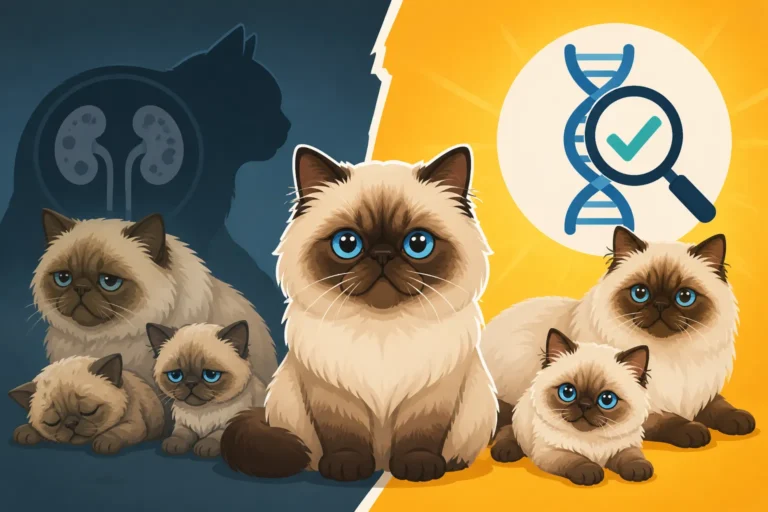
One of the most widely recognized genetic health concerns in the Persian line, from which Himalayans descend, is Polycystic Kidney Disease, or PKD. It's a progressive, inherited condition that can lead to kidney failure. As a prospective cat parent, understanding this disease and verifying that a breeder actively screens for it is absolutely paramount. It’s not just a fancy term; it's a real threat to your cat's lifespan and quality of life.
Understanding Polycystic Kidney Disease PKD in Himalayans
Polycystic Kidney Disease is characterized by the growth of multiple fluid-filled cysts in the kidneys. These cysts start small, often present from birth, but they gradually enlarge over time, displacing healthy kidney tissue. Eventually, they can compromise kidney function, leading to chronic kidney failure. The frustrating part is that affected cats often show no symptoms in their early years, leading owners to believe their cat is perfectly healthy, only for symptoms to emerge later, typically between ages 5 and 7, but sometimes even younger or older. Imagine the shock and grief when your cherished companion, seemingly fine, suddenly starts showing signs of illness, like increased thirst, weight loss, or poor coat quality. This is a common and devastating scenario for owners of untested Himalayans.
The inheritance pattern of PKD is autosomal dominant, which means a kitten only needs to inherit one copy of the faulty gene from either parent to develop the disease. This also means that if a cat has PKD, there's a 50% chance each of its kittens will also inherit the condition, regardless of whether the other parent is clear. This makes robust screening not just important, but absolutely critical for breeders. You can learn more about how PKD1 Came Down the Persian Side of a Himalayan and its impact.
Why a Single Gene Test is a Game Changer for PKD
For decades, diagnosing PKD relied on ultrasounds, which could detect cysts but often not until they were already quite large or the cat was older. This meant breeders might unknowingly breed affected cats before cysts became visible. Thankfully, the development of a DNA test for PKD1 has revolutionized screening. This simple genetic test can definitively determine if a cat carries the PKD gene, regardless of age or whether cysts are currently visible on ultrasound.
The test is usually performed via a cheek swab, a non-invasive and stress-free procedure for the cat. A laboratory analyzes the DNA from the swab to identify the presence of the PKD1 mutation. The results will typically come back as "N/N" (Negative/Clear), meaning the cat does not carry the gene and cannot pass it on; "N/P" (Negative/Positive), meaning the cat carries one copy of the gene and will develop PKD, passing it to 50% of its offspring; or "P/P" (Positive/Positive), meaning the cat carries two copies and will develop PKD, passing it to all offspring (though P/P cats are rare as the disease is often severe). Responsible breeders will only breed cats that are N/N for PKD. Asking for proof of this DNA test is one of the most important steps you can take. Understanding Why a Cheek Swab Clears a Himalayan for PKD is vital for any prospective owner. Remember, an insurance provider like Healthy Paws can often help with the costs associated with managing a chronic condition like PKD, but prevention through testing is always best.
Unpacking the Critical Need for Eye Health Testing
While PKD gets a lot of attention, and rightly so, it's a huge mistake to overlook the eyes. Himalayans, with their stunning blue eyes and unique facial structure, are predisposed to several ocular issues. Some are genetic and can lead to blindness, while others are anatomical and cause chronic discomfort and secondary problems. A diligent breeder should be just as transparent about eye health as they are about kidney health.
Progressive Retinal Atrophy PRA and the Himalayan
Progressive Retinal Atrophy (PRA) is another devastating inherited condition that affects a Himalayan's vision. It's a group of degenerative diseases that cause the photoreceptor cells in the retina (rods and cones) to slowly deteriorate. This leads to gradual, irreversible blindness. Early on, cats might experience night blindness, becoming hesitant in dimly lit rooms. As the disease progresses, their daytime vision also deteriorates, eventually leading to complete blindness. It's heartbreaking to watch a vibrant cat lose its world simply because a genetic test wasn't done.
Like PKD, PRA in Himalayans often has a genetic basis, and breeders can now use DNA tests to screen for specific mutations linked to the disease. Without these tests, a cat could appear perfectly healthy visually but still carry the gene and pass it on to its kittens. A clear result means the cat won't develop the specific PRA mutation tested for and won't pass it on. This proactive testing is essential to eradicate PRA from breeding lines. Knowing How Retinal Atrophy Blinds a Himalayan by Five highlights the urgency of such screening. A good pet insurance plan, such as one from Healthy Paws, can provide financial relief if your cat develops such conditions, but again, prevention is always the primary goal.
Other Ocular Concerns Related to the Himalayan's Unique Face
Beyond genetic conditions like PRA, the Himalayan's distinctive brachycephalic (flat-faced) structure often leads to mechanical eye issues. These aren't always genetic in the same direct way as PRA or PKD, but they are a result of selective breeding for certain facial features.
- Entropion: This is a condition where the eyelid rolls inward, causing the eyelashes or fur to rub against the cornea. This constant irritation can lead to pain, excessive tearing, conjunctivitis, and even corneal ulcers. It's incredibly uncomfortable for the cat and often requires surgical correction. You can read more about What Entropion Does to a Himalayan's Blue Eye.
- Epiphora and Tear Staining: The Himalayan's flattened face and prominent eyes often mean their tear ducts aren't perfectly aligned or effective at draining tears. This leads to epiphora, or excessive tearing, which can create prominent, reddish-brown tear stains on their delicate white fur. While largely cosmetic, constant dampness can lead to skin irritation and infection in the folds around their nose.
- Corneal Ulcers: Due to their prominent eyes and sometimes poor eyelid function, Himalayans are more susceptible to corneal injuries and ulcers. Even minor trauma can lead to a significant problem, and prompt veterinary attention is crucial. Discovering What a Corneal Ulcer Looks Like on a Blue Eyed Himalayan can help you identify this serious issue early.
These issues might not be directly "tested" for with a DNA swab, but a responsible breeder will pay close attention to the facial structure of their breeding cats and select for features that minimize these problems. Regular veterinary eye examinations for breeding cats are also a must.
The Breeder's Responsibility and What to Ask For
Choosing a Himalayan kitten from a reputable breeder who prioritizes health testing is the single most important decision you'll make. A responsible breeder understands the genetic predispositions of the breed and actively works to reduce the incidence of inherited diseases. They don't just love cats; they're dedicated to improving the breed's health.
Interpreting Health Certificates and Pedigrees
When you visit a breeder, don't be shy about asking for proof of health testing. A good breeder will welcome your questions and be eager to share documentation. For PKD, you should expect to see DNA test certificates for both parents, showing them as "N/N" (clear). For PRA, similar DNA test results should be provided. Some breeders also perform regular eye exams by a veterinary ophthalmologist, and documentation of these exams should also be available.
It's not enough for a breeder to say their cats are tested; they need to show you the actual paperwork. This includes official lab results for DNA tests, clearly identifying the cat by microchip or registration number. You should also be able to review the cat's pedigree, which shows their lineage and can sometimes indicate a history of health testing in previous generations. Remember, a cheap Himalayan might seem like a good deal initially, but it often comes at the cost of skipped health screenings, potentially leading to much higher vet bills down the line. You need to know Which Two Certificates a Himalayan Breeder Owes You to ensure you're getting a healthy kitten.
Long-Term Benefits of Choosing a Fully Tested Kitten
Investing in a kitten from tested lines isn't just about avoiding heartache; it's about setting your new family member up for the best possible start in life.
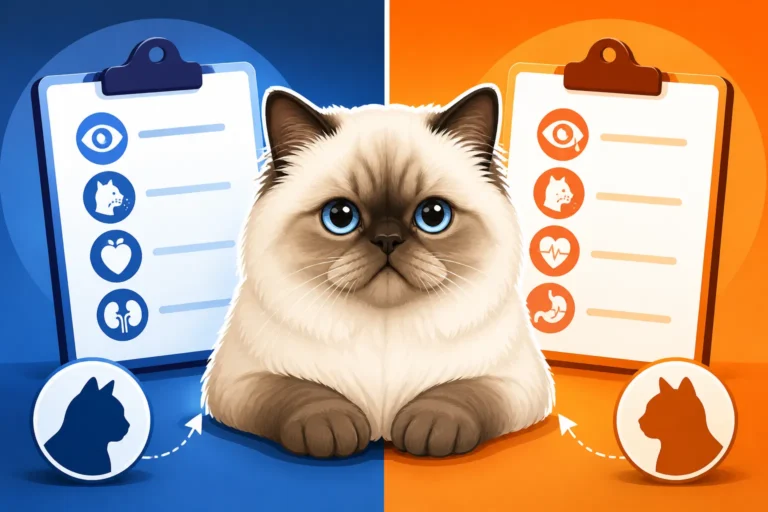
| Condition | Type of Test | Why It's Crucial | Potential Outcome of Untested Cats |
|---|---|---|---|
| Polycystic Kidney Disease (PKD) | DNA Test (Cheek Swab) | Prevents passing on a dominant genetic disease. | Chronic kidney failure, shortened lifespan. |
| Progressive Retinal Atrophy (PRA) | DNA Test | Prevents passing on a recessive/dominant genetic disease. | Progressive, irreversible blindness. |
| Entropion | Ocular Exam | Identifies anatomical issue causing eye irritation. | Pain, corneal ulcers, surgical intervention needed. |
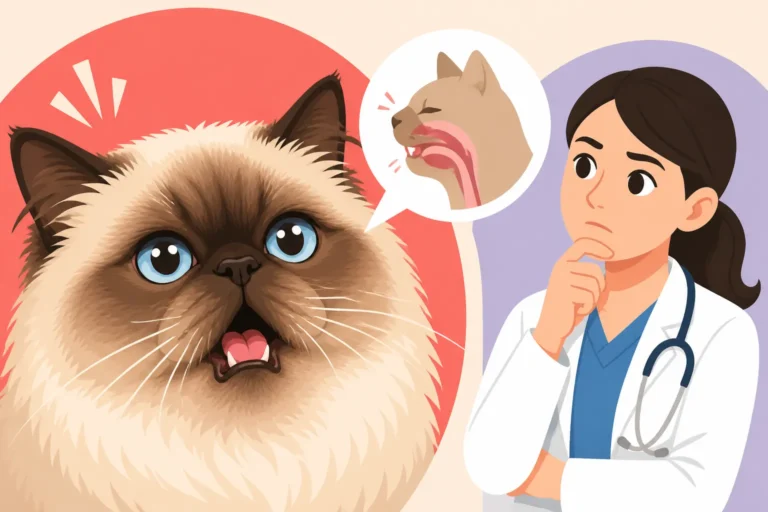
| Brachycephalic Airway Syndrome | Physical Exam | Evaluates severity of facial structure impact on breathing. | Snoring, panting, overheating, potential surgery. |
A kitten from parents clear of PKD and PRA has a significantly reduced risk of developing these devastating conditions. This means:
- Peace of Mind: You can enjoy your kitten without the constant worry of these specific genetic time bombs.
- Reduced Vet Bills: While no cat is immune to all health issues, eliminating major genetic predispositions saves you from potentially enormous costs associated with managing chronic kidney disease or treating blindness. Even with a good pet insurance like Healthy Paws, preventative care via responsible breeding is always the best route. Knowing What Testing a Himalayan for PKD and the Eyes Costs upfront can help you understand why breeders charge what they do.
- Longer, Healthier Life: Tested cats are more likely to live their full, happy lifespan without the debilitating effects of these diseases. This means more cuddles, more purrs, and more joy for years to come.
- Support for Responsible Breeding: By choosing a breeder who tests, you support ethical practices that ultimately improve the health of the entire Himalayan breed. This is essential for the future health of these wonderful cats.
Even if you choose a cat from a rescue or adopt an adult, inquiring about any known health history or previous testing is still crucial. For example, knowing How Early Cysts Show on a Himalayan's Kidney Scan can guide your questions. A truly dedicated breeder invests time, money, and effort into health screening, and that dedication translates directly into a healthier, happier companion for you.
Disclaimer
Please remember that this article provides general information and is not a substitute for professional veterinary advice. Always consult with a qualified veterinarian for any health concerns or before making decisions about your cat's care.