Whether the Persian Eye Gene Can Be Slowed in a Himalayan
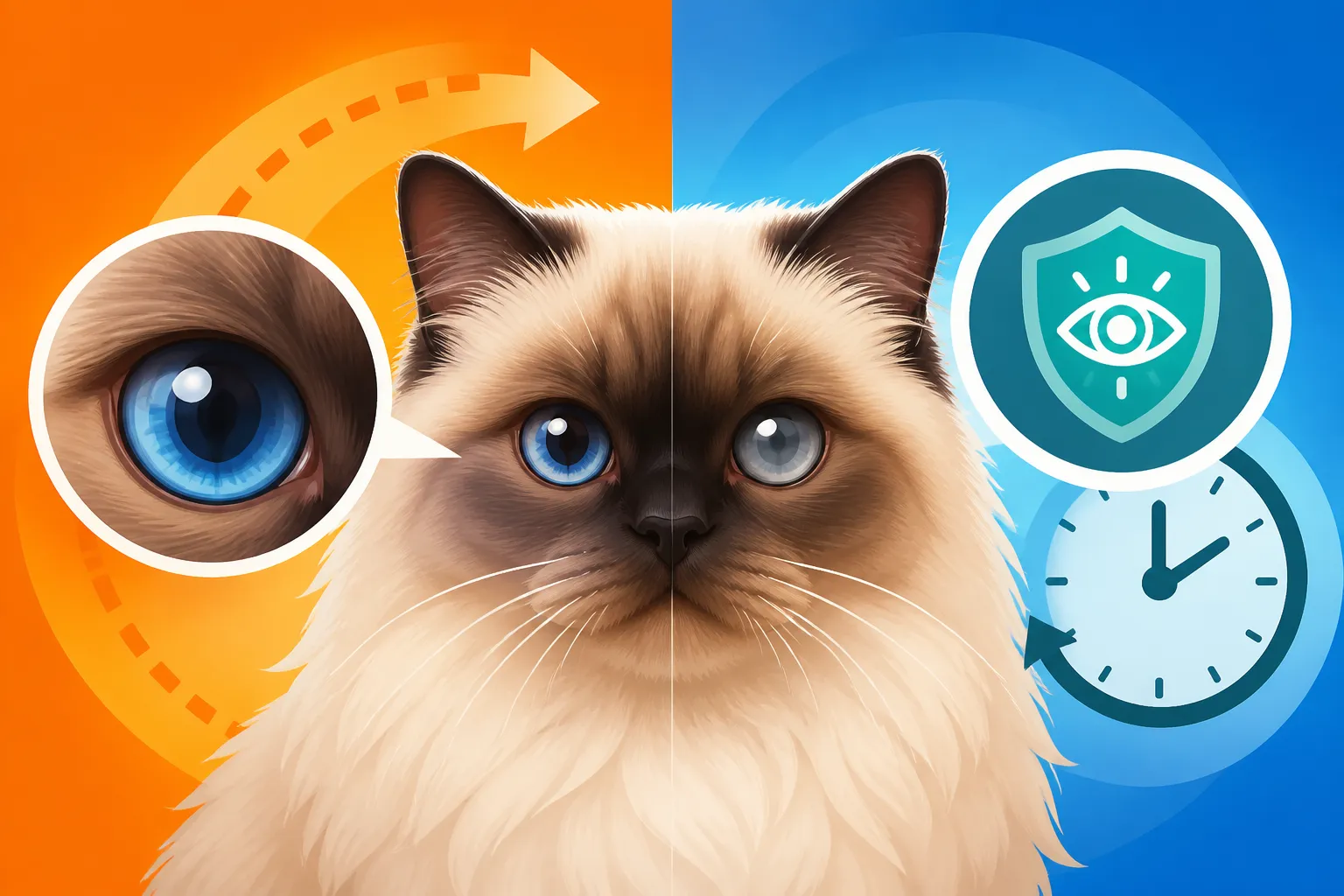
Watching the striking, sapphire eyes of a Himalayan cat gradually lose their luster is one of the most heartbreaking experiences a dedicated owner can face. Inherited ocular conditions, handed down directly through the Persian bloodline, often leave cat parents searching frantically for ways to protect their pet’s vision. This guide explores the realistic medical realities of inherited Persian eye genes—specifically progressive retinal atrophy—examining whether its progression can truly be slowed and how to safeguard your cat’s quality of life.
Understanding Progressive Retinal Atrophy and Inherited Eye Conditions in Himalayans
When breeders first developed the Himalayan by crossing the elegant Persian with the color-pointed Siamese, they achieved a breathtaking aesthetic result. However, alongside the plush coat and stunning coat contrast, the breed inherited genetic vulnerabilities from both sides. From the Persian heritage came a specific genetic predisposition to ocular disorders, most notably progressive retinal atrophy (PRA).
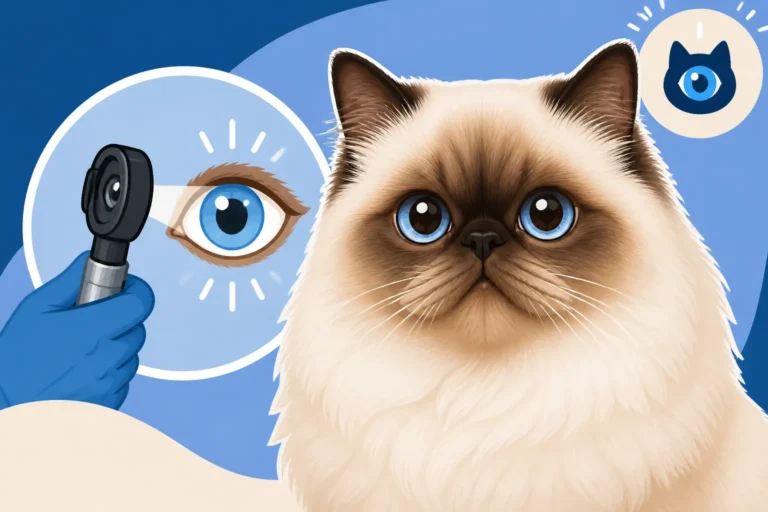
To understand what is happening inside your cat’s eyes, you have to look at the structural machinery at the back of the globe. The retina is a delicate layer of tissue composed of photoreceptor cells—rods and cones—that capture light and send signals to the brain. In cats affected by inherited retinal mutations, these photoreceptor cells are coded with a faulty genetic blueprint. Instead of developing normally and maintaining their structural integrity over a lifetime, the cells begin to degenerate prematurely. Retinal Atrophy Reached the Himalayan From the Persian Too, leaving many families unprepared for the gradual dimming of their cat’s world.
Understanding What Retinal Atrophy Does Behind a Himalayan’s Blue Eyes requires looking at the cellular level. The rod cells, which are responsible for low-light and night vision, typically break down first. As these cells wither, the retina thins significantly, and the blood vessels supplying the back of the eye begin to attenuate or shrink. Eventually, the cone cells, which process bright daylight and color, also deteriorate. Because this process is written directly into the cat’s DNA, it develops quietly and relentlessly, often long before an owner notices anything is visually amiss.
How Eye Degeneration Manifests in Himalayans
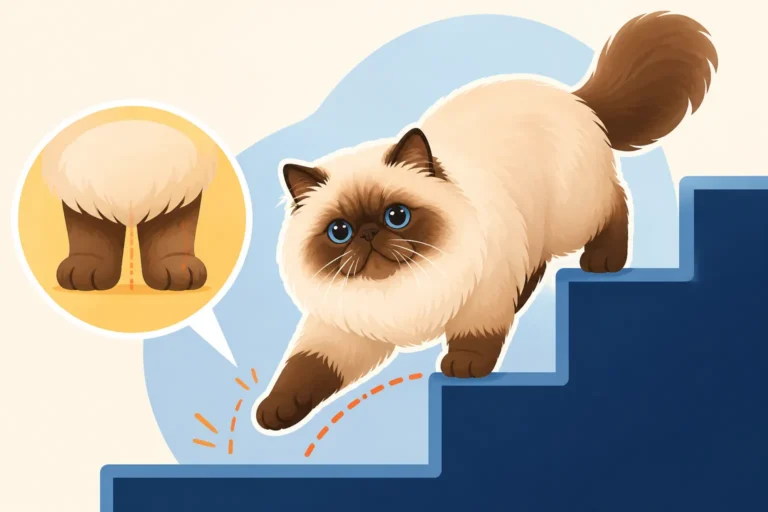
Because cats are master adaptors, early signs of retinal degeneration are easy to miss. A Himalayan living in a familiar home will rely heavily on memory, whisker sensitivity, and scent long before their vision fails entirely. In the earliest stages, you might notice subtle shifts in how your cat navigates low-light environments. They may hesitate on the top step before coming down for dinner, or they might bump into a footstool left slightly out of its usual position in the evening.
As light levels drop, an affected cat’s pupils will often remain unusually dilated as the eye desperately attempts to allow more light onto a failing retina. You might notice a strange, reflective sheen or “tapetal glow” when ambient light hits their eyes in a darkened room. This occurs because the thinning retina allows more light to bounce directly off the reflective layer behind it.
Over time, day vision begins to fail as well. You may observe How a Himalayan Behaves as Its Sight Goes, such as a broader, more hesitant gait, high stepping with the front paws, or a reluctance to jump onto high furniture that was once their favorite resting spot. Some Himalayans will vocalize more frequently when entering an unfamiliar room, using auditory feedback to orient themselves within a space.
The Impact of Brachycephalic Anatomy on Ocular Health
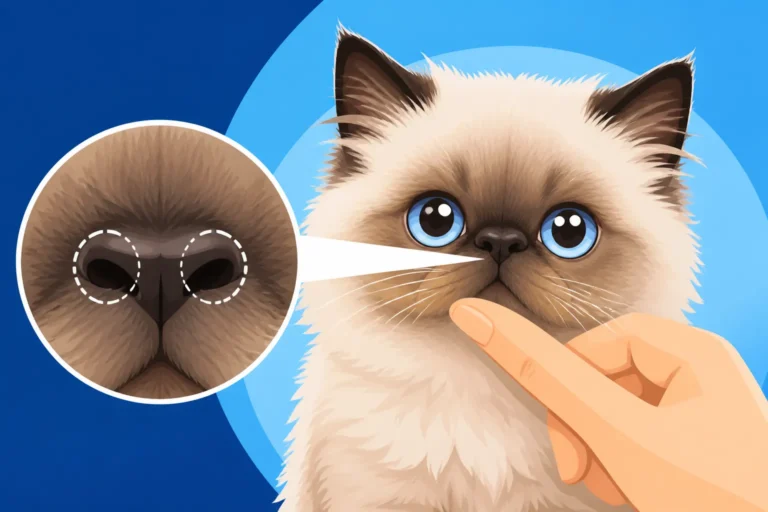
It is impossible to discuss Persian eye genetics without addressing the physical structure of the flat face itself. The shortened skull, shallow eye sockets, and flat facial profile—known as brachycephaly—create a distinct set of physical challenges that interact with genetic eye conditions. Because the eye sockets are shallow, a Himalayan’s large, round eyes sit in a far more exposed position than those of a cat with a normal, wedge-shaped head.
This structural exposure means the cornea is constantly subjected to ambient air, dust, and potential trauma. When a cat is already dealing with internal genetic degeneration of the retina, external surface complications only exacerbate their discomfort. Reduced corneal sensitivity, incomplete eyelid closure during sleep, and chronic tear film instability are common consequences of this flat-faced build. Protecting the outer eye becomes a primary defense mechanism when the inner eye is genetically compromised.
Can the Progression of Inherited Eye Conditions Be Slowed?
The core question every owner asks upon learning of a genetic vision condition is simple: can we stop or slow it down? The straightforward veterinary reality is that true inherited Progressive Retinal Atrophy (specifically the autosomal recessive forms inherited from Persian lines) cannot be cured or permanently reversed with current medical therapies. Because the condition is driven by a genetic mutation that starves photoreceptors of necessary proteins, pharmaceutical or surgical interventions cannot re-write the DNA within those cells once degeneration has begun.
However, saying the underlying genetic mutation cannot be halted does not mean you are helpless. The overall pace of functional vision loss and the cat’s comfort level can be heavily influenced by how you manage secondary ocular stress, inflammation, and environmental factors. By protecting the health of the remaining tissue and preserving the overall structure of the eye, you give your cat the best possible chance to retain functional navigation vision for as long as possible.
Medical and Nutritional Approaches to Support Retinal Health
While no magic pill reverses retinal decay, targeted nutritional support plays a key role in maintaining tissue integrity. Veterinary ophthalmologists often recommend specific antioxidant regimens formulated for feline ocular health. Antioxidants help neutralize free radicals and oxidative stress within the highly vascular tissue of the retina, potentially slowing down secondary cellular damage in surviving photoreceptor cells.
Key nutrients often discussed in feline eye care include:
- Taurine: An essential amino acid critical for photoreceptor function. While modern commercial cat diets are fortified with taurine to prevent deficiency-induced blindness, maintaining optimal levels ensures retinal cells are not undergoing nutritional strain.
- Lutein and Zeaxanthin: Carotenoids that concentrate in the retina, helping to filter harmful high-energy light waves and protect delicate neural tissue from photo-oxidative stress.
- Omega-3 Fatty Acids (EPA and DHA): Highly concentrated in retinal membranes, these essential fatty acids support cellular fluidity and help manage underlying low-grade inflammation within the vascular coat of the eye.
Beyond nutrition, managing external eye health is critical. If a Himalayan develops chronic surface inflammation or corneal ulcers due to their exposed eyes, the resulting pain and scarring severely degrade whatever remaining vision they have left. Using lubricating drops—specifically preservative-free artificial tears—helps maintain the protective tear film. Knowing Which Drops Suit a Himalayan’s Exposed Blue Eyes can prevent secondary surface damage that makes a failing retina significantly harder to cope with.
When establishing an eye-care regimen for a sensitive breed, diagnostic visits and ongoing care with a veterinary ophthalmologist are vital. Maintaining comprehensive pet insurance, such as policies provided by Healthy Paws, can help cover the costs of specialized diagnostic tests like electroretinography (ERG) or periodic fundic examinations without forcing you to compromise on specialized veterinary care.
Preserving Comfort and Quality of Life
When medical science cannot alter the underlying genetic code, your focus must pivot to managing your cat’s environment. Preserving a blind or vision-impaired Himalayan’s confidence is essential to preventing the anxiety, depression, and severe withdrawal that can accompany vision loss.
Here is a practical, step-by-step approach to adjusting your home environment for a sight-impaired Himalayan:
- Maintain Fixed Furniture Layouts: Avoid rearranging major furniture pieces, trash cans, or floor lamps. A sight-impaired cat creates a precise spatial map of the home in their memory. Moving a coffee table even a few inches can result in startling collisions.
- Establish Sensory Anchor Points: Place textured rugs or mats at key transition points, such as the base of stairs, near food bowls, or in front of litter boxes. The change in tactile sensation under their paws communicates location instantly.
- Keep Essentials Grounded: Ensure food, water, and litter boxes remain on floor level in permanent, easily accessible locations. Avoid asking a sight-impared cat to climb onto elevated platforms for resources.
- Block Off Physical Hazards: Use baby gates to block access to steep staircases, open balconies, or hazardous household areas where a misstep could result in a fall.
- Maintain Consistent Lighting: For cats in the early to mid-stages of PRA who retain partial day vision, keep ambient lighting consistent throughout the house using soft nightlights in hallways and near litter boxes to eliminate pitch-black zones.
Surprising to many owners, Why a Blind Himalayan Copes Better Than a Busier Breed becomes clear once you look at their temperament. The Himalayan’s calm, serene, sofa-loving nature works in their favor. Unlike high-energy, athletic breeds that insist on leaping to the top of refrigerators, a Himalayan is generally content remaining close to the floor, navigating at a dignified pace, and lounging in familiar warmth.
Diagnostic Testing and Breeder Responsibility
The single most effective way to address genetic Persian eye conditions in the Himalayan breed occurs long before a kitten is ever born. Responsible breeding practices, paired with modern DNA screening, have revolutionized our ability to protect future generations of this beloved breed.
Screening Before Symptoms Appear
Historically, breeders had to wait until a cat developed visible signs of retinal disease before removing them from a breeding program—often after that cat had already passed the mutation down to several litters. Today, advanced genetic panels can identify carrier cats with absolute precision via a simple cheek swab or blood sample.
There are two primary modes of genetic screening every prospective Himalayan owner should understand:
- DNA Testing for Known Mutations: Genetic tests can pinpoint specific gene mutations responsible for PRA (such as the PRA-rdAc mutation found in color-pointed lines and the PRA-pd mutation linked to Persian stock). A cat carrying two copies of an autosomal recessive mutation will develop the disease, while a cat with one copy is a carrier who should only ever be mated to a clear partner—or retired from breeding entirely.
- Fundic Examinations: Performed by a board-certified veterinary ophthalmologist, this non-invasive exam uses an indirect ophthalmoscope to inspect the back of the eye. The specialist evaluates the optic nerve head, retinal blood vessels, and tapetal reflectivity to detect early signs of retinal thinning before behavioral symptoms manifest.
It is critical for anyone looking to bring a kitten into their home to verify that both parents have been screened. Knowing Why a Himalayan Breeder Should Test Eyes as Well as Kidneys protects buyers from the emotional toll of dealing with preventable genetic diseases down the road. An ethical breeder will proudly show you documentation confirming Which Test Clears a Himalayan’s Eyes for both sire and dam.
Having reliable insurance coverage, such as a plan through Healthy Paws, locked in during early kittenhood ensures that if unexpected, non-inherited ocular issues arise later—such as sudden trauma or complex infections—you are fully equipped to pursue immediate specialist intervention without hesitation.
Comparing Ocular Conditions in Himalayans
To better understand how genetic retinal disease compares to other common eye issues seen in Himalayans, consider the following comparison table:
| Ocular Condition | Primary Cause | Primary Symptoms | Can Progression Be Slowed? | Typical Prognosis |
|---|---|---|---|---|
| Progressive Retinal Atrophy (PRA) | Inherited Genetic Mutation (Persian/Siamese side) | Night blindness, dilated pupils, tapetal glow, total loss of sight | No direct cure; antioxidants & environmental management support quality of life | Irreversible, painless total blindness over months/years |
| Corneal Ulceration | Structural exposure (Brachycephaly), trauma, or dry eye | Squinting, excessive tearing, cloudiness, eye rubbing | Yes; rapidly responsive to antibiotic drops and protective lubrication | Excellent if treated early; poor if neglected (risk of rupture) |
| Epiphora (Tear Overflow) | Blocked/Kinked tear ducts from flat facial structure | Chronic wetting of face, red-brown facial staining, skin dampness | Managed via daily hygiene, tear duct flushing, and structural monitoring | Chronic but manageable life-long condition; non-vision threatening |
| Entropion | Eyelids rolling inward due to facial skin folds | Eyelashes rubbing against cornea, severe weeping, blepharospasm | Yes; corrected definitively through specialized eyelid surgery | Excellent following surgical correction |
Caring for a Sight-Impaired Himalayan Long Term
Living with a cat experiencing vision loss requires shifting your daily routine to prioritize consistency, safety, and meticulous physical hygiene. Because a sight-impaired Himalayan relies so heavily on their remaining senses, keeping them physically comfortable prevents secondary health issues from draining their energy.
Daily Routines for Ocular and Facial Health
Because Himalayans have flat faces and prominent eyes, tear production and drainage are constant operational challenges. Normal tears contain porphyrins, iron-containing compounds that break down and turn a rusty reddish-brown when exposed to air. When tear ducts are compressed by flat facial bones, tears spill over onto the skin folds surrounding the nose and under the eyes.
Understanding Why a Himalayan’s Eyes Water All Day helps owners realize that daily cleaning is not just a cosmetic preference; it is essential preventative healthcare. If tear overflow is allowed to sit in the warm, dark facial folds, it creates a ideal environment for fungal and bacterial infections to take hold.
Here is a daily eye hygiene routine for your Himalayan:
- Gather Clean Supplies: Use lint-free cotton pads or specialized medical wipes soaked in lukewarm, sterile saline solution. Avoid dry tissues or rough cotton balls that leave irritating fibers behind.
- Wipe Outward: Gently wipe from the inner corner of the eye outward, following the natural direction of the skin fold. Use a fresh surface of the pad for each pass to avoid spreading debris.
- Clean the Facial Fold: Carefully lift the skin fold beside the nose and clean deep within the crease, removing any built-up crust or dark discharge.
- Dry Thoroughly: Finish with a dry, clean cotton pad to remove residual moisture. Skin that remains damp is highly susceptible to painful fold dermatitis.
Knowing how to differentiate between normal tear weeping and a medical issue is essential. Telling Ordinary Himalayan Tear Staining From an Infection comes down to discharge color and cat behavior. Clear or light tan tears that dry into reddish rust spots are standard; thick yellow or green discharge, squinting, swelling, or a closed eye point directly to an active infection that requires immediate veterinary care.
Maintaining a strong relationship with your veterinarian and utilizing trusted health resources like Healthy Paws helps keep long-term management stress-free. Whether you are scheduling routine senior bloodwork, managing dry eye, or addressing age-related vision changes, early intervention always yields the best results.
Embracing the Journey With Your Himalayan
A diagnosis of genetic eye degeneration can feel overwhelming at first. The thought of your beautiful Himalayan losing their sight naturally evokes grief and worry. But it is important to remember that cats do not experience vision loss with the emotional burden that humans do. They do not worry about the future or mourn the loss of color vision; they live entirely in the present moment.
With their keen hearing, incredibly sensitive whiskers, and deep connection to your scent and voice, a sight-impaired Himalayan can live a remarkably happy, safe, and fulfilling life. By understanding their genetic background, supporting their eye health through proper nutrition and hygiene, and creating a stable, secure home environment, you ensure that your cat continues to thrive as a beloved companion for many years to come.
Disclaimer
This article is for general informational purposes only and does not constitute professional advice. Laws, prices and regulations vary by location and change over time. Consult a qualified professional for guidance on your specific situation.