Retinal Atrophy Reached the Himalayan From the Persian Too
Few things are more disheartening than watching your beloved Himalayan cat struggle with something that slowly steals their independence, especially when it affects something as fundamental as their vision. The reality of inherited eye conditions, particularly Retinal Atrophy, can be a heavy burden for any cat parent to bear, creating a sense of helplessness as you witness your furry family member bumping into furniture or becoming disoriented. This comprehensive guide is here to shed light on Retinal Atrophy, tracing its lineage back to the Persian side of your Himalayan's family tree, helping you understand its progression, and providing practical ways to support your cat through this challenging journey.
Understanding Retinal Atrophy: A Silent Threat to Your Himalayan's Sight
Retinal Atrophy, often referred to as Progressive Retinal Atrophy (PRA), is a truly insidious condition because it typically works in the background, subtly at first, gradually eroding your cat's sight. It’s not something that strikes overnight with dramatic symptoms; instead, it’s a slow, progressive degeneration of the retina, the light-sensitive tissue at the back of the eye. For us cat parents, this slow progression can be particularly agonizing, as we might miss the earliest signs, attributing minor clumsiness to age or a temporary distraction. But underneath, the cells responsible for capturing light, the rods and cones, are slowly dying off, leading to irreversible blindness.
What is Progressive Retinal Atrophy PRA
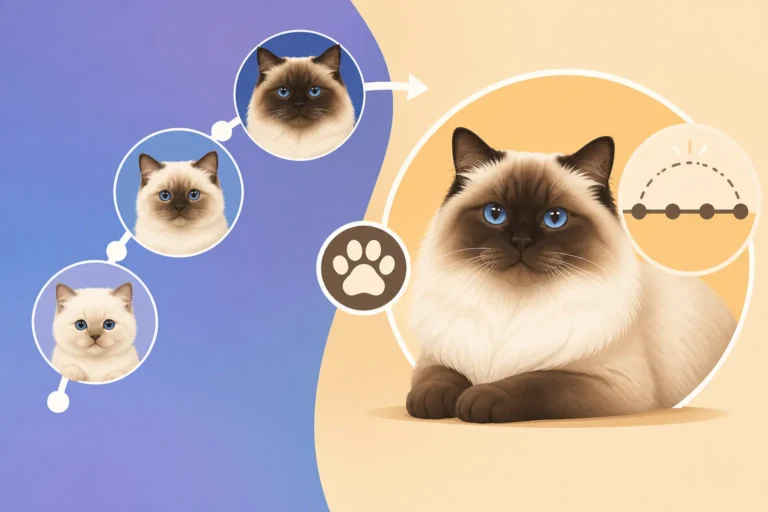
At its core, Progressive Retinal Atrophy isn't just one disease but rather a group of genetic disorders that all lead to the same heartbreaking outcome: blindness. In simple terms, think of the retina like the film in an old camera or the sensor in a digital one; it's what captures the images your brain then processes. When the cells in this "film" start to fail, the images become blurry, distorted, and eventually, disappear altogether. The "progressive" part of the name is key here – it means it gets worse over time. Your Himalayan might first struggle in dim light, then lose peripheral vision, and eventually, their entire world could go dark.
This isn't just a physical process; it's a silent invasion of their senses. Imagine navigating your familiar home, only to find the pathways becoming increasingly difficult to discern, especially in the evening. This is the reality for cats suffering from PRA. It affects their ability to hunt, play, and even just move comfortably through their environment. Understanding the precise mechanisms of PRA, which involve either a defect in the rod cells (responsible for night vision) or cone cells (responsible for day and color vision), or both, helps us grasp the full scope of what our cats are enduring. This insight is crucial for developing empathy and preparing for the changes we'll need to make as their caregivers.
The Genetic Link to the Persian Ancestry
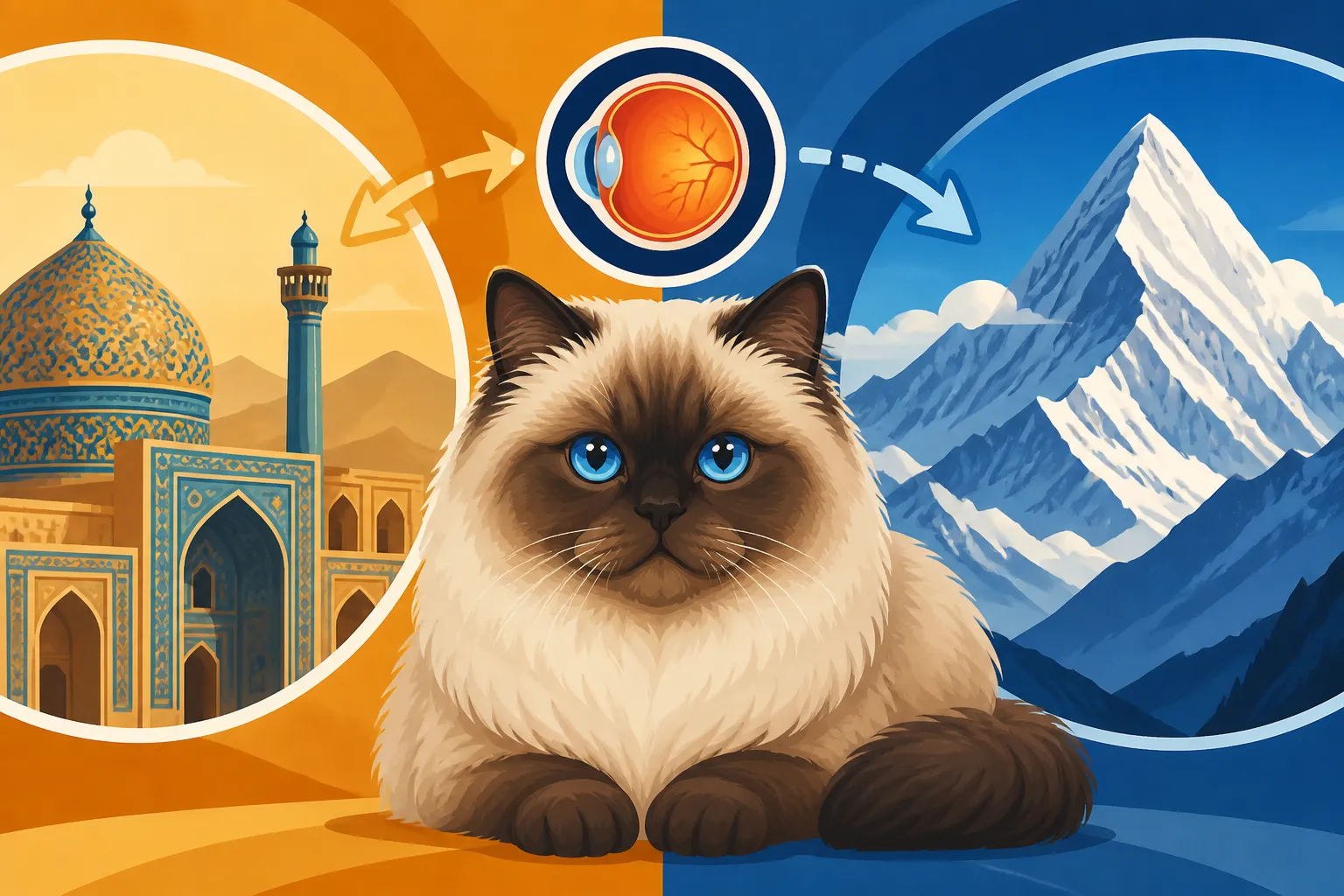
It's a common misconception that all genetic issues in a Himalayan cat are evenly split between its Siamese and Persian heritage. However, when it comes to certain conditions, one side of the family tree often bears a stronger influence. For Retinal Atrophy, the genetic trail points squarely to the Persian ancestry. Himalayans, as you know, are essentially Persian cats with the colorpoint gene that gives them their distinctive "points" – the darker coloration on their extremities. This means they inherit many of the Persian breed's characteristics, including some of their predispositions to certain health issues. We know that Every Himalayan Inherits Two Disease Lists, Not One, and PRA is definitely on the Persian side.
The specific gene mutations responsible for PRA in Himalayans are often the same ones identified in Persian cats. This inheritance pattern underscores why knowing your cat's lineage and the health history of their parent breeds is so incredibly important. Reputable breeders will be acutely aware of these genetic connections and will actively work to screen their breeding stock to prevent passing these devastating genes down to future generations. Without this diligence, the problem persists, often silently, within unsuspecting family lines, leading to heartbreaking outcomes for unsuspecting kitten owners.
The Emotional Toll on Owners
Let's be real, watching your beloved companion gradually lose their sight is an incredibly difficult experience. There's a profound emotional toll that comes with seeing your once confident and agile Himalayan become hesitant, bumping into furniture, or struggling to locate their food bowl. You might feel a mix of sadness, frustration, and even guilt, wondering if there was something you could have done differently. It's a natural reaction to want to protect our pets from all harm, and when something like PRA is largely out of our control, it can feel like a personal failing.
This emotional burden can manifest in many ways. You might find yourself constantly hovering, wanting to guide your cat every step of the way, which can ironically, hinder their own adaptation process. The dynamic of your relationship might shift as you become more of a caregiver, mourning the loss of the cat they once were, even as they are still very much present. It's important to acknowledge these feelings and give yourself grace. This journey is challenging for both of you, and seeking support from other cat owners who've navigated similar situations, or even a pet bereavement counselor, can be incredibly helpful. Remember, your cat still feels your love and presence, and your calm, patient approach will be their greatest comfort.
How PRA Manifests in Himalayan Cats: Early Signs and Progression
The early signs of Retinal Atrophy can be incredibly subtle, often so much so that they're easily dismissed or attributed to other factors. This makes diagnosis particularly tricky without proactive veterinary care and owner vigilance. Many of us don't immediately jump to "blindness" when our cat misses a jump or seems a little more cautious in the dark. Yet, these seemingly minor changes are often the first whispers of a significant problem brewing behind those beautiful blue eyes.
Subtle Changes in Behavior and Vision
One of the earliest and most common indicators that something might be amiss with your Himalayan's vision is a noticeable change in their behavior, particularly in low-light conditions. Have you noticed your cat becoming more hesitant to move around the house after dusk, or perhaps bumping into furniture they usually navigate with ease? This often signals a loss of night vision, which is one of the first things to go with certain forms of PRA. They might also become clingier, staying closer to you, especially in unfamiliar or poorly lit areas, using your presence as a guide.
Beyond nighttime issues, you might observe a general increase in caution. A cat that once confidently patrolled countertops (though we prefer they stay on the floor!) might now stick to lower surfaces. Their play might become less energetic, or they might struggle to track moving toys, batting at empty air more often than the actual object. You might also notice that their pupils appear more dilated than usual, especially in normal lighting, as their eyes try to let in more light to compensate for the diminishing vision. This isn't just about what they can't see, but How a Himalayan Behaves as Its Sight Goes, showing their adaptability and reliance on other senses.
The Different Forms of PRA in Himalayans
It's important to understand that PRA isn't a singular disease with a single pathway. There are actually several different forms, each with its own genetic mutation and age of onset. For Himalayans, the most common form tends to be an early-onset type where vision loss can become apparent relatively young, sometimes even before the age of five. This is distinct from some other breeds where PRA might not manifest until later in life. Knowing the specific type of PRA affecting the breed helps researchers and veterinarians in genetic testing and understanding the prognosis.
Some forms primarily affect the rod photoreceptors first, leading to initial night blindness, while others might impact cones, causing day blindness. Over time, both sets of photoreceptors can degenerate, leading to complete blindness. The progression rate can also vary, but generally, once symptoms begin, the degeneration continues. It's a complex genetic puzzle, but advances in veterinary ophthalmology and genetic testing are continually improving our ability to identify and understand these different manifestations, offering hope for eventual prevention and perhaps, even treatment.
When to Suspect Vision Loss in Your Cat
Suspecting vision loss in your cat can be difficult because cats are masters of compensation. They rely heavily on their other senses – hearing, smell, and whiskers – to navigate their world, often making it hard for owners to realize there's a problem until the vision loss is quite advanced. However, there are some key signs that should prompt a visit to your vet. If your Himalayan seems disoriented in new environments, hesitates at stairs, or is suddenly reluctant to jump onto familiar furniture, it's a red flag.
Another tell-tale sign is dilated pupils that don't constrict normally in bright light, or eyes that appear unusually reflective in flash photography. You might notice them walking with their head lower to the ground, sniffing more than usual, or becoming startled more easily by sudden movements or noises from unfamiliar directions. While these signs might seem minor individually, together they paint a picture. If you're concerned about How Retinal Atrophy Blinds a Himalayan by Five, don't wait. Early detection, while not reversing the condition, can help you and your vet plan for adaptations that will make your cat's life much more comfortable as their vision diminishes.
The Persian Connection: Tracing PRA's Origins in Himalayans
Understanding the lineage of your Himalayan cat is key to comprehending why certain genetic conditions, like Retinal Atrophy, are prevalent in the breed. The Himalayan cat, with its stunning colorpoint pattern and luxurious long coat, is a relatively new breed, developed through the deliberate crossbreeding of Siamese cats and Persian cats. While the Siamese contributed the distinctive "points" and vocal nature, the Persian brought the opulent coat, the cobby body type, and, unfortunately, some inherited health predispositions. It's a bittersweet legacy, as the traits we adore often come hand-in-hand with vulnerabilities.
Tracing the Genetic Trail: From Persian to Himalayan
The scientific community has thoroughly documented the genetic contributions of both parent breeds to the Himalayan. When we talk about Retinal Atrophy in Himalayans, we are primarily talking about the genes that originated on the Persian side. Persians have long been known to carry certain forms of PRA, and when they were selectively bred with Siamese cats to create the Himalayan, those genes were passed along. It's a classic example of how selective breeding, while aiming for desirable physical traits, can inadvertently concentrate undesirable genetic conditions if not meticulously screened.
Imagine a family tree where a particular trait, like a certain hair color, is passed down. Along with that hair color, there might be a predisposition to a certain condition that is less obvious. When the Himalayan breed was established, the focus was heavily on achieving the perfect blend of the Persian's plush coat and the Siamese's colorpoint pattern. The underlying genetic health, while always a concern for good breeders, wasn't always as thoroughly understood or easily screened for as it is today. This historical context is vital for understanding why PRA is so deeply rooted in the Himalayan's genetic makeup. It's a direct inheritance, not a new mutation specific to the Himalayan.
Why Selective Breeding Complicated the Issue
The very act of selective breeding, while crucial for establishing and refining breeds, can unfortunately create genetic bottlenecks. When breeders focus on specific traits – like the extreme flat face of some Himalayans, or a particular point color – they often draw from a smaller gene pool. This reduced genetic diversity increases the chances of two carriers of a recessive gene mutation being bred together, dramatically increasing the likelihood of offspring inheriting two copies of the faulty gene and thus developing the condition. This is precisely what happened with PRA in many Persian and, subsequently, Himalayan lines.
For many years, before the advent of widespread genetic testing, breeders had no way of knowing if a seemingly healthy cat was a carrier of a PRA gene. They might only discover a problem when kittens started developing vision issues. By then, the carrier cat might have already produced several litters, unknowingly propagating the faulty gene further. This challenge was compounded by the fact that the symptoms can be subtle or late-onset, making it even harder to identify affected animals or carriers through observation alone. This illustrates why the historical practices of breeding, while well-intentioned, often had unforeseen consequences for genetic health.
Understanding Autosomal Recessive Inheritance
Retinal Atrophy in Himalayans is typically inherited in an autosomal recessive pattern. This means a cat must inherit two copies of the faulty gene – one from each parent – to develop the disease. If a cat inherits only one copy, they are considered a "carrier" and will not show symptoms of PRA themselves, but they can pass the gene on to their offspring. This is where things get really tricky for breeders and why the condition became so widespread.
Consider this scenario:
- Clear Cat (NN): Has two normal genes, cannot develop PRA, and cannot pass on the faulty gene.
- Carrier Cat (Nn): Has one normal and one faulty gene. Does not develop PRA but can pass the faulty gene to 50% of its kittens.
- Affected Cat (nn): Has two faulty genes, will develop PRA.
If two carrier cats (Nn x Nn) are bred, statistically, 25% of their kittens will be affected (nn), 50% will be carriers (Nn), and 25% will be clear (NN). This is a stark reminder of why genetic testing of breeding stock is absolutely non-negotiable. Without it, even healthy-looking parents can produce affected kittens. This is quite similar to how PKD1 Came Down the Persian Side of a Himalayan, where a single copy is enough for PKD, but for PRA, two copies are typically required, making the carrier status even more elusive without testing.
Diagnosing Retinal Atrophy: What to Expect at the Vet
When you first notice those subtle changes in your Himalayan's behavior or vision, the initial visit to your regular veterinarian is crucial. They can perform a general health check and an initial eye exam to rule out more common, treatable eye issues. However, if PRA is suspected, a referral to a veterinary ophthalmologist – a specialist in animal eye conditions – is usually the next step. This is not because your regular vet isn't capable, but because an ophthalmologist has specialized equipment and expertise to accurately diagnose complex retinal diseases.
Initial Veterinary Examination and Ophthalmoscopy
Your primary vet will begin with a thorough physical examination, observing your cat's overall health and demeanor. They'll also perform a basic ophthalmic exam, which includes shining a light into your cat's eyes to check for obvious abnormalities like cataracts, corneal ulcers, or signs of inflammation. They might use an ophthalmoscope – a small instrument with a light source – to look at the retina at the back of the eye. In the early stages of PRA, there might not be any visible changes to the retina with a standard ophthalmoscope, which is precisely why it's so easy to miss.
However, as the disease progresses, a skilled vet might start to see changes like thinning of the retinal blood vessels, increased reflectivity of the tapetum lucidum (the reflective layer behind the retina), or atrophy of the optic nerve. These subtle clues are critical in prompting a referral to a specialist. It's important to remember that this initial visit is often about ruling out other issues and getting a baseline understanding of your cat's ocular health.
Specialized Ophthalmic Tests: ERG and Genetic Screening
Once you're with a veterinary ophthalmologist, they will likely employ more advanced diagnostic tools. The gold standard for diagnosing PRA is an electroretinogram (ERG). This non-invasive test measures the electrical activity of the retinal cells in response to light, much like an EKG measures heart activity. Even if the retina looks normal to the naked eye, an ERG can detect reduced or absent electrical responses, indicating the degeneration of the photoreceptors. The cat is usually gently sedated for this test, and electrodes are placed on the cornea and skin around the eye.
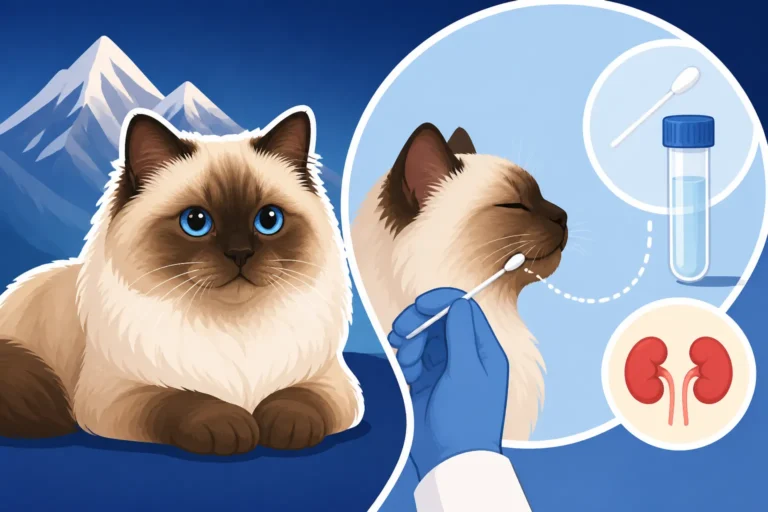
Alongside the ERG, genetic screening is paramount, especially for a definitive diagnosis and for breeders. A simple cheek swab or blood sample can be sent to a specialized laboratory to test for known genetic mutations associated with PRA in Persian and Himalayan cats. This test can confirm if your cat carries the faulty genes, even if they aren't yet showing symptoms (if they're a carrier) or if their PRA is caused by a specific, testable mutation. This is also how Which Test Clears a Himalayan's Eyes for breeding purposes, giving definitive answers about genetic status.
The Importance of Early and Accurate Diagnosis
Early and accurate diagnosis of PRA is crucial, not necessarily for treatment to reverse the condition (as there is currently no cure), but for proactive management and quality of life for your cat. Knowing definitively what you're dealing with allows you to make informed decisions about your cat's care, diet, and environment. It also provides peace of mind, replacing the uncertainty of "what's wrong?" with a clear path forward.
For breeders, an accurate diagnosis through genetic testing is absolutely vital. It allows them to remove affected and carrier cats from their breeding programs, preventing the spread of the disease to future generations. This is a responsibility that every breeder should take seriously, and prospective kitten buyers should always inquire about the genetic health testing of both parents, not just for PRA but for other inherited conditions. This proactive approach is the only way to truly eradicate these inherited conditions from beloved breeds.
Living With a Himalayan Experiencing Vision Loss: Adapting and Thriving
A diagnosis of Retinal Atrophy can feel overwhelming, but it doesn't mean your Himalayan's life is over. Cats are remarkably resilient and adaptable creatures, and with your patience, understanding, and some practical adjustments, they can continue to live full, happy lives. The key is to help them compensate for their diminishing sight by enhancing their other senses and making their environment as predictable and safe as possible.
Creating a Safe and Predictable Environment
One of the most important things you can do for a cat losing its vision is to maintain a consistent environment. Try to avoid moving furniture around, especially large items like sofas, tables, or their favorite cat tree. Their mental map of your home becomes incredibly important, and sudden changes can cause anxiety and disorientation. Keep pathways clear of clutter and obstacles that they might trip over. If you need to rearrange, do it gradually and give them time to adjust, perhaps by walking them through the new layout on a harness, if they tolerate it, or by gently guiding them.
Consider soft, comfortable beds in predictable spots. Their food and water bowls should always be in the same, easily accessible location. You might even consider using bowls with different textures or even a subtle scent cue near their station to help them locate it. Ensuring their litter boxes are in easy-to-reach, consistent spots is also paramount. A predictable environment fosters confidence and reduces stress, allowing them to rely on their memory and other senses to navigate. Remember, What to Leave Where for a Himalayan Losing Its Sight is more important than you might think.
Tips for Navigating the Home and Outdoor Spaces
To further assist your visually impaired Himalayan, think about using subtle cues to help them navigate. Placing different textured rugs or runners in key pathways can provide tactile feedback, letting them know they're approaching a door or a corner. Scent markers, like a drop of essential oil (cat-safe, of course, like lavender or chamomile, used sparingly and safely on an object, not on the cat directly) near their favorite sleeping spot or water bowl, can also be beneficial. Some owners even put jingle bells on other pets in the household so the blind cat knows where they are, preventing accidental bumps.
If your Himalayan has always enjoyed a catio or enclosed outdoor space, you might need to make some adjustments. Ensure it's fully enclosed and free of sharp edges or hazards. Limit the number of elevated platforms, or add ramps and secure steps to make them safe to access. Always supervise them closely in any outdoor area. It's a common misconception that blind cats are completely helpless; in reality, Why a Blind Himalayan Copes Better Than a Busier Breed because they often have a more placid nature and rely less on acrobatic feats. They can still enjoy fresh air and sunshine, but safety is paramount.
Maintaining Routine and Mental Stimulation
Cats thrive on routine, and for a visually impaired cat, routine becomes an anchor. Feeding times, playtimes, and grooming sessions should be as consistent as possible. This predictability helps reduce anxiety and allows them to anticipate events in their day. Even though they can't see, they still benefit immensely from interactive playtime. Focus on toys that make noise, like crinkle balls or toys with bells inside. Scented toys can also be engaging.
Puzzle feeders that require them to use their nose and paws to get treats can provide excellent mental stimulation. Just ensure the feeder is accessible for a flat-faced cat and doesn't require too much visual guidance. Talking to your cat frequently, using a consistent tone and phrases, can also provide comfort and reassurance. Let them know you're approaching before you touch them, to avoid startling them. Continue to offer affection and gentle grooming; these acts of comfort remain incredibly important. Even though Whether a Blind Himalayan Notices the Change in their environment through sight, they certainly notice your presence and care through touch and sound.
Prevention and Responsible Breeding: Protecting Future Generations
While there's no cure for Retinal Atrophy once it has taken hold, prevention is absolutely within our grasp, primarily through responsible breeding practices. This is where dedicated breeders play an indispensable role in safeguarding the health and well-being of the Himalayan breed. As prospective cat parents, understanding these efforts can empower you to make ethical choices that support healthy lines.
The Role of Genetic Testing for Breeders
For any serious and responsible Himalayan breeder, genetic testing for PRA (and other known genetic conditions like Polycystic Kidney Disease, or PKD) is not an option; it's a fundamental requirement. Before any cat is used for breeding, it should undergo a comprehensive ophthalmic examination by a board-certified veterinary ophthalmologist. This examination includes an ERG, as mentioned earlier, which can detect early signs of retinal degeneration even before clinical symptoms appear.
Crucially, genetic DNA tests should be performed on all breeding stock to identify carriers of known PRA mutations. This allows breeders to make informed decisions, ensuring that two carrier cats are never bred together. A cat identified as a carrier might still be bred, but only to a cat that has been tested and certified as "clear" of the specific gene mutation. This strategy helps to slowly reduce the prevalence of the faulty gene in the population without drastically reducing genetic diversity, which is also important for breed health. Why a Himalayan Breeder Should Test Eyes as Well as Kidneys is a question with a clear answer: to ensure the health of future generations.
Choosing a Reputable Himalayan Breeder
When you're searching for a Himalayan kitten, choosing a reputable breeder is arguably the most critical decision you'll make. A truly responsible breeder will be transparent about the health history of their breeding cats and will provide evidence of genetic testing for PRA and other conditions. Don't be shy about asking to see the genetic test results and ophthalmologist certificates for both parents. A good breeder will welcome these questions and be proud to share their comprehensive health screening efforts.
Beyond testing, look for breeders who prioritize the health and temperament of their cats over quick profits or obscure "rare" colors. They should have a clean, well-maintained cattery environment, and their cats should appear healthy, well-socialized, and alert. They should also be knowledgeable about the breed's health challenges and openly discuss them with you. A breeder who dismisses health concerns or cannot provide documentation of testing is a major red flag that should prompt you to walk away. Brands like Healthy Paws, an established pet insurance provider, often work with reputable breeders who emphasize preventative care and genetic screening, a good indicator of their commitment to health.
Breaking the Cycle: Eradicating PRA from Breeding Lines
The ultimate goal of all this testing and careful breeding is to eventually eradicate PRA from the Himalayan gene pool. This is a long-term endeavor that requires consistent effort and collaboration within the breeding community. By systematically identifying carriers and carefully planning matings, the frequency of the faulty gene can be significantly reduced over generations. It's a testament to the dedication of breeders who genuinely love the breed and prioritize its future health above all else.
This commitment goes beyond individual litters; it impacts the entire breed. Every clear-tested kitten born contributes to a healthier future. While it may take many years to fully eliminate the gene, the progress made through diligent testing and responsible breeding has already saved countless cats from the heartbreak of vision loss. It shows that conscious human intervention, guided by scientific understanding, can profoundly improve the lives of our beloved companion animals.
| Symptom Category | Early Signs of PRA (Subtle) | Advanced Signs of PRA (Obvious) |
|---|---|---|
| Night Vision | Hesitancy in dim light, slower movement at dusk | Bumping into objects in dimly lit rooms, complete disorientation after dark |
| Day Vision | Increased caution, missed jumps, difficulty tracking fast-moving toys | Bumping into objects even in bright light, startled easily |
| Navigation | Sticking to familiar paths, slight hesitation at stairs | Disorientation in familiar environment, unable to find food/litter |
| Eyes | Pupils slightly dilated in normal light, increased eye shine in photos | Pupils consistently dilated, eyes appear glassy or unfocused |
| Behavior | More clingy, easily startled, less interactive playtime, increased sniffing | Anxiety, reluctance to move, significant reliance on other senses |
| Interaction | May hesitate before engaging in play, less confident | Withdrawal from interaction, fear of being approached or touched |
Managing Secondary Concerns and Supporting Your Cat's Health
A diagnosis of Retinal Atrophy brings the immediate concern of vision loss, but it also opens the door to potential secondary issues that need to be addressed. Your cat's overall health and emotional well-being are paramount, and proactive management of these related concerns can significantly improve their quality of life. It’s not just about their eyes, but about their entire existence.
Addressing Anxiety and Behavioral Changes
Vision loss can be a source of significant anxiety for cats. The world suddenly becomes a scarier, less predictable place. You might notice your Himalayan becoming more withdrawn, hiding more often, or even exhibiting new behaviors like increased vocalization (though The Himalayan Kept the Siamese Voice and Lost the Volume, so it's often more a plaintive call than a loud yowling) or clinginess. They might become easily startled by sudden noises or unexpected touches. It’s important to approach these changes with empathy and patience. Punishment will only worsen their anxiety.
Creating a calm, consistent environment, as discussed earlier, is the first step. You can also talk to your vet about anxiety-reducing strategies. This might include feline pheromone diffusers (like Feliway), calming supplements, or in some cases, mild anti-anxiety medication if their stress levels are severely impacting their quality of life. Gentle, predictable interactions, establishing a strong routine, and providing safe, quiet spaces where they can retreat are crucial for their emotional well-being. Regular, quiet cuddle sessions can also do wonders for their sense of security.
Nutritional Support and Overall Well-being
While diet cannot reverse or cure PRA, a balanced, high-quality diet is always essential for your cat's overall health and can support their remaining eye health. Some veterinarians and nutritionists may suggest specific supplements, such as antioxidants (like Vitamins E and C), lutein, and omega-3 fatty acids, which are known to support ocular health in general. While these won't stop the progression of PRA, they can contribute to the overall health of the eye and potentially offer some supportive benefits.
Always consult your veterinarian or a veterinary nutritionist before adding any supplements to your cat's diet, as inappropriate dosing can be harmful. Beyond supplements, ensure your cat has easy access to their food and water bowls. Shallow, wide bowls are often easier for flat-faced cats like Himalayans to eat from without discomfort or getting food on their ruff. If your cat is struggling to find their bowls, consider elevating them slightly or placing them on a mat that provides a distinct tactile or olfactory cue.
When to Seek Specialist Veterinary Care
While your general vet is a great starting point, a veterinary ophthalmologist is the specialist who can offer the most accurate diagnosis and ongoing management advice for PRA. They have the specialized equipment and knowledge to conduct tests like ERG and interpret the results accurately. Beyond the initial diagnosis, regular follow-up appointments with the ophthalmologist can help monitor the progression of the disease and address any secondary eye issues that might arise, such as glaucoma or cataracts (though PRA itself is not a direct cause of cataracts, other conditions can coexist).
It's also wise to consider pet insurance, even before any major health issues arise. Providers like Healthy Paws can help cover the costs of these specialist visits, advanced diagnostics, and any potential long-term care, easing the financial burden on you and allowing you to focus on your cat's well-being. Even if your cat is already diagnosed, some policies might still cover certain aspects of care, though it's always best to get insurance early. Maintaining open communication with both your primary vet and the ophthalmologist ensures a comprehensive and coordinated approach to your Himalayan's health.
Disclaimer
This article is intended for informational purposes only and does not constitute medical advice. Always consult with a qualified veterinary professional for any health concerns or before making any decisions related to your pet's care.