The Age a Himalayan’s Points Stop Changing
It's completely normal to feel a bit like you're watching a living art project unfold when you have a Himalayan cat, especially when it comes to their gorgeous coat and points. Many new owners, and even some seasoned ones, find themselves wondering why their kitten's colors keep changing, or if there's a specific moment when those stunning points decide to finally "settle." This guide is here to shed light on the fascinating, sometimes mysterious, process of Himalayan point development, explaining when those vibrant colors typically reach their mature state and what factors can influence them throughout your cat's life.
The Science Behind Himalayan Point Coloration
Himalayan cats are truly unique in their coloring, which isn't just a pretty facade but a direct result of some truly remarkable genetics. Understanding the science behind it can help explain why your cat's coat is in a constant state of subtle flux, especially during those early, formative years. It’s not just magic; it’s a specific temperature-sensitive gene at work!
The Temperature-Sensitive Gene at Play
The distinctive "points" – the darker coloration on the ears, face, paws, and tail – are all thanks to a specific genetic mutation that affects the production of melanin, the pigment responsible for color in fur. This particular gene is responsible for a temperature-sensitive enzyme called tyrosinase. Think of tyrosinase as the tiny artist within your cat's body, but this artist only works when it's cool enough. In the warmer parts of your cat's body, like its torso, the enzyme is inactive, leading to little or no pigment production, resulting in that pale, often cream or fawn body coat. However, in the cooler extremities – the ears, nose, paws, and tail – the enzyme becomes active, producing melanin and creating those rich, dark points. This is why a Himalayan's Point Color Is a Record of Where It Sleeps, literally reflecting the temperature of different body parts. It's a marvel of nature that defines the entire breed.
A Kitten's Early Paleness
When Himalayan kittens are born, many new owners are surprised to find them almost entirely white or a very pale cream. This initial paleness is perfectly normal and totally expected, even for a future seal point destined to be quite dark. The reason for this lies in their time spent in their mother's womb. Inside the queen's uterus, the temperature is uniformly warm, preventing the temperature-sensitive tyrosinase enzyme from activating and producing pigment. As a result, kittens emerge looking like little fluffy snowballs. It's only once they are exposed to the cooler ambient air of the outside world that their points begin to gradually emerge and darken. This early stage is crucial, as the first few weeks will show the first hints of what their adult coloration will eventually become.
Genetic Blueprint Versus Environmental Factors
While the temperature-sensitive gene provides the fundamental mechanism for point coloration, the exact shade and depth of those points are determined by your cat's underlying genetic blueprint. Whether your Himalayan will be a seal point, blue point, flame point, chocolate point, or even a lilac point is all decided by the specific genes inherited from its parents. These genes dictate the base color. However, environmental factors play a significant role in how that genetic potential is expressed. Temperature, as we've discussed, is the primary external influence, but things like diet, general health, and even hormonal changes can subtly tweak the vibrancy and depth of the points throughout their life. It's a delicate balance, and understanding this interplay helps us appreciate the complexity behind each cat's unique beauty.
The Primary Window of Color Change: Kittenhood to Young Adulthood
If you're wondering when those points will stop their fascinating dance of darkening and defining, the most significant period of change occurs from kittenhood through their first couple of years. This is when the true magic happens, transforming them from a pale fluffball into the majestically pointed feline we all adore.
From Weeks to Months: The Kitten Transformation
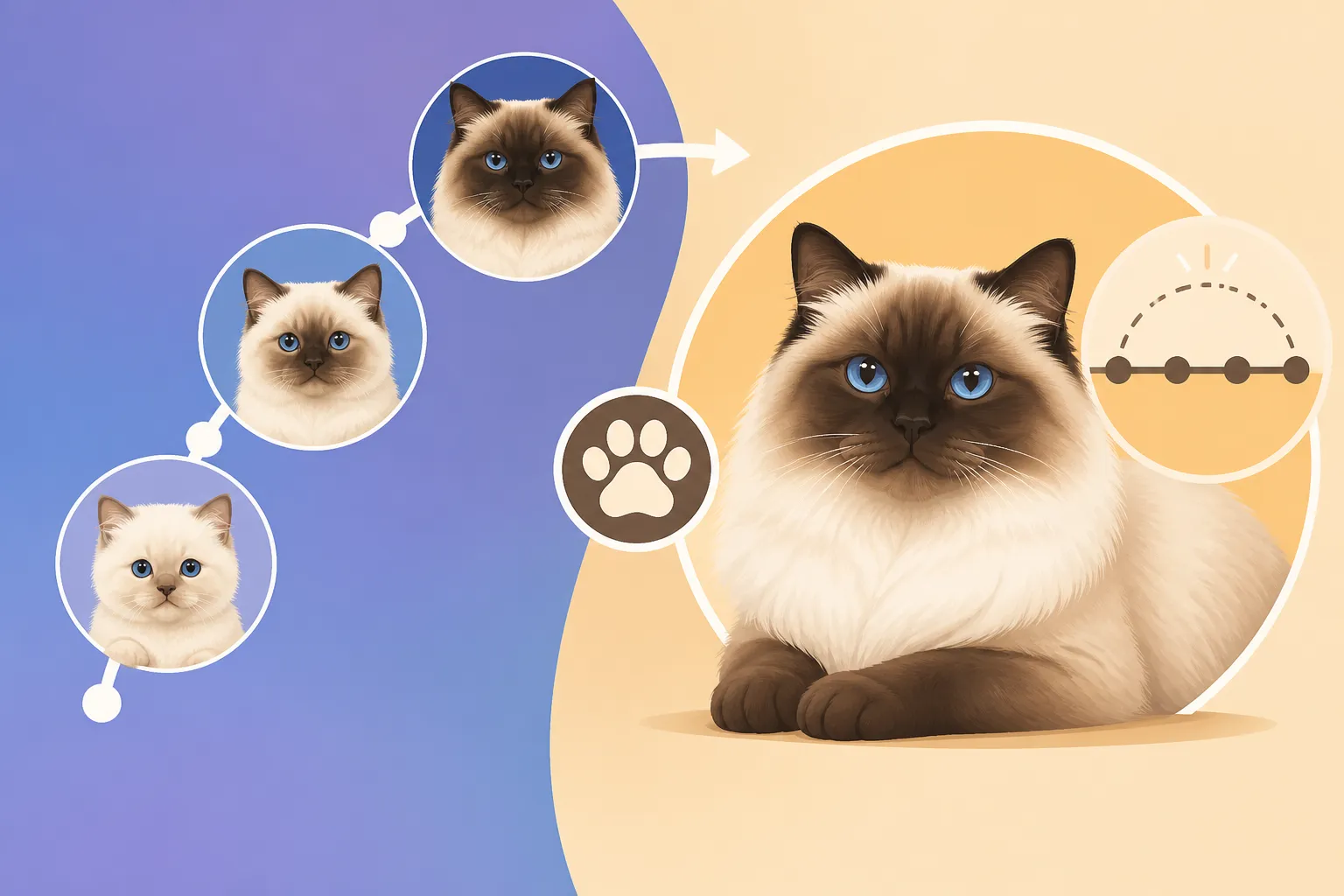
The journey from a nearly white newborn to a distinctly pointed kitten is incredibly rapid and captivating. The very first hints of color usually appear on the nose and ears, often around two to four weeks of age. By the time a Himalayan kitten is eight to twelve weeks old, when they are typically ready to go to their new homes, their points will be much more defined on their ears, nose, paws, and tail. This is usually dark enough for an experienced breeder to accurately identify their point color – whether it's a deep seal, a cool blue, or a warm red. You'll see the color creeping up their legs and tail, slowly saturating those cooler areas. If you want to know more about this exciting stage, you can read How Many Weeks Before a Himalayan Kitten's Points Show for a detailed timeline. It's truly astonishing how much they change in such a short amount of time!
The Adolescent Deepening: Six Months to Two Years
While the initial points are visible early on, the true depth and saturation of your Himalayan's adult point color don't typically set in until they reach young adulthood. From around six months up to two years of age, you'll notice a continued deepening of their points. A seal point might transition from a medium brown to a rich, dark seal brown; a blue point's slate grey might intensify to a more striking, smoky blue. This period also sees the body coat stabilize, often becoming a very pale cream or even bright white, providing that beautiful contrast with the darker points. This is the time when the cat truly begins to embody the full aesthetic of the breed standard. Any significant hormonal changes, such as spaying or neutering, which often occur during this window, can also influence coat development, sometimes leading to a slight darkening of the body over time.
Body Color Development and Contrast
Beyond just the points, the development of the Himalayan's body color is equally important and goes hand-in-hand with point maturation. Ideally, the body coat should remain as pale as possible to create a striking contrast with the dark points. This contrast is highly valued in the breed standard. However, several factors can influence the body coat's shade. As the cat ages, or if they live in a consistently cooler environment, the body coat can sometimes take on a slightly darker, "smuttier" tone. This means it might shift from pure white to a light cream, fawn, or even a soft greyish hue, especially along the back. Understanding this phenomenon is key, as a beautifully contrasting coat is a hallmark of the breed. If you're curious about the impact of temperature, you might find Why a Himalayan in a Cold House Darkens All Over helpful. For show cats, maintaining optimal contrast is vital, and Why a Poorly Contrasted Himalayan Loses in the Ring explains why judges prioritize this aspect.
Factors That Influence Point Color Beyond Adolescence
Even once your Himalayan has passed its second birthday and its points have largely "set," don't be surprised if you still notice subtle shifts in their coloration. These changes are usually less dramatic than in kittenhood but are a continuous testament to the dynamic nature of their unique coat.
Environmental Temperature and Lifestyle
Temperature remains a lifelong influencer on your Himalayan's coat. A cat living in a consistently cooler home environment will naturally tend to develop slightly darker points and potentially a deeper body color than a Himalayan living in a warmer climate. It's the same temperature-sensitive enzyme still doing its thing! Even micro-climates within your home can have an effect. If your cat has a favorite spot on a cold tile floor, you might notice the fur in that area getting a little darker over time. Conversely, a cat that loves to bask in a warm sunbeam might have slightly lighter points on the areas most exposed to heat. This phenomenon is vividly explained in How Temperature Decides a Himalayan's Point Color, highlighting the ongoing dance between your cat and its environment. While Himalayans should ideally be indoor cats for their safety and health, any exposure to cooler temperatures will naturally impact their coat.
Diet, Nutrition, and Overall Health
What goes into your Himalayan's body can also show on the outside. A high-quality diet rich in essential fatty acids and proteins is crucial for maintaining a healthy, vibrant coat. Nutritional deficiencies or a poor-quality diet can sometimes lead to a duller coat, or even subtle changes in color and texture. While diet won't fundamentally change a seal point into a blue point, it certainly influences the richness and depth of the existing color. Additionally, any chronic illness or significant stress can impact coat quality and coloration. When your beloved cat faces health challenges, especially as they get older, the costs associated with their care can become a real concern. This is where having a reliable pet insurance plan, like one from Healthy Paws, can really make a difference, allowing you to focus on their recovery without added financial stress. Proper nutrition is just one piece of the puzzle, but an important one for overall well-being and a lustrous coat.
Hormonal Changes and Aging
Hormonal shifts, particularly those associated with spaying or neutering, can sometimes cause a thickening of the coat and even a slight darkening of the body color over time. This is a common observation among many long-haired breeds. Beyond that, the most noticeable change in point coloration after young adulthood is the gradual darkening that occurs with age. As a Himalayan cat grows older, their points tend to become deeper and more extensive, sometimes even creeping further up their legs and body. This is a natural part of the aging process, and it's why an old Himalayan looks almost solid colored, as senior Himalayans can appear significantly darker than their younger selves. Even injuries or medical procedures can temporarily affect coat color: if a patch of fur is shaved for surgery, the new hair that grows back will often come in darker than the surrounding body coat because the skin underneath is cooler during the regrowth phase, as detailed in Why a Shaved Patch Grows Back Dark on a Himalayan.
Recognizing "Finished" Points Versus Ongoing Fluctuations
It's natural to want to know when your Himalayan's beautiful points are truly "done" changing. While the most dramatic transformations happen early on, understanding the difference between the settling phase and lifelong, subtle fluctuations is key to appreciating your cat's evolving beauty.
When to Consider Points "Set"
For most Himalayans, the primary development and deepening of their point colors largely conclude by the age of two to three years. By this point, the pigment production in the cooler areas of their body will have reached its near-maximum saturation, giving you a very good indication of their adult shade. The body color, ideally a pale contrasting hue, should also be largely stable. While a cat's coat is a living, breathing thing and will always be subject to minor environmental influences, the dramatic shifts seen in kittenhood and adolescence generally come to a halt around this age. This is when breeders and judges consider the cat's "color" to be established for competition purposes, reflecting its mature genetic expression.
Minor Changes You Might Still Observe
Even after their points are considered "set," you might still observe minor, ongoing fluctuations. These are typically much less pronounced than the early changes. Seasonal variations, for example, can cause subtle shifts; some Himalayans might have slightly darker points and a denser body coat in winter compared to summer, as explored in Whether a Himalayan's Points Fade in Summer. Localized changes due to injury or illness are also common. As mentioned, if an area of fur is shaved, the regrowth will almost always come in darker. These aren't indicators of a point "change" in the same way a kitten's coat develops, but rather environmental responses. And of course, the general, gradual darkening of points as a cat ages is a natural, albeit slow, process that continues throughout their life, leading to the rich, deep tones often seen in older cats.
The Judge's Eye: How Point Color is Scored
For those interested in the show world, point color and contrast are incredibly important aspects of the Himalayan standard. Judges are looking for clear, well-defined points that are consistently colored and in sharp contrast to a pale body coat. The specific shade for each point color (e.g., a deep, warm brown for seal points, a cool, slate gray for blue points) is also critical. A Himalayan with a body coat that is too dark, or points that are mottled or indistinct, will generally lose points in competition. While your beloved pet Himalayan doesn't need to conform to these strict criteria, understanding what judges look for helps appreciate the genetic and environmental factors that breeders strive to optimize. Ultimately, a pet Himalayan's unique variations in color only add to their charm, regardless of show standards.
Practical Tips for Maintaining Your Himalayan's Coat and Color
Keeping your Himalayan's coat looking its best isn't just about aesthetics; it's about overall health and comfort. While you can't fundamentally change their genetically determined point color, you can certainly support its vibrancy and prevent issues that might detract from its beauty.
Managing Environmental Temperature
Since temperature is such a critical factor in point coloration, maintaining a consistent and comfortable indoor environment is key for your Himalayan. Avoid extreme temperatures. In warmer climates or during summer, providing cool resting spots – perhaps a tile floor or a cooling mat – can help prevent their body coat from darkening excessively and help them stay comfortable. Conversely, keeping your home reasonably warm in winter can help maintain good contrast, though some natural darkening of points is still expected with age. Remember, Himalayans, with their thick Persian coats and often flattened faces, can overheat easily, so keeping them cool is also a vital health consideration.
Grooming Practices and Hydration
A Himalayan's magnificent long coat demands consistent care. Daily combing is not just for preventing mats; it also helps distribute natural oils and ensures good air circulation, which can indirectly influence coat health and appearance. The Daily Comb a Himalayan Cannot Skip emphasizes just how crucial this routine is. Neglecting grooming can lead to uncomfortable mats, which can trap heat and even cause localized skin issues, potentially affecting the underlying fur color. Regular grooming, especially with a good quality steel comb, is essential. Beyond grooming, adequate hydration is paramount. Ensure your Himalayan always has access to fresh, clean water. Good hydration supports healthy skin and coat, and it's especially important for breeds like Himalayans, who can be predisposed to certain kidney issues, making water intake even more critical for their overall health. If you're managing a cat with health concerns, ensuring they drink enough is key, and this can be part of why pet owners consider options like Healthy Paws for comprehensive care.
Dietary Considerations for a Vibrant Coat
Just as with humans, a healthy diet contributes immensely to a cat's skin and coat condition. Feeding a high-quality cat food rich in animal-based protein and essential fatty acids, particularly Omega-3 and Omega-6, can help promote a shiny, healthy coat. These nutrients contribute to skin barrier health, which in turn supports healthy hair follicles. While specific "color-enhancing" foods are often marketed, the best approach is to provide a balanced, premium diet that meets all their nutritional needs. Some owners find that certain supplements, like fish oil, can further boost coat luster. While diet won't turn a blue point into a chocolate point, it absolutely contributes to the overall vibrancy, softness, and health of the fur, making those points truly shine and the body coat remain pristine. This commitment to their diet is a small, but vital, part of their long-term well-being and appearance.
Disclaimer
This article is intended for informational purposes only and does not constitute veterinary advice. Always consult with a qualified veterinarian for any health concerns or before making any decisions about your pet's care or treatment.