How Many Himalayan Lines Still Carry PKD
It's incredibly frustrating, isn't it? You fall in love with the majestic beauty and sweet nature of a Himalayan cat, but then you start hearing whispers about Polycystic Kidney Disease, or PKD, and a knot forms in your stomach. No one wants to bring a beloved pet home only to face a chronic, debilitating illness. This guide aims to demystify PKD in Himalayan lines, giving you a clear, realistic picture of its prevalence today and how you can ensure your future feline companion is as healthy as possible.
Understanding the History of Polycystic Kidney Disease PKD in Himalayans
Before we talk about the present, it’s crucial to understand where PKD came from and why it became such a concern for Himalayan enthusiasts. This isn't just some random ailment; it's a condition deeply intertwined with the breed's lineage and, for a time, a significant challenge for responsible breeders.
The Persian Connection and Early Prevalence
The Himalayan cat, with its stunning color points and luxuriant coat, is essentially a Persian cat with Siamese coloring. This means that much of its genetic blueprint, including some predispositions to certain health issues, comes directly from its Persian ancestors. Polycystic Kidney Disease, an inherited disorder where fluid-filled cysts develop in the kidneys, causing them to enlarge and eventually fail, is one such condition that was rampant in Persian lines. When the Himalayan was developed, this genetic vulnerability came along for the ride.
For decades, PKD was a silent threat, often not revealing itself until a cat was in middle age, typically between three and ten years old. Imagine the heartbreak: you've cherished your beautiful Himalayan for years, and suddenly, they start showing signs of kidney failure – increased thirst, weight loss, lethargy. Back then, vets could only manage the symptoms, not prevent the disease, because the underlying cause was largely unknown to many breeders, and certainly not detectable in kittens. It's a stark reminder of how much we rely on advances in veterinary science and genetic understanding. You can read more about how PKD1 Came Down the Persian Side of a Himalayan.
Why PKD Was Such a Devastating Problem
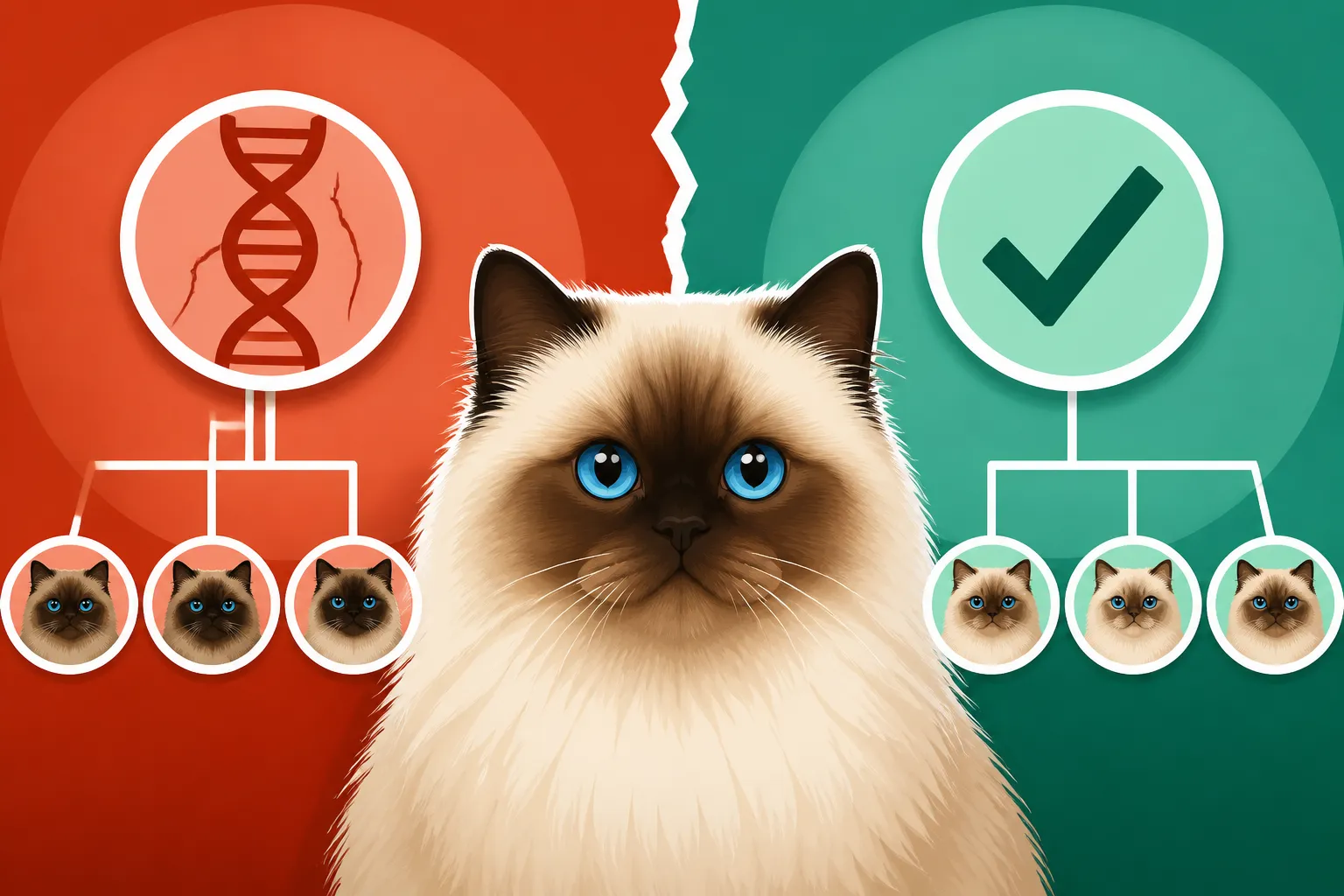
Before genetic testing became widely available, breeders often didn't realize they were perpetuating PKD in their lines. A cat could carry the gene, appear perfectly healthy for years, and pass the defective gene on to its offspring. Since it's an autosomal dominant trait, a cat only needs one copy of the gene to develop the disease, and to pass it on to roughly half of its kittens. This genetic roulette meant that even carefully planned breedings could result in affected kittens, and the disease quietly spread through many pedigrees. The impact on the cats themselves was devastating; while some cats might only develop a few cysts and live a relatively normal life, others would suffer from rapidly progressing kidney disease, leading to a much shortened lifespan and significant discomfort. Understanding Why PKD Needs Only One Copy in a Himalayan really highlights the challenge. The emotional and financial toll on owners was immense, as they watched their beloved companions slowly succumb to a disease that, at the time, felt unavoidable. It was a real nightmare for those who dedicated their lives to these magnificent felines.
The Impact of Genetic Testing on PKD Prevalence
The landscape dramatically shifted with the advent of genetic testing. This breakthrough wasn't just a minor improvement; it was a game-changer that empowered breeders and transformed the health prospects for future generations of Himalayans.
The Revolution of the PKD1 Gene Test
In the early 2000s, a specific gene mutation, PKD1, was identified as the primary cause of PKD in Persians and, by extension, Himalayans. This discovery led to the development of a simple, non-invasive DNA test that could definitively determine if a cat carried the PKD1 gene, even if they showed no symptoms. This was revolutionary! Finally, breeders had a tool to identify affected cats before they were bred, breaking the cycle of inheritance.
The test typically involves a quick cheek swab – a simple procedure that causes no discomfort to the cat. This meant that responsible breeders could test their entire breeding stock and ensure that only PKD-negative cats were used for reproduction. Imagine the relief! No more guessing, no more hoping; just a clear, scientific answer. This genetic test allowed for informed decisions, and the implications for the future health of the breed were profound. It’s truly amazing how a small swab can provide such critical information for a cat's entire lifespan. You can learn more about How a Himalayan Is Swabbed for the Persian Kidney Gene.
The Dramatic Decline in PKD Positive Lines
With the widespread adoption of the PKD1 gene test, particularly by ethical and reputable breeders, the prevalence of PKD in well-managed Himalayan lines has plummeted dramatically. Many serious catteries now proudly advertise their "PKD negative" status, and often provide the documentation to prove it. In fact, among breeders who routinely test their cats and diligently remove PKD-positive individuals from their breeding programs, the disease is now considered largely eradicated.
This isn't to say it's vanished entirely, but the difference is night and day compared to the pre-testing era. Before the gene test, it was estimated that a significant percentage of Persian and Himalayan cats carried the gene – some studies suggested upwards of 30-50% in certain populations. Today, in registered, health-conscious breeding circles, that number is incredibly low, often in the single digits or even close to zero. This success story is a testament to the power of responsible breeding practices and the commitment of many to the long-term health of the breed. It shows what can be achieved when scientific knowledge is embraced and applied.
Current Status: How Many Himalayan Lines Still Carry PKD Today?
So, after all those efforts, what's the real situation now? The good news is, if you're looking for a Himalayan kitten, you have a much better chance of finding one from PKD-free lines than ever before. However, the caveat is where you look.
The Persistence in Unscreened or Unethical Breeding
While PKD has been largely bred out of reputable lines, it's crucial to understand that it hasn't completely disappeared from the entire Himalayan population. Unfortunately, PKD still persists in what are often referred to as "backyard breeder" operations or catteries that do not adhere to ethical breeding standards. These are individuals who may not be aware of the PKD1 gene test, or who choose to skip it to save costs or avoid having to retire a popular breeding cat.
In these unscreened lines, the historical prevalence rates of PKD can still be relevant. This means that if you acquire a Himalayan kitten from a breeder who cannot provide proof of PKD testing for the parents (or even for the kitten itself), you run a significant risk. These kittens may still inherit the gene, and you could find yourself dealing with the heartache of a cat developing kidney disease later in life. It’s a painful reality that not everyone prioritizes health over profit or convenience. This is why you often find that a cheap Himalayan was never kidney tested.
Finding PKD-Free Himalayan Lines
For those looking to welcome a Himalayan into their home, the goal is to find a kitten from parents who are certified PKD-negative. How do you do that? It primarily comes down to working with reputable, ethical breeders. These breeders will be transparent about their testing protocols and will readily provide documentation for their breeding cats.
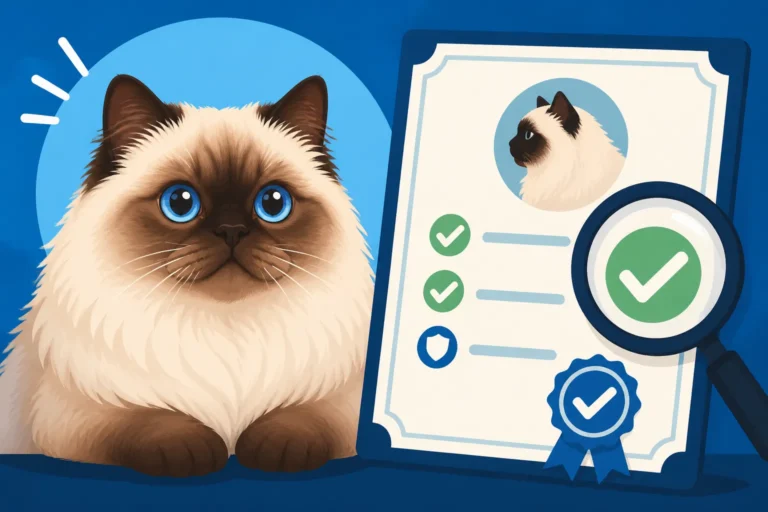
When you speak to a breeder, ask directly about PKD testing. They should be able to show you certificates from a veterinary genetic testing lab for both the mother and father of your prospective kitten. These certificates will typically state "N/N" or "Homozygous Normal," meaning the cat does not carry the PKD1 gene. A breeder who hesitates, makes excuses, or claims they "don't believe in genetic testing" is a huge red flag. Don't be shy about asking for proof; it's a critical step in ensuring your future companion's health. Remember, a truly responsible breeder wants you to be informed and confident in your choice. You can learn more about How to Read a Himalayan's PKD Certificate.
Here’s a quick overview of what to expect:
| Aspect | Before Widespread Genetic Testing (Pre-2000s) | After Widespread Genetic Testing (Post-2000s) |
|---|---|---|
| Prevalence in Breed | High (estimated 30-50% in some populations) | Very Low in reputable, tested lines (near 0%) |
| Detection Method | Ultrasound (often later in life), Necropsy | DNA cheek swab (any age), Ultrasound |
| Breeding Strategy | Uninformed, accidental perpetuation | Informed, selective breeding to eliminate PKD |
| Risk to Kitten Buyer | Significant | Minimal if purchasing from tested lines |
| Breeder Responsibility | Limited by available technology | High, expected to test all breeding stock |
Ensuring Your Himalayan Comes from Clear Lines
Bringing a new kitten home is a big step, and you want to do everything you can to ensure they have a long, healthy life. When it comes to PKD, there are clear steps you can take to minimize risk and maximize peace of mind.
Verifying Breeder Claims and Certifications
A responsible breeder won't just tell you their cats are PKD-negative; they'll show you the proof. When inquiring about a kitten, always ask to see the genetic test results for both parent cats. These results should come from a reputable laboratory, clearly state the cats' names and registration numbers, and confirm their PKD1 status as "N/N" (normal/clear). Don't just take their word for it, and don't settle for vague assurances. It's your right as a prospective owner to see this documentation.
Additionally, a good breeder will often provide a health guarantee that covers genetic conditions like PKD. While a guarantee won't prevent the disease, it offers some protection and shows the breeder stands behind the health of their kittens. Reputable breeders understand the importance of transparency and will be happy to walk you through all the health screenings their cats undergo. They know that your peace of mind is paramount. Always insist on Which Two Certificates a Himalayan Breeder Owes You.
What to Do If You Suspect PKD in Your Himalayan
Even with all the precautions, sometimes unexpected health issues arise. If you already have a Himalayan and are concerned about PKD, or if you've adopted a cat whose history is unknown, there are steps you can take. The first and most important step is to schedule an appointment with your veterinarian.
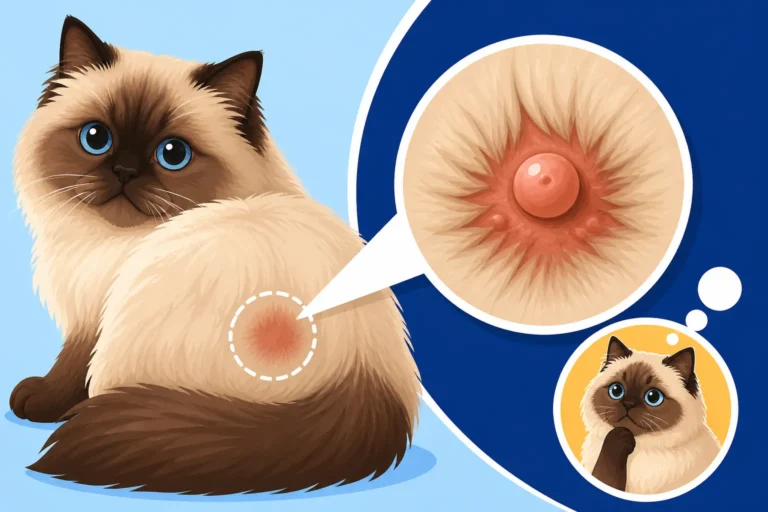
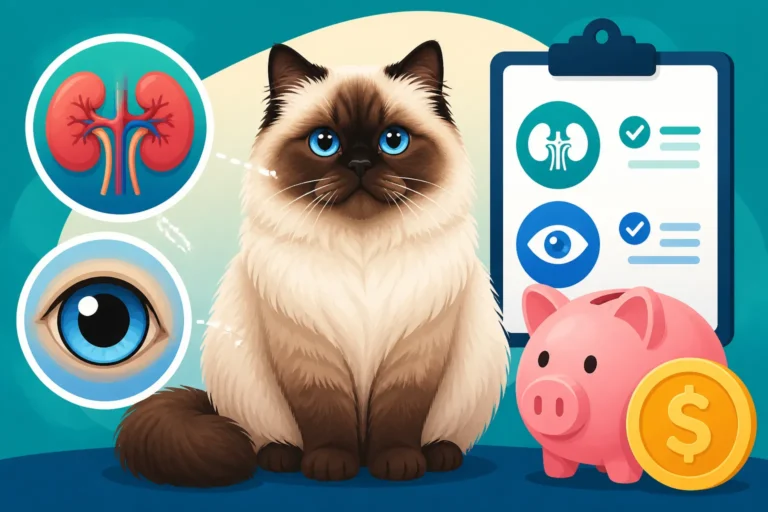
Your vet can perform a kidney ultrasound, which is the gold standard for diagnosing PKD in living cats by visualizing the cysts. While the gene test confirms the genetic predisposition, an ultrasound shows the actual presence and size of the cysts, and How Early Cysts Show on a Himalayan's Kidney Scan can give you an idea of what to expect. They can also run blood and urine tests to assess kidney function. If PKD is diagnosed, your vet can help you create a management plan, which may include dietary changes, medications to manage symptoms, and regular monitoring of kidney function. Living With a Himalayan That Inherited the Persian Kidney Gene requires dedication, but with proper care, many cats can still enjoy a good quality of life for an extended period. Services like Healthy Paws pet insurance can also offer some financial relief for managing chronic conditions like PKD, covering a significant portion of veterinary costs once your deductible is met. While it's certainly not the outcome anyone hopes for, an early diagnosis and proactive approach can make a world of difference for your feline friend.
Disclaimer
This article is for general informational purposes only and does not constitute professional advice. Laws, prices and regulations vary by location and change over time. Consult a qualified professional for guidance on your specific situation.