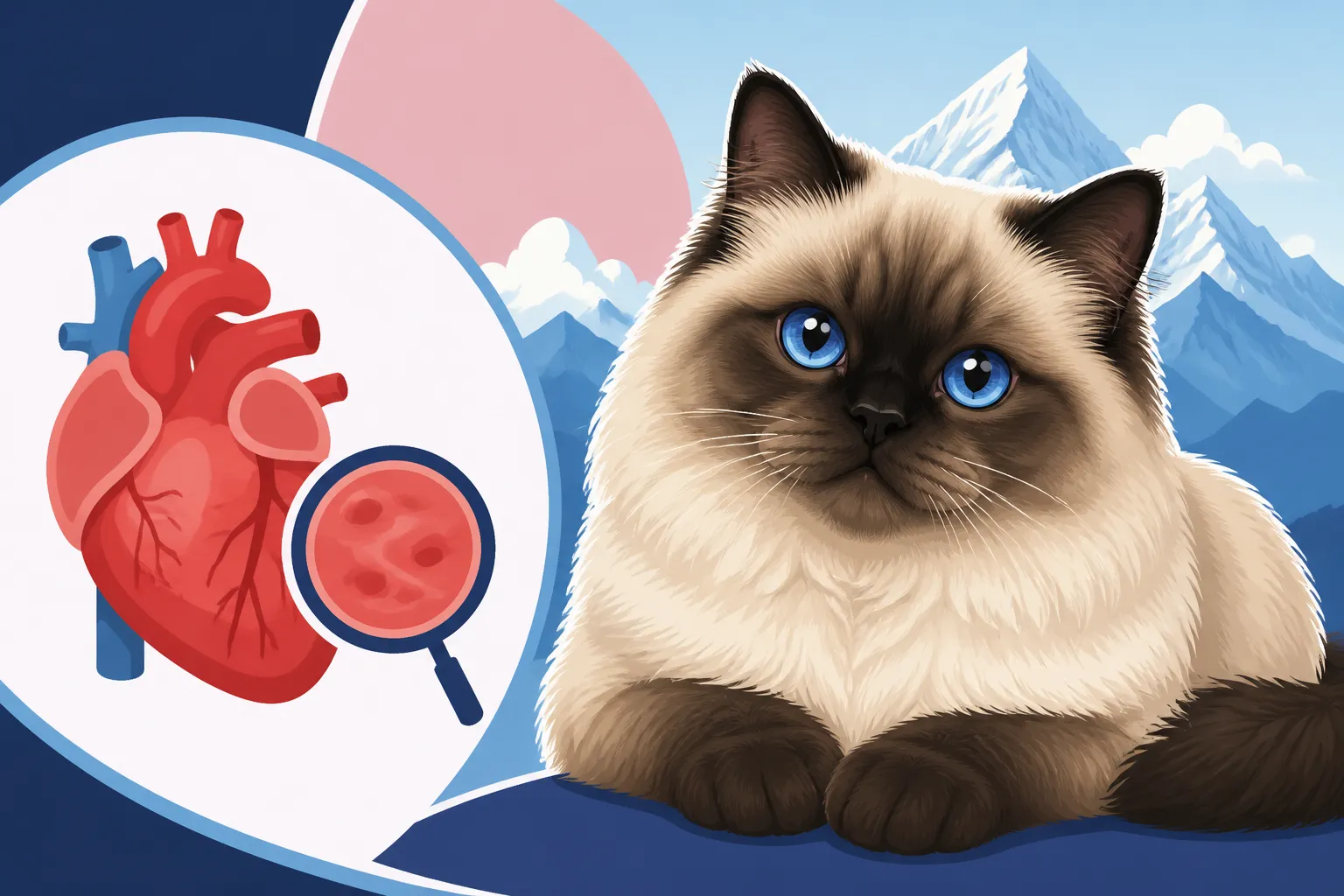
How Common HCM Is in Himalayan Lines
It’s truly disheartening when you bring home a beautiful Himalayan, full of quiet purrs and gentle gazes, only to start worrying about hidden health issues. One of the most common and frightening concerns among owners of certain pedigreed cats is heart disease, specifically Hypertrophic Cardiomyopathy (HCM). This guide will delve into just how prevalent HCM is within Himalayan cat lines, what you need to know to protect your beloved feline, and how to spot the subtle signs.
Understanding Hypertrophic Cardiomyopathy in Cats
Hearing your vet mention "heart disease" in relation to your beloved cat can send shivers down your spine. It sounds so serious, and indeed, HCM is a significant concern, but understanding it is the first step toward managing it.
What Exactly is HCM?
Hypertrophic Cardiomyopathy, or HCM, isn't just a fancy medical term; it describes a very real and serious condition where the muscular walls of your cat's heart, particularly the left ventricle, become abnormally thick. Imagine the heart as a strong pump. When the muscle thickens, the heart chamber inside gets smaller, meaning it can't fill with as much blood as it should. This also makes the heart muscle stiffer, impairing its ability to relax properly between beats.
This thickening and stiffness force the heart to work much, much harder to pump blood throughout the body. Over time, this extra strain can lead to a host of problems, including blood clots, fluid buildup in the lungs (congestive heart failure), and tragically, sudden death. It's a progressive disease, meaning it tends to worsen over time, and its onset can be quite sneaky, often showing no obvious symptoms until it's quite advanced.
The Genetic Link: Why Some Breeds are More Susceptible
It's a frustrating reality that some cat breeds are simply more predisposed to certain conditions, and HCM is one of them. While any cat can develop HCM, it's known to have a strong genetic component in several breeds. We're talking about breeds like Maine Coons, Ragdolls, Sphynx, and, importantly for our discussion, Persians.
The inheritance pattern for HCM can be quite complex, often involving autosomal dominant genes, meaning a cat only needs to inherit one copy of the faulty gene from either parent to be at risk of developing the disease. For breeds like the Maine Coon, specific gene mutations (e.g., A31P mutation in the MYBPC3 gene) have been identified, allowing for genetic testing. However, for many other breeds, including Persians and by extension Himalayans, the exact genetic culprits are still being researched, making a simple DNA test for a specific mutation challenging. This genetic predisposition means that if a cat's parents or grandparents had HCM, or came from lines where HCM was prevalent, that cat is at a higher risk. This is why a responsible breeder's knowledge of their lines' health history is absolutely paramount, as discussed in our guide on Which Two Certificates a Himalayan Breeder Owes You.
How HCM Manifests in Our Feline Friends
One of the most insidious things about HCM is how well cats can hide their illness. They are masters of stoicism, and early signs of heart disease can be incredibly subtle, or even absent. Many cats will appear completely normal for years, only to suddenly crash.
When symptoms do appear, they often indicate that the disease has progressed. These can include:
- Lethargy or reduced activity: Your usually playful Himalayan might become more sedentary, less interested in toys, or spend more time sleeping. Remember that a Himalayan often seems inactive, but a change in their normal low-key activity level is key.
- Difficulty breathing: This can manifest as rapid breathing, open-mouthed breathing (which is always an emergency in cats, especially flat-faced breeds), or labored breathing where their sides are heaving. This is a critical sign that warrants immediate veterinary attention, as mentioned in When a Himalayan's Open Mouth Breathing Needs a Vet.
- Coughing: While less common in cats than in dogs with heart disease, a cough can sometimes indicate fluid in the lungs.
- Loss of appetite or weight loss: As their body struggles, their appetite might wane.
- Weakness or paralysis of the hind limbs: This is a terrifying and sudden symptom known as Saddle Thrombus, caused by a blood clot forming in the heart and traveling down to block blood flow to the legs. It’s an acute emergency.
- Fainting or collapse: Although rare, some cats may collapse due to inadequate blood flow to the brain.
Because Himalayans are often quiet and reserved, as highlighted in Why a Himalayan Hides Illness Behind an Expressionless Face, owners must be extra vigilant for any changes, no matter how minor they seem.
The Prevalence of HCM in Himalayan Lines
This is where the waters can get a little murky, but it’s crucial information for any Himalayan owner. The heritage of these beautiful cats plays a huge role.
Tracing the Ancestry: Persian and Siamese Influence
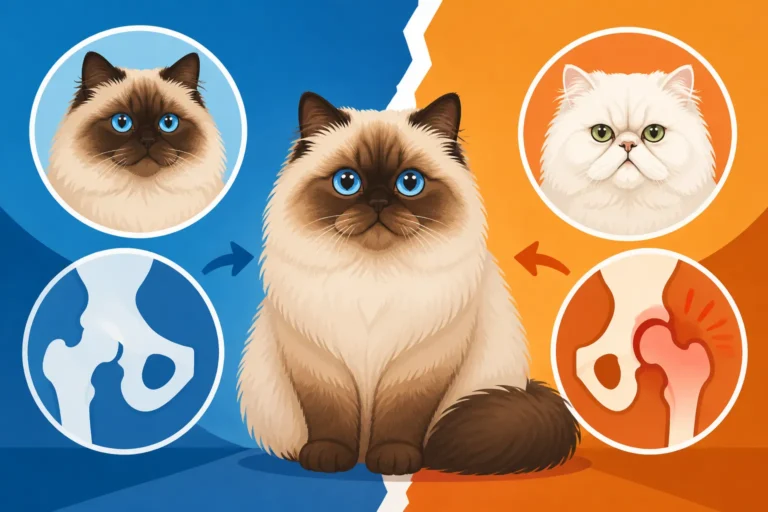
The Himalayan cat, as many devoted owners know, is essentially a Persian with colorpoint markings, thanks to its Siamese ancestry. This means that genetically, Himalayans share a significant portion of their DNA with Persians. And unfortunately, Persian cats are one of the breeds recognized for their predisposition to HCM.
While the Siamese side of their family is generally not associated with a high prevalence of HCM, the Persian connection is strong. The traits that give Himalayans their distinctive luxurious coats, cobby bodies, and those famously flat faces also come from the Persian lineage. This deep genetic link means that any health predispositions common in Persians, including HCM, are naturally concerns for Himalayans as well. It’s a classic example of how Every Himalayan Inherits Two Disease Lists, Not One, carrying legacies from both parent breeds.
Current Research and Statistics for Himalayans
Pinpointing an exact percentage of Himalayans affected by HCM is surprisingly difficult. Breed-specific prevalence rates for Himalayans are often not published separately from Persians. When you look at veterinary cardiology studies and breed predispositions, Himalayans are typically grouped under "Persian" or "Persian-related breeds" due to their genetic and phenotypic overlap.
However, studies focusing on Persian cats have indicated a significant prevalence. For example, a study from the Veterinary Cardiac Genetics Lab at UC Davis (though older, it’s a foundational reference) identified HCM as a concern in Persians. While a definitive, recent, large-scale study solely on Himalayans is hard to come by, the consensus among veterinary cardiologists is that they share the same elevated risk as their Persian cousins. Some estimates for Persians suggest that anywhere from 5-15% or more of the population could be affected, though these numbers can vary wildly based on the specific breeding lines, geographic region, and how thoroughly screening is done.
The lack of precise Himalayan-only data doesn't mean the risk isn't there; it simply reflects the breed's classification in many registries (like CFA, which registers them as a Colorpoint Persian) and the shared genetic pool. It means owners should approach their Himalayan's heart health with the same vigilance as they would a purebred Persian.
Why Breed-Specific Data Can Be Elusive
You might wonder why, with all the scientific advancements, there isn't clearer data just for Himalayans. Several factors contribute to this:
- Registry classifications: As mentioned, the Himalayan is considered a colorpoint division of the Persian breed by major registries like the CFA. This means health data collected might be pooled, making it hard to extract Himalayan-specific statistics.
- Genetic complexity: Unlike some breeds where a single gene mutation has been identified for HCM, the genetics in Persians (and thus Himalayans) appear to be more complex, likely involving multiple genes or different mutations. This makes developing a simple, universally applicable genetic test more challenging.
- Screening practices: Not all breeders routinely screen their breeding cats for HCM via echocardiograms. Without widespread, consistent screening, accurately tracking prevalence across the entire breed population becomes nearly impossible. This highlights why asking for a breeder's screening history is vital when choosing a kitten.
- Subtle presentation: As cats are adept at hiding illness, many cases might go undiagnosed until advanced stages or even post-mortem, contributing to underestimation in statistics.
This doesn’t lessen the importance of being aware; it just means owners and prospective owners need to rely on the broader understanding of Persian health and make informed decisions.
Detecting and Managing HCM in Your Himalayan
If the thought of HCM is making you anxious, that's completely understandable. The good news is that with proactive care and early detection, you can give your Himalayan the best possible chance at a long, comfortable life, even if HCM is present.
Early Warning Signs and What to Look For
Since Himalayans are naturally calm and somewhat less active than, say, a Siamese, spotting subtle changes can be tricky. However, paying close attention to these indicators can make a huge difference:
- Changes in activity levels: Is your cat less inclined to play even their usual gentle games? Are they seeking out their favorite quiet napping spots more often? Even a slight decrease in their usual playfulness, like not wanting to chase a wand toy for as long, can be a sign.
- Altered breathing patterns: Beyond obvious panting, watch for subtle changes. Is their breathing faster than normal when at rest? Are they breathing with more effort? You can count their breaths per minute when they're sleeping or resting deeply (normal is usually 20-30 breaths per minute). An increase can be an early indicator of fluid in the lungs, a complication of heart disease.
- Changes in appetite or weight: Any unexplained change in eating habits or a gradual weight loss should be noted.
- Lethargy after exertion: While Himalayans don't typically "exert" themselves vigorously, if they seem unusually tired after a short burst of play, or prefer to lie down immediately after eating, it's worth noting.
- Hiding or behavioral changes: Cats often withdraw when they're not feeling well. If your usually social Himalayan starts to hide more or shows unusual irritability, it could be a sign of discomfort.
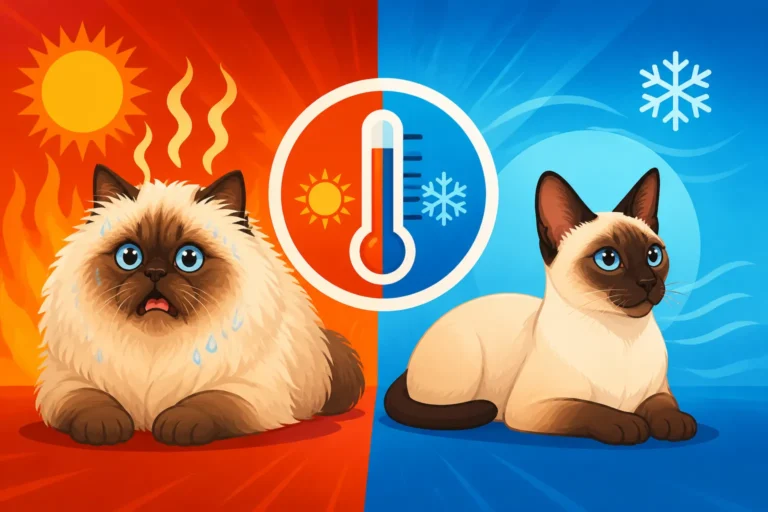
Regularly observing your cat and knowing their normal habits is your most powerful tool. And remember, Why a Himalayan Is a Harder Anesthetic Than a Siamese due to their brachycephalic (flat-faced) nature and potential underlying heart conditions, making pre-anesthetic screening even more critical.
Diagnostic Tools: How Vets Confirm HCM
If you or your vet suspect HCM, there are several diagnostic steps to confirm it:
- Auscultation: Your vet will listen to your cat's heart with a stethoscope. A heart murmur or an abnormal heart rhythm (gallop rhythm) can be the first clue. It’s important to remember that a murmur doesn't automatically mean HCM, nor does its absence rule it out, but it's a prompt for further investigation. For more on this, check out What a Murmur Means in a Himalayan.
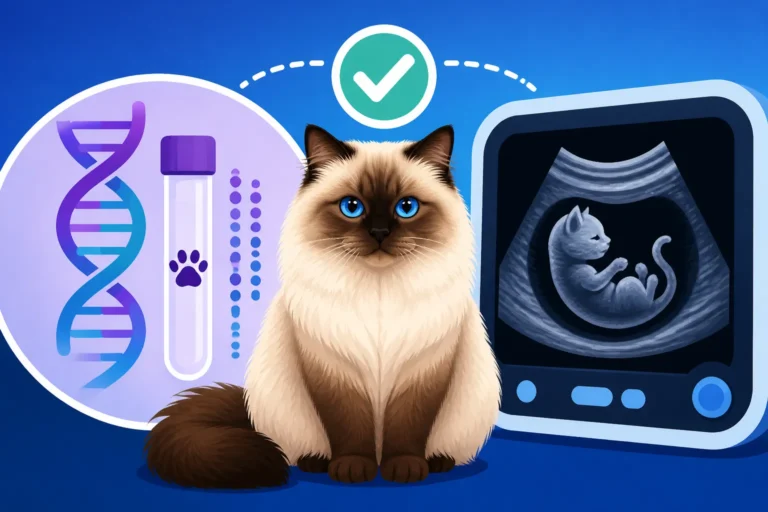
- Echocardiogram: This is the gold standard for diagnosing HCM. It's an ultrasound of the heart that allows a veterinary cardiologist to visualize the heart's structure and function in real-time. They can measure the thickness of the heart walls, assess blood flow, and check for any clots. This non-invasive procedure is crucial for definitive diagnosis and staging the disease.
- X-rays: Chest X-rays can show if there's fluid buildup in or around the lungs (pulmonary edema or pleural effusion), which indicates congestive heart failure. They can also provide a general assessment of heart size and shape.
- Blood tests: While not diagnostic for HCM itself, blood tests, particularly those checking for cardiac biomarkers like NT-proBNP, can indicate heart stress or injury. These tests can be helpful as screening tools or to assess the severity of disease. For instance, Which Blood Values a Himalayan's Kidney History Demands might also include cardiac markers if there's suspicion of HCM.
- Genetic testing: As mentioned, specific genetic tests for HCM are available for some breeds (e.g., Maine Coons, Ragdolls). While not widely available for all mutations in Persians/Himalayans, if a specific mutation is identified in the future, it could become a valuable tool. Always check with your vet for the latest recommendations.
Living with an HCM Diagnosis: Treatment and Quality of Life
Receiving an HCM diagnosis for your Himalayan can be overwhelming, but it's not a death sentence. Many cats with HCM can live comfortably for years with proper management. The goal of treatment is to manage symptoms, slow disease progression, and improve quality of life.
- Medication: Depending on the stage and severity of HCM, your vet may prescribe various medications. These can include:
- Beta-blockers or calcium channel blockers: To relax the heart muscle, improve filling, and slow the heart rate.
- Diuretics: To remove excess fluid from the lungs if congestive heart failure is present.
- ACE inhibitors: To help relax blood vessels and reduce the heart's workload.
- Anticoagulants: To reduce the risk of blood clot formation, which is a serious complication of advanced HCM.
- Regular monitoring: Your Himalayan will need regular vet visits, often including repeat echocardiograms, to monitor the progression of the disease and adjust medication as needed. This ongoing care is essential.
- Lifestyle adjustments:
- Stress reduction: Keep their environment calm and predictable.
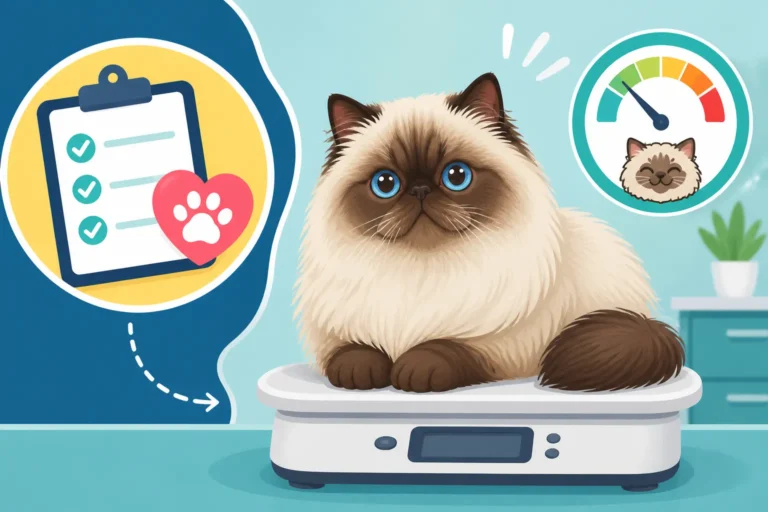
- Weight management: Maintaining a healthy weight reduces strain on the heart. Our guide, How to Find a Himalayan's Ribs Through a Persian Coat, can help you assess their body condition.
- Diet: Your vet might recommend a special diet, especially if kidney issues are also present, which can be common in older cats.
- Pet Insurance: This is where pet insurance like Healthy Paws can truly be a lifesaver. The diagnostic tests, specialist consultations, and long-term medications for HCM can quickly add up, easily costing thousands over your cat's lifetime. Having a comprehensive pet insurance plan from a reputable provider like Healthy Paws can significantly ease the financial burden, allowing you to focus on your cat's care without the added stress of crushing vet bills. It’s definitely something to consider for a breed with known predispositions like Himalayans.
Proactive Steps for Himalayan Owners
While HCM can be a formidable foe, there's a lot you can do as a responsible Himalayan owner to minimize risk and ensure your cat receives the best possible care.
Choosing a Responsible Breeder
This is perhaps the single most impactful decision you can make. A truly responsible Himalayan breeder will:
- Screen their breeding cats for HCM: This means having their breeding queens and studs undergo regular echocardiograms performed by a board-certified veterinary cardiologist. They should be able to provide documentation of these screenings, showing clear heart health for several generations. Don't be shy about asking for these records.
- Be transparent about their lines: They should openly discuss any history of HCM in their breeding lines and explain how they are working to eradicate it.
- Prioritize health over appearance: While a beautiful coat and striking points are lovely, a responsible breeder puts health and temperament first. They understand the challenges of the breed, including conditions like PKD1 Came Down the Persian Side of a Himalayan and HCM, and actively work to breed them out.
- Educate prospective owners: They will inform you about the potential health concerns of the breed and the importance of ongoing veterinary care.
If a breeder cannot or will not provide health screening documentation, especially for heart conditions, it's a major red flag.
Regular Veterinary Check-ups and Screening
Even with a cat from a well-screened lineage, regular veterinary care is non-negotiable.
- Annual wellness exams: Your vet can catch subtle changes during these routine visits. They'll listen to your cat's heart, check their overall condition, and discuss any changes you've observed.
- Early cardiac screening: If your Himalayan is from a line with an unknown history or a known HCM prevalence, your vet might recommend an initial echocardiogram between 1 and 2 years of age, and then periodic follow-ups as advised by a cardiologist. This proactive approach can catch the disease before it becomes symptomatic.
- Be vocal with your vet: Don't hesitate to share any concerns, no matter how minor they seem. You know your cat best, and your observations are invaluable. Even a tiny change in energy, eating, or breathing can be a crucial clue for your vet. As your cat ages, the importance of these check-ups only grows, especially in considering What a Himalayan's Yearly Bloods Should Cover After Eight.
The Role of Insurance and Financial Planning
Dealing with a chronic condition like HCM can be emotionally and financially draining. Planning ahead can alleviate some of that stress.
- Pet insurance: As mentioned, pet insurance can be a game-changer. Companies like Healthy Paws offer comprehensive plans that can cover a significant portion of diagnostic tests, specialist consultations, medications, and emergency care related to conditions like HCM. It's an investment that can provide immense peace of mind. It's often recommended to get insurance while your cat is young and healthy, before any pre-existing conditions (like HCM) are diagnosed, to ensure maximum coverage.
- Emergency fund: Even with insurance, having a dedicated emergency fund for unexpected vet bills or for deductibles can be incredibly helpful.
- Discuss costs with your vet: Don't be afraid to have an open conversation with your vet about the potential costs of managing HCM. They can help you understand the financial commitment and explore different options.
Taking these proactive steps will not only contribute to your Himalayan's health and happiness but also provide you with the confidence that you're doing everything you can for your cherished companion.
Identifying Potential HCM Symptoms: A Quick Reference
It can be tough to distinguish between a lazy cat and a sick cat, especially with a relaxed breed like the Himalayan. This table might help you consider what to look for. Remember, any sudden or sustained change warrants a vet visit.
| Symptom Category | Normal Himalayan Behavior (Typical) | Potential HCM Symptom (Red Flag) |
|---|---|---|
| Activity Level | Enjoys long naps, moderate bursts of play, generally calm. | Significant decrease in play, more frequent or longer naps, reluctance to move. |
| Breathing | Quiet, regular breathing (20-30 breaths/min at rest), occasional light snore. | Rapid breathing at rest (>30 breaths/min), open-mouthed breathing, labored breathing, persistent cough. |
| Appetite & Weight | Consistent appetite, stable weight, might enjoy food with gusto. | Decreased appetite, unexplained weight loss, difficulty eating. |
| Energy Post-Play | Rests after play, but recovers quickly and remains alert. | Appears unusually tired, collapses, or takes a long time to recover after minimal exertion. |
| Vocalization | Gentle purrs, soft meows, moderate conversation. | Excessive or unusual vocalizations (e.g., pain cries), or sudden silence from a usually chatty cat. |
| Hind Limbs | Moves smoothly, uses steps or low furniture. | Weakness, dragging limbs, sudden paralysis of back legs. |
Disclaimer
This article is intended for informational purposes only and does not constitute veterinary advice. Always consult with a qualified veterinarian for any health concerns or before making any decisions about your pet's medical care.