Why a Himalayan Overheats Twice as Fast as a Siamese
If you're a loving Himalayan parent, you've probably noticed that your beautiful, fluffy companion seems to melt faster than an ice cube on a summer sidewalk. It's a real worry when you see your cat start to pant or seek out the coldest spots in the house, especially when other cats, like a spry Siamese, seem to manage just fine. This guide will explore the specific reasons why Himalayans are so much more susceptible to overheating, often twice as fast as their Siamese cousins, and give you actionable steps to keep them comfortable and safe.
Understanding the Himalayan's Unique Physiology
When we talk about Himalayans, we're really talking about a stunning blend of two very different cat breeds: the regal Persian and the sleek, vocal Siamese. While they inherited the striking point coloration and blue eyes from the Siamese, their physical build, especially that luxurious coat and flattened face, comes predominantly from their Persian lineage. This combination creates a cat that, despite its beauty, is inherently less efficient at regulating its body temperature.
The Persian Influence on Body Structure
The Persian side of the Himalayan family tree brings with it a distinctive "cobby" body type. This means they are compact, heavily boned, and generally stockier than many other breeds. Imagine a small, dense package. While this gives them that adorable, plush appearance, it also means there's a larger body mass in a smaller area, which can contribute to holding heat. Their legs are typically shorter, and their overall activity level tends to be lower compared to more athletic breeds. This lower metabolism and more sedentary lifestyle mean they don't expend as much energy through active cooling, which can be an issue when temperatures rise. Additionally, the development of the "Peke-face" or "ultra-typed" Himalayan, with its extremely flattened face, introduces significant respiratory challenges. We delve into Why Show Himalayans Drifted Toward the Flatter Face in another post, and it's a critical factor in their heat intolerance.
Moreover, the facial structure is a huge component of this. Many Himalayans exhibit some degree of brachycephaly, meaning their snouts are significantly shortened. This isn't just a cute aesthetic; it impacts their entire respiratory system. With a compressed nasal passage, sometimes narrowed nostrils, and an elongated soft palate, the airway is simply not as open and efficient as in a cat with a longer muzzle. Cats, like dogs, primarily cool themselves through panting. If their ability to draw in and expel air efficiently is compromised, their primary cooling mechanism is severely hampered. This structural limitation means they have to work much harder to breathe, especially when stressed or warm, which in turn generates more body heat – a vicious cycle.
The Impact of the Long, Dense Coat
Beyond their cobby build and brachycephalic features, the Himalayan's crowning glory, its magnificent long coat, is a double-edged sword when it comes to heat regulation. This dense, flowing fur, inherited directly from the Persian, is designed for colder climates, acting as an incredibly efficient insulator. It's a beautiful defense against the cold, but utterly detrimental in the heat. The coat consists of a long, silken outer layer and a thick, woolly undercoat that traps a layer of air close to the body, keeping heat in.
Think about wearing a thick wool sweater in summer; that's essentially what your Himalayan is doing all the time. This insulating layer makes it incredibly difficult for body heat to dissipate into the surrounding air. Unlike short-haired cats where heat can radiate more easily from the skin, a Himalayan's dense coat acts as a barrier. While some people might think shaving them completely is the answer, it’s not always the best solution as it can expose their delicate skin to sunburn and other issues. However, regular grooming, often daily, is absolutely critical to prevent mats that can further trap heat and prevent air circulation. We cover What Daily Combing Costs a Himalayan Owner in Time in more detail elsewhere, highlighting its importance.
The Siamese Contribution to Heat Regulation
To truly understand why a Himalayan struggles, it’s helpful to look at the other side of its genetic coin: the Siamese. Siamese cats are practically the antithesis of the Persian in terms of body type and coat, and their physiology is much better suited to warmer environments. They’re built for agility and have a much more efficient way of cooling down.
Siamese Metabolic Rate and Activity Levels
Siamese cats are known for their slender, athletic build and high energy levels. They are often described as "busy" cats, constantly on the move, playing, exploring, and engaging with their environment. This higher metabolic rate means their bodies are naturally more efficient at converting food into energy, and their lean muscle mass helps dissipate heat rather than store it. Their activity actually helps circulate air around their bodies, rather than trapping it like a sedentary, heavily coated cat.
Additionally, their overall body shape—long, lean, and lithe—presents a greater surface area to volume ratio compared to the cobby Himalayan. This is a crucial factor in thermoregulation; a larger surface area allows heat to escape more readily from the skin. So, while a Siamese might be zipping around, seemingly working up a sweat (though cats don't sweat like humans), their body design and active nature actually aid in keeping them cooler, not hotter, than their more placid, fluffy relatives. It's an interesting contrast to Why a Himalayan Plays Longer Than a Persian and Less Than a Siamese, which touches on their activity differences.
The Shorter Coat and Airflow Advantages
The most obvious difference between a Siamese and a Himalayan, aside from their facial structure, is their coat. Siamese cats have a strikingly short, fine, and close-lying coat. This type of coat offers very little insulation, which is precisely why they thrive in warmer climates. Heat from their bodies can easily radiate outwards, and cool air can circulate freely against their skin. There's no thick undercoat to trap warmth, no long guard hairs to create an insulating barrier.
This minimalist coat is a key evolutionary advantage for heat dissipation. When a Siamese pants, the air exchange is efficient, and the evaporation of moisture from their mucous membranes, combined with the rapid radiation of heat from their skin, allows them to cool down quickly and effectively. They don't have the burden of a heavy blanket of fur holding in all their body heat, nor do they have the respiratory challenges that make panting an arduous, less effective cooling method. Their physical design, from their sleek body to their fine fur, is a testament to natural selection favoring efficient heat regulation in warmer environments.
The Combined Challenge: Why Himalayans Struggle More
So, you can see how the unique combination of Persian and Siamese traits in a Himalayan creates a perfect storm for overheating. It's not just one factor, but a layering of several physiological characteristics that amplify their vulnerability to heat.
Brachycephalic Airway Syndrome (BAS) in Himalayans
The most critical factor contributing to a Himalayan's difficulty in staying cool is Brachycephalic Airway Syndrome (BAS). This isn't just a "snoring problem"; it's a serious medical condition that significantly impairs their ability to breathe and, by extension, to thermoregulate. Cats with brachycephalic features often have:
- Stenotic Nares: Nostrils that are too narrow, making it difficult to inhale sufficient air. Imagine trying to breathe through tiny straws all day.
- Elongated Soft Palate: The soft tissue at the back of their mouth extends too far, partially blocking the entrance to the trachea (windpipe). This can cause noisy breathing, snorting, and gagging, especially when trying to breathe heavily.
- Hypoplastic Trachea: A windpipe that is narrower than it should be, further restricting airflow.
- Everted Laryngeal Saccules: Small pouches in the larynx (voice box) can get sucked into the airway, causing even more obstruction when the cat struggles to breathe.
All these anatomical quirks mean that for a Himalayan, every breath is more effortful than it should be. When they get warm, their need for increased air intake to cool down clashes directly with their restricted airways. They have to work harder to pull in the same amount of air, and this increased effort itself generates more body heat. It's an exhausting and dangerous cycle. This is why When a Himalayan's Open Mouth Breathing Needs a Vet is such a crucial topic for owners to understand.
How Coat and Breathing Compound the Problem
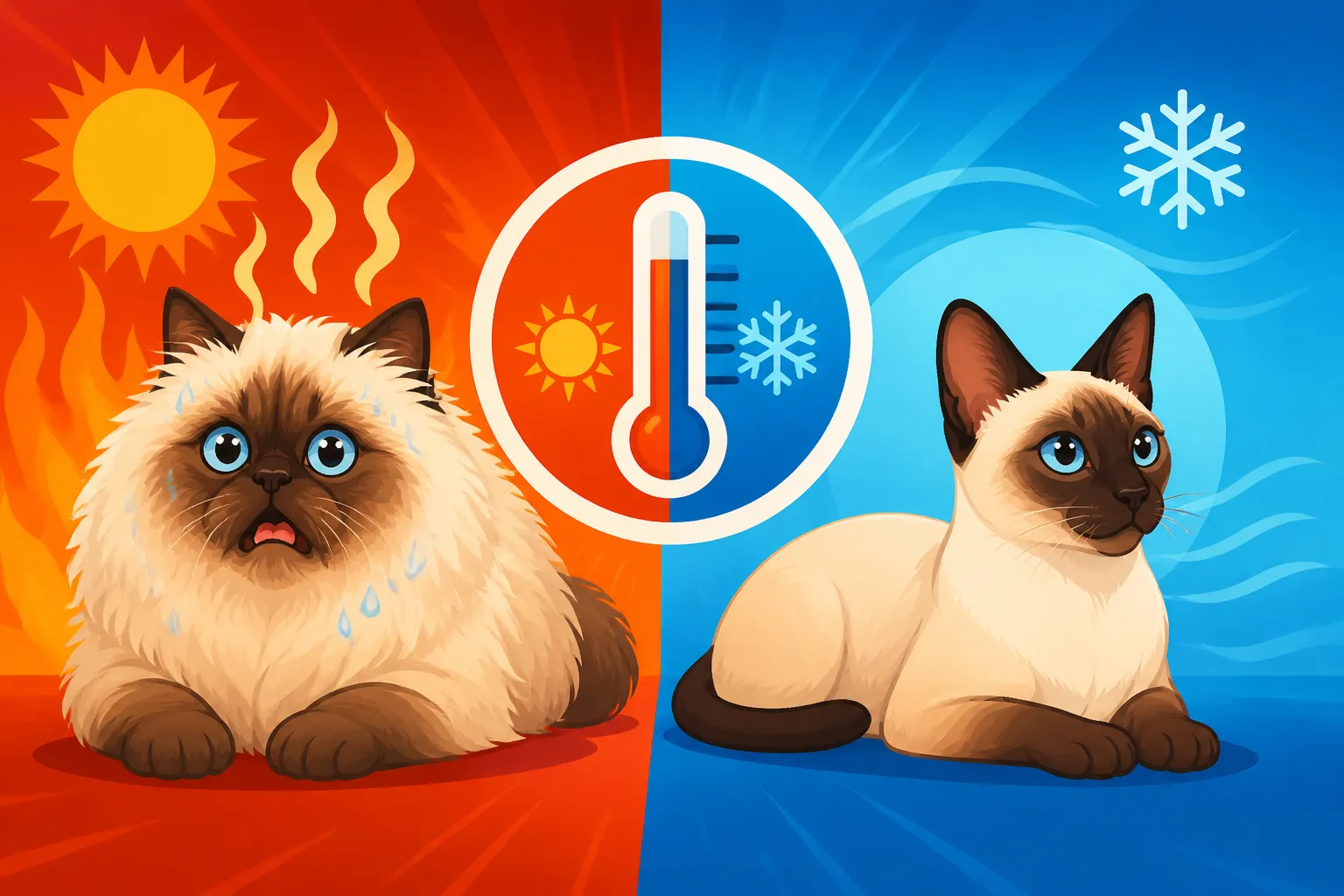
Now, layer the challenges of BAS with that magnificent, insulating Persian coat. You have a cat that can't efficiently bring in cool air or expel warm air through its respiratory system, and is simultaneously wrapped in a thick, heat-trapping blanket. It’s like trying to run a marathon in a fur coat while breathing through a pinched nose. The body simply cannot shed excess heat effectively. The trapped heat and the struggle to breathe rapidly elevate their core body temperature.
Consider a hot summer day. A Siamese might be able to find a cool spot, and its body and coat allow for quick heat dissipation. A Himalayan, however, not only gets hot faster due to its insulating coat but also takes much longer to cool down because of its compromised breathing. This is the "twice as fast" problem – they absorb heat more readily and release it much, much slower. This places them at a significantly higher risk for heatstroke, which can be life-threatening. Owners must be extra vigilant in monitoring their Himalayan's comfort, especially when the mercury rises.
Recognizing the Signs of Overheating in Your Himalayan
Being able to spot the early warning signs of overheating is paramount for Himalayan owners. Because they struggle so much with heat, recognizing these cues quickly can be the difference between a minor discomfort and a serious medical emergency.
Subtle Early Indicators of Discomfort
Before full-blown heatstroke sets in, your Himalayan will likely display more subtle signs that they are feeling too warm. These are your prompts to intervene and cool them down immediately. Look for changes in their behavior, even if slight. They might become restless, constantly shifting positions to find a cooler spot, moving from one patch of cool tile to another. You might notice them pressing their bodies against cooler surfaces, like a tile floor, a bathtub, or even a glass door.
Increased thirst is another common early sign. They may be drinking more frequently or spending extended periods at their water bowl. While cats don't sweat over their entire body like humans, they do have sweat glands in their paw pads. If you notice damp paw prints or feel that their paw pads are unusually moist, it could indicate they are trying to release heat. Subtle open-mouth breathing, or panting, even if very shallow and infrequent, is also a red flag. Cats don't typically pant like dogs unless they are highly stressed, very active, or, crucially, overheating. A cat panting is never a normal thing and should be taken seriously. Their ears might also feel noticeably warmer to the touch.
Urgent Symptoms Requiring Immediate Action
If the early signs are missed or ignored, a Himalayan can quickly progress to more severe symptoms of heatstroke, which is a medical emergency. These require immediate veterinary attention. These urgent signs include:
- Rapid, Heavy Panting: This is a clear indicator of distress. The panting will be more pronounced, often accompanied by noisy breathing, snorting, or even gurgling sounds due to their compromised airways.
- Excessive Drooling: As they struggle to cool down, they may produce a lot of saliva, which can be thick and stringy.
- Bright Red Gums or Tongue: The mucous membranes can become very red as blood vessels dilate in an attempt to dissipate heat.
- Lethargy and Weakness: They may become disoriented, stumble, or even collapse. Their movements will be sluggish, and they may not respond to your calls.
- Vomiting or Diarrhea: These gastrointestinal symptoms can occur as the body's systems begin to shut down under extreme heat stress.
- Muscle Tremors or Seizures: In severe cases, heatstroke can affect the neurological system, leading to uncontrolled muscle spasms or seizures.
If you observe any of these urgent symptoms, it's vital to begin cooling them down gently while simultaneously contacting your vet or an emergency animal hospital. Do not delay. Heatstroke can cause irreversible organ damage and can be fatal. Having pet insurance, like a policy from Healthy Paws, can provide significant peace of mind for these unexpected, critical situations, ensuring you can focus on your cat's health without financial worry.
Practical Strategies to Keep Your Himalayan Cool
Living with a Himalayan means being proactive about temperature management, especially as the seasons change and temperatures rise. Their unique physiology demands a little extra care and foresight to prevent them from becoming uncomfortably warm or, worse, suffering heatstroke.
Environmental Management and Cooling Aids
The first line of defense is always to control their environment. For a Himalayan, this means keeping them indoors in a climate-controlled space. Air conditioning is truly your best friend. If you don't have central AC, consider window units in the rooms your cat frequents. Even on mild days, ensure good air circulation with fans, but never point a fan directly at your cat for extended periods, as it can dry out their eyes. They often seek out the coolest tile or linoleum floor; allowing them access to these areas is helpful.
Consider investing in cooling mats or beds. These often contain gel or water that absorbs body heat, providing a chilled surface for your cat to lie on. You can also make simple DIY cooling stations: drape a damp towel over a chair for them to lie under, or place ice packs wrapped in towels in their favorite resting spots. Remember, a Himalayan will appreciate cool, shaded areas, and their catio should always be primarily shade, not sun. We cover How to Cool a Long Coated Himalayan in Summer in greater detail. Never, ever leave your Himalayan in a car, even for a few minutes with the windows cracked, as temperatures can skyrocket dangerously fast.
Grooming and Hydration for Heat Resilience
Beyond environmental controls, routine care plays a critical role in a Himalayan's ability to cope with heat. That magnificent coat, while beautiful, is a major heat trap. Daily combing is essential not just for preventing mats, but for removing loose undercoat that contributes to insulation. A well-groomed coat, free of tangles and excess fur, allows for better air circulation against the skin. While complete shaving isn't usually recommended due to skin sensitivity and sun exposure, a "lion cut" or sanitary trim by a professional groomer can be incredibly helpful in summer months, particularly around the belly and hindquarters.
Hydration is equally vital. Ensure your Himalayan always has access to fresh, cool water. Wide, shallow bowls are best for their flat faces, preventing their ruff from getting soaked and encouraging them to drink more easily. Some cats prefer running water from a pet fountain, which can entice them to drink more. Consider adding a little wet food to their diet, as it has a higher moisture content and can contribute to their overall hydration. Keeping a close eye on their water intake is especially important for a breed prone to kidney issues, which we discuss in Why Extra Thirst in a Himalayan Points at Its Persian Half.
When to Seek Veterinary Intervention
Despite your best efforts, sometimes a Himalayan will still show signs of overheating. Knowing when to escalate to veterinary care is crucial. If you notice any of the urgent symptoms mentioned earlier – heavy panting, excessive drooling, lethargy, red gums, vomiting, or seizures – act immediately. While you are on your way to the vet, you can start gentle cooling measures: apply cool (not ice cold) wet cloths to their paw pads, inner thighs, and armpits. Do not submerge them in cold water, as this can cause shock.
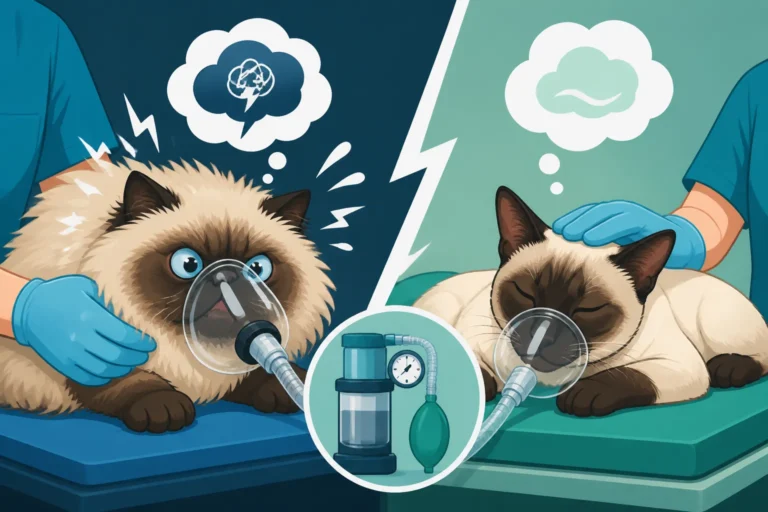
For Himalayans with severe brachycephalic airway syndrome, a vet might discuss surgical options to improve their breathing, such as widening their nostrils (nares resection) or shortening an elongated soft palate. These procedures, while not without risk, can significantly improve their quality of life and reduce their risk of overheating. Regular check-ups are key to monitoring their respiratory health and overall well-being. A good pet insurance plan, such as those offered by Healthy Paws, can be a lifesaver for managing the costs associated with emergency care or surgical interventions for conditions like BAS, ensuring your beloved Himalayan gets the best possible treatment when they need it most. Having a plan in place for Why a Himalayan Is a Harder Anesthetic Than a Siamese can also alleviate some stress when your cat needs a procedure.
Remember, your Himalayan relies on you to be their advocate and protector against the heat. With careful management and quick action, you can help them live a comfortable and happy life, even when the temperatures climb.
Comparing Heat Regulation: Himalayan vs. Siamese
To highlight the physiological differences, here’s a quick comparison of key factors influencing heat regulation in Himalayans and Siamese cats.
| Feature | Himalayan Cat | Siamese Cat | Impact on Heat Regulation |
|---|---|---|---|
| Ancestry | Primarily Persian (with Siamese colorpoint gene) | Ancient Thai lineage | Persian traits (cobby body, flat face, dense coat) hinder cooling. |
| Body Type | Cobby, heavily boned, compact | Sleek, long, lean, athletic | Cobby body has lower surface area to volume ratio, traps heat. Lean body allows faster heat dissipation. |
| Facial Structure | Brachycephalic (flat face, shortened muzzle) | Dolichocephalic (longer muzzle, distinct profile) | Compressed airways (BAS) severely impede panting efficiency for cooling. Open airways allow efficient panting. |
| Coat Type | Long, dense double coat (insulating) | Short, fine, close-lying single coat (minimal insulation) | Traps body heat, prevents air circulation, makes cooling difficult. Allows rapid heat radiation and airflow. |
| Panting Ability | Impaired due to BAS, requires more effort, less effective | Highly efficient, clear airways allow effective cooling | Less effective and more strenuous; can exacerbate overheating. Primary and effective cooling mechanism. |
| Activity Level | Generally lower, more sedentary | Higher, more energetic and active | Lower metabolism means less active heat dissipation. Higher metabolism can generate some heat but also aids in circulation. |
| Ideal Climate | Colder climates | Warmer climates | Designed for warmth retention. Designed for heat dissipation. |
| Overheating Risk | High, struggles significantly with rising temperatures | Low to moderate, manages heat much more effectively | Significantly higher risk of heatstroke. Lower risk, better equipped to handle warmth. |
Disclaimer
This article is intended for informational purposes only and does not constitute veterinary advice. Always consult with a qualified veterinarian for any health concerns or before making any decisions about your pet's medical care.