How a Himalayan Is Swabbed for the Persian Kidney Gene
Finding out your beloved Himalayan might carry a genetic health condition like Polycystic Kidney Disease (PKD) can be incredibly worrying, often bringing a wave of anxiety about their future and how to best care for them. It’s a common frustration among Himalayan owners and breeders alike, trying to navigate the complexities of genetic health. This comprehensive guide will walk you through the straightforward process of how a Himalayan is swabbed for the Persian kidney gene, providing clarity and empowering you with the knowledge to protect your furry companion's health.
Understanding Polycystic Kidney Disease (PKD1) in Himalayans
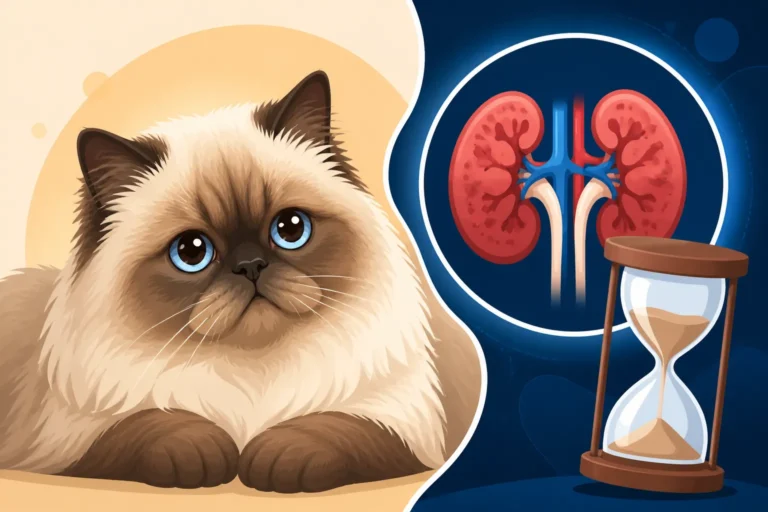
Polycystic Kidney Disease, often referred to as PKD or more specifically PKD1, is a genetic disorder that can significantly impact our lovely Himalayans. It’s not just a fancy medical term; it’s a very real condition where cysts, which are essentially fluid-filled sacs, develop within the kidneys. These cysts start small, often present from birth, and gradually grow larger over time. As they expand, they unfortunately replace healthy kidney tissue, eventually leading to kidney dysfunction and, tragically, kidney failure. The insidious nature of PKD is that it can remain silent for years, showing no outward symptoms until the disease has progressed significantly.
The Persian Connection to Himalayan PKD
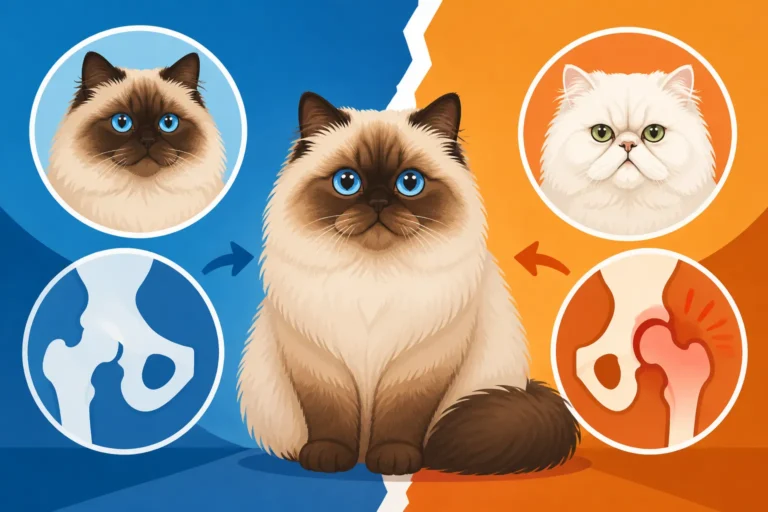
The link between Himalayans and PKD1 isn't arbitrary; it traces directly back to their Persian ancestry. Himalayans, as many cat enthusiasts know, are essentially long-haired Persians with Siamese point coloration. When the breed was first established, combining the luxurious Persian coat with the striking Siamese pattern, the genetic material from both parent breeds was inherited. Unfortunately, along with that beautiful coat and unique coloring, the gene responsible for PKD1 was also passed down from the Persian side of the family tree. This means that if a Himalayan has even one parent who carries the PKD1 gene, there's a strong chance they could inherit it. You can delve deeper into how this specific gene made its way into the breed by reading about how PKD1 Came Down the Persian Side of a Himalayan.
The Autosomal Dominant Inheritance Pattern
One of the most critical aspects to understand about PKD1 in Himalayans is its mode of inheritance: it's an autosomal dominant trait. What does "autosomal dominant" actually mean for your cat? Simply put, a cat only needs to inherit one copy of the defective gene from either parent to develop the disease. This isn't like some recessive traits where both parents have to pass on a copy for the offspring to be affected. If a cat inherits one copy of the PKD1 gene, they will almost certainly develop cysts. This is why it’s so vital to test breeding cats, as even a cat that only carries one copy and may not show severe symptoms themselves can pass the condition on to 50% of its offspring. Understanding this inheritance pattern is key to preventing the spread of the disease, and you can learn more about why PKD Needs Only One Copy in a Himalayan.
Why Genetic Swab Testing is Essential for Himalayans
For years, detecting PKD in cats relied heavily on ultrasound scans, which could only identify cysts once they were large enough to be visible. While still a valuable diagnostic tool, ultrasound is reactive, often catching the disease much later. The advent of genetic testing, specifically the cheek swab, revolutionized how we approach PKD in Himalayans, moving us from detection to proactive prevention. It’s a game-changer for responsible breeders and worried pet parents alike, offering an early, definitive answer.
The Advantages of Early Detection
The biggest advantage of the genetic swab test is its ability to provide early detection, often long before any cysts are visible on an ultrasound or before clinical signs appear. Think about it: a kitten can be tested even before it leaves the breeder, giving its future family invaluable information. This early knowledge allows owners to make informed decisions about their cat's care, diet, and lifestyle from day one, potentially slowing the progression of the disease. For breeders, early testing is paramount for making ethical breeding choices, ensuring that no PKD-positive cats are inadvertently contributing to the problem. Knowing early can also help you discuss potential future costs with pet insurance providers like Healthy Paws, as some conditions might be considered pre-existing if not documented early.
Comparing Swab Tests to Ultrasounds
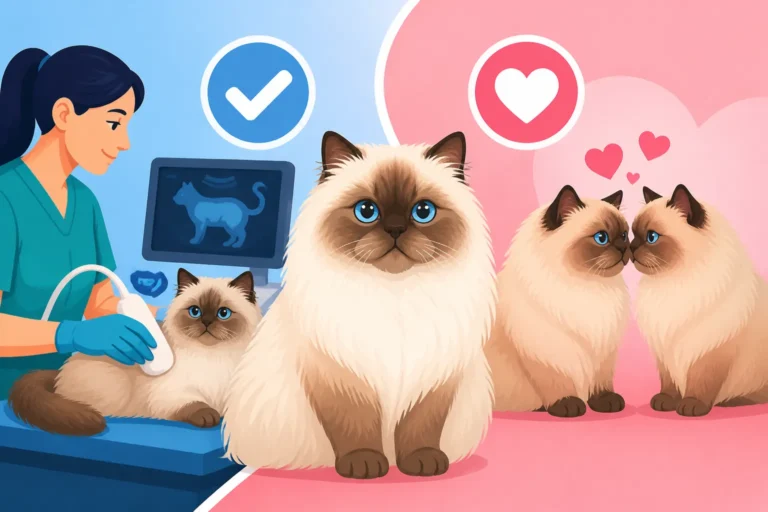
While both genetic swab tests and ultrasounds play a role in managing PKD, they serve different purposes and offer distinct benefits. The genetic swab test is a direct test for the presence of the gene itself. It tells you whether your cat has the genetic predisposition for PKD, regardless of whether cysts have formed or are visible yet. It’s a definitive "yes" or "no" to carrying the gene.
Ultrasound, on the other hand, is an imaging technique that visualizes the physical presence of cysts in the kidneys. It can confirm the development of the disease and monitor its progression. A cat might test negative for the PKD1 gene but could potentially have other types of kidney cysts (though PKD1 is the most common genetic form). Conversely, a cat that tests positive for the PKD1 gene will develop cysts, even if they aren't visible on an early ultrasound. This is why many vets still recommend a baseline ultrasound even after a clear gene test, especially as a cat ages, to monitor overall kidney health. Knowing how early cysts show on a Himalayan's kidney scan can help you understand the nuances.
Here's a quick comparison:
| Feature | Genetic Swab Test | Ultrasound Scan |
|---|---|---|
| Detection Target | Presence of the PKD1 gene | Visible cysts in kidney tissue |
| Timing | Can be done at any age (even as a kitten) | Detects cysts typically from 6-8 months, often later |
| Method | Non-invasive cheek swab | Non-invasive imaging (requires vet visit) |
| Cost | Generally lower per test | Higher, requires specialized equipment and vet time |
| Result | Definitive "gene present" or "gene absent" | Confirms physical cyst presence, monitors progression |
| Purpose | Screening, breeding decisions, early awareness | Diagnosis, monitoring disease progression, general kidney health |
Preventing PKD in Future Generations
The ultimate goal of genetic testing is to eliminate PKD from Himalayan breeding lines entirely. Because PKD1 is dominant, preventing affected cats from breeding, or carefully managing breeding programs with carriers, can effectively halt the spread. If both parents are tested clear of the PKD1 gene, then all their offspring will also be clear. This allows responsible breeders to ensure that the kittens they offer are free from this devastating genetic disease. It’s a testament to the power of science in improving the health and longevity of our beloved breeds. For more on this, check out why Two Clear Parents End PKD in a Himalayan Line.
The Simple Steps of a Himalayan Cheek Swab
The thought of any medical procedure for your cat can feel intimidating, but the reality of a cheek swab for PKD is remarkably simple and stress-free for both you and your Himalayan. It's truly one of the least invasive ways to gather genetic information, which is a huge relief when you're already concerned about their well-being.
Preparing for the Swab
Before you even think about the swab itself, there are a few simple preparations that ensure accurate results. Most importantly, your Himalayan should not eat, drink, or groom themselves for at least an hour before the test. This is crucial because food particles or even residual saliva can contaminate the sample, potentially leading to an inconclusive result and the need for a re-test – nobody wants that! Some breeders or vets might suggest two hours to be extra safe, especially for a cat who is a meticulous groomer. Just ensure your cat has had plenty of water before the fast, so they don't become too thirsty or stressed. Making sure your cat is calm and relaxed beforehand will also help make the process smoother; perhaps a quiet petting session or some gentle playtime could do the trick.
Performing the Swab at Home or With a Vet
The beauty of the cheek swab is that it can often be performed by you at home, though many breeders and owners prefer to have a veterinarian do it for certification purposes, especially if the results are for breeding registries. The kit typically comes with sterile swabs, usually with a brush-like tip, and instructions.
If you're doing it yourself, here's a step-by-step guide:
- Open the kit carefully: Avoid touching the swab tip with your fingers or any other surface. Contamination is the enemy of accurate results.
- Gently hold your cat: You might want a helper for this, especially if your Himalayan is a bit squirmy. A gentle cuddle or wrapping them loosely in a towel can keep them still.
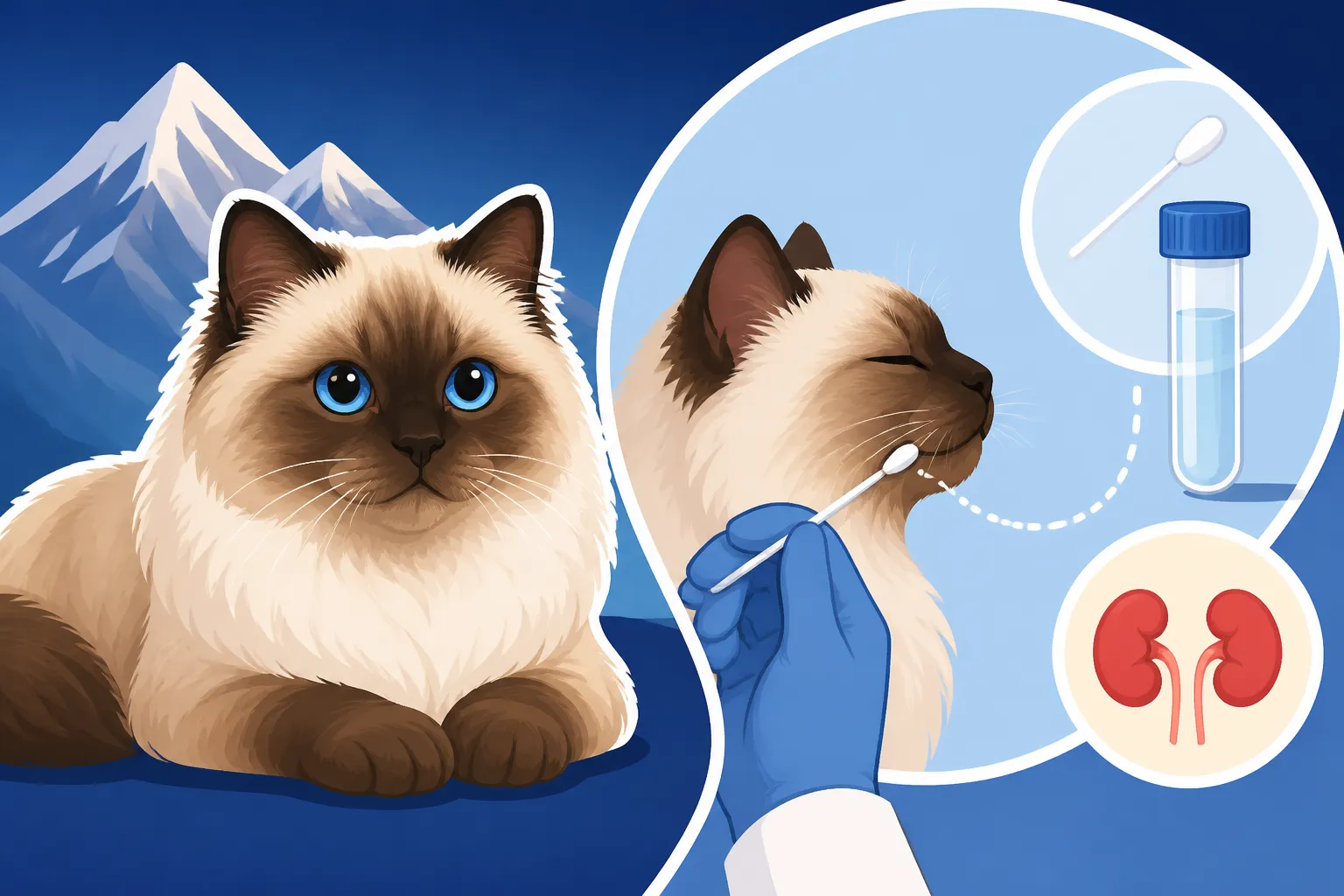
- Insert the swab: Open your cat's mouth and gently rub the swab against the inside of their cheek, specifically between their gums and cheek pouch. You want to collect cells, not just saliva. Rotate the swab for about 10-15 seconds to ensure a good collection. Don't press too hard; it's a gentle scrape, not a deep scrub.
- Repeat (if applicable): Most kits come with two swabs, one for each cheek, to maximize the chances of a good sample. Repeat the process on the other side.
- Air dry the swabs: This is vital. Do not put the wet swabs directly back into their packaging. Lay them on a clean, dry surface for at least 30-60 minutes to air dry completely. Moisture can cause mold and DNA degradation, making the sample unusable.
- Package and send: Once thoroughly dry, place the swabs back into their designated sleeves or envelopes, seal them according to the kit's instructions, and fill out any necessary paperwork. Then, mail them off to the genetic testing laboratory.
It's a surprisingly quick process, usually taking only a minute or two of actual swabbing time per cat. This simple, non-invasive method is a huge part of why a cheek swab clears a Himalayan for PKD so effectively.
Ensuring a Valid Sample
A valid sample is everything when it comes to genetic testing. The main pitfalls are contamination and insufficient cellular material. As mentioned, avoiding food and water before the test is paramount. Also, make sure the swab isn't contaminated by touching other surfaces or even by getting hair on the tip. Some kits include small plastic caps or tubes for each swab once collected, which help protect them. When packaging, double-check that all identifying information, like your cat's name and microchip number, is correctly filled out on the forms and clearly associated with the right sample. Laboratories are meticulous, but a clear, properly labeled sample streamlines the process significantly. This also ensures that if you have multiple cats, you don't accidentally mix up their results!
What Happens After the Swab: From Lab to Results
Once you've done your part and sent the sample off, it's out of your hands and into the capable ones of the genetic testing laboratory. The waiting period can feel like forever, especially when you're anxiously awaiting news about your beloved Himalayan’s health. However, understanding the process behind the scenes can help manage expectations.
The Laboratory Process
When your sample arrives at the lab, it goes through a precise, multi-step process. First, the lab technicians extract DNA from the cheek cells collected on the swab. This DNA is the blueprint of your cat’s genetic makeup. Next, they use a technique called Polymerase Chain Reaction (PCR) to amplify, or make many copies of, the specific gene region associated with PKD1. This amplified DNA is then analyzed to look for the characteristic mutation that indicates the presence of the PKD1 gene. It's a highly specialized and accurate process, designed to give clear, unambiguous results. The technology has advanced significantly, making these tests incredibly reliable when performed by reputable laboratories.
Waiting for Results and Timelines
The turnaround time for results can vary depending on the lab and their current workload, but generally, you can expect to receive them within 2-4 weeks. Some labs offer expedited services for an extra fee if you're in a particular hurry, such as for pre-breeding screening. Many labs will provide updates via email, and often you can check the status of your sample online using a unique tracking number provided with your kit. This waiting period is often the hardest part, filled with anticipation and perhaps a touch of anxiety. It's important to remember that these labs are processing thousands of samples, and accuracy takes precedence over speed.
How Results Are Communicated
When the results are ready, most laboratories will send them to you via email, often as a downloadable PDF certificate. This certificate will clearly state your cat's name, microchip number (if provided), and the specific test results. If you had your vet submit the sample, the results will usually be sent directly to them first, and they will then communicate them to you. It's always a good idea to have a plan for how you'll receive and discuss these results with your vet, especially if you have questions or need further guidance. Reputable pet insurance providers, such as Healthy Paws, may ask for these certificates if a PKD-related claim arises, so keep them safe.
Interpreting Your Himalayan's PKD Test Results
Receiving your Himalayan's PKD test results can be a moment of great relief or, potentially, a call to action. It’s crucial to understand what each possible outcome means for your cat and for any future breeding considerations. The terminology might seem a bit clinical at first glance, but breaking it down makes it much clearer.
PKD Negative/Clear
This is the best possible result for any Himalayan owner: your cat is "PKD Negative" or "PKD Clear." This means your Himalayan does not carry the gene mutation for Polycystic Kidney Disease (PKD1). They will not develop PKD, nor can they pass the gene on to any offspring. This is fantastic news, offering peace of mind regarding this specific genetic condition. For breeders, having a "clear" cat is invaluable, as it means they can confidently breed this cat without the risk of producing PKD-affected kittens. It's a testament to responsible breeding practices that aim to improve the health of the entire breed. This is one of the two certificates a Himalayan breeder owes you if you're purchasing a kitten.
PKD Positive/Affected
If your Himalayan tests "PKD Positive" or "PKD Affected," it means they have inherited one copy of the dominant PKD1 gene mutation. Because PKD1 is an autosomal dominant trait, a positive result indicates that your cat will develop kidney cysts, though the severity and age of onset can vary. It does not necessarily mean they are currently in kidney failure, but it confirms their genetic predisposition to the disease.
For a pet Himalayan, this result means you'll need to work closely with your veterinarian to monitor their kidney health, usually through regular check-ups, blood tests, and potentially periodic ultrasounds. Early intervention and supportive care, such as a special renal diet or supplements, can help manage the condition and potentially prolong their lifespan. For breeders, a PKD Positive cat should absolutely not be bred, as they will pass the gene to 50% of their offspring. This is a critical ethical consideration, highlighted by how many Himalayan lines still carry PKD.
PKD Carrier
While some genetic tests might distinguish between "affected" (having one copy and showing the trait) and "carrier" (having one copy but not necessarily showing severe symptoms), for autosomal dominant conditions like PKD1, the terms "positive" and "affected" are often used interchangeably. This is because inheriting even one copy means the cat will develop the disease. There isn't a "carrier" state in the same way there is for recessive diseases where a cat carries the gene but is outwardly healthy and unaffected.
However, if a test refers to a "carrier," it might be used in the context of a cat having one copy of the gene and therefore being able to "carry" and pass it on, while also being affected by the condition themselves. The key takeaway is that any cat with the PKD1 gene should be managed carefully from a health perspective and removed from breeding programs to prevent further spread. Knowing how to read a Himalayan's PKD certificate is vital for understanding these distinctions.
Living with a PKD-Positive Himalayan and Future Planning
Discovering your Himalayan is PKD-positive can be disheartening, but it's not a death sentence. With proper management and a proactive approach, many Himalayans with PKD can live fulfilling lives. The key is understanding what lies ahead and how to best support your feline friend.
Monitoring and Veterinary Care
Once you know your Himalayan is PKD-positive, routine veterinary care becomes even more crucial. Your vet will likely recommend a schedule of regular check-ups, potentially every six to twelve months, to monitor kidney function. This will typically involve blood tests to check kidney values like BUN (blood urea nitrogen) and creatinine, and urine tests to assess urine specific gravity and look for protein in the urine. These tests help to track the progression of the disease, often long before your cat shows any outward signs of illness. Regular follow-up ultrasounds may also be recommended to monitor the size and number of cysts, giving a clearer picture of their kidney health. These proactive steps, often supported by pet insurance plans like Healthy Paws, are essential for living with a Himalayan that inherited the Persian kidney gene.
Dietary and Lifestyle Adjustments
Diet plays a significant role in managing kidney disease. Your vet will likely recommend a prescription renal diet, which is specially formulated to reduce the workload on the kidneys. These diets are typically lower in phosphorus and protein but contain high-quality protein, which helps slow the progression of kidney disease and manage symptoms. Ensuring constant access to fresh water is also paramount, as good hydration supports kidney function. You might even consider a water fountain to encourage more drinking.
Beyond diet, maintaining a low-stress environment and encouraging moderate activity (without overexertion) are beneficial. Keep a close eye on your Himalayan for any subtle changes in behavior, appetite, thirst, or litter box habits, as these could be early indicators of worsening kidney function. Even minor changes warrant a call to your vet.
The Ethical Choices for Breeders
For breeders, the discovery of PKD in a breeding line demands immediate and responsible action. The ethical choice is clear: any cat that tests positive for the PKD1 gene should be spayed or neutered and removed from the breeding program immediately. This is the only way to genuinely prevent the passing of this devastating gene to future generations. While it might be a difficult decision for a beloved show cat or a cat with other desirable traits, the long-term health and welfare of the breed must take precedence.
Instead, breeders should focus on using only PKD-clear cats for breeding. This commitment to genetic health helps ensure that the Himalayan kittens entering homes are as healthy as possible. This commitment is reflected in the value of their kittens, as what a Himalayan from a tested Persian line costs can differ significantly from those without proper screening. If you're considering breeding, it's absolutely essential to be transparent with potential buyers about all genetic test results. This dedication to health, sometimes even requiring testing what a Himalayan for PKD and the eyes costs, ultimately safeguards the future of the breed.
Disclaimer
This article is intended for informational purposes only and does not constitute professional veterinary advice. Always consult with a qualified veterinarian for any health concerns or before making any decisions about your pet's care.