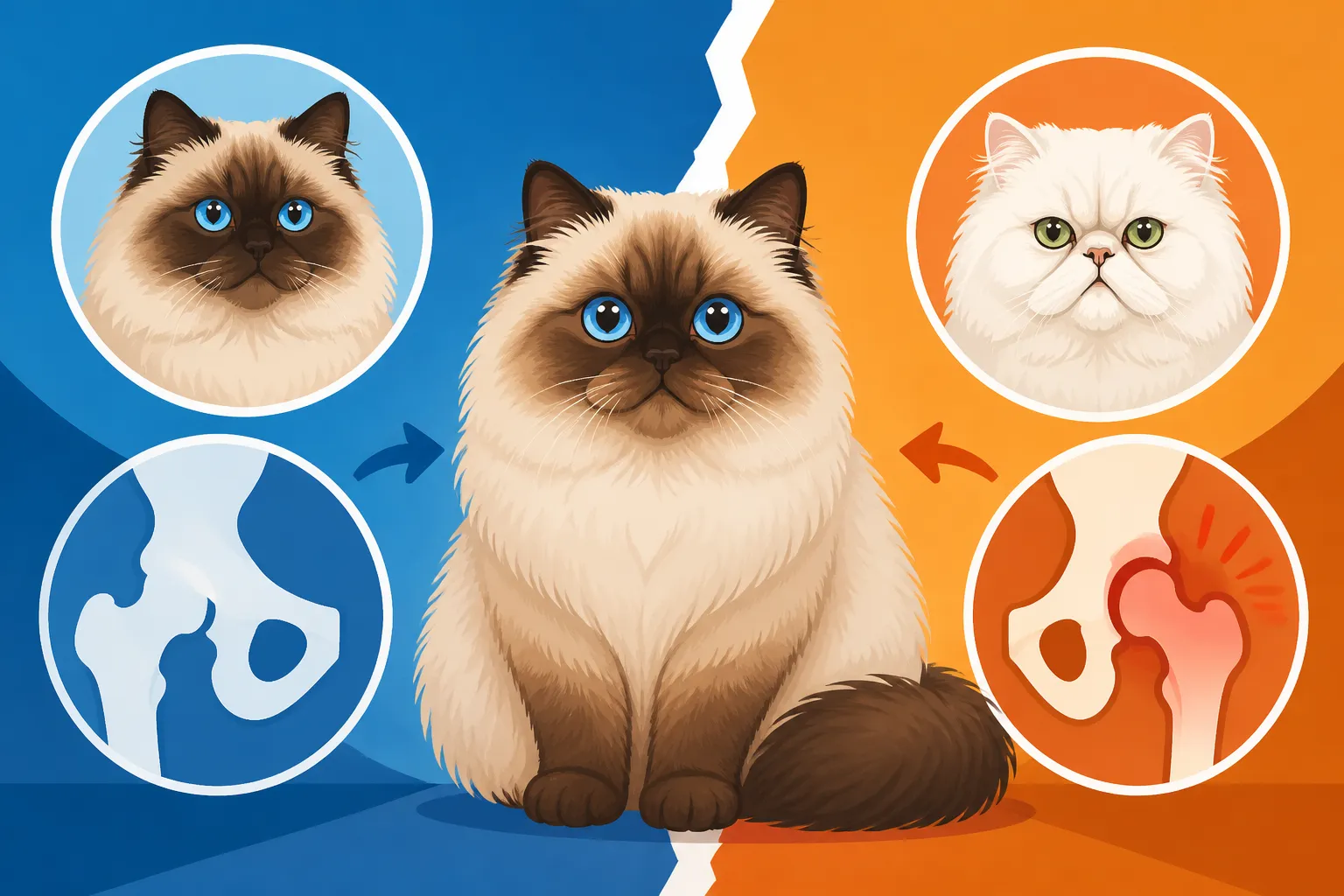
Whether a Himalayan Inherits the Persian’s Hip Problems
One of the biggest worries for any Himalayan cat owner is navigating the breed's unique health landscape, particularly concerns passed down from their Persian ancestry. Many cat parents wonder if their beloved, fluffy companion is destined to face the same hip problems sometimes seen in Persians, and the truth can be a bit more nuanced than a simple yes or no answer. This guide will delve deep into the reality of hip issues in Himalayans, explaining what to watch for and how to keep your cat comfortable and healthy for years to come.
Understanding Hip Health in Persian Cats
Let's start by clarifying what "hip problems" in Persian cats typically refers to. While the term "hip dysplasia" often conjures images of large dog breeds, it can affect cats too, though it's generally considered less prevalent or less severely expressed. For Persians, the primary concerns surrounding their hips and hind limbs often stem from their unique conformation: a cobby body, short, sturdy legs, and a dense bone structure. This distinctive build, while part of their charm, can predispose them to certain orthopedic challenges.
Hip dysplasia, in essence, is a malformation of the hip joint, where the ball (femoral head) and socket (acetabulum) don't fit together snugly. This loose fit can lead to grinding, pain, and eventually, degenerative joint disease or osteoarthritis. Because Himalayans are essentially colorpoint Persians, they unfortunately share this genetic blueprint. It's a frustrating reality for many owners, seeing their beautiful, plush cat struggle with mobility issues that feel almost inevitable due to their breed's design. Beyond outright dysplasia, Persians can also experience general joint stiffness, patellar luxation (kneecap displacement), and other musculoskeletal discomforts that manifest as hip or hind leg pain over time. These issues aren't always a dramatic, sudden injury but often a slow, creeping progression that can be hard to pinpoint in a cat known for its stoic nature.
Unpacking Himalayan Genetics and Joint Predispositions
When you bring a Himalayan into your home, you're not just getting those stunning blue eyes and gorgeous point colors; you're also inheriting the genetic legacy of both its parent breeds: the Persian and the Siamese. However, when it comes to orthopedic issues like hip problems, the genetic contribution primarily traces back to the Persian side of the family. The Siamese contribution to the Himalayan largely gifted the breed its distinctive voice and point coloring, but not the cobby body structure that influences joint health.
The reality is that a Himalayan cat does inherit the same genetic predispositions as its Persian counterparts. This means that if a Persian line carries a propensity for hip dysplasia or other skeletal anomalies, a Himalayan bred from that line will share that risk. It's not a guarantee, of course, but the potential is undeniably there. For years, breeders have worked diligently to screen for genetic diseases like Polycystic Kidney Disease (PKD), which is also a significant concern from the Persian lineage. While hip health hasn't received the same widespread, standardized screening attention in cats as it has in some dog breeds, responsible breeders are increasingly mindful of overall structural soundness. Understanding that Why a Himalayan Is a Persian With the Point Gene is crucial here; their physical structure is largely Persian, with the colorpoint gene being the key differentiator. The ideal What the Persian Standard Asks of a Himalayan emphasizes that cobby, compact body, which, while beautiful, requires careful breeding to ensure healthy joints.
The prevalence of clinical hip dysplasia in Himalayans isn't as extensively documented as it is in some dog breeds. Studies suggest that some degree of hip laxity, a precursor to dysplasia, can be found in various cat breeds, including Persians and thus Himalayans. However, cats are often better at compensating for discomfort and their lighter body weight can sometimes lessen the impact compared to a large dog. Despite this, chronic pain from even mild hip issues can significantly impact a Himalayan's quality of life. As they get older, these predispositions can certainly lead to issues such as How Arthritis Shows in a Himalayan That Never Jumped, impacting their mobility and comfort even if they've led a largely sedentary life indoors. It's not about being overly alarmist, but about being informed and proactive for your cherished pet.
Recognizing Symptoms and Seeking Veterinary Care
It can be incredibly challenging to spot the subtle signs of hip discomfort in a Himalayan, especially with their long, luxurious coats and their naturally calm, often stoic demeanor. Many cat owners express frustration that their cat seems "fine" until suddenly, they're not. Himalayans, like many cats, are masters at hiding pain, often continuing their routines with minimal outward indication of discomfort. This can make early diagnosis tricky, but knowing what to look for is your best defense.
Early Warning Signs to Watch For
The signs of hip problems can manifest in various ways, from subtle changes in movement to overt lameness. Keep an eye out for:
- Reluctance to Jump or Climb: Your cat might hesitate before jumping onto a favorite sofa or bed, or avoid climbing cat trees altogether. They might opt for easier routes or use steps they didn't need before. If your cat suddenly avoids perches it once loved, this is a red flag.
- Difficulty with Stairs: Climbing up or down stairs might become slow, awkward, or painful. You might notice them "bunny hopping" with both hind legs together instead of walking independently. Sometimes, Why a Himalayan's Short Persian Legs Skip a Step can be a subtle sign of discomfort rather than just a quirky gait.
- Changes in Gait: Look for a stiff, unnatural walk, or a swaying motion in the hindquarters. They might shift their weight differently.
- Decreased Activity or Play: A cat in pain will often reduce its activity levels. They might play less, sleep more, or simply seem less engaged than usual.
- Pain Upon Touching: If your cat flinches, hisses, or shows aggression when you touch their hip area or hind legs, it’s a strong indicator of pain.
- Limping or Lameness: This is often a more advanced sign, indicating significant discomfort.
- Muscle Atrophy: Over time, if a cat isn't using a limb properly due to pain, the muscles around that area (like the hindquarters) can start to waste away.
- Changes in Grooming: A cat in pain may neglect grooming certain areas, especially those hard-to-reach spots around the hips and base of the tail. Conversely, they might over-groom a painful spot.
- Difficulty with Litter Box Habits: It might become painful to squat, leading to accidents outside the litter box. Consider a low-sided litter box if you suspect this.
Remember, Why a Himalayan Hides Illness Behind an Expressionless Face is a common challenge for owners. You need to be observant of subtle behavioral shifts.
The Diagnostic Process at the Vet
If you notice any of these signs, don't delay in scheduling a visit with your veterinarian. During the examination, your vet will perform a thorough physical assessment, gently manipulating your cat's hips and legs to check for pain, range of motion, and any crepitus (a grinding sound or sensation).
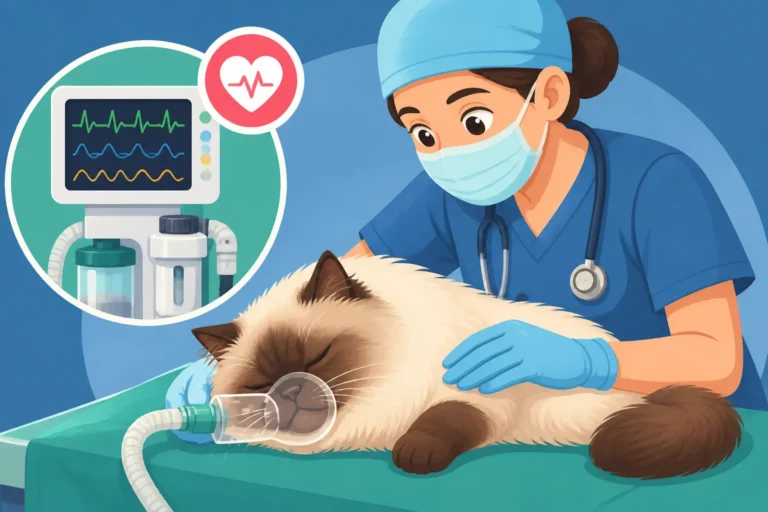
The definitive diagnosis for hip dysplasia or other structural hip problems typically involves X-rays. Your vet might recommend sedation for these X-rays to ensure your cat is comfortable and perfectly positioned for clear images. This allows the vet to visualize the hip joints, assess their conformation, and look for signs of degeneration or arthritis. Sometimes, even if X-rays show mild changes, the clinical signs might be quite pronounced, emphasizing the importance of both findings.
Management and Treatment Options
Once a diagnosis is made, your vet will discuss a treatment plan tailored to your cat's specific condition and the severity of their symptoms. Options generally fall into conservative management or, in more severe cases, surgical intervention.
- Conservative Management: This is often the first line of defense and focuses on pain relief, reducing inflammation, and supporting joint health.
- Weight Management: Keeping your Himalayan at a healthy weight is paramount. Excess weight puts significant additional stress on already compromised joints. Knowing What a Himalayan's Cobby Frame Should Weigh and learning How to Find a Himalayan's Ribs Through a Persian Coat can help you assess their body condition at home. If they are overweight, your vet can help you devise a plan for How Long a Cobby Himalayan Takes to Lose Weight.
- Pain Medication: Your vet may prescribe NSAIDs (non-steroidal anti-inflammatory drugs) or other pain relievers to manage discomfort. It's crucial to only use medications prescribed by your vet, as human pain relievers are toxic to cats.
- Joint Supplements: Glucosamine, chondroitin, and omega-3 fatty acids can help support cartilage health and reduce inflammation. These are often available in palatable forms for cats.
- Environmental Modifications: Make your home more accessible. Provide ramps or steps to help your cat reach favorite resting spots, elevated food and water bowls to reduce strain (which also helps with their flattened faces), and soft, orthopedic bedding.
- Physical Therapy: In some cases, specific exercises or massage techniques recommended by a vet or a certified animal physical therapist can improve muscle strength and flexibility.
- Surgical Intervention: For severe cases of hip dysplasia that don't respond to conservative management, surgical options might be considered, though they are less common in cats than in dogs due to differences in weight-bearing and recovery. A Femoral Head Ostectomy (FHO) involves removing the head of the femur, allowing a "false joint" to form. This can alleviate pain, but post-operative physical therapy is critical.
Managing these chronic conditions can be costly, and this is where pet insurance can be a real lifeline. Companies like Healthy Paws offer comprehensive plans that can help cover the expenses of diagnostics, medications, and even physical therapy for conditions like hip problems, providing peace of mind as you care for your Himalayan.
Proactive Measures and Long-Term Well-being
Taking proactive steps is key to ensuring your Himalayan enjoys the fullest, most comfortable life possible, especially if they have a predisposition to hip issues. While you can't change their genetics, you can certainly influence their overall well-being and longevity. Himalayans generally live a good long life, with The Nine to Fifteen Years a Himalayan Usually Gets being typical, but quality of life matters immensely.
Responsible Breeding Practices
The very first line of defense against inherited health problems lies with responsible breeding. While there isn't a universally adopted hip scoring system for cats like there is for dogs (such as OFA or PennHIP), ethical Himalayan breeders should be transparent about the health history of their breeding lines. They should be able to discuss any known orthopedic issues in their cats' pedigrees and ideally, select breeding pairs that demonstrate excellent structural conformation and sound movement. Asking about the health of the parents and grandparents, and looking for multi-generational health clearances, can provide valuable insight.
Optimal Weight Management
This cannot be stressed enough: maintaining a healthy weight is perhaps the single most impactful thing you can do to protect your Himalayan's joints. Even a few extra pounds can significantly increase the load on their hips, accelerating the progression of arthritis and exacerbating any underlying dysplasia. Himalayans are not particularly active cats; they're known for their relaxed, often sedentary lifestyle, enjoying cozy spots on the sofa. This means they burn fewer calories than a more energetic breed.
- Precise Portions: Work with your vet to determine the ideal caloric intake for your cat based on their age, activity level, and ideal body weight. Don't free-feed; measure out meals.
- Balanced Diet: Feed a high-quality, vet-approved diet that supports overall health and provides appropriate nutrients without excess calories.
- Engage in Gentle Play: While they may not be Olympic athletes, encourage short, gentle play sessions. Interactive toys can motivate even the most laid-back Himalayan. Just remember that Why a Himalayan Stops Playing When It Gets Warm means keeping play sessions brief to avoid overheating.
Creating an Accessible Environment
Make your home a joint-friendly haven for your Himalayan. Small modifications can make a world of difference in reducing strain on their hips and improving their comfort, especially as they age or if they develop mobility issues.
- Ramps and Steps: Provide ramps or small steps for easy access to sofas, beds, and window perches. This eliminates the need for high jumps and hard landings.
- Elevated Food and Water Bowls: Raising food and water bowls to a comfortable height prevents your cat from having to bend down excessively, which can be painful for stiff hips. This also helps with their brachycephalic (flat) faces.
- Soft Bedding: Ensure your cat has multiple soft, supportive beds in their favorite resting spots. Orthopedic beds can provide extra cushioning and support for aching joints.
- Low-Sided Litter Boxes: For cats with hip pain, climbing into a standard litter box can be difficult. Opt for a litter box with a low entry point to make it easier to access.
Nutritional Support and Supplements
Discuss with your veterinarian whether joint supplements are appropriate for your Himalayan. Many vets recommend supplements containing:
- Glucosamine and Chondroitin: These compounds are natural components of healthy cartilage and can help support joint structure and reduce inflammation.
- Omega-3 Fatty Acids: Found in fish oil, omega-3s (EPA and DHA) have anti-inflammatory properties that can help soothe painful joints.
- MSM (Methylsulfonylmethane): Another compound that may help with inflammation and pain relief.
Always consult your vet before adding any supplements to your cat's diet to ensure they are safe and dosed correctly. High-quality veterinary brands are often recommended over human supplements, as they are formulated specifically for pets.
Regular Veterinary Check-ups
Don't underestimate the power of routine veterinary visits. Regular check-ups, ideally annually, allow your vet to monitor your Himalayan's overall health, including their musculoskeletal system. They can catch subtle signs of developing hip issues, discuss weight management strategies, and recommend proactive measures or interventions before problems become severe. As your Himalayan reaches their senior years, around The Nine to Fifteen Years a Himalayan Usually Gets, these check-ups become even more critical. Your vet can assess mobility, discuss pain management options, and help you ensure your beloved companion remains comfortable. Even if it seems your old cat doesn't do much, knowing What an Old Himalayan Will Still Get Up For can give clues about their comfort level and what still brings them joy.
Having a good pet insurance plan from a provider like Healthy Paws can also empower you to make the best decisions for your cat's health without financial stress. Knowing that you're covered for potential diagnostic tests, medications, or even long-term therapies for chronic conditions like hip issues can be invaluable.
Remember, a Himalayan's serene nature often hides discomfort. Being observant, proactive, and working closely with your vet means you can help your beautiful cat enjoy a long, happy, and pain-free life, regardless of any genetic predispositions they might carry from their Persian heritage.
| Symptom Category | Potential Signs of Hip Discomfort | Typical Behaviors (Not Necessarily Pain) |
|---|---|---|
| Mobility | Hesitation to jump, difficulty with stairs, "bunny hopping" with hind legs, stiff gait, reluctance to run/play, favoring one leg. | Slow to get up (can be normal in older cats if not accompanied by pain), occasional clumsy jumps (kittens), generally low activity level (common for Himalayans). |
| Activity Level | Reduced play, increased hiding, reluctance to move from a favorite spot, noticeable decrease in overall activity and interaction. | Sleeping a lot (Himalayans are often sedentary), enjoys lounging in warm spots, limited interest in high-energy play. |
| Physical Manifestations | Limping, favoring a limb, muscle loss in hindquarters, pain/flinching when hips are touched, changes in litter box posture (squatting difficulty). | Healthy weight but cobby build, thick fur making muscle definition hard to see, normal grooming habits. |
| Behavioral Changes | Irritability, aggression when handled, reluctance to be petted on hindquarters, changes in grooming (under- or over-grooming specific areas), decreased appetite or vocalization in pain. | Generally calm and affectionate, vocalizes for attention/food (inherited from Siamese side), particular about routine. |
Disclaimer
This article is intended for informational purposes only and does not constitute veterinary advice. Always consult with a qualified veterinarian for any health concerns or before making any decisions about your pet's medical care.