Why a Himalayan’s Short Persian Legs Skip a Step
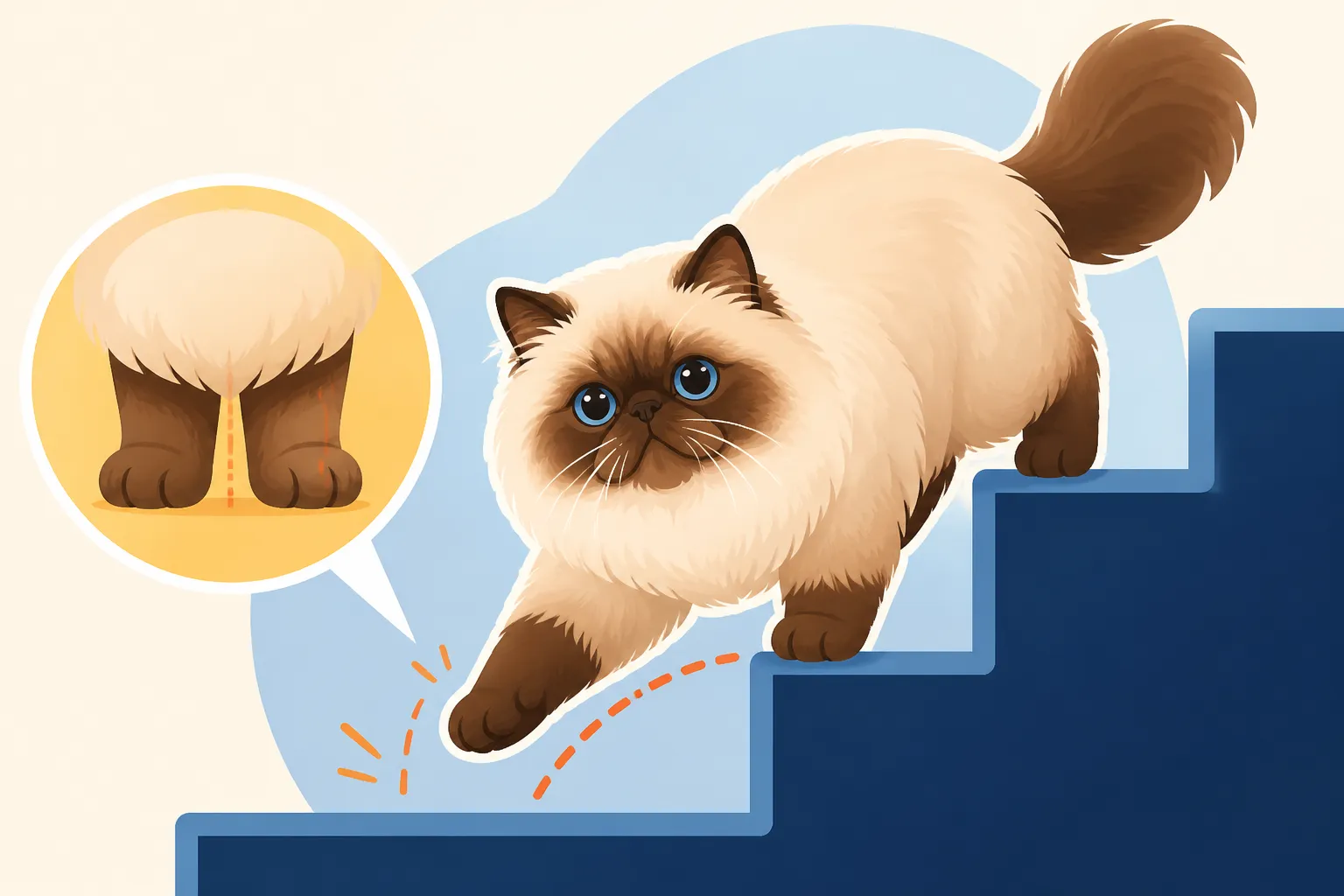
It’s a sight that can send a jolt of worry through any Himalayan parent: you’re watching your beautiful, fluffy companion move across the room, and suddenly, they take a little hop, a skip, or a momentary lift of a hind leg before settling back into a normal stride. This peculiar gait can be alarming, making you wonder if something is seriously wrong. This guide will delve into why your Himalayan’s short Persian legs might occasionally skip a step, what it means for their health, and when it’s time to call the vet.
Understanding the Himalayan's Unique Anatomy and Its Impact on Gait
Himalayans are truly distinct cats, a gorgeous blend of the dignified Persian and the vocal Siamese, but their physical structure, particularly their legs and overall body, leans heavily towards their Persian ancestry. This unique build is often what makes them so endearing, but it also predisposes them to certain musculoskeletal quirks that can affect their movement.
The Persian Influence on Leg Structure
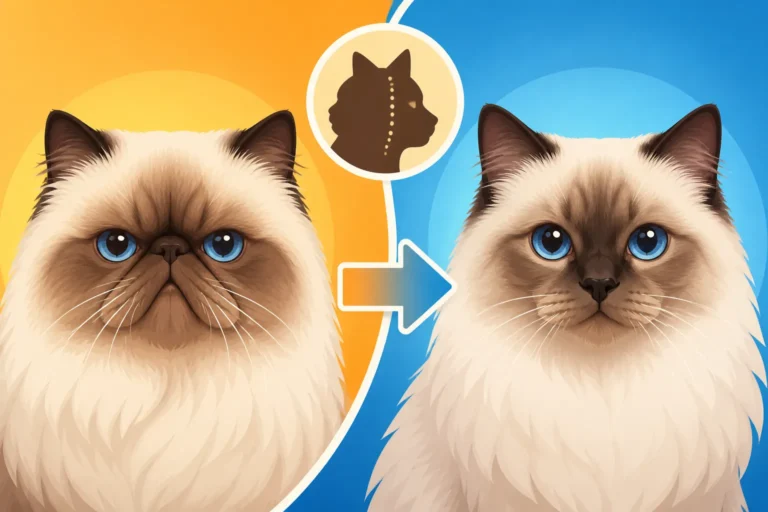
The most striking feature of a Himalayan’s physique, aside from their luxurious coat and captivating blue eyes, is their "cobby" body type. This means they are compact, powerfully built, and often heavier than they appear, with short, sturdy legs. These legs are very much a Persian trait, designed for a more sedate, ground-dwelling existence rather than the agile, high-jumping acrobatics of some other breeds. Unlike the lithe, long-limbed Siamese, Himalayans aren't built for scaling curtains or darting across vast distances at lightning speed. Their shorter legs mean a lower center of gravity and a less expansive stride.
Because their legs are shorter, the angles of their joints—especially the knees and hips—can be different compared to cats with longer limbs. These anatomical variations, while normal for the breed, can sometimes create a predisposition for certain conditions that manifest as an unusual gait. It's not uncommon to see a Himalayan with a slightly rolling walk or one that seems a bit less fluid than, say, a domestic shorthair. This is just part of their charm, but it also means we need to be extra vigilant about any changes in their mobility. If you're wondering how their overall structure compares, consider reading about How Long a Himalayan Lives Against Its Persian Half.
How the Cobby Body Frame Affects Movement
The cobby body isn't just about short legs; it encompasses their entire sturdy, broad frame. This robust build means more weight is distributed over shorter limbs, which naturally places different kinds of stress on their joints, tendons, and ligaments. Imagine a weightlifter with powerful, compact muscles versus a marathon runner with long, lean limbs – their movements are inherently different. For a Himalayan, this means their joints are always working a bit harder to support their substantial, beautiful form.
This compact frame also influences their agility and how they interact with their environment. They often prefer to stay on lower surfaces, choosing to step onto a sofa rather than jump, or using pet steps to reach a favorite elevated spot. This is why you might notice that Why a Himalayan Uses Steps Rather Than Jump. They generally aren't big jumpers, and this preference for lower heights is a natural adaptation to their body type. Any sudden or awkward movement, or even just a normal landing, can put strain on joints that are already working hard under their specific body architecture.
Patellar Luxation: The Most Common Culprit Behind a Skipped Step
When a Himalayan "skips a step," especially with a hind leg, the first thing many veterinarians consider is patellar luxation. This condition is far more common in certain breeds, particularly those with a cobby body type and shorter legs like Himalayans and Persians. It’s essentially what happens when the kneecap (patella) slips out of its normal groove.
Recognizing the Signs of Patellar Luxation
Patellar luxation can range in severity, and the symptoms often depend on how far the kneecap displaces and how frequently it happens. You might observe one or more of these signs:
- Intermittent lameness: This is the classic "skipping a step" or hopping gait. Your cat might run a few steps normally, then suddenly hold a hind leg up for a moment, shake it, or stretch it out before putting it back down and continuing as if nothing happened. It's often painless, but startling to witness.
- Reluctance to jump or use stairs: Because bending the knee can cause the kneecap to slip, cats with luxation might avoid activities that involve jumping up or down, or navigating stairs.
- Abnormal leg carriage: Sometimes, the affected leg might appear bowed or the paw might turn inward or outward.
- Pain or vocalization: In more severe cases, especially if the kneecap remains dislocated, your cat might show signs of pain, such as crying out, excessive licking of the area, or favoring the leg more consistently.
- Stiffness after rest: Just like humans with knee issues, a cat with patellar luxation might be a bit stiff when getting up after a long nap.
It’s crucial to pay close attention to the details of these episodes. How often does it happen? Which leg is it? Does your cat seem bothered by it? This information will be invaluable to your vet.
The Grading System for Patellar Luxation
Veterinarians use a grading system to classify the severity of patellar luxation, which helps determine the best course of action. This system typically ranges from Grade I to Grade IV:
| Grade | Description | Clinical Signs | Recommended Action |
|---|---|---|---|
| Grade I | Patella can be manually luxated but returns to normal position spontaneously. | Occasional skipping or no visible lameness; cat rarely bothered. | Monitoring, weight management, joint supplements. |
| Grade II | Patella luxates spontaneously or manually and remains luxated until manually repositioned or the cat extends its leg. | Frequent skipping, mild lameness, reluctance to jump. Cat may shake leg to pop patella back. | Monitoring, potential surgical consultation, joint support. |
| Grade III | Patella is permanently luxated but can be manually reduced into the groove. | Persistent lameness, bowed legs, signs of discomfort, difficulty with movement. | Surgical correction often recommended. |
| Grade IV | Patella is permanently luxated and cannot be manually reduced. The groove is often shallow or absent. | Severe, chronic lameness, significant pain, abnormal stance. Cat may not bear weight on leg. | Surgical correction highly recommended, often complex. |
Early diagnosis is key. If your vet suspects patellar luxation, they'll perform a thorough orthopedic examination, manipulating your cat's knee to assess the patella's stability. X-rays might also be taken to evaluate the bone structure of the knee joint. This is a common condition that proactive pet insurance providers like Healthy Paws are familiar with, making them an excellent resource for discussing coverage options for such breed-specific predispositions.
Other Potential Causes for a Hind Leg Skip
While patellar luxation is a primary suspect, it's certainly not the only reason your Himalayan might skip a step. The complexities of their Persian heritage mean other joint and skeletal issues can also contribute to changes in gait. It's important to rule out these possibilities with a comprehensive veterinary check-up.
Arthritis and Joint Degeneration
Just like us, cats can develop arthritis (osteoarthritis or degenerative joint disease) as they age. This is particularly true for breeds with a heavier, cobby build and those with predispositions to joint issues, which certainly includes Himalayans. Arthritis involves the breakdown of cartilage within the joints, leading to pain, stiffness, and reduced mobility. You might notice your Himalayan being reluctant to move, or showing signs of discomfort when touched.
If you observe that How Arthritis Shows in a Himalayan That Never Jumped, a skipped step could be an early indicator of arthritic changes. The temporary lifting of a leg might be your cat trying to alleviate pressure on a painful joint. Other signs of arthritis include:
- Decreased activity: Less playing, reluctance to use scratching posts, or avoiding favorite high spots.
- Difficulty with grooming: Especially reaching hindquarters or back, leading to a dull or matted coat in those areas.
- Changes in litter box habits: Painful joints can make it hard to get into or out of a litter box, sometimes leading to accidents.
- Stiffness, especially after resting: Similar to patellar luxation, but often more consistent.
- Irritability: Pain can make even the sweetest cat grumpy or less tolerant of handling.
Arthritis often progresses slowly, so these subtle signs can be easy to miss until they become more pronounced. A skipped step could be one of the first clues your cat gives you that their joints are starting to feel the strain.
Neurological Issues or Back Pain
While less common for a simple "skip a step" symptom, neurological problems or pain originating from the spine can also affect a cat's hind leg function. Issues like intervertebral disc disease (IVDD) or nerve compression can cause weakness, incoordination, or pain that results in an altered gait. Given their long, sturdy backs, sometimes it's less about the legs and more about the connection to the brain.
Signs that might point to a neurological or back issue include:
- Weakness in the hind legs: A noticeable wobble or difficulty supporting their weight.
- Dragging paws: The cat might scuff their toes as they walk.
- Difficulty jumping or climbing: More severe than just reluctance, they might physically struggle to achieve these movements.
- Pain when touched along the spine: Hissing, flinching, or crying out.
- Incontinence: Loss of bladder or bowel control in severe cases.
- Changes in posture: A hunched back or reluctance to stretch.
It's important to remember that these are usually accompanied by other more severe symptoms than just an occasional skipped step. Your vet will perform a full physical and neurological exam to distinguish between orthopedic and neurological causes, including feeling around How to Feel a Himalayan's Spine Through Its Ruff. If your vet recommends advanced imaging like an MRI, having a robust pet insurance plan like Healthy Paws can provide immense peace of mind.
When to Worry and What Your Vet Will Do
Seeing your beloved Himalayan exhibit an unusual gait can be nerve-wracking. The key is to observe carefully and understand when it’s simply a quirky feline habit versus a symptom needing professional attention. When in doubt, a vet visit is always the best course of action.
The Diagnostic Process for Leg Issues
When you bring your Himalayan in for a skipped step, your veterinarian will start with a comprehensive physical exam. This won't just focus on the legs but will look at your cat's overall health, body condition (remember What a Himalayan's Cobby Frame Should Weigh), and demeanor.
Here’s what you can expect during the diagnostic process:
- History Taking: Your vet will ask you detailed questions about when you first noticed the skipping, how often it occurs, which leg is affected, if your cat shows any pain, and if there have been any changes in their activity level, appetite, or litter box habits. Be prepared to describe the episodes as precisely as possible.
- Orthopedic Exam: The vet will carefully palpate each joint in your cat's legs, assessing for pain, swelling, instability, and range of motion. For suspected patellar luxation, they will specifically try to move the kneecap to see if it slips out of place and how easily it can be reduced. They will also look for signs related to Whether a Himalayan Inherits the Persian's Hip Problems.
- Gait Analysis: They'll want to see your cat walk, run, and perhaps even try to jump (if they're willing). Sometimes, they might ask you to take a video of your cat's gait at home, as animals often behave differently in a clinic setting.
- X-rays: Radiographs (X-rays) are often crucial for visualizing the bone structure of the joints and spine. They can confirm the presence of arthritis, assess the depth of the patellar groove, identify any fractures, or show signs of hip dysplasia.
- Further Diagnostics: In some cases, if the initial findings are inconclusive or point to more complex issues, your vet might recommend advanced imaging like an ultrasound (for soft tissues), CT scans, or MRI (especially for neurological concerns). Blood tests might also be run to rule out systemic diseases that could affect joint health.
Don't hesitate to write down your observations before the vet visit. The more information you can provide, the better your vet can pinpoint the problem.
Management and Treatment Options
Once a diagnosis is made, your vet will discuss the best course of treatment, which will vary significantly depending on the underlying cause and severity.
-
Conservative Management (for mild cases):
- Weight Management: Maintaining a healthy weight is paramount for joint health in any cat, but especially a cobby Himalayan. Extra pounds put additional strain on already challenged joints.
- Joint Supplements: Glucosamine, chondroitin, and omega-3 fatty acids can help support cartilage health and reduce inflammation.
- Pain Management: For arthritic pain or mild discomfort from luxation, your vet might prescribe non-steroidal anti-inflammatory drugs (NSAIDs) or other pain relievers. You should know that Which Pain Relief a Himalayan With Cysts Can Take because kidney disease is a concern in the breed, so vet guidance is essential.
- Environmental Modifications: Making your home more joint-friendly can make a huge difference. Think about providing Why a Cobby Himalayan Needs Wide Platforms, Not Tall Ones or ramps to help them access their favorite spots without jumping. Ensuring litter boxes have low sides for easy entry is also beneficial.
- Physical Therapy: Gentle exercises, massage, or even hydrotherapy can help strengthen muscles around the joints and improve flexibility.
-
Surgical Intervention (for more severe cases):
- Patellar Luxation Surgery: For Grade II or higher patellar luxation, surgery might be recommended to deepen the trochlear groove (where the kneecap sits), realign the quadriceps muscle, or stabilize the joint. The goal is to prevent the kneecap from slipping out.
- Other Orthopedic Surgeries: Depending on the specific issue, other surgical procedures might be necessary to correct severe arthritis, hip problems, or certain neurological conditions.
Deciding on surgery can be daunting, but for many cats, it can significantly improve their quality of life. Your vet will discuss the risks and benefits thoroughly. Remember, Why a Himalayan Is a Harder Anesthetic Than a Siamese due to their unique facial structure, so any anesthetic procedure will involve careful planning and monitoring. Having pet insurance from a provider like Healthy Paws can be invaluable in covering the costs of diagnostics and advanced treatments, including surgery, making these critical decisions a little easier. Early detection and intervention, whether conservative or surgical, are crucial for keeping your fluffy friend happy and mobile for years to come.
Disclaimer
The information provided in this article is for educational and informational purposes only and does not constitute veterinary advice. Always consult with a qualified veterinarian for any health concerns or before making any decisions about your pet's medical care.