Why a Matted Himalayan Becomes a Medical Case
It’s a heartbreaking sight for any cat parent: you reach down to stroke your beautiful Himalayan, only to discover a dense, tangled clump of fur. What starts as a small knot can quickly spiral into a suffocating, painful armor that hides a multitude of serious health issues. This isn't just a cosmetic problem; a matted coat transforms your beloved feline companion into a medical case, leading to significant discomfort, pain, and even life-threatening conditions. This guide will walk you through exactly why these seemingly harmless tangles become such a grave concern and what you can do to prevent it.
The Unique Himalayan Coat and Why Matting is an Inevitable Threat
Himalayans are renowned for their absolutely stunning, luxurious coats. They are truly magnificent creatures with their flowing locks and striking point coloration. However, this very beauty, the dense, long fur, is also their Achilles' heel when it comes to grooming. Unlike some other long-haired breeds, the Himalayan's coat has a particular structure that makes it highly susceptible to matting, often catching owners off guard despite their best efforts.
The Double Coat: A Blessing and a Curse
At first glance, a Himalayan's coat is a marvel of fluffy elegance. But underneath that soft, silky topcoat lies a very thick, woolly undercoat. This double layer is fantastic for insulation, keeping them cozy, but it’s also the primary culprit behind severe matting. The outer guard hairs are long and fine, while the undercoat is shorter, denser, and more prone to tangling. These two layers work together beautifully to create that voluminous look, but they also intertwine with alarming ease. When shed hairs from the undercoat get caught in the longer outer coat and aren't regularly removed, they begin to twist and knot, forming the dreaded mats.
Imagine trying to comb through two different textures of yarn that have been spun together – that’s essentially what’s happening on your Himalayan. This makes it especially critical to understand How Much Undercoat a Himalayan Carries Under Its Points because it dictates the intensity of their grooming needs. Many owners find themselves struggling to get a comb all the way down to the skin, inadvertently leaving the undercoat to felt, which is the precursor to severe matting. Even a quick, surface-level brush can give the illusion of a well-groomed cat, while insidious mats are silently forming closer to the skin, where they can do the most damage.
How Mats Form, Grow, and Tighten
A small tangle can form from almost anything: a speck of food, a bit of litter, a stray piece of dust, or simply the cat’s natural shedding process. When your Himalayan grooms itself, its tongue can actually make these small tangles worse by compacting the fur rather than disentangling it, especially if the mat is already forming. Once a tiny knot takes hold, it acts like a magnet, drawing in more loose fur, dander, and environmental debris. It’s a vicious cycle.
These initial tangles quickly grow into larger mats. As the cat moves, stretches, and plays, the friction causes these mats to become tighter and tighter, pulling on the skin. It’s like having your hair tied in a constantly tightening knot that’s digging into your scalp. This constant tension is incredibly painful. Mats often start in high-friction areas or places that are hard for the cat to reach, such as behind the ears, under the armpits, on the belly, and around the “britches” area near their hind legs. If you've ever wondered why a Himalayan's first mat forms in these specific spots, it's precisely because of the combination of constant movement and difficulty in self-grooming. Once a mat sets in, it won't just brush out. It becomes a solid, impermeable mass that can only be safely removed by professional intervention, often requiring shaving.
Skin Health Nightmares Under the Mats
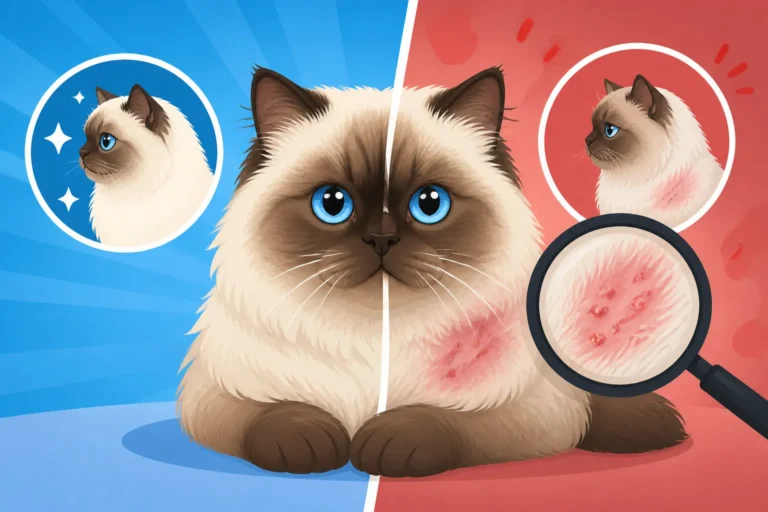
The most immediate and severe impact of matting is on the delicate skin underneath. Mats create a perfect storm for a host of dermatological problems, many of which are excruciatingly painful and can become serious infections if left untreated. It's a hidden world of misery under that fluffy exterior, completely invisible to the casual observer.
Trapped Moisture and Dermatitis
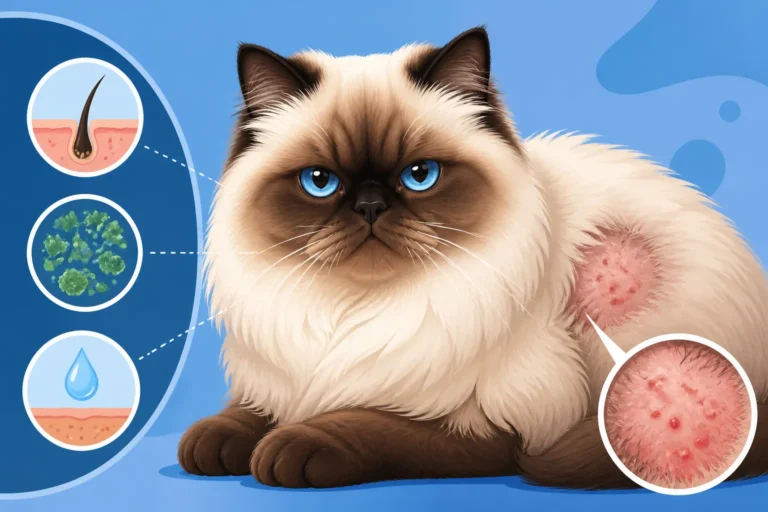
One of the biggest dangers lurking beneath a mat is moisture. Mats are like dense sponges, trapping any moisture that comes into contact with the cat's skin. This could be from bathing, from a humid environment, from tears and saliva, or even from the cat’s own natural skin oils. Once moisture is trapped against the skin, it can't evaporate properly, creating a warm, damp environment that is an absolute breeding ground for bacteria and yeast. This leads to painful skin conditions like pyoderma (bacterial skin infection) and yeast infections.
Dermatitis, or inflammation of the skin, is almost inevitable under a mat. The constant pulling, lack of air circulation, and trapped moisture irritate the skin, causing it to become red, inflamed, and itchy. Your cat will likely try to scratch or lick at these irritated areas, which only exacerbates the problem, sometimes leading to open sores and further infection. It’s a truly miserable experience for them. Imagine wearing a heavy, wet, dirty blanket that’s glued to your skin and constantly pulling and rubbing – that’s what your Himalayan experiences.
Parasite Havens and Hidden Infections
Matted coats also provide an ideal, protected habitat for unwelcome guests: parasites. Fleas, ticks, and mites can hide deep within the dense fur, making them incredibly difficult to detect and treat. The mats offer these parasites warmth, shelter, and an uninterrupted food source (your cat's blood!). A flea infestation under a matted coat can lead to severe itching, skin irritation, and even anemia in severe cases, especially in kittens or older cats. Ticks, likewise, can latch on unnoticed for days, transmitting diseases without being seen.
Beyond parasites, mats can also conceal injuries, wounds, and abscesses. Because the skin is constantly pulled and irritated, it’s more prone to tearing, especially during grooming attempts (either by the cat or an inexperienced owner). A small scratch can quickly become infected under the impenetrable mat, developing into a painful abscess. By the time these issues are discovered, often during a professional grooming session or vet visit, they are usually far advanced and require immediate medical attention. It's a sad reality that sometimes Why a Himalayan's Coat Hides a Wound for Days is due to the sheer density and length of their fur, masking problems until they become critical.
Mobility, Pain, and Behavioral Changes
Beyond the immediate skin issues, severe matting has a profound impact on your Himalayan’s physical comfort and psychological well-being. It can drastically limit their movement, inflict constant pain, and even alter their personality. These are not minor inconveniences; they are serious quality of life degradations.
Restricted Movement and Discomfort
Think about trying to walk with your clothes glued tightly to your joints. That's a fraction of what a severely matted cat experiences. Mats, especially large "pelts" that cover significant portions of the body, become rigid and stiff. They prevent the cat from stretching, jumping, running, or even walking comfortably. Every movement becomes a painful tug on their skin. A cat needs to be able to fully extend its limbs and spine to move naturally, and matting completely hinders this.
Mats around the legs, armpits, and groin are particularly debilitating, making it hard for them to even use the litter box properly. Cats might start avoiding the litter box because the act of squatting is too painful, leading to urinary tract infections or defecating outside the box. The weight and rigidity of the mats can also alter their gait, leading to muscle strain or even skeletal problems over time as they try to compensate for the restricted movement. This persistent discomfort means your once playful cat might become withdrawn, lethargic, and reluctant to engage in any activity.
The Psychological Toll of Constant Pain
Living in constant pain and discomfort takes a severe toll on a cat's mental and emotional health. A Himalayan that is continuously suffering from mats will often become irritable, defensive, and even aggressive when touched, especially in the matted areas. They might hide more, lose interest in playing, or become withdrawn from their family. It’s not that they’re being “grumpy” or “difficult”; they’re simply in agony.
The inability to properly groom themselves also contributes to their stress. Cats are meticulously clean animals, and being unable to perform this natural, comforting behavior can cause significant anxiety. They know something is wrong, but they can't fix it. This prolonged stress can suppress their immune system, making them more susceptible to other illnesses. It’s a vicious cycle where physical pain leads to emotional distress, which then exacerbates their physical state. Recognizing these subtle shifts in behavior can be an early indicator that something is seriously wrong, even if the mats aren't immediately obvious.
Systemic Health Risks and Emergency Care
While skin issues and pain are immediate concerns, severe matting can lead to systemic health problems that require emergency veterinary intervention. The process of removing severe mats, though necessary, also carries its own set of risks, especially for a stressed or unhealthy cat.
Impaired Circulation and Organ Strain
In extreme cases, tightly matted fur can restrict blood flow to certain areas of the body, particularly the limbs. These "tourniquet mats" can cause swelling, nerve damage, and even tissue necrosis if left long enough. While rare, it's a terrifying possibility. More commonly, the sheer weight and constant tension of extensive matting can contribute to general malaise and put a strain on the cat's overall system.
Furthermore, a cat that has developed severe infections under its mats might experience a systemic infection or sepsis. This is a life-threatening condition where bacteria from a localized infection enter the bloodstream and spread throughout the body, potentially leading to organ failure. If your cat develops a fever, becomes extremely lethargic, or stops eating due to matting-related infections, it constitutes a medical emergency. This is precisely why a situation like What Kills a Himalayan Whose Line Was Never Tested can also be exacerbated by preventable issues like matting, as their underlying health might already be compromised.
Anesthesia Risks for Matted Cats
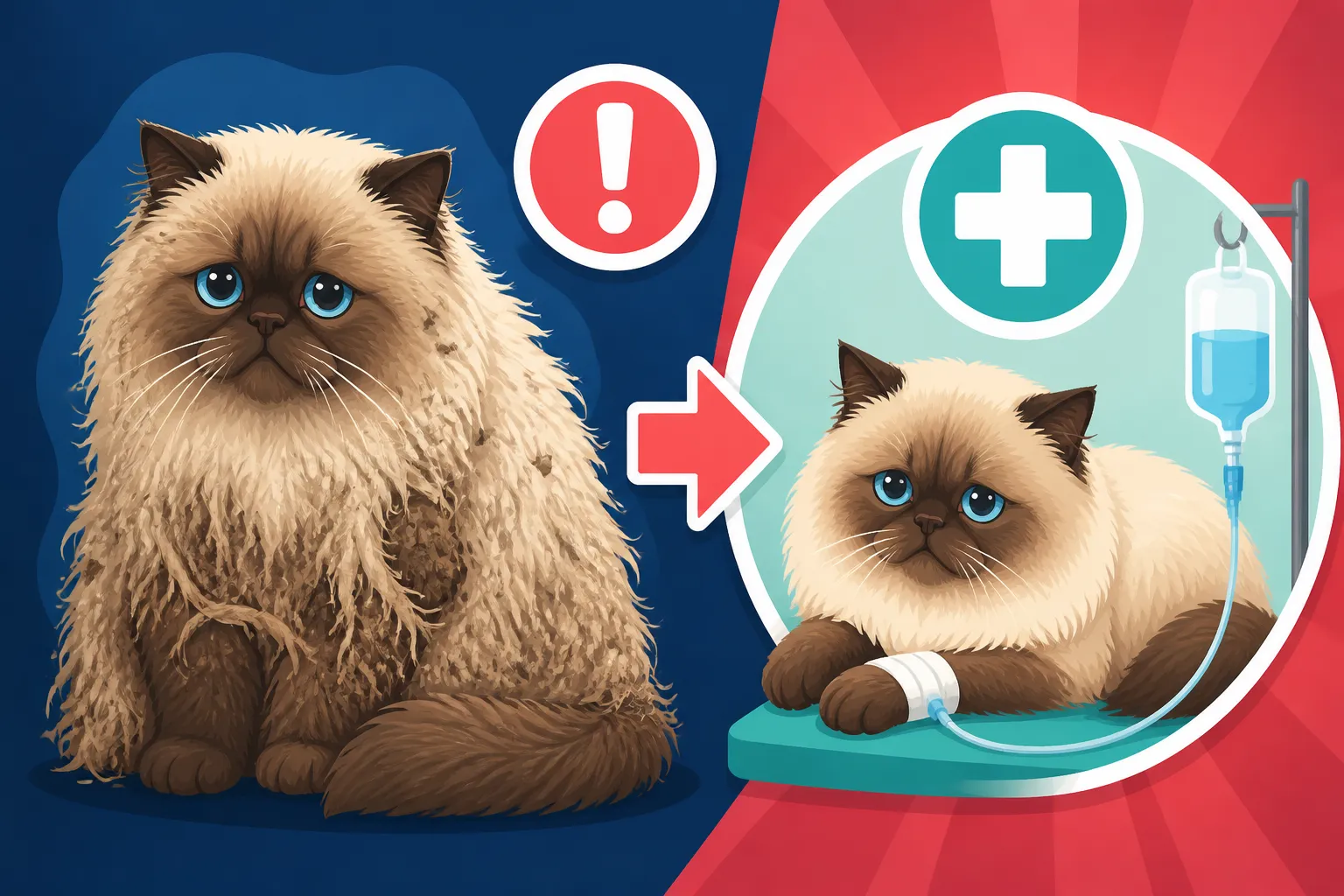
The sad reality is that once mats are severe and tight, they cannot be brushed out. Attempting to do so would cause excruciating pain and potentially damage the skin. The only humane and safe way to remove extensive, tight mats is by shaving them off, often requiring sedation or general anesthesia. This is a significant concern because anesthesia always carries risks, especially for cats that might already be stressed, dehydrated, in pain, or suffering from underlying health conditions due to their prolonged matting.
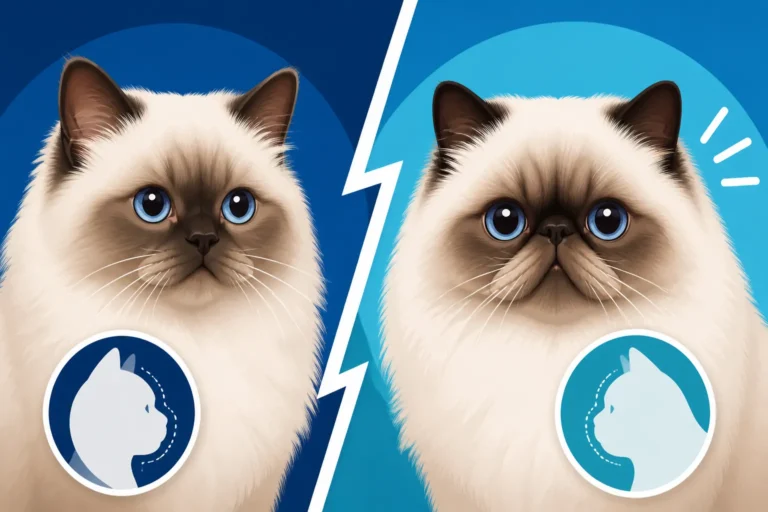
Cats with brachycephalic (flat) faces, like many Himalayans, already have a higher risk under anesthesia due to their compromised airways. If you’re familiar with Why a Himalayan's Anesthetic Needs a Longer Recovery, you know that their unique physiology requires extra caution. Adding the stress of matting, potential infections, and dehydration only compounds these risks. Vets must be extra vigilant, monitoring breathing and heart rate closely. It's an expensive and stressful procedure that is entirely avoidable with consistent preventative care. Pet insurance providers like Healthy Paws are excellent for covering unexpected emergencies, but preventing these situations in the first place is always the best approach.
Prevention is Key: A Daily Routine for a Healthy Himalayan
The good news is that severe matting is almost entirely preventable with a consistent and proactive grooming routine. It requires dedication, but the health and happiness of your Himalayan are absolutely worth it. Establishing good habits early on is crucial.
Essential Grooming Tools and Techniques
The cornerstone of preventing mats is daily combing. Not just brushing, but combing. You need a good quality metal comb with both wide and narrow teeth. A slicker brush can be great for removing loose topcoat fur, but it won't penetrate the dense undercoat effectively. You need to use the comb to systematically work through your Himalayan’s fur, section by section, from the skin outwards. Pay particular attention to those high-friction areas: behind the ears, under the chin, armpits, belly, and britches. This deep combing helps to remove shed undercoat before it has a chance to tangle and felt.
It’s not an exaggeration to say that you should be combing your Himalayan daily. Even if it’s just 10-15 minutes, this routine is non-negotiable for keeping their coat healthy. Ignoring it, even for a few days, can lead to the quick formation of mats, as discussed in How Often a Himalayan Must Be Combed. Teach your kitten to tolerate and even enjoy grooming from a young age with positive reinforcement and treats. Gently work on different areas each day, making it a pleasant bonding experience. You may find that Working a Comb Through a Himalayan's Ruff requires a bit of extra patience, as it's a particularly dense area.
Here's a quick reference for common matting areas and their associated risks:
| Matting Location | Associated Risks |
|---|---|
| Armpits | Restricted movement, skin irritation, deep infections |
| Behind Ears | Pain, scratching, ear infections, secondary lesions |
| Belly/Groin | Difficulty walking, urinating/defecating, skin tears |
| Britches | Fecal impaction, hygiene issues, skin infections |
| Neck/Ruff | Restricted head movement, severe pain, breathing issues |
| Tail Base | Pain, difficulty sitting, skin irritation |
Professional Grooming and Vet Consultations
Even with the most diligent home grooming, many Himalayan owners find it beneficial, and often necessary, to schedule regular professional grooming appointments. A professional groomer has specialized tools, techniques, and experience with long-haired breeds like Himalayans. They can spot small tangles you might miss, ensure the undercoat is thoroughly removed, and provide sanitary trims around the britches and paws to prevent future matting. Depending on your cat’s coat type and lifestyle, this might be quarterly or even more frequently.
If you do find a mat that you can't safely remove, or if your cat seems painful, reluctant to be groomed, or shows any signs of skin irritation, don't hesitate to consult your veterinarian or a professional groomer. Attempting to cut out mats yourself with scissors is incredibly risky and can easily lead to accidental cuts to the skin, which can then become severely infected. Many vets can assess the severity of matting and recommend the best course of action, including professional shaving under sedation if necessary. Remember, situations like Why a Neglected Himalayan Ends Up Sedated for Clipping are completely preventable with consistent care. Investing in preventative grooming is far less costly and stressful than dealing with a severe medical situation later on. For unexpected medical costs, having pet insurance like Healthy Paws can provide peace of mind, but the best approach is always proactive prevention. It’s also important for your vet to be able to assess your cat's overall health; if they cannot even properly perform a physical exam and How to Feel a Himalayan's Spine Through Its Ruff due to matting, it hinders their ability to detect other potential health issues.
Disclaimer
This article is intended for informational purposes only and does not constitute veterinary advice. Always consult with a qualified veterinarian for any health concerns or before making any decisions about your pet's care.