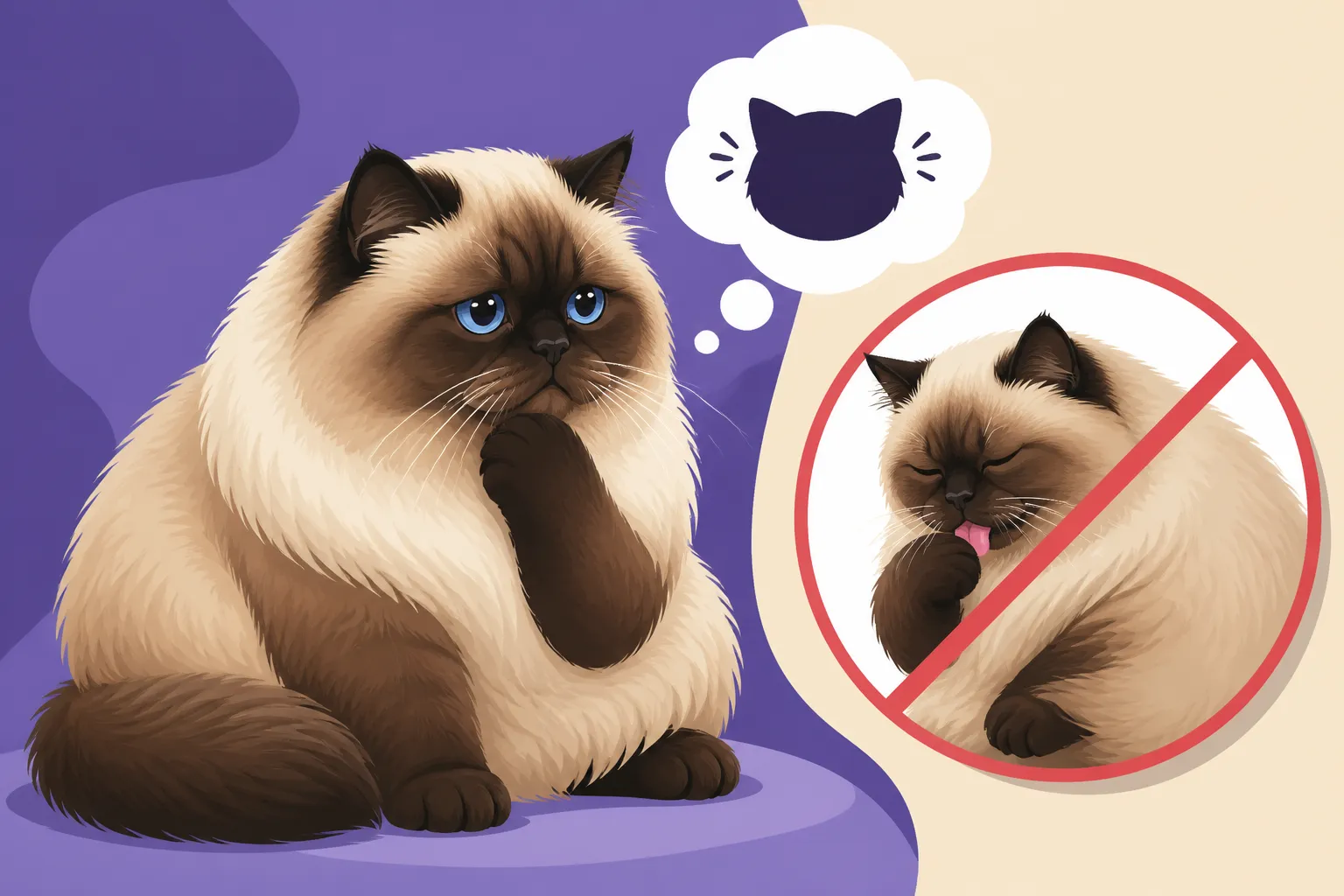
Why a Heavy Himalayan Stops Grooming Its Points
It’s a scenario many Himalayan cat parents know all too well: your once meticulous groomer, the picture of pristine floof, suddenly starts looking a little… unkempt. You notice mats forming in those hard-to-reach places, especially around their beautiful britches, and their glorious points don't seem quite as cared for. This neglect isn't due to laziness on their part; often, the silent culprit is excess weight, physically preventing your beloved feline from maintaining their exquisite coat. This guide will walk you through why a heavy Himalayan struggles to groom and what you can do to help them get back to their dapper selves.
The Weighty Truth Behind Neglected Grooming
It’s heartbreaking to see your fluffy companion, known for their majestic coat, suddenly unable to keep themselves clean. But for Himalayans, carrying extra pounds isn't just about looking a little rounder; it directly impacts their ability to perform one of their most essential natural behaviors: grooming. Their unique body structure, combined with the sheer volume of their luxurious fur, means that weight gain creates significant physical barriers.
Understanding the Himalayan's Unique Physique
Himalayans are a truly special breed, renowned for their stunning color points and their incredibly dense, long coats. But beneath all that magnificent fluff lies a "cobby" body type. This means they are compact, powerfully built, and have relatively short, sturdy legs. Think of it like a beautiful, well-upholstered armchair – solid and plush. Their fur, which is often described as a Persian coat with Siamese coloring, is double-layered and incredibly fine, designed to keep them warm in colder climates. This dense undercoat, combined with longer guard hairs, gives them that characteristic voluminous appearance. Even a healthy, ideal-weight Himalayan finds it challenging to twist and turn enough to reach every inch of their body for grooming. Areas like the lower back, the base of the tail, and especially their "britches" – the long fur on their hind legs – require significant flexibility and contortion.
How Extra Weight Exacerbates Physical Limitations
Now, imagine adding extra padding to that already compact frame. When a Himalayan starts to put on weight, that "well-upholstered armchair" becomes overstuffed. The added bulk around their midsection makes it incredibly difficult, if not impossible, for them to bend, stretch, and twist their bodies into the necessary positions for self-grooming. Their short legs, while strong, simply can't provide the leverage needed to maneuver their heavier frame. The extra fat deposits around their abdomen and hips create a literal barrier, preventing them from reaching the areas that need the most attention – precisely those beautiful "points" on their tail and hindquarters that are so characteristic of the breed. It's not a matter of wanting to groom less; it's a genuine physical incapacity. This struggle is particularly pronounced because their cobby body, combined with the extreme length of their coat, means they have further to reach compared to a sleeker, shorter-haired breed.
The Physical Mechanics of Hindered Hygiene
When a Himalayan gains weight, the act of grooming transforms from an instinctive, pleasurable activity into a frustrating, often painful ordeal. The simple mechanics of being a cat – bending, licking, scratching – become fundamentally compromised, leading to significant hygiene issues.
Reaching the "Points" Becomes a Herculean Task
Consider the athleticism required for a cat to truly groom themselves effectively. They need to twist their spine, lift their legs, and bend their neck to reach every spot. For a Himalayan, those magnificent "points" on their tail and britches are some of the hardest areas to access, even when they're at a healthy weight. The deep fur around their hindquarters is prone to collecting debris and can quickly become matted if not regularly cleaned. When an overweight Himalayan tries to contort itself, the extra fat around their belly and hips acts like a rigid, unyielding shield. They simply cannot fold their body in half sufficiently to get their tongue or even a back leg around to these critical areas. It's like trying to touch your toes after a huge meal and in restrictive clothing; your body just won't cooperate. Owners often observe their cat making valiant, but ultimately failed, attempts, perhaps licking the air in frustration or giving up entirely. This inability to physically reach means that areas like the base of the tail and the inner thighs become neglected, quickly leading to tangles and dirt accumulation. This is why you'll often see that an overweight Himalayan cannot reach its britches, leading to some of the most challenging matting issues.
Discomfort and Mobility Issues
Beyond the sheer inability to reach, the act of trying to groom when overweight is often deeply uncomfortable, if not outright painful. The extra weight puts significant strain on their joints, especially in their hips and spine. Imagine trying to perform stretches when your joints ache and your body feels heavy. This discomfort discourages even the attempt. Furthermore, Himalayans, due to their thick coats and brachycephalic (flat-faced) characteristics, are prone to overheating. Carrying extra weight acts like an insulating blanket, trapping more body heat. Trying to exert themselves by twisting and turning to groom, which is a mild form of exercise, can quickly make them feel too hot and out of breath. You might notice them panting more, or seeking out cooler spots. For a breed already prone to respiratory challenges, this added strain is significant. If you've ever heard your Himalayan snores louder than its Siamese ancestors, you can imagine how much more difficult breathing becomes with extra weight. This discomfort contributes to a general reluctance to engage in thorough grooming, leading to a vicious cycle where neglected fur becomes matted, further increasing discomfort and making future grooming even harder. Ultimately, the simple truth is that an overweight Himalayan cannot clean its own points with the care and precision required for their luxurious coat. This situation often necessitates intervention from their human companions to prevent discomfort and serious health issues.
Beyond Grooming: Broader Health Implications of Obesity
While neglected grooming is a clear and visible consequence of a heavy Himalayan, the impact of obesity stretches far beyond a messy coat. It's a foundational health issue that can precipitate a cascade of other serious conditions, significantly shortening their lifespan and diminishing their quality of life.
Increased Risk of Skin and Coat Problems
When a Himalayan stops effectively grooming, the initial consequence is, predictably, issues with their coat and skin. Matting is almost inevitable. These dense tangles don't just look bad; they pull on the skin, causing pain and discomfort. Underneath the mats, the skin can't breathe properly, creating a warm, damp environment ripe for bacterial and fungal infections, a condition often referred to as "hot spots" or dermatitis. Dander and shed fur become trapped, further irritating the skin. Imagine wearing a heavy, dirty blanket that constantly pulls at your skin – that's what a severely matted coat feels like to your cat. Areas like the armpits, inner thighs, and around the tail are particularly vulnerable to these issues. Over time, these neglected areas can become inflamed, infected, and develop foul odors. It's a sad reality that a matted Himalayan becomes a medical case, often requiring sedation and professional shaving to relieve their suffering. This is more than just an aesthetic problem; it's a direct threat to their skin integrity and overall comfort.
Exacerbated Respiratory and Joint Issues
Himalayans, with their charmingly flattened faces, belong to a category of cats known as brachycephalic breeds. This means they are inherently predisposed to certain respiratory challenges, such as Stenotic Nares (narrow nostrils) and an elongated soft palate, which can obstruct their airway. Extra weight compounds these existing vulnerabilities dramatically. Carrying additional pounds puts immense pressure on their chest cavity and diaphragm, making it even harder to breathe. You might notice your heavy Himalayan struggling with even minimal exertion, panting after just a few minutes of play, or snoring much louder than usual, especially when they sleep with its neck stretched out to open their airway. This labored breathing reduces their oxygen intake and significantly increases their risk of heatstroke.
Beyond breathing, a Himalayan's cobby frame and relatively short legs are designed for stability, not high-impact activity. Excess weight places undue stress on their joints, particularly their hips and knees. This can accelerate the onset of conditions like arthritis or exacerbate existing joint pain. Owners might notice their cat moving slower, being reluctant to jump onto furniture, or even displaying a subtle limp. Sometimes, a heavy Himalayan's short Persian legs skip a step, indicating discomfort or pain in their joints. This isn't just about limiting their play; it impacts their ability to move comfortably through their daily life, reach the litter box, or even adjust their position for a good nap.
Metabolic and Systemic Health Concerns
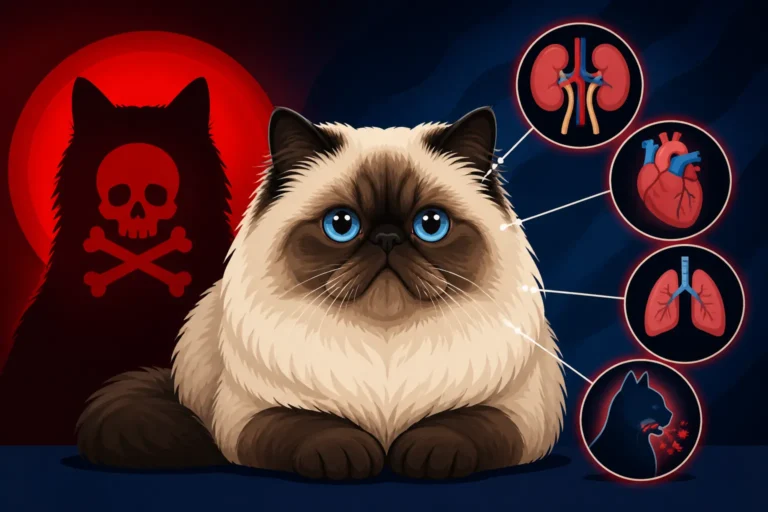
Perhaps the most insidious danger of obesity in Himalayans lies in its systemic impact on their internal organs and metabolic processes. Just like in humans, excess fat tissue is not inert; it's an active endocrine organ that releases inflammatory hormones, impacting nearly every system in the body. Heavy Himalayans are at a significantly higher risk of developing type 2 diabetes, a serious condition requiring lifelong management with insulin injections. Their pancreas simply can't keep up with the demands of an overweight body.
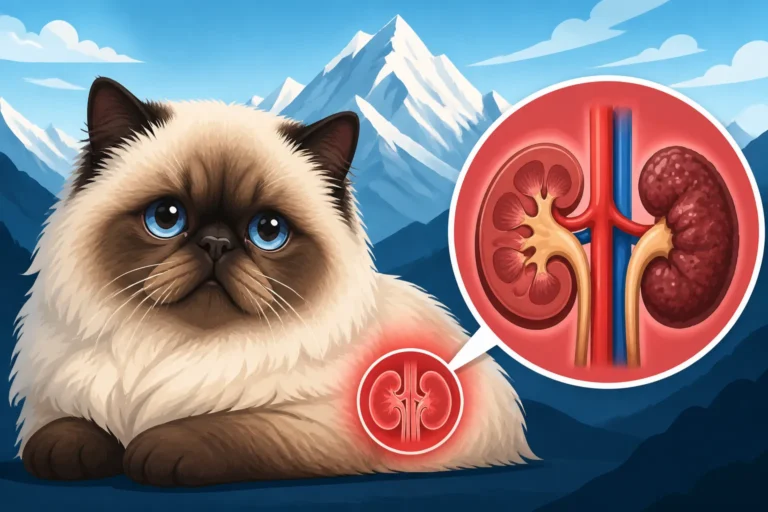
Furthermore, obesity strains the heart, leading to an increased risk of heart disease, and it can contribute to fatty liver disease (hepatic lipidosis), a potentially fatal condition that can occur if an overweight cat stops eating for even a short period. The kidneys, already a concern for some Himalayan lines due to inherited conditions like Polycystic Kidney Disease (PKD1 came down the Persian side of a Himalayan), can also be negatively impacted by the chronic inflammation associated with obesity. While it's true that the Persian half brought a Himalayan diabetes risk, obesity significantly amplifies this predisposition. Essentially, obesity transforms a beautiful, loving companion into a high-risk patient, making preventative care and weight management absolutely critical for their long-term health and happiness.
Recognizing the Signs and Assessing Your Himalayan's Weight
Sometimes, it can be tough to tell if your fluffy Himalayan is carrying a few extra pounds. Their long, dense coats are masters of disguise, expertly camouflaging weight gain. But recognizing the signs early is crucial for their health and well-being. It's about more than just looking at them; it requires a hands-on approach and a bit of objective assessment.
Visual Cues of Overweight Himalayans
While the luxurious coat can hide a lot, there are still visual clues if you know what to look for. From above, a healthy Himalayan should have a discernible "waist" – a slight inward curve between their ribs and hips. An overweight Himalayan will appear more like a continuous, oval shape, with no visible waistline. Their body will look uniformly wide from shoulders to tail. From the side, look for a "tuck-up." A fit cat will have a slight upward slope from the bottom of their rib cage to their hind legs, indicating a lean abdomen. An overweight Himalayan will have a distended, rounded, or sagging belly, with little to no tuck-up. This is often where you'll see a fat pad developing.
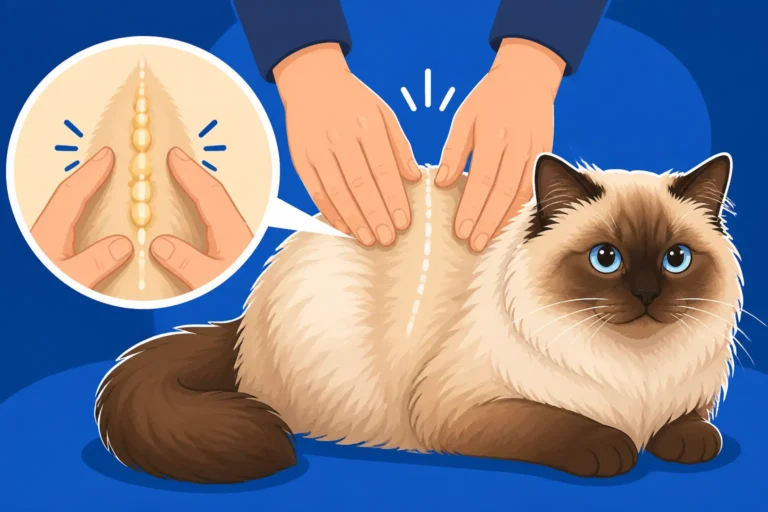
Another telling sign is a reluctance to move or a noticeable decrease in activity. They might stop jumping onto favorite furniture, struggle to use their litter box gracefully, or simply spend more time napping. While Himalayans are known for being relatively sedentary, a sudden or significant drop in their already calm activity level is a red flag. Their gait might also change, appearing more wobbly or cumbersome. A key diagnostic touchpoint is learning how to find a Himalayan's ribs through a Persian coat. You should be able to feel them easily, like running your fingers over a washboard, but not see them prominently. If you have to press firmly to feel their ribs, or if they feel completely cushioned by fat, your cat is likely overweight.
The Importance of Regular Weigh-ins
Given the deceptive nature of their coats, simply eyeballing your Himalayan isn't enough. Regular weigh-ins are absolutely essential for accurate weight management. This doesn't mean just at the vet; investing in a small pet scale for home use can be incredibly beneficial. Aim to weigh your Himalayan once a month, or more frequently if they are on a weight loss program. Keeping a simple log of their weight can help you spot trends early, before a few extra ounces turn into several pounds.
Knowing what a Himalayan's cobby frame should weigh can vary. Generally, adult Himalayans typically weigh between 7 to 12 pounds (about 3.2 to 5.4 kg). However, this can fluctuate based on gender and individual build. For instance, a male might naturally be at the higher end of this range, while a female might be at the lower. Your veterinarian can provide you with an ideal target weight range specific to your cat's frame and build. They can also explain why a cobby Himalayan is weighed at every visit to ensure accurate health assessments. Don't be shy about discussing this with your vet; they are your best resource for setting realistic weight goals.
Body Condition Scoring (BCS)
Beyond the scale, veterinarians use a tool called the Body Condition Score (BCS) to assess a cat's fat reserves and muscle mass more objectively. This is a nine-point scale, where 1 is emaciated, 5 is ideal, and 9 is morbidly obese. It's a more nuanced way to assess weight than just a number on a scale, as it accounts for individual variations in frame.
Here's a simplified version of a cat Body Condition Score you can use at home:
| Score (1-9) | Description | How it Feels/Looks |
|---|---|---|
| 1-3 (Underweight) | Ribs, spine, pelvic bones visible; no fat. Minimal muscle mass. | Ribs, spine, pelvis easily visible and felt. Little to no fat covering. |
| 4 (Thin) | Ribs easily palpable; minimal fat covering. Obvious waist. | Ribs easily felt with minimal fat. Waist easily noted when viewed from above. Slight abdominal tuck. |
| 5 (Ideal) | Well-proportioned; ribs palpable with slight fat. Waist observed. | Ribs felt without excess fat covering. Waist observed behind ribs. Abdominal tuck present. |
| 6 (Overweight) | Ribs difficult to feel; heavy fat covering. Broad waist. | Ribs palpable with moderate fat. Waist discernible but not prominent. Slight abdominal fat pad. |
| 7 (Heavy) | Ribs difficult to feel; thick fat layer. No waist. Obvious belly. | Ribs palpable with difficulty due to thick fat. No obvious waist. Abdomen rounded, moderate fat deposits. |
| 8-9 (Obese) | Ribs not palpable; extensive fat over chest, spine, abdomen. | Massive fat deposits over chest, spine, and tail base. Abdomen distended, heavy fat accumulation. No waist or tuck-up. |
Your goal is for your Himalayan to be around a BCS of 5. Don't hesitate to ask your vet to demonstrate how to properly assess your cat's BCS during your next visit. An accurate assessment is the first critical step toward creating an effective weight management plan that includes everything from diet to appropriate exercise.
Practical Steps to Support Your Himalayan's Grooming and Health
Once you've identified that your Himalayan is carrying too much weight and struggling with grooming, it's time to take action. This isn't just about aesthetics; it's about giving them back their comfort, dignity, and extending their healthy lifespan. It will require a multi-pronged approach focusing on diet, exercise, and dedicated grooming support.
Dietary Adjustments for Weight Loss
The cornerstone of any successful weight loss plan for a cat is diet. Cats are obligate carnivores, meaning their bodies are designed to thrive on a diet primarily composed of animal protein, with very little carbohydrates. Unfortunately, many commercial cat foods, especially dry kibble, are high in carbohydrates and often contain fillers that contribute to weight gain.
Your first step should always be a consultation with your veterinarian. They can help you calculate an appropriate daily calorie intake for your Himalayan's ideal weight and current activity level. Never drastically cut calories without professional guidance, as this can lead to serious health issues like hepatic lipidosis (fatty liver disease) in cats.
Here are some general dietary recommendations:
- High Protein, Low Carbohydrate Diet: Opt for high-quality wet food that lists meat as the first ingredient and has a low carbohydrate content. Wet food also provides crucial hydration, which is beneficial for kidney health.
- Portion Control: Free-feeding (leaving food out all day) is a common culprit for obesity. Switch to fixed, weighed meals, typically two or three times a day. Use a kitchen scale to accurately measure portions. This is especially important for a cobby Himalayan, as they can gain weight on a portion another cat burns. You might be surprised how little a cobby Himalayan gets in a weighed meal compared to what you were previously offering.
- Slow Feeders: If your Himalayan eats too quickly, consider a puzzle feeder or a slow-feed bowl. These make them work a little for their food, slowing down ingestion and making them feel fuller.
- Avoid Treats: Most commercial cat treats are calorie-dense and offer little nutritional value. If you must give treats, choose healthy, protein-rich options like a tiny piece of cooked chicken or freeze-dried meat, and account for these calories in their daily intake.
Remember, the goal is gradual, sustainable weight loss, typically around 1-2% of their body weight per week. This ensures they lose fat, not muscle. Patience is key, as it takes time to shed pounds from a cobby Himalayan. You'll want to understand how long a cobby Himalayan takes to lose weight, and set realistic expectations with your vet.
Encouraging Safe and Effective Exercise
Himalayans are not known for being Olympic athletes; they often prefer lounging in a sunbeam to chasing a toy. However, even gentle, consistent exercise can make a huge difference in calorie expenditure and muscle tone. The key is to make it fun and safe, keeping their brachycephalic nature in mind.
- Short, Frequent Play Sessions: Instead of one long session, aim for several short bursts of play throughout the day, maybe 5-10 minutes each. This prevents them from overheating and becoming overtired. Pay close attention to their breathing; if you notice heavy panting or open-mouth breathing, it's time to stop and let them rest. Remember why a Himalayan pants after five minutes of play – their short airways can't handle extended exertion.
- Interactive Toys: Wand toys with feathers or small plush animals are excellent for engaging a sedentary cat. They allow you to control the pace and direction of play, encouraging them to stretch and pounce without overdoing it. Laser pointers can be fun, but always end a session by letting them "catch" a physical toy to prevent frustration.
- Vertical Space (with assistance): While Himalayans aren't typically keen climbers, providing low, sturdy cat trees or steps to their favorite window perches can encourage more movement. Make sure platforms are wide and easily accessible.
- "Food Scavenger Hunts": Instead of putting all their food in one bowl, hide small portions of their measured kibble (if they eat kibble) or low-calorie treats around the house. This encourages natural foraging behavior and gentle movement.
Consistency is more important than intensity. Even a few minutes of daily movement can add up and contribute significantly to their weight loss journey.
The Role of Professional Grooming and Owner Assistance
While diet and exercise address the root cause of weight-related grooming issues, direct intervention is necessary to manage the existing coat problems and support your Himalayan during their weight loss journey.
- Daily Brushing is Non-Negotiable: A Himalayan’s long, dense coat demands daily attention, especially when they can't groom themselves. The daily comb a Himalayan cannot skip is a critical tool in preventing mats. Invest in a high-quality stainless steel comb with both wide and fine teeth. Focus on those problem areas: the britches, tail, underarms, and behind the ears. Gentle but thorough strokes are key. If you miss a day, you'll understand why a missed day costs a Himalayan a mat, often leading to a painful tangle that's much harder to remove.
- Professional Grooming: For severe matting, or if you're struggling to keep up with the daily maintenance, a professional groomer is invaluable. They have the tools and expertise to safely remove mats, often requiring a "lion cut" or a sanitary trim around the hindquarters. This can provide immense relief to your cat and give you a fresh start. Ensure the groomer is experienced with long-haired, brachycephalic breeds like Himalayans.
- Sanitary Trims: Even if your cat doesn't need a full lion cut, regular sanitary trims around the anus and inner thighs can prevent fecal matter from becoming trapped in their fur, which is a common and unpleasant issue for heavy Himalayans.
- Regular Cleaning: For areas your cat can't reach, you'll need to step in. Use a damp, warm cloth to gently wipe their hindquarters and tail area daily, especially after they use the litter box. Be vigilant about keeping the fur clean and dry to prevent skin irritation and infections.
Remember, this hands-on grooming isn't just about aesthetics; it's a vital part of their health care. It shows your Himalayan you're there to support them, making them more comfortable and less prone to the secondary skin issues that arise from neglected coats. For long-term health management, including potential veterinary bills that may arise from obesity-related conditions, considering pet insurance like Healthy Paws can provide peace of mind and financial support.
Long-Term Management and Prevention
Helping your Himalayan lose weight and regain their grooming abilities is a significant achievement, but the journey doesn't end there. Long-term management and preventative strategies are essential to ensure they maintain a healthy weight and stay comfortable throughout their lives. This involves consistent effort, regular veterinary oversight, and creating an environment that supports their well-being.
Maintaining a Healthy Weight for Life
Once your Himalayan reaches their ideal weight, the focus shifts from weight loss to weight maintenance. This means the dietary and exercise habits you've established need to become their new normal. It's a lifelong commitment, but one that pays dividends in terms of their health and happiness.
- Ongoing Dietary Vigilance: Continue to measure food portions precisely. Cats' metabolic needs can change as they age or their activity levels fluctuate, so be prepared to slightly adjust calorie intake under veterinary guidance. Avoid the temptation to revert to free-feeding or to be too generous with treats, as regaining weight can happen quickly.
- Consistent Activity: Continue with those short, regular play sessions. While your Himalayan may not be a high-energy breed, maintaining a baseline of daily movement is crucial. This not only helps burn calories but also keeps their muscles strong and joints mobile.
- Routine Grooming: Even with better mobility, your Himalayan's dense coat will always require your assistance. Continue with daily combing and regular sanitary trims. This proactive approach prevents matting from becoming an issue again and reinforces your bond.
Remember, prevention is always easier than intervention. By maintaining a healthy weight, you're not just ensuring they can groom themselves; you're safeguarding them against a host of serious health problems. For those unexpected health challenges that can arise even with the best care, having a reliable pet insurance provider like Healthy Paws can be a lifesaver, helping cover eligible vet bills and allowing you to focus on your cat's recovery.
Regular Veterinary Check-ups
Even the healthiest-looking Himalayan needs regular check-ups with their veterinarian. These appointments are vital for proactive health management and early detection of potential issues. For a Himalayan, these visits should ideally be annual, and more frequently if they are seniors or have pre-existing conditions.
- Comprehensive Physical Exams: Your vet will assess your cat's overall health, including listening to their heart and lungs, checking their teeth, and performing a thorough palpation of their abdomen and joints. They will monitor their weight and body condition score, offering guidance on any necessary adjustments.
- Bloodwork and Diagnostics: As Himalayans age, or if they have certain breed predispositions, your vet might recommend routine bloodwork, urine tests, or even imaging like ultrasounds. These can help detect conditions such as kidney disease or diabetes early, before symptoms become obvious. For example, blood values should be tracked after eight years of age to monitor kidney function.
- Dental Care: Due to their flattened faces and crowded jaws, Himalayans are prone to dental issues. Regular dental check-ups and professional cleanings under anesthesia (as needed) are crucial for preventing painful infections and tooth loss.
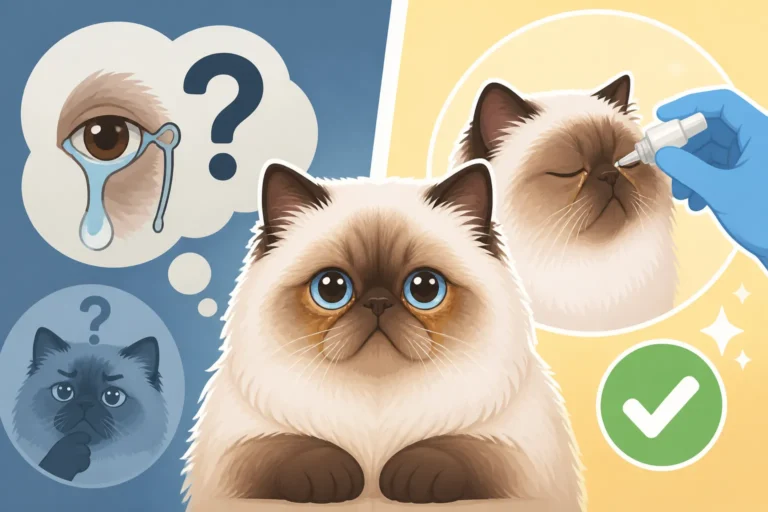
- Addressing Breed-Specific Concerns: Your vet is your best resource for discussing specific Himalayan health concerns, from managing their unique breathing challenges to preventing tear staining around their blue eyes. These check-ups also provide an opportunity to discuss whether a Himalayan is scanned before it is bred, ensuring healthy lines.
These regular visits are an investment in your cat's long-term health. They allow your vet to catch subtle changes and offer preventative advice, ensuring your Himalayan remains in optimal condition. Having pet insurance like Healthy Paws can help cover the costs of these essential annual check-ups, diagnostics, and any treatments that may arise, reducing financial stress and ensuring your furry friend gets the best care possible.
Environmental Enrichment and Comfort
A healthy, happy Himalayan also benefits from an environment tailored to their needs, especially as they age or if they have any lingering mobility issues.
- Temperature Control: Himalayans, with their thick coats and brachycephalic airways, are prone to overheating. Ensure your home is kept at a comfortable, cool temperature, especially during warmer months. Provide access to cool, tiled floors or cooling mats.
- Accessible Resources: Make sure their food, water, and litter boxes are easily accessible. For an older or less mobile cat, consider low-sided litter boxes so they don't have to climb over a high lip. Place multiple water bowls around the house to encourage hydration.
- Comfortable Resting Spots: Provide soft, supportive beds in quiet, draft-free areas. If they enjoy elevated perches, offer ramps or steps to help them get up and down safely, reducing strain on their joints.
- Mental Stimulation: Even if they're not highly active, Himalayans benefit from mental enrichment. Interactive toys, puzzle feeders, and even just consistent, gentle interaction with you can keep their minds engaged and prevent boredom, which can sometimes lead to lethargy.
By creating a supportive and comfortable environment, you're helping your Himalayan thrive, physically and emotionally. It's all part of the holistic care that ensures your beautiful, fluffy companion lives a long, healthy, and dignified life.
Disclaimer
This article is intended for informational purposes only and does not constitute veterinary advice. Always consult with a qualified veterinarian for any health concerns or before making any changes to your pet's diet, exercise, or medical care.