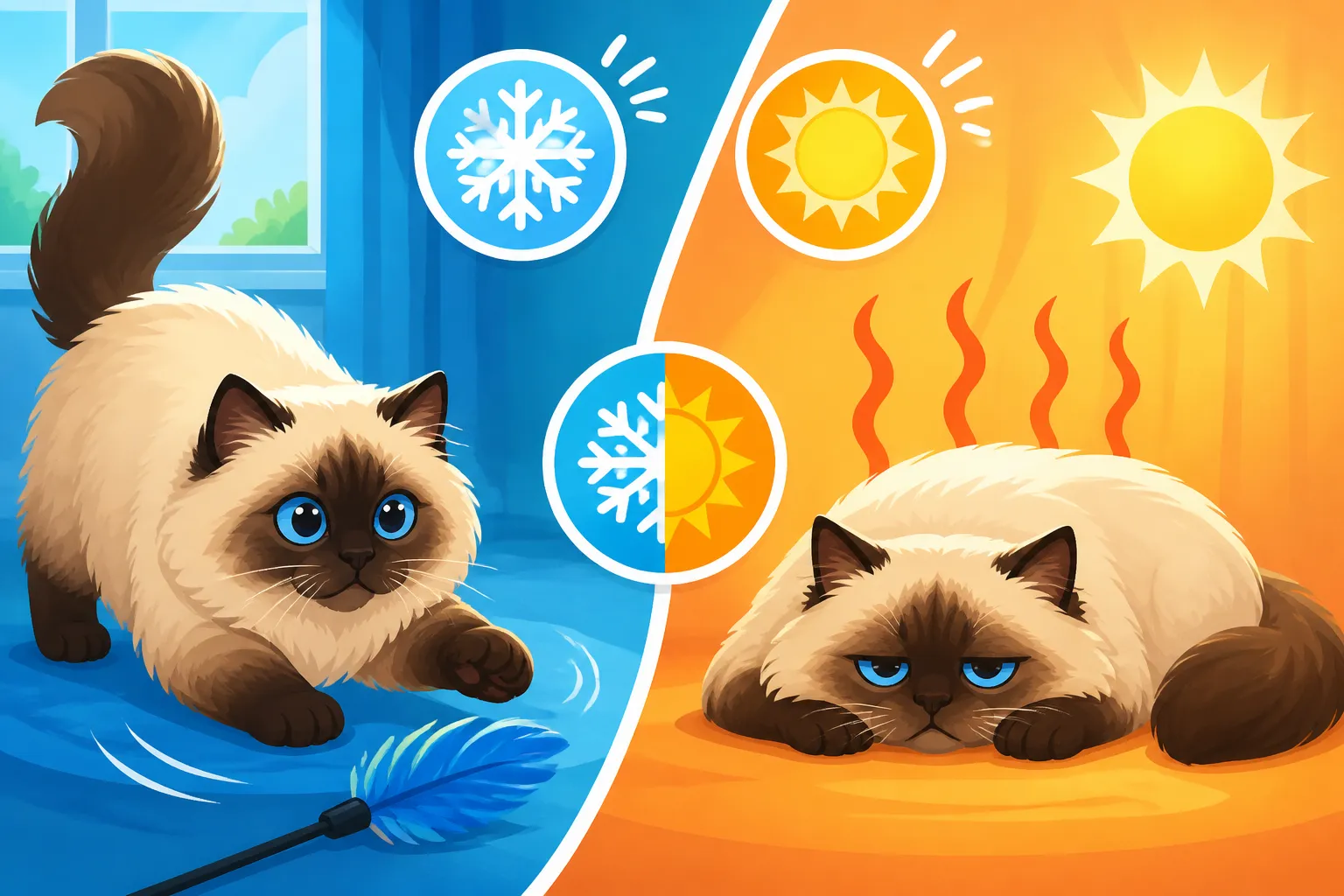
Why a Himalayan Stops Playing When It Gets Warm
It’s a scenario many Himalayan cat owners know all too well: your beautiful, fluffy companion is happily swatting at a toy one minute, full of that surprising Siamese-inherited energy, and the next, they've suddenly plopped down, looking utterly done with playtime. This abrupt halt, especially when the weather is warm, isn't just a sign of a lazy cat; it's a critical physiological response. This guide will delve into exactly why your Himalayan stops playing when they get warm, and more importantly, how you can help them stay comfortable and healthy.
Understanding the Himalayan's Unique Physiology
To truly understand why your Himalayan stops playing when it gets warm, we need to talk about what makes them, well, them. Their beautiful appearance, a stunning blend of Persian majesty and Siamese point coloration, comes with a specific set of physical traits that greatly influence their heat tolerance and, consequently, their play habits.
The Persian Coat's Insulating Power
Let's start with that glorious, flowing coat. Himalayans inherited the dense, long fur of their Persian ancestors. This isn't just a single layer; it's a luxuriant double coat consisting of a soft, thick undercoat and longer, coarser guard hairs. While utterly magnificent to behold and incredibly effective at keeping them toasty warm in colder climates (which is what it was originally designed for!), this luxurious fur becomes a significant liability when temperatures rise. Imagine wearing a heavy wool coat in summer – that's essentially what your Himalayan is experiencing.
This dense insulation traps heat close to their body, preventing efficient heat dissipation. Unlike many shorter-haired breeds that can regulate their temperature more easily, a Himalayan's coat acts like a thermal blanket. Even in a moderately warm room, this coat can quickly lead to their core body temperature rising. It means they're constantly working harder to stay cool, a battle that intensifies with any physical exertion, like playing. What might feel like a comfortable temperature to you can feel stifling to your deeply coated friend, causing them to cease activities that generate even more internal heat.
The Brachycephalic (Flat) Face Challenge
Beyond the coat, the Himalayan’s distinctive brachycephalic, or flat, face presents another major challenge for cooling. This characteristic, highly prized in show lines, means they have shortened nasal passages and often a somewhat constricted airway. While it gives them that adorable "Peke-face" or "Doll-face" look, it severely compromises their ability to breathe efficiently, especially when they need to take in more oxygen or expel heat rapidly.
Cats primarily cool themselves by panting, a process that relies on efficient airflow through the respiratory system. For a Himalayan, those shortened airways mean that panting is far less effective than it is for a cat with a longer muzzle, like a Siamese or a domestic shorthair. They simply can't move enough air over the moist surfaces of their mouths and lungs to cool down quickly. This is why you might notice your Himalayan snores more than other cats, and it's also why intense play can quickly lead to labored breathing. Why a Himalayan Snores Louder Than Its Siamese Ancestors Their body struggles to meet the increased oxygen demand and cool itself simultaneously, making them prone to overheating much faster than other breeds.
The Siamese Influence on Energy Levels
It's a delightful paradox, isn't it? Himalayans carry the active, vocal, and playful genes of their Siamese lineage, which often means they want to play and engage more than a purebred Persian might. What the Siamese Side Gave a Himalayan Besides Points You'll see bursts of energy, sudden dashes, and a genuine interest in interactive toys. This playful spirit, however, frequently clashes with the physical limitations imposed by their Persian heritage. They have the drive for activity but lack the physiological tools to sustain it when warmth becomes an issue.
This internal conflict is what often leads to the sudden cessation of play. Their little Siamese-inherited brains say "go, go, go!", but their Persian-derived bodies are quickly saying "stop, cool down, now!". It’s not laziness; it’s a necessary survival mechanism kicking in. They learn very quickly that pushing themselves when warm results in discomfort, and so they instinctually halt their activities. Understanding this inherent push and pull between their genetic predispositions helps us be more empathetic and proactive in managing their playtime.
How Overheating Affects Play Behavior
When your Himalayan starts to feel the heat, their behavior during playtime undergoes a noticeable shift. It's not just a gradual slowing down; there are distinct stages, and recognizing them is crucial for their well-being. Ignoring these signs can lead to serious health consequences, as Himalayans are particularly susceptible to heatstroke.
The Early Signs of Discomfort
The first indications that your Himalayan is getting too warm during play are often subtle. They might not stop entirely at first, but their enthusiasm will noticeably wane. You might see them take longer pauses between swatting at a wand toy or chasing a laser pointer. They might lie down more frequently, perhaps even stretching out on a cool tile floor or seeking out a patch of shade. Their breathing might become slightly more rapid, though not yet distressed, and their movements will be less fluid, more deliberate.
They might also start to groom themselves more frequently during these breaks, not out of meticulousness, but as a rudimentary attempt to cool down by applying saliva to their fur. You might notice their interest in the game just seems to 'fizzle' out, even if you're still trying to entice them. These are critical signals that their body is beginning to struggle with temperature regulation, and it’s your cue to end the play session and help them cool down before things escalate. Think of it as their gentle, quiet plea for a break.
The Point of No Return
If the early signs are missed or ignored, a Himalayan can quickly reach what we call the "point of no return," where play stops abruptly, and their discomfort becomes evident and potentially dangerous. At this stage, you'll observe much more pronounced symptoms. Their breathing will become heavy and shallow, sometimes accompanied by open-mouth panting, which is a significant warning sign in cats. Unlike dogs, cats rarely pant unless they are severely stressed, in pain, or overheating. When a Himalayan's Open Mouth Breathing Needs a Vet You might also see drooling, as their body tries desperately to evaporate moisture and cool down.
Their gums might appear brighter red than usual, or even pale, as their circulatory system works overtime. They might seem disoriented or lethargic, struggling to respond to your voice or even move. This is no longer just a desire to stop playing; it's a physiological emergency where their body is on the verge of heatstroke. At this stage, immediate intervention is required, and playtime should be completely ceased. Prolonged overheating can lead to organ damage, particularly to the kidneys, and can even be fatal.
Impact on Overall Well-being
Beyond the immediate cessation of play, frequent or prolonged overheating has a cumulative, detrimental impact on a Himalayan's overall health and well-being. Their bodies, already working harder due to their unique features, are placed under immense stress. The cardiovascular system is strained as the heart pumps faster to try and circulate blood to the surface for cooling. This can exacerbate any pre-existing heart conditions or contribute to their development. Whether HCM Reaches the Himalayan From Either Side
Overheating can also lead to dehydration, which places additional stress on the kidneys, an organ already a concern for some Himalayans due to the breed's inherited risk of Polycystic Kidney Disease (PKD). PKD1 Came Down the Persian Side of a Himalayan Furthermore, the discomfort and stress associated with overheating can make them anxious or irritable, affecting their general demeanor and their bond with you. A cat that associates playtime with feeling unwell might become hesitant to engage in play at all, even when temperatures are optimal. Consistent management of their environment and understanding their limits isn't just about fun; it's about ensuring a long, healthy, and happy life for your beloved companion.
Creating a Play-Friendly Environment for a Himalayan
Since we know that a Himalayan’s unique physiology makes them prone to overheating, the key to encouraging play and keeping them happy is to proactively create an environment that minimizes heat stress. It's all about making smart choices about when and where they exert themselves.
Optimizing Playtime
The first step in making playtime enjoyable and safe for your Himalayan is to choose the right moments. Forget those midday bursts of energy for outdoor cats; your Himalayan needs a schedule tailored to their heat sensitivity. The ideal times for engaging play are usually early in the morning, right after the sun has risen and before the day's heat fully sets in, or later in the evening, once the sun has dipped and temperatures have begun to fall. These cooler periods mean their body isn't fighting against the ambient heat as much, allowing them to enjoy their natural playful instincts without quickly overheating.
Even during these optimal times, it's crucial to keep play sessions short and sweet. Instead of one long, intense chase, opt for several shorter bursts of activity throughout the day. A good rule of thumb is 5-10 minutes of active play, followed by a cool-down period. This allows their body to regulate its temperature more effectively, preventing them from reaching that "point of no return." Always be observant for those early signs of discomfort, and be prepared to end the session immediately if you notice them getting warm. Remember, it's better to under-play than to push them to the brink.
Cooling Measures During Play
Beyond timing, you can actively incorporate cooling measures into their play area. If you live in a multi-story home, the basement or a lower floor is often naturally cooler and makes an excellent play zone. Fans can be a Himalayan's best friend during playtime. Position a floor fan nearby to create a gentle breeze that helps circulate air and aids in evaporative cooling as they move. Just ensure it's not blowing directly into their face for an extended period, which could cause eye dryness.
Another simple trick is to have cooling mats or even just damp (not soaking wet) towels available in their play area. You can find excellent pet cooling mats on Amazon that don't require refrigeration and activate with pressure, providing a lovely cool surface for them to rest on. A few ice cubes in their water bowl or even offering a shallow dish of ice water can also make a big difference. The goal is to make it easy for them to cool down quickly whenever they need a break, allowing them to enjoy their playful moments without prolonged discomfort.
Selecting Appropriate Toys
The types of toys you choose can also significantly impact how quickly your Himalayan warms up. High-intensity chasing games, while sometimes fun, should be kept very short. Instead, lean towards toys that encourage batting, pouncing from a stationary position, or mental engagement rather than sustained running. Which Wand Toys a Himalayan Can Actually Follow Wand toys are fantastic because you control the pace and intensity. You can dangle and wiggle the toy, allowing them to swat and stalk without having to chase it vigorously across the room. This mimics hunting behavior without the strenuous cardiovascular workout.
Puzzle feeders, especially those designed for flat-faced cats that don't require deep diving with their faces, can provide mental stimulation without much physical exertion. Soft balls they can bat around while lying down, or crinkle toys they can "kill" with their paws, are also great choices. Avoid anything that encourages them to run relentlessly or jump excessively, especially if they haven't had adequate time to cool down. The goal is engagement and fun, not an Olympic workout, to ensure their comfort and prevent overheating.
Immediate Actions When Your Himalayan Overheats
Despite our best efforts, sometimes a Himalayan can still get too warm, especially if there's a sudden spike in ambient temperature or an unexpected burst of activity. Knowing how to react quickly and effectively can literally save their life. This isn't just about stopping play; it's about emergency first aid. Why a Himalayan Overheats Twice as Fast as a Siamese
Recognizing an Overheating Emergency
An overheating emergency goes beyond just stopping play; it presents with severe, unmistakable symptoms that demand immediate attention. You're looking for extreme lethargy, even to the point of unresponsiveness or collapse. Their breathing will be rapid, shallow, and often labored, possibly accompanied by gasping or open-mouthed panting that sounds distressed. Their gums might appear very red, almost brick-like, indicating severe blood vessel dilation, or conversely, very pale if they are going into shock. Drooling is common, and they might have a glazed look in their eyes.
If you can safely check their body temperature (rectally, with a pet thermometer), anything above 104°F (40°C) is a serious concern. They might also appear disoriented, wobbly, or even have seizures in extreme cases. These are not signs to wait and watch; these are immediate emergency signals. Your cat is in distress, and their body systems are starting to shut down under the heat load.
First Aid Steps
If you suspect your Himalayan is overheating, you need to act fast. First and foremost, move them to the coolest possible area immediately. This could be a tiled bathroom floor, a shaded spot, or a room with air conditioning. Do not attempt to cool them too quickly or drastically, as this can cause its own set of problems, like shock. Do NOT submerge them in icy water. Instead, gently apply cool (not cold) water to their paw pads, inner thighs, and armpits using a damp cloth or sponge. These areas have major blood vessels close to the surface, making them effective cooling points.
You can also gently wipe down their ears and the top of their head. A fan directed at them will help accelerate evaporative cooling, especially after applying water. Offer them fresh, cool water to drink, but don't force it. If they are disoriented, they might aspirate the water. Continue these cooling efforts until you see their breathing calm down and their demeanor improve, but be ready for the next crucial step. How to Cool a Long Coated Himalayan in Summer
When to Seek Veterinary Care
Even if your Himalayan seems to recover after initial first aid, it is absolutely critical to contact your veterinarian or an emergency animal hospital without delay. Overheating, especially to the point of displaying severe symptoms, can cause internal organ damage that isn't immediately visible. The kidneys, liver, and brain are all susceptible to injury from high body temperatures. Your vet will need to assess them for heatstroke, dehydration, and any potential internal damage. They might run blood tests to check organ function and monitor their recovery.
Be prepared to describe the symptoms you observed, how long they lasted, and the first aid steps you took. The vet might administer intravenous fluids to rehydrate them and support organ function. Early veterinary intervention drastically improves the prognosis for cats suffering from heatstroke. Never assume that just because they're looking a little better, they're out of the woods. A prompt vet visit is the responsible and necessary course of action to ensure your beloved Himalayan makes a full and safe recovery.
Long-Term Management for a Heat-Sensitive Himalayan
Understanding the immediate risks is one thing, but living with a heat-sensitive Himalayan means adopting a proactive, long-term approach to their care. It’s about more than just managing play; it’s about their daily routines, grooming, nutrition, and environmental control.
Grooming for Temperature Regulation
That magnificent Persian coat is a double-edged sword, remember? While it's beautiful, it's also a serious heat trap if not meticulously maintained. Regular, even daily, grooming is non-negotiable for a Himalayan. Mats and tangles not only look unsightly but also become incredibly efficient insulators, trapping even more heat close to the cat's body. They prevent air circulation and make it almost impossible for your cat's skin to breathe or shed excess heat.
Invest in a good quality steel comb and make grooming a consistent part of your daily routine. Focus on areas prone to matting like behind the ears, armpits, and the "britches" around their hind legs. If matting becomes severe, do not try to cut them out yourself, as you risk injuring their delicate skin. A professional groomer can safely address severe mats, sometimes even recommending a "lion cut" during warmer months. Why a Matted Himalayan Becomes a Medical Case This shorter cut can provide immense relief and improve their ability to self-regulate temperature. Just be aware that shaved fur can grow back darker due to temperature changes, but comfort should always take precedence over aesthetics.
Hydration Strategies
Staying well-hydrated is paramount for a Himalayan, especially one prone to overheating. Water helps regulate body temperature, aids in all bodily functions, and is critical for kidney health. Always ensure your Himalayan has access to multiple sources of fresh, cool water throughout your home. Wide, shallow bowls are often preferred by flat-faced cats as they can drink without bending their whiskers or getting their faces too wet.
Consider investing in a pet water fountain. Many cats are enticed by moving water, and it encourages them to drink more. You can find many reliable and well-rated options on Amazon. Frequently changing the water and adding a few ice cubes on warmer days can also make it more appealing. Another excellent hydration strategy is to feed a diet rich in wet food. Wet food contains a high percentage of moisture, significantly increasing their daily fluid intake, which is especially beneficial for breeds like Himalayans who might not drink as much as they should, or who carry the kidney gene. How Much Water a Himalayan Should Get Through
Monitoring Indoor Temperatures
Your home environment is the primary way you can manage your Himalayan's heat exposure. They are truly indoor cats and should never be left outside unattended, especially in warm weather. Why a Himalayan Must Never Be an Outdoor Cat Maintaining a consistently cool indoor temperature, particularly during summer months or heat waves, is vital. Aim for a comfortable room temperature that you also find pleasant, typically between 68-75°F (20-24°C).
Use air conditioning or fans strategically to keep the air circulating and cool. If you don't have AC, consider closing blinds and curtains during the hottest parts of the day to block out direct sunlight, which can quickly warm a room. Provide access to cool surfaces like tiled floors or marble slabs. A Himalayan will naturally seek out the coolest spots in your home. The Temperature a Himalayan Starts to Struggle At Being mindful of their comfort level throughout the day, and adjusting your home environment accordingly, will go a long way in preventing overheating and ensuring your Himalayan remains playful and content.
Table: Himalayan Play Behavior & Heat Signs
It's helpful to visualize the progression of a Himalayan's response to warmth during play. Use this table as a quick reference guide to identify how your cat is feeling.
| Condition | Play Duration | Intensity | Breathing | Posture / Location | Other Key Signs |
|---|---|---|---|---|---|
| Optimal Play Conditions | 10-15 minutes | High, bursts | Normal, relaxed | Engaged, active, follows toys | Alert, responsive, happy purrs |
| Mild Warmth / Early Fatigue | 5-10 minutes | Moderate, fading | Slightly faster, still quiet | Pauses, lies down more, seeks cooler spot | Reduced enthusiasm, less chasing, frequent breaks |
| Overheating (Warning Signs) | Stops abruptly | Low / None | Faster, shallow, occasional open-mouth panting | Stretched out on cool surface, lethargic | Bright red gums, drooling, eyes may seem glazed |
| Overheating (Emergency) | None, collapses | None | Labored, gasping, distress sounds | Disoriented, wobbly, unresponsive | Very red or pale gums, vomiting, seizures, high body temp |
Disclaimer
This article is for general informational purposes only and does not constitute professional advice. Laws, prices and regulations vary by location and change over time. Consult a qualified professional for guidance on your specific situation.