What the Siamese Side Gave a Himalayan Besides Points
Bringing a Himalayan cat into your home is an exciting prospect, but many prospective owners fixate solely on their stunning long coats and captivating blue eyes. What often goes unconsidered, however, is the rich tapestry of personality and behavior woven into their very being by their Siamese ancestry, far beyond just their striking point coloration. This guide will delve deep into the less obvious, yet equally profound, traits the Siamese side bestowed upon the beloved Himalayan.
The Himalayan's Dual Heritage: More Than Just a Coat
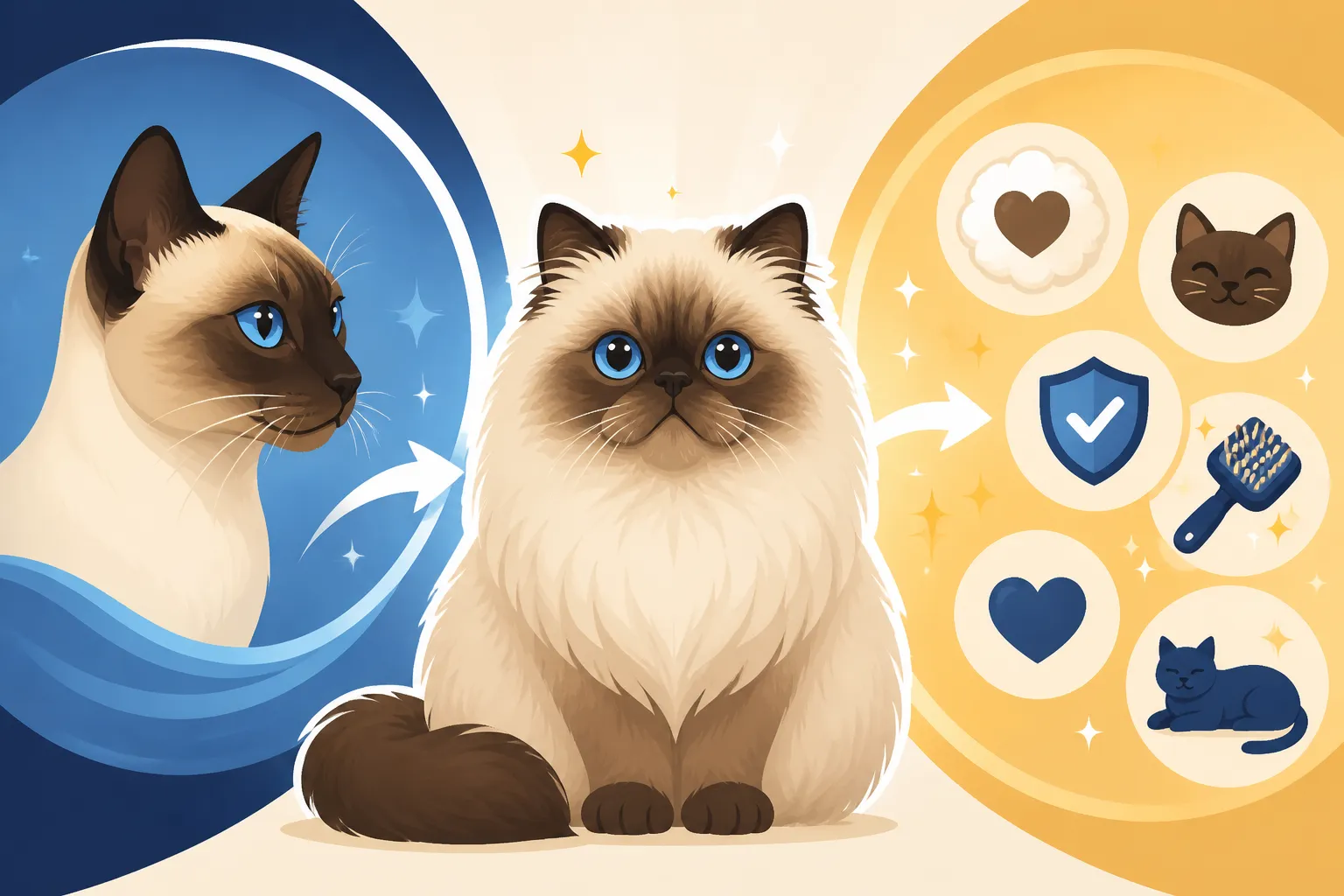
When you look at a Himalayan, it's easy to see the majestic Persian influence in that luxurious long coat, cobby body, and often, the flattened face. But beneath that plush exterior lies a vibrant spirit, a direct genetic echo of its Siamese forebears. The Himalayan isn't just a Persian with different coloring; it's a fascinating blend of two distinct breeds, and the Siamese contribution extends far beyond the gene that dictates its point coloration. This dual heritage means that Himalayans often possess a unique set of behavioral quirks and characteristics that surprise those expecting a pure Persian temperament. It's this beautiful, sometimes unpredictable, fusion that makes owning a Himalayan such a joy, and occasionally, an interesting challenge.
Understanding the Siamese Contribution Beyond Color
The point coloration — those darker areas on the face, ears, paws, and tail — is the most visually obvious gift from the Siamese. This temperature-sensitive albinism gene is truly striking. However, if you stop there, you're missing a huge part of what makes a Himalayan, well, a Himalayan! Imagine expecting a quiet, dignified Persian who mostly observes from a plush cushion, only to find a cat that follows you from room to room, engages you in conversation, and initiates games with a surprising zest. These are the less visible, but equally profound, contributions of the Siamese genetics. Owners who aren't prepared for these traits might find themselves a little bewildered, but once understood, they become part of the breed's charm. It's about appreciating the whole package, not just the frosting on top.
The Blending of Temperaments
The challenge and delight of the Himalayan often stem from the blending of the Persian's calm, affectionate nature with the Siamese's lively, communicative, and intelligent personality. You get a cat that loves to lounge on your lap for hours, basking in your attention, yet also has moments of surprising energy where they'll bat at a toy or chase a sunbeam with gusto. This isn't a simple 50/50 split; rather, it's a unique interplay where some traits are more dominant than others, varying from individual to individual. Some Himalayans might lean more towards their Persian ancestry, being incredibly placid, while others might showcase a more pronounced Siamese drive for interaction and vocal expression. It's like a genetic lucky dip, and each cat offers its own delightful combination.
The Distinctive Himalayan Voice: A Quieter Echo of the Siamese
One of the first things people notice about a Siamese cat is their voice. They are legendary for their loud, insistent, and often dramatic vocalizations, frequently described as a "meezer chatter." While the Himalayan certainly inherited a propensity for communication from its Siamese side, it comes with a much more refined, and dare we say, polite volume control.
From Loud Yawls to Melodic Chirps
Unlike the full-throttle operatic performances a purebred Siamese might deliver, a Himalayan generally possesses a softer, more melodic vocal range. You'll likely hear a lot of contented purring, soft trills, and gentle chirps, especially when they're soliciting attention or expressing affection. They use their voice to communicate their needs and desires, whether it's asking for a meal, requesting a lap snuggle, or simply greeting you when you walk into the room. It’s a far cry from the piercing Siamese yowl that can sometimes be a bit much for unsuspecting owners. In fact, you might even notice that The Himalayan Kept the Siamese Voice and Lost the Volume. This softer approach to vocalization is a lovely compromise, giving owners the benefit of a communicative companion without the potential for ear-splitting demands.
Conversational Companions
Himalayans love to "talk" with their humans. They'll often respond to your voice with a little trill or a soft meow, engaging in what feels like a genuine conversation. This is a direct inheritance from their Siamese ancestors, who are known for their strong bond with humans and their desire to interact. If you've ever owned a Persian, you might be used to a more silent, dignified presence. With a Himalayan, prepare for a more engaged dialogue. They aren't just background noise; they're actively participating in the household's soundscape. This makes them wonderfully interactive pets, always ready to share their thoughts, however softly spoken they may be. It’s a joy to discover Why a Himalayan Talks More Than the Persian It Descends From, adding another layer of personality to these beautiful felines.
Expressing Needs and Desires
Their vocalizations aren't just for pleasantries; Himalayans will definitely let you know when they have needs. A series of soft, insistent meows might indicate an empty food bowl, a desire for playtime, or simply a plea for a warm lap. They are not shy about making their presence known, even if their methods are less boisterous than their Siamese cousins. Pay attention to the subtle nuances in their meows and chirps, and you'll quickly learn to decipher their desires. This communicative nature means you're rarely left guessing what your Himalayan wants, fostering a deeper connection and understanding between you and your furry friend. You'll quickly come to appreciate How Often a Himalayan Uses the Voice It Inherited to get your attention!
Playfulness and Activity Levels: Finding a Middle Ground
The contrast between the playful, energetic Siamese and the notoriously calm, often sedentary Persian couldn't be starker. The Himalayan, once again, carves out its own unique niche, landing somewhere comfortably in the middle. They possess a delightful blend of playful curiosity and serene contentment.
The Joy of Play
Himalayans enjoy playtime and can be surprisingly agile despite their cobby build and luxurious coats. They often have bursts of energy where they'll chase wand toys, bat at crinkle balls, or pounce on unsuspecting dust bunnies. This playful spark is undoubtedly a gift from their Siamese heritage. They might not have the sustained, high-octane energy of a purebred Siamese, but they certainly have a zest for interactive play that brings immense joy to their owners. It's truly fascinating to see How Much More Play a Himalayan Wants Than a Persian, adding a dynamic element to their personality. This playful nature means that providing engaging toys and dedicated play sessions is important for their mental and physical well-being.
Shorter Play Sessions, Deeper Relaxation
Due to their Persian-influenced flattened faces (brachycephaly) and dense coats, Himalayans are prone to overheating and can tire more quickly than their more athletic Siamese ancestors. This means their play sessions tend to be shorter and more intense, followed by long periods of luxurious napping. They know their limits and are masters of conserving energy. You might notice them panting softly after a vigorous game, a clear sign it's time for a cool-down. It's a balancing act: they crave engagement, but their physical attributes mean they can't sustain it for extended periods. This makes them ideal companions for those who enjoy interactive play but also appreciate a cat that’s happy to curl up for a long, quiet cuddle afterward. It's a perfect blend of lively and laid-back. This is why Why a Himalayan Plays Longer Than a Persian and Less Than a Siamese is such an accurate descriptor.
Interactive Toys and Mental Stimulation
While they may not be scaling curtains like a Siamese, Himalayans still benefit greatly from mental and physical enrichment. Puzzle feeders, interactive toys that encourage batting or pouncing, and regular wand-toy sessions can keep them engaged. Because they often enjoy being close to their humans, interactive play with you is usually their favorite kind. Providing these outlets helps prevent boredom and keeps their Siamese-inherited cleverness sharp. Even though they seem content lounging, a bored Himalayan can sometimes find creative ways to entertain themselves, often involving objects that shouldn't be played with! Consider a variety of textures and movements in their toys to keep their interest piqued.
The Social Butterfly: Affectionate and People-Oriented Traits
If there's one defining trait the Siamese passed down that truly endears Himalayans to their owners, it's their intensely social and people-oriented nature. While Persians are known for being affectionate, the Siamese elevate this to a new level of companionship, and Himalayans often inherit a significant portion of this devoted attachment.
The Ultimate Lap Cat and Shadow
Himalayans are often described as "velcro cats" — they love to be wherever you are. Whether you're working at your desk, watching TV, or even just moving from room to room, you'll often find your Himalayan trailing right behind you. They thrive on human companionship and genuinely want to be part of your daily activities. This isn't just a passive presence; they'll seek out physical contact, whether it's curling up on your lap, sleeping at your feet, or gently head-butting your hand for a stroke. This constant desire for proximity and affection is a hallmark of their Siamese ancestry. They're more than just pets; they're integral family members who love to stay close, fulfilling the description that The Himalayan Is a Lap Cat That Answers Back.
Building Strong Bonds
The Siamese influence means Himalayans often form incredibly strong, deep bonds with their chosen humans. They can be quite discerning, often picking one or two favorite people in the household to lavish with their full attention. This loyalty is heartwarming and creates a profound connection. They'll often greet you at the door, demand morning cuddles, and settle in beside you for the evening. This isn't to say they don't love everyone in the family, but they tend to have a primary attachment figure they follow most consistently. It's a beautiful expression of trust and affection that makes them truly special companions. You might find yourself always stepping over your fluffy companion, confirming that Why a Himalayan Follows One Person Around the House is a real phenomenon.
Compatibility with Families and Other Pets
Their social nature makes Himalayans generally well-suited for families, though perhaps those with older, gentler children who understand how to interact respectfully with a cat. Their calm demeanor, combined with their desire for interaction, means they usually tolerate a certain level of household bustle, as long as they have a quiet retreat when needed. When it comes to other pets, their social and relatively low-key nature often allows them to coexist peacefully with other cat-friendly animals. They usually aren't the aggressors and prefer a harmonious environment. When considering their interactions, it’s worth noting that Why a Himalayan Suits a Family With Older Children often comes down to their temperament. Just like with any pet, early socialization helps immensely. Many pet insurance providers, like Healthy Paws, recognize the importance of regular vet check-ups for well-socialized pets, which can help catch any stress-related issues early.
Intelligence, Curiosity, and Problem-Solving Aptitude
While the Persian is often lauded for its calm and docile nature, the Siamese lineage injects a notable dose of intelligence and curiosity into the Himalayan. These cats are not just beautiful; they possess keen minds that enjoy stimulation and interaction.
A Mind That Seeks Engagement
The Siamese are famed for their intelligence and often described as having dog-like qualities, including the ability to learn tricks and even walk on a leash. While a Himalayan might not always display the same high-octane curiosity as a pure Siamese, they certainly inherit a significant portion of this mental acuity. They are observant, quick learners, and can often figure out how to open cabinets or retrieve favorite toys from tricky spots. This intelligence means they thrive on interaction and mental enrichment, beyond just physical play. Expect a cat that pays attention to what you're doing and sometimes tries to "help" or investigate. They might not scale your bookshelves, but they'll certainly be watching you from their chosen perch, taking everything in.
Trainability and Responsiveness
Compared to many cat breeds, Himalayans can be surprisingly responsive to training, especially when positive reinforcement (read: treats!) is involved. You might be able to teach them simple commands like "come" or even fetch, mirroring some of the talents of their Siamese ancestors. Their desire to interact with their humans makes them eager participants in these kinds of activities. This isn't to say they'll perform like a Border Collie, but they are often more amenable to learning than the average feline. This trainability stems directly from the Siamese side, which contributes a more direct and engaging nature to the Himalayan’s personality. This aspect often delights owners who enjoy teaching their pets new things.
Satisfying Their Curious Nature
A Himalayan’s curiosity, though perhaps more understated than a Siamese's, is still a vital part of their personality. They enjoy exploring their immediate environment, sniffing out new smells, and investigating interesting objects. Providing safe, stimulating spaces, like cat trees with low platforms or access to secure window perches, can help satisfy this inherent drive. Remember, while they might not jump to great heights, they still appreciate a good vantage point to observe their kingdom. Toys that challenge their minds, such as puzzle feeders that dispense treats, are also excellent for keeping them engaged and preventing boredom. Regular health checks, sometimes covered by providers like Healthy Paws, can also ensure that their mental and physical health is top-notch, allowing them to fully engage with their environment.
Navigating the World: Sensory Strengths and Challenges
The Himalayan's sensory experience of the world is a fascinating blend of its two parent breeds. While their blue eyes are a direct Siamese inheritance, their overall physical structure, particularly the skull, is profoundly Persian. This creates both unique strengths and specific challenges in how they perceive and interact with their surroundings.
The Iconic Blue Eyes: A Siamese Hallmark
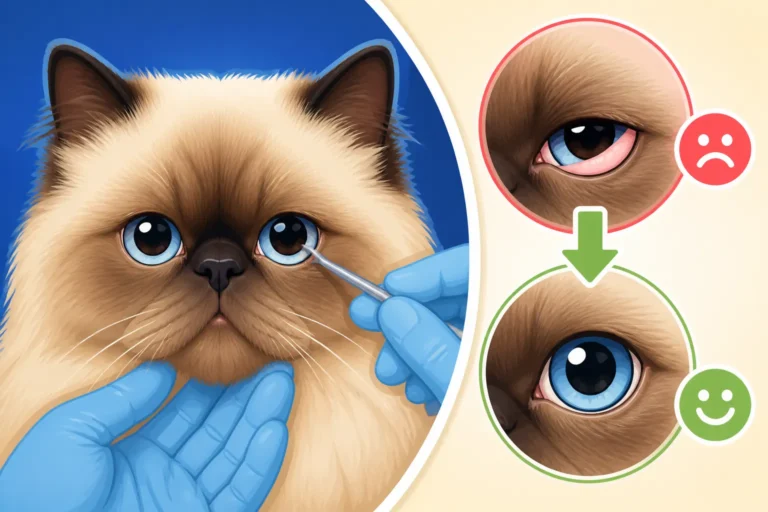
All Himalayans possess beautiful, deep blue eyes, a definitive trait passed down from their Siamese ancestors. This gene not only dictates the point coloration but also ensures those stunning azure gazes. While they share this eye color, it's important to remember that the structure of the Himalayan's face, with its potential for extreme flattening, can sometimes lead to eye-related issues that are more Persian in origin, such as excessive tearing or entropion. However, the vivid blue itself is pure Siamese. These eyes are not just for show; they are central to how the Himalayan perceives its world, making regular eye health checks crucial for these cats.
Acute Hearing and Observation
While their vision is generally good, Himalayans often rely heavily on their acute hearing, another trait that carries some Siamese influence, though both breeds generally have excellent hearing. They are highly observant, taking in their surroundings with a quiet intensity. You might notice them twitching their ears, following sounds that you can’t even detect. This keen sense of hearing, combined with their natural curiosity, means they are often very aware of everything happening in their environment, even when they appear to be dozing peacefully. This acute observation adds to their intelligent demeanor, as they rarely miss a beat in the household.
Physical Limitations and Adaptations
Despite the Siamese being known for its sleek agility and ability to jump, the Himalayan’s cobby Persian body type largely overrides this. They are not known for their aerial acrobatics. Instead, they are more grounded, preferring to explore at floor level or on low-lying furniture. This is not a limitation in their enjoyment of life, but rather an adaptation. They might use stairs or gentle ramps to access higher spots, or simply find comfort in a sunny patch on the floor. Owners need to understand that The Height a Himalayan Decides Is Not Worth It is usually quite low. Their unique blend of traits means they often compensate for physical limitations with their intelligence and social skills, finding comfort and joy in their immediate, accessible environment.
Temperament and Adaptability: Handling Change and Routine
The Siamese side of the Himalayan's lineage contributes significantly to their temperament, particularly regarding their social needs and how they cope with changes in their environment. While Persians are often creatures of habit, the Siamese can be quite sensitive to shifts, and Himalayans tend to inherit some of this nuanced emotional landscape.
A Love for Predictability
Like many cats, Himalayans thrive on routine. Their Siamese side makes them quite attuned to their human's schedule and the daily rhythms of the home. This means they often appreciate predictable meal times, consistent play sessions, and a stable environment. Major disruptions, such as moving to a new home or significant changes in household dynamics, can be unsettling for them. They might express their displeasure through subtle behavioral changes, like temporary withdrawal or increased vocalization. However, with patience and comfort from their beloved humans, they usually adapt. It’s important to remember that consistency helps them feel secure and loved, especially given their deep attachment to their people.
The Need for Companionship and Assurance
Their strong social bonds, a clear Siamese inheritance, mean that Himalayans genuinely value companionship. Being left alone for very long periods can sometimes lead to anxiety or loneliness, though they are generally less demanding than a pure Siamese in this regard. They flourish in homes where there is regular human interaction. If you have a busy lifestyle, ensuring they have stimulating toys, comfortable resting spots, and consistent attention when you are home can help mitigate any feelings of isolation. For extended absences, a trusted pet sitter who understands their routine and affectionate nature is invaluable. This is an area where a strong bond with their human is truly paramount.
Adapting to New Situations
While they prefer routine, Himalayans are not necessarily rigid. With proper introduction and reassurance, they can adapt to new people, other pets, and even new environments. Their curious nature, inherited from the Siamese, can often turn what might be a stressful situation into an interesting exploration, as long as they feel secure. The key is gradual exposure and positive association. For instance, introducing a new pet slowly, allowing them to acclimate at their own pace, is crucial. Their generally calm and observant nature allows them to assess new situations before fully engaging. This makes them relatively resilient, provided they feel safe and loved.
Beyond the Aesthetics: Hidden Health Blessings and Burdens
When we talk about Himalayan health, the conversation often centers on issues stemming from their Persian heritage: Polycystic Kidney Disease (PKD), Progressive Retinal Atrophy (PRA), and brachycephalic airway syndrome. However, the Siamese side, while primarily contributing the point gene, also plays a role in the overall genetic makeup of the breed. It's less about introducing new health burdens and more about the interplay of two distinct genetic lines.
General Robustness and Genetic Diversity
The Siamese is generally considered a robust and healthy breed. Its contribution to the Himalayan's gene pool, therefore, brought a degree of genetic diversity that, in some ways, might have buffered against some of the more inbred issues seen in certain purebred Persian lines. While specific Siamese-linked diseases are not typically highlighted in Himalayans as major concerns (unlike the very dominant Persian-linked ones), the general vigor of the Siamese lineage contributes to the overall hardiness of the Himalayan. It's not a direct "cure" for Persian issues, but rather a wider genetic base that can influence overall health and longevity. It's part of the reason why Every Himalayan Inherits Two Disease Lists, Not One, reflecting the complex genetic blend.
Shared Genetic Susceptibilities: HCM
One significant health condition that can affect both the Siamese and Persian breeds, and therefore the Himalayan, is Hypertrophic Cardiomyopathy (HCM). This is a common form of heart disease in cats where the heart muscle thickens, making it harder to pump blood. While the primary concerns in Himalayans often lean towards Persian-derived issues, it's important for breeders and owners to be aware of the potential for HCM from either side of their lineage. Responsible breeders will screen for HCM in their breeding cats, regardless of the breed's primary origin. This highlights that a "clean bill of health" requires a comprehensive look at both ancestral lines. Regular cardiac screenings are a proactive step, and pet insurance options from companies like Healthy Paws can often provide coverage for such conditions, giving owners peace of mind.
The Importance of Comprehensive Health Screening
For prospective Himalayan owners, understanding the full spectrum of potential health issues, stemming from both Siamese and Persian ancestry, is paramount. This means inquiring about genetic testing for PKD and PRA from the Persian side, and being aware of the general breed predispositions. While the Siamese didn't bring many new specific disease burdens that overshadow the Persian ones, its presence in the genetic tapestry means that a holistic approach to health is essential. This ensures that you're prepared for any challenges and can provide the best possible care for your beloved companion throughout their life, which is often around The Nine to Fifteen Years a Himalayan Usually Gets.
The Sum of Its Parts: A Unique and Beloved Companion
The Himalayan cat is truly a testament to the fascinating world of feline genetics and breeding. While their stunning appearance often leads people to focus on their Persian traits and the Siamese-derived point coloration, it’s the less obvious, yet equally significant, gifts from their Siamese ancestors that shape their remarkable personalities. From their communicative chirps to their playful bursts of energy, and their deep-seated desire for human companionship, the Siamese influence makes the Himalayan a unique and deeply rewarding pet.
A Well-Rounded Feline Friend
The careful blend of Persian calm and Siamese vivacity results in a cat that is adaptable, affectionate, and engaging. They offer the best of both worlds: the luxurious beauty of a longhaired cat combined with the interactive intelligence and loyalty of a more vocal breed. They are not merely ornamental; they are active, loving participants in family life, bringing warmth, charm, and a gentle presence to any home lucky enough to have them. This balance is what makes them so cherished by their owners.
Appreciating the Full Spectrum of Traits
For anyone considering a Himalayan, it’s crucial to look beyond the mesmerizing blue eyes and fluffy coat. Delve into their potential for conversation, their love for play, and their unwavering devotion. Understand that their Siamese side will make them a more present and interactive companion than you might expect from a purely Persian cat. This appreciation for the full spectrum of their heritage will allow you to embrace all facets of their personality, leading to a deeper, more fulfilling relationship with your beautiful, dual-heritage feline friend. When selecting your companion, always ask breeders about both sides of the family tree and how those traits are expected to manifest.
The Lasting Legacy
The Himalayan cat stands as a living bridge between two iconic breeds, carrying forward the distinct charms of both. The Siamese side, in particular, endowed them with a vocal expressiveness, a playful spirit, and a deep affection that enriches the lives of their human companions immeasurably. These aren't just cats; they're charismatic individuals, each with their own unique blend of inherited traits, ready to purr their way into your heart and home.
| Trait Category | Predominant Siamese Influence | Predominant Persian Influence | Himalayan Manifestation |
|---|---|---|---|
| Vocalization | Loud, insistent, "meezer chatter" | Generally quiet, soft purrs | Softer trills, chirps, conversational meows (milder than Siamese) |
| Activity Level | High energy, agile, playful | Low energy, sedentary, calm | Moderate playfulness, short bursts of energy, enjoys lounging |
| Social Nature | Highly social, "velcro cat," devoted to humans | Affectionate, independent, dignified | Very social, bonds deeply, enjoys lap time and following owners |
| Intelligence/Curiosity | Very intelligent, problem-solvers, trainable | Calm, observant, less outwardly curious | Intelligent, observant, enjoys mental stimulation, can be mischievous |
| Body Type | Svelte, lithe, athletic | Cobby, heavy-boned, short legs | Cobby, heavy-boned, short legs (primarily Persian structure) |
| Eye Color | Striking blue eyes | Various (gold, copper, green) | Always blue (direct Siamese inheritance) |
| Coat Type | Short, sleek | Long, dense, luxurious | Long, dense, luxurious (primarily Persian coat) |
| Adaptability | Can be sensitive to change, prefers routine | Prefers routine, generally calm in new situations | Prefers routine, adapts with reassurance, observant of changes |
Disclaimer
Please remember that while this guide provides extensive information, it is not a substitute for professional veterinary advice. Always consult with a qualified veterinarian for any health concerns or before making decisions about your pet's care. Breed-specific information offers general insights, but each cat is an individual with unique needs.