How to Cool a Long Coated Himalayan in Summer
The scorching summer months can turn from delightful to dangerous in a heartbeat, especially for our beloved Himalayan cats whose magnificent, dense coats, combined with their unique facial structure, make them particularly vulnerable to overheating. It's a common worry for many of us, watching our furry friends panting or seeking out the coolest tile in the house. This comprehensive guide is here to walk you through exactly how to keep your long-coated Himalayan cool and comfortable when the temperatures climb, helping you safeguard their well-being throughout the warmer seasons.
Why Himalayans Are Especially Sensitive to Heat
You know that feeling when you're bundled up in a heavy winter coat, and the sun unexpectedly peeks out, making you sweat? Imagine that all the time, compounded by a face that makes breathing a bit tougher. That's essentially what our Himalayans experience in the heat. Their ancestry and physical traits, while contributing to their undeniable charm, also present some significant challenges when it comes to regulating their body temperature.
The Double Whammy of a Dense Coat and Brachycephalic Face
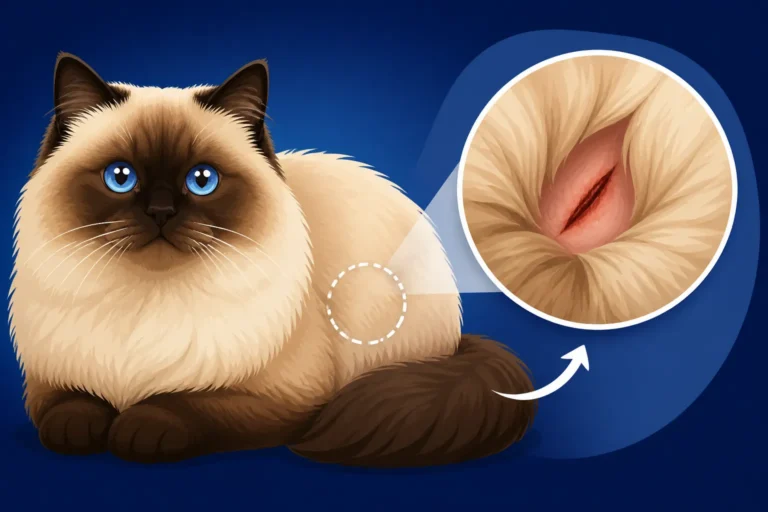
First, let's talk about that incredible coat. Himalayans inherited their luxurious, long, and incredibly dense fur from their Persian lineage. This isn't just a single layer; it's a double coat with a soft, woolly undercoat and a longer, coarser guard hair layer. While this is fantastic for keeping them warm in cold climates, it acts like a thick blanket, trapping heat close to their body when the mercury rises. Unlike some other breeds that shed more dramatically, the sheer volume of a Himalayan's coat means it struggles to dissipate heat efficiently.
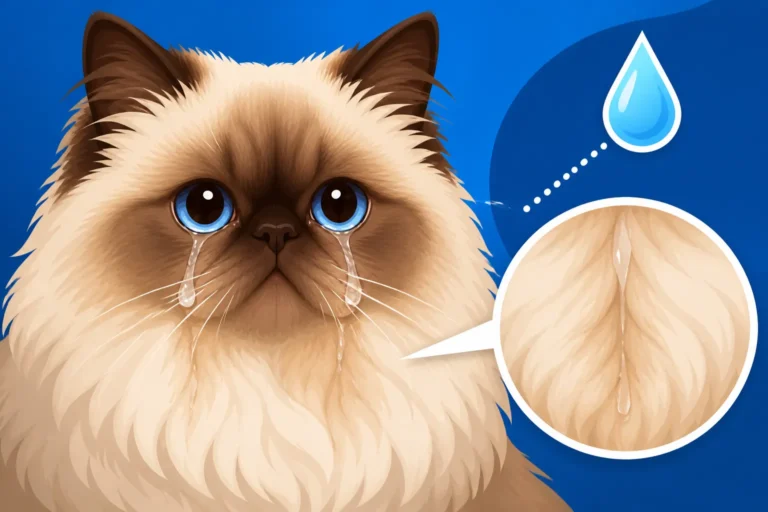
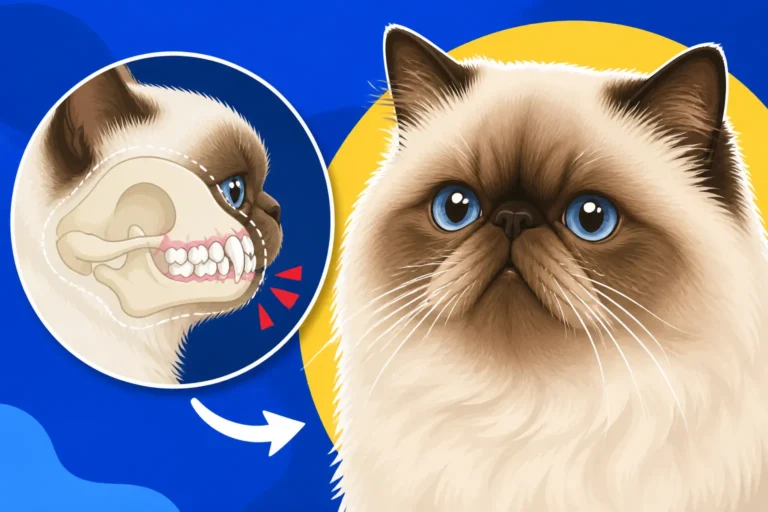
Then there's the brachycephalic (or "flat-faced") aspect, which many Himalayans possess, especially those bred to the Peke-face standard. This shortened muzzle means they have narrower nostrils and elongated soft palates, which can partially obstruct their airways. Cats primarily cool themselves by panting, a process that relies on efficient airflow over moist surfaces to evaporate water and release heat. When the airway is constricted, panting becomes less effective, making it much harder for them to cool down. It's why a Himalayan snores louder than its Siamese ancestors and why they can struggle even on moderately warm days. This combination of a heavy coat and compromised breathing ability means our Himalayans overheat twice as fast as a Siamese, their more streamlined, single-coated ancestor.
The Silent Dangers of Overheating
The real danger here isn't just discomfort; it's heat stress and, in severe cases, heatstroke. Cats are incredibly good at hiding their discomfort, so we need to be extra vigilant. Unlike us, they can't just shed a layer or grab a cold drink. Early signs of overheating can be subtle: increased panting (which might sound louder or more strained than usual), restlessness, or seeking out cool, hard surfaces to lie on. As it progresses, you might see drooling, reddened gums, a rapid pulse, staggering, vomiting, or even collapse. This is an emergency that needs immediate attention. Even if they seem to recover quickly, the internal damage from heatstroke can be severe, impacting organs like kidneys and the brain. It's a risk we absolutely need to take seriously, and prevention is always better than cure.
Immediate Steps to Cool an Overheated Himalayan
If you suspect your Himalayan is getting too hot, or worse, showing signs of heat stress, immediate action is crucial. Time is of the essence, and swift intervention can make a world of difference. Don't panic, but act with purpose.
Move to a Cooler Environment and Offer Water
The very first thing you need to do is get your cat out of the heat source. This might mean bringing them indoors to an air-conditioned room, moving them to the coolest, shadiest spot in the house, or even into a bathroom with tile floors. If possible, turn on a fan to circulate the air around them, but don't blast it directly into their face in a way that might distress them.
Next, gently offer them fresh, cool (not ice-cold) water. Don't force them to drink, but make it readily available in a shallow bowl. Some cats might be too disoriented to drink, but it's important to provide the option. You can also try offering a small amount of wet food mixed with extra water to encourage hydration if they're willing to eat. Remember, extra thirst in a Himalayan points at its Persian half and potential underlying issues, but in an acute overheating situation, it's a symptom of needing immediate fluid intake.
Gentle Cooling Techniques
The goal is to gradually lower their body temperature, not shock their system. Avoid using ice-cold water or ice packs directly on their skin, as this can cause the blood vessels to constrict, trapping heat inside and potentially leading to hypothermia once they start to cool down.
Instead, use lukewarm or cool (not cold) water. You can dampen a cloth or towel and gently wipe down their paws, ear flaps, and the underside of their body – areas where blood vessels are close to the surface, allowing for more efficient heat transfer. Another effective method is to run cool water over their paws in a sink for a minute or two. You can also carefully use a spray bottle set to a fine mist to dampen their fur, then use a fan to encourage evaporative cooling. If they are tolerant, a slightly damp towel laid over their back can also help, but replace it frequently as it warms up. The key is consistent, gentle cooling.
It's tempting to think a full bath in cold water would be best, but for an already stressed cat, this can be incredibly traumatic and counterproductive. Focus on these targeted, less invasive methods first. And throughout this process, monitor your cat closely. If they don't improve quickly, or if their condition worsens, it's time for urgent veterinary intervention.
Proactive Strategies for Summer Comfort
Preventing overheating is far easier and safer than reacting to it. By implementing a few thoughtful strategies, you can ensure your long-coated Himalayan stays comfortable and content even on the hottest days. It’s all about creating an optimal environment and adapting your routine.
Environmental Control and Cool Zones
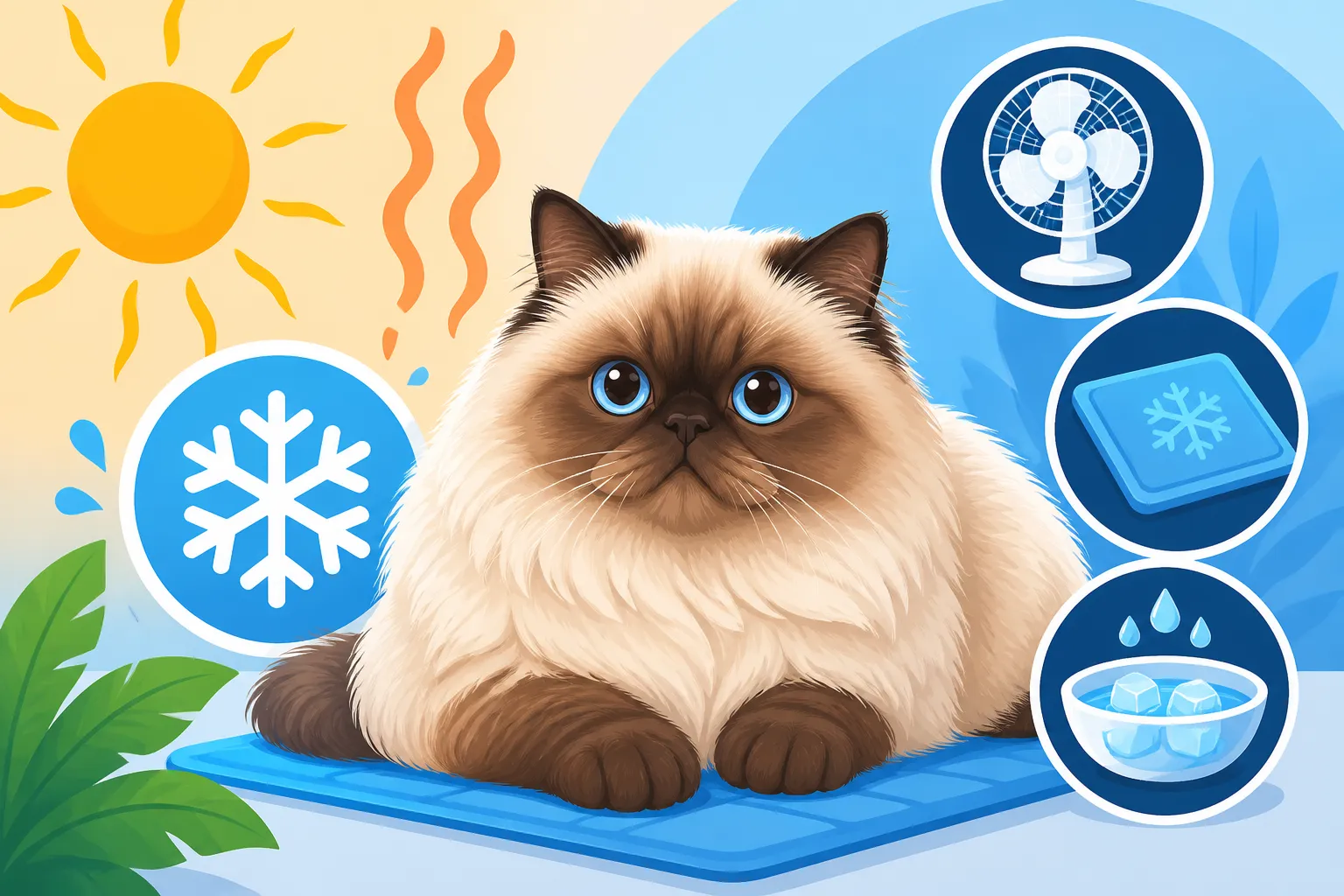
One of the most effective ways to manage a Himalayan's temperature is through their living environment. Air conditioning is your best friend during the summer. Keeping your home at a comfortable, consistent temperature is paramount. If central AC isn't an option, consider portable units or window ACs for the rooms your cat spends the most time in. If you live in an area prone to heatwaves, having a reliable cooling system is non-negotiable for a Himalayan.
Fans can also provide a gentle breeze, but remember they cool by circulating air, not by lowering the actual air temperature. Position them strategically to create airflow without blasting directly at your cat, which some might find irritating. Ensure there's always a quiet, shady, and cool retreat available. This might be a bathroom with cool tile floors, a laundry room, or simply a spot under a bed where they can feel secure and escape the heat. You'll often find a Himalayan lies on the coldest tile in the house when it's warm, so make these spots accessible and appealing.
Consider investing in cooling mats. These often use gel technology that activates with pressure, providing a cool surface for your cat to lie on without needing refrigeration or electricity. While a Himalayan’s thick coat can sometimes make it harder for the cooling mat to reach a cat’s skin effectively, many still appreciate the coolness, especially on their paws and belly. Place them in their favorite resting spots. For outdoor areas like catios, ensure there's ample shade and ventilation, and understand that a Himalayan's catio needs more shade than space, as they really shouldn't be outside for extended periods in warm weather.
Smart Grooming for Heat Management
Your Himalayan's glorious coat, while beautiful, is also their biggest heat trap. Regular grooming is not just about aesthetics; it's a vital part of heat management. Daily combing helps remove loose undercoat, which can act as insulation. A good quality steel comb with both fine and wide teeth will allow you to get deep into the fur and remove shed hair before it forms mats. When you skip a day, it really does cost a Himalayan a mat, and mats only exacerbate the problem by preventing air circulation to the skin.
For particularly hot climates or cats that struggle significantly, a "lion cut" might be a practical solution. This involves shaving the body down while leaving the mane, tail, and sometimes "booties" on the paws. It drastically reduces the insulating layer, making it much easier for your cat to stay cool. It's a big step, and not all owners love the look, but it can genuinely improve their quality of life in summer. A Lion Cut is the right answer for a Himalayan when heat stress becomes a consistent concern, but be prepared for how long a Himalayan's lion cut takes to grow out. Always have this done by a professional groomer or veterinarian under sedation, as grooming a long-haired cat can be stressful and even dangerous for both parties if the cat is not cooperative.
| Cooling Method | Pros | Cons | Best Use Case |
|---|---|---|---|
| Air Conditioning | Most effective, consistent cooling | Costly, requires power, not portable | Primary home cooling, essential for severe heat |
| Fans | Inexpensive, improves air circulation | Doesn't lower air temp, can be noisy | Supplemental cooling, combined with AC/cool surfaces |
| Cooling Mats | Passive, requires no power, portable | May not penetrate thick fur effectively | Providing a direct cool spot for resting |
| Damp Towels/Wipes | Immediate, targeted cooling | Requires frequent re-wetting/replacing | Spot cooling during heat stress or warm naps |
| Lion Cut | Drastically reduces insulation | Aesthetic change, needs professional groomer, coat takes time to grow back | Persistent heat struggle, very hot climates |
| Hydration | Essential for overall health & cooling | Requires cat to drink willingly | Continuous, preventative, always available |
Hydration and Nutrition Adjustments
Staying hydrated is crucial for every cat, but especially for Himalayans battling the heat. Ensure multiple water sources are available throughout the house. Wide, shallow bowls are often preferred by flat-faced cats as they allow them to drink without bending their whiskers or submerging their face too much. Some Himalayans might enjoy a pet fountain, which encourages drinking with its flowing water. Monitor how much water a Himalayan should get through, particularly in warm weather.
Consider increasing the amount of wet food in their diet during summer. Wet food has a much higher moisture content than dry kibble, contributing significantly to their overall hydration. This is especially helpful for a Himalayan that cannot reach into a deep bowl of water easily, or one that's a picky drinker.
Timing Activities and Avoiding Peak Heat
Himalayans aren't typically high-energy cats, but even their short bursts of play can lead to overheating. Limit playtime to the coolest parts of the day, typically early mornings or late evenings. Avoid strenuous activity during peak midday heat. If you're wondering how soon a Himalayan starts panting during play, the answer is usually quite quickly, so keep sessions short and sweet, with plenty of breaks in cool areas.
Never, ever leave your Himalayan in a car, even with the windows cracked, on a warm day. The interior temperature of a car can soar to dangerous levels in minutes, creating a life-threatening situation. This is particularly critical for brachycephalic breeds. If you must travel, ensure the car's air conditioning is fully functional and set to a cool temperature.
By being proactive with these strategies, you can significantly reduce the risk of your Himalayan suffering from heat-related issues and ensure they enjoy a comfortable, safe summer.
When to Seek Veterinary Help
Even with the best preventative measures, sometimes things can go wrong quickly. Recognizing the signs of serious heatstroke and knowing when to call your veterinarian is absolutely critical. Hesitation in these moments can have severe consequences.
Recognizing the Red Flags
While initial signs of overheating might include panting and restlessness, severe heatstroke presents with more alarming symptoms. These can progress rapidly, so don't wait for all of them to appear. Look out for:
- Excessive, labored panting: Much more intense than normal, sometimes with open-mouth breathing. This is when a Himalayan's open mouth breathing needs a vet.
- Profuse drooling: Indicating an inability to cool down.
- Vomiting and diarrhea: Sometimes with blood.
- Bright red gums or tongue: Signifying increased blood flow to the surface in an attempt to cool down, or pale/bluish gums in advanced stages.
- Staggering, weakness, or collapse: Loss of coordination.
- Lethargy or unresponsiveness: A sign the cat is going into shock.
- Seizures: Indicating brain damage due to overheating.
- Rectal temperature above 105°F (40.6°C): This is a definite emergency, but don't obsess over taking a temperature if your cat is already showing severe symptoms; get to the vet.
If you observe any of these severe symptoms, consider it an immediate emergency.
The Urgency of Veterinary Care
Heatstroke is a medical emergency that requires prompt professional attention. Even if your cat appears to recover somewhat with initial cooling efforts, underlying organ damage can occur that isn't immediately visible. Kidney damage, heart problems, and neurological issues can all be consequences of severe overheating.
Call your veterinarian or an emergency animal hospital immediately if you suspect heatstroke. Describe your cat's symptoms and inform them you are on your way. This allows them to prepare for your arrival and begin treatment as soon as you get there. During transport, continue gentle cooling efforts, such as having the car AC on high or placing damp cloths on your cat.
When you arrive, the vet will continue aggressive cooling, often using IV fluids to rehydrate and cool them internally, and monitor vital signs. They might run blood tests to check for organ damage and administer medications as needed. The recovery process can be lengthy and may require ongoing supportive care. Having pet insurance, such as a plan from Healthy Paws, can certainly alleviate some of the financial stress associated with such emergency care, allowing you to focus purely on your cat's recovery without added worry. It's a real comfort to know that if your Himalayan needs urgent care due to overheating, a comprehensive Healthy Paws policy can help cover the costs.
Remember, your Himalayan relies on you to recognize these dangers and act quickly. Being prepared and knowing when to seek help is the best way to protect your cherished companion.
Disclaimer
This article is intended for informational purposes only and does not constitute medical advice. Always consult with a qualified veterinarian for any health concerns or before making any decisions about your pet's health or treatment.