Whether a PKD Positive Himalayan Should Ever Be Bred
Discovering that your beloved Himalayan carries the gene for Polycystic Kidney Disease (PKD) can be a truly heartbreaking moment, whether you’re a dedicated breeder planning a litter or a loving owner contemplating your cat’s future. It brings with it a complex ethical and practical dilemma, especially if breeding has ever been on your mind. This guide aims to thoroughly explore the question of whether a PKD positive Himalayan should ever be bred, delving into the science, the risks, and the responsible choices available to ensure the health and well-being of this magnificent breed.
Understanding Polycystic Kidney Disease in Himalayans
Polycystic Kidney Disease, or PKD, is a genetic disorder that's unfortunately all too common in certain cat breeds, with Himalayans and their Persian cousins being particularly susceptible. It's not something you can see on the surface, which makes it even more insidious. Imagine a silent, ticking clock inside your cat's body, slowly affecting a vital organ.
What Polycystic Kidney Disease PKD Is
PKD is characterized by the development of multiple fluid-filled cysts within the kidneys. These aren't just one or two small cysts; they can range in size from microscopic to several centimeters in diameter, gradually growing and multiplying over time. Initially, these cysts might not cause any problems, as the healthy kidney tissue can still function adequately. However, as they enlarge and proliferate, they begin to displace and destroy normal kidney tissue, impairing the kidneys' ability to filter waste products from the blood and regulate bodily fluids. This progressive loss of kidney function can eventually lead to kidney failure, a severe and often fatal condition. The heartbreaking reality is that many cats with PKD don't show any symptoms until the disease is quite advanced, making early detection and responsible breeding practices absolutely critical.
How PKD Is Inherited in Himalayans
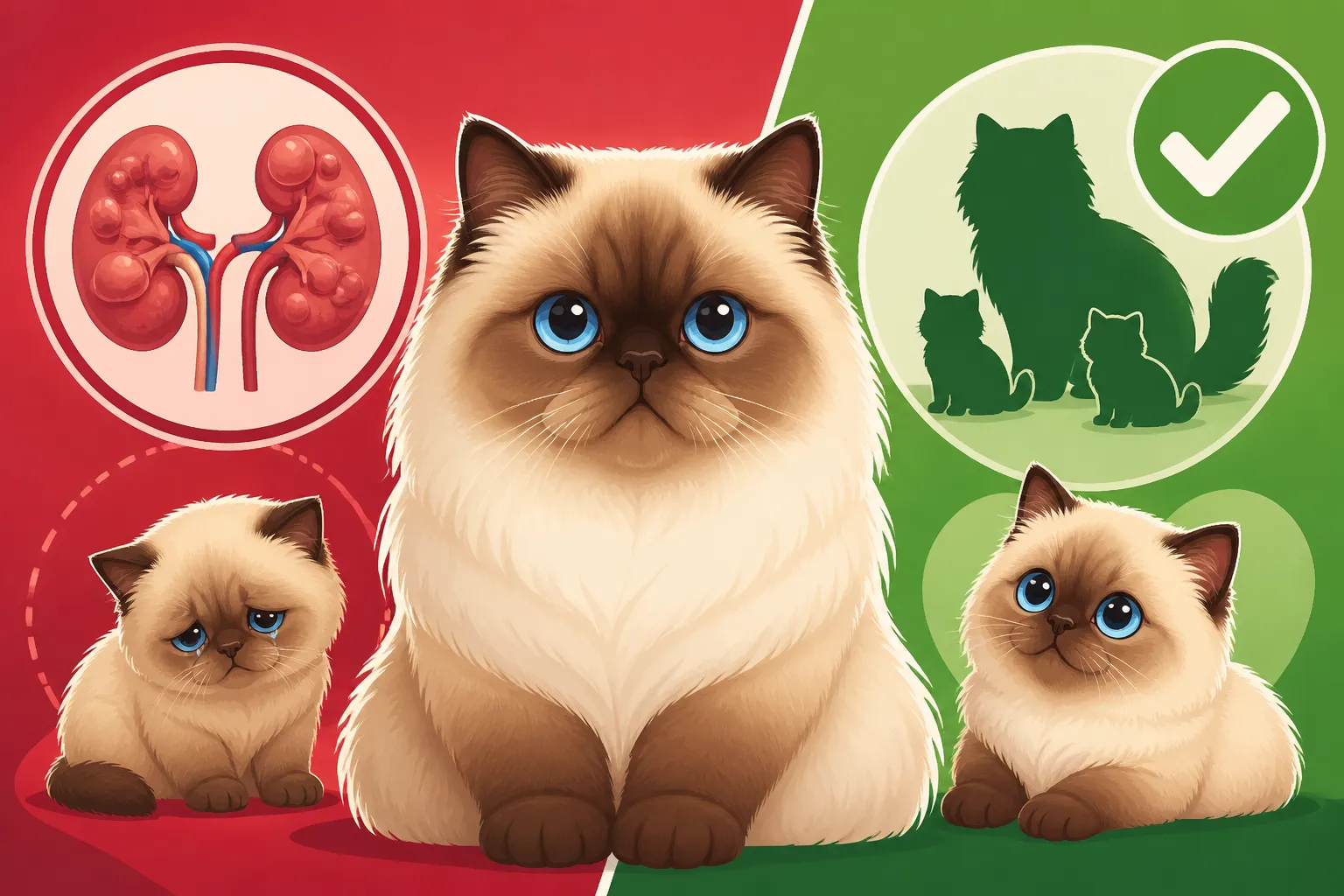
The way PKD is inherited in Himalayans is what's known as an autosomal dominant trait. This is a crucial piece of information for breeders and owners alike. What this means is that a cat only needs to inherit one copy of the defective gene from one parent to develop the disease. There isn't a "carrier" state where a cat carries the gene but doesn't express the disease; if they have the gene, they will have PKD. This genetic reality has profound implications for breeding programs. If even one parent is PKD positive, there's a 50% chance that each kitten in the litter will inherit the gene and, therefore, the disease. You might think, "Well, a 50/50 chance isn't so bad," but consider the impact: every single kitten produced from a PKD positive parent has a toss-up chance of facing a debilitating illness later in life. This is why understanding Why PKD Needs Only One Copy in a Himalayan is so fundamental to responsible breeding.
The Impact of PKD on a Cat's Health
The impact of PKD on a Himalayan's health can be devastating, even if it often manifests subtly at first. Cats with PKD may appear completely normal for years, leading owners to believe their pet is perfectly healthy. However, as the cysts grow, the signs of kidney disease will eventually emerge. These can include increased thirst and urination, loss of appetite, weight loss, lethargy, vomiting, and a dull, unkempt coat. The progression rate varies from cat to cat; some may live relatively normal lives into old age with proper management, while others may experience kidney failure at a much younger age. It’s a slow, insidious disease, and seeing your once vibrant cat slowly succumb to kidney failure is an incredibly difficult experience. Many owners find themselves navigating a complex medical journey, requiring specialized diets, medications, and frequent vet visits to manage the condition. A pet insurance provider like Healthy Paws can be invaluable in helping to cover the often significant costs associated with managing chronic conditions like PKD, offering a lifeline when vet bills start to climb.
The Ethical and Practical Dilemma of Breeding PKD Positive Himalayans
When a Himalayan is identified as PKD positive, a serious ethical quandary arises, particularly for breeders. The decision of whether to breed such a cat is not merely a personal one; it carries significant implications for the future health of the breed and for the unsuspecting families who will welcome those kittens into their homes.
The Risk of Passing on the Gene
Given that PKD is an autosomal dominant trait, breeding a PKD positive Himalayan means there is always a substantial risk of passing the defective gene to the offspring. To be precise, each kitten has a 50% chance of inheriting PKD, even if bred to a completely clear, PKD negative mate. This isn't a small risk; it's a coin flip every single time. Imagine a litter of four kittens – statistically, two of them could be destined to develop kidney disease. This is a heavy burden to place on any potential new owner, many of whom may not be aware of the nuances of genetic testing or the financial and emotional toll of living with a chronically ill pet. Responsible breeders understand that their primary duty is to produce healthy animals, and knowingly perpetuating a debilitating genetic disease goes against this fundamental principle. The goal for any ethical breeding program should be to eliminate such diseases, not to gamble with them.
Why Testing Is Crucial for Breeding Programs
For these reasons, genetic testing for PKD is not just recommended, it's absolutely crucial for any responsible Himalayan breeding program. There are highly accurate DNA tests available that can determine, with certainty, whether a cat carries the PKD gene. This simple Why a Cheek Swab Clears a Himalayan for PKD can save countless kittens from a future of illness. Alongside DNA testing, ultrasound scans can also be used, especially in older cats, to visually confirm the presence of cysts, though genetic testing remains the most definitive method for breeding decisions. You can learn more about How Early Cysts Show on a Himalayan's Kidney Scan. A breeder who skips these tests is not only taking a huge risk but is also failing their kittens and their future owners. Without comprehensive testing, you're essentially breeding blind, perpetuating a problem that could easily be eradicated from bloodlines with informed decisions. It allows breeders to make educated choices, ensuring that only PKD-negative cats are used for breeding, thereby gradually phasing out the disease from their cattery.
Long-Term Consequences for Offspring and Owners
The long-term consequences of breeding a PKD positive Himalayan are far-reaching, impacting not only the individual kittens but also the families who love them. For the offspring, a PKD diagnosis means a life under the shadow of a progressive disease. They may require lifelong veterinary care, including specialized diets, medications, and regular check-ups, which can be a significant financial burden. While pet insurance plans from providers like Healthy Paws can help mitigate these costs, the emotional toll on owners is immense. Watching a beloved pet suffer, knowing it was an avoidable genetic condition, can lead to feelings of guilt, anger, and profound sadness. Moreover, the reputation of the breed as a whole can suffer if PKD continues to be prevalent due to irresponsible breeding. Breeders who continue to use PKD positive cats contribute to a cycle of suffering, undermining trust within the cat fancy community and potentially increasing the number of cats ending up in shelters when owners cannot cope with the medical demands.
Strategies for Eliminating PKD from Breeding Lines
The good news is that because PKD is an autosomal dominant disease and a gene test is available, it is entirely possible to eliminate it from breeding lines. This isn't a pipe dream; it's a tangible goal that many responsible breeders have already achieved.
The Importance of Testing All Breeding Cats
The absolute cornerstone of eradicating PKD is universal testing of all cats intended for breeding. This means every single queen and stud cat in a cattery should undergo a genetic DNA test to confirm their PKD status. There's no room for guesswork here. If a cat tests positive, no matter how beautiful or well-tempered they are, they should be immediately removed from the breeding program. This might sound harsh, but it's the only way to ensure future generations are free from this debilitating condition. Breeders who are committed to the health of their lines will openly share How to Read a Himalayan's PKD Certificate and insist on seeing the certificates for both parents when acquiring new breeding stock. This rigorous approach prevents the unwitting introduction of the gene into clean lines, ensuring that the legacy of healthy Himalayans continues for years to come.
Responsible Breeding Practices
Responsible breeding goes beyond just testing; it involves a holistic approach to genetic health. For Himalayans, this means actively selecting for PKD-negative cats and ensuring that future pairings also involve PKD-negative individuals. When Why Two Clear Parents End PKD in a Himalayan Line, the outcome is beautiful: 100% of the offspring will be clear of PKD, breaking the chain of inheritance. This isn't just about preventing disease; it's about actively improving the genetic health of the entire breed. It requires breeders to be disciplined, sometimes making difficult decisions to retire a cherished cat from breeding, even if it's otherwise healthy. Furthermore, responsible breeders will educate potential kitten buyers about PKD, the importance of genetic testing, and the ongoing efforts to ensure a healthy future for the breed. They understand that their responsibility extends to supporting new owners and ensuring their kittens have the best possible start in life. It's a commitment that benefits everyone involved, especially the cats.
The Role of Gene Tests and Ultrasound
Both gene tests and ultrasound play vital, complementary roles in managing and eradicating PKD. The DNA gene test is paramount for breeders because it identifies the presence or absence of the specific mutated gene with near 100% accuracy, regardless of the cat's age or whether cysts have developed yet. This is especially critical for young cats being considered for breeding. An ultrasound, on the other hand, is a visual diagnostic tool that can confirm the presence of cysts in the kidneys. While it can be done at a young age, cysts may not be visible until later in life, making it less reliable for early screening in breeding programs than the gene test. However, an ultrasound is invaluable for monitoring the progression of PKD in cats that have already tested positive or for confirming a diagnosis in cats with unknown genetic status. Together, these tools provide a comprehensive approach: the gene test to make informed breeding decisions and the ultrasound to monitor affected cats. You can learn more about What Testing a Himalayan for PKD and the Eyes Costs, ensuring you're aware of the investments needed for a healthy cattery.
Supporting Cats Affected by PKD and Future Breeding Decisions
Even with the best intentions and rigorous testing, some Himalayans will still be diagnosed with PKD, either because they came from untested lines or because the disease manifests later in life. Supporting these cats and making informed decisions about future breeding are paramount.
Living with a PKD Positive Cat
Living with a PKD positive cat means understanding that you may eventually face the challenges of kidney disease. It doesn't mean immediate despair, however. Many cats with PKD can live long, comfortable lives with careful management. This typically involves a special renal diet, designed to reduce the workload on the kidneys and slow the progression of the disease. Your vet might also prescribe medications to manage symptoms like nausea or high blood pressure. Regular veterinary check-ups are essential to monitor kidney function and adjust treatments as needed. Learning about Which Renal Diet a Cyst Positive Himalayan Ends Up On is a critical step. It's a commitment, requiring patience, diligence, and a strong partnership with your veterinarian. Being proactive, monitoring your cat's eating and drinking habits, and being vigilant for any changes can significantly improve their quality of life. Furthermore, pet insurance, like policies offered by Healthy Paws, can be a great relief, helping to cover the ongoing costs of specialized food, medications, and frequent veterinary consultations, ensuring your furry friend gets the best care without financial strain.
When Rehoming Is the Best Option
Sometimes, despite everyone's best efforts, the demands of caring for a PKD positive cat become overwhelming for an owner. This can happen if the disease progresses rapidly, requiring intensive care, or if an owner's personal circumstances change. In such cases, rehoming might be the most humane option for both the cat and the owner. This is not a decision to be taken lightly, but it can be a loving choice if it means the cat will receive more consistent and specialized care in a new environment. Organizations dedicated to rescuing and rehoming Persian and Himalayan cats often have experience with special needs cats and can provide a safe, knowledgeable environment. When considering rehoming, it is crucial to be completely transparent about the cat's PKD status and medical history, ensuring the new family is fully prepared for the commitment involved. The goal is always to find a home where the cat can thrive and receive the attention and medical care it needs for its condition.
The Future of Himalayan Breeding
The future of Himalayan breeding, in regard to PKD, is bright, but only if breeders remain committed to responsible practices. Through widespread genetic testing and careful selection, PKD can, and should, become a rare occurrence in the breed. The lessons learned from the past, where What PKD Did to Himalayan Lines Before the Gene Test were rampant, serve as a stark reminder of the importance of vigilance. Breeders have a moral obligation to prevent the suffering that comes with preventable genetic diseases. By consistently breeding only PKD-negative cats, continuously educating themselves and potential owners, and maintaining transparency in their breeding programs, the Himalayan cat community can ensure that these magnificent felines are cherished for their beauty and temperament, free from the shadow of Polycystic Kidney Disease. The long-term health of the breed truly rests in the hands of informed and ethical breeders.
Disclaimer
Please remember that this article provides general information and guidance. Always consult with a qualified veterinarian for personalized advice regarding your pet's health and specific medical conditions. Decisions about breeding should be made in conjunction with professional veterinary and genetic counseling.