What Goes First in a Himalayan Past Twelve
One of the most heart-wrenching realities for any Himalayan cat owner is watching their beloved companion slow down. It’s tough to accept that the playful, inquisitive furball who once zoomed through the house is now showing their age, often hiding their discomfort with a stoic grace that makes it even harder to pinpoint exactly what's going on. This guide is here to walk you through the most common health and behavioral changes that typically emerge in a Himalayan once they pass the twelve-year mark, helping you recognize the signs and provide the most loving, supportive care during their precious golden years.
Understanding the Golden Years: The Reality of Aging Himalayans
Watching your Himalayan enter their senior years is a bittersweet experience. On one hand, you cherish every moment with them, knowing they've graced your life with over a decade of purrs and cuddles. On the other, the signs of aging can be subtle at first, then become more pronounced, leaving you wondering if what you're seeing is just normal wear and tear or something more serious. It’s crucial to understand that while aging is inevitable, proper care and attention can significantly improve their quality of life.
The Twelve-Year Mark: A Milestone, Not a Cliff Edge
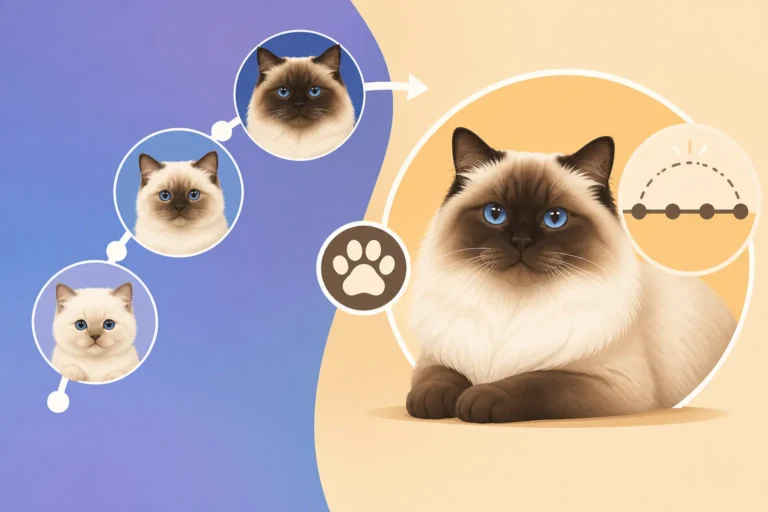
For many Himalayans, reaching twelve years old is a significant milestone. While some breeds might be considered ancient at this stage, Himalayans, with their Persian heritage, often live long, full lives, often reaching The Nine to Fifteen Years a Himalayan Usually Gets. This doesn't mean they suddenly become frail or ill on their twelfth birthday, but rather that changes, often subtle, begin to accumulate. You might notice they sleep a little more, their once boundless energy reserves are now used for shorter bursts of play, or they just seem a bit less interested in their usual antics. It's a gentle shift, a slow transition into a more relaxed phase of life.
This period is about recognizing that their physical and mental resilience isn't what it once was. Their systems are simply not as efficient, and the minor aches and pains that a younger cat might shake off are now more persistent. Owners often struggle with guilt, wondering if they're doing enough, but simply being observant and responsive to these changes is a huge part of good senior care. It’s about adjusting your expectations and your routine to meet their evolving needs, rather than expecting them to maintain the vigor of their youth.
Think of this stage as a time for proactive adjustments rather than reactive crises. Regular vet check-ups become even more important, and a keen eye for slight deviations from their norm can make all the difference. Early detection of potential issues can often lead to more manageable outcomes, preserving their comfort and happiness for longer.
Early Signs Versus Normal Aging
Distinguishing between normal signs of aging and indicators of an underlying health problem can be tricky. For instance, a senior Himalayan might naturally become a bit less agile, perhaps not jumping onto the highest shelves as readily as before. This could be normal age-related stiffness. However, if they suddenly refuse to use the litter box because it's too high, or cry out when trying to jump, that's a red flag indicating potential pain or discomfort that warrants a vet visit. It’s a fine line, and often your intuition as their long-term caregiver is your best guide.
Other subtle signs might include changes in appetite – a picky eater becoming even pickier, or conversely, a sudden increase in thirst or hunger. Their coat might lose some of its luster, or they might develop dandruff due to reduced grooming flexibility. A slight dullness in their typically vibrant blue eyes, or a subtle reduction in their responsiveness to your voice, can also be early indicators. These aren't necessarily alarming on their own, but when combined or persistent, they paint a clearer picture that something might need attention.
Keeping a log of these observations can be incredibly helpful for your veterinarian. Note down when you first noticed a change, how frequently it occurs, and any other symptoms that seem related. This detailed information provides your vet with valuable context beyond what they can observe in a brief examination, allowing for a more accurate diagnosis and a tailored treatment plan.
The Emotional Toll on Pet Parents
Let’s be honest, watching your beloved Himalayan age can be emotionally draining. You’ve shared so many years, so many memories, and the thought of their health declining is painful. It’s common to feel worried, stressed, or even a sense of impending loss as you notice the changes. Many owners feel a deep frustration when they can't simply "fix" what's happening, especially when their cat appears to be hiding their discomfort. The stoic nature of cats, particularly the gentle Himalayan, means they often don't loudly complain until a condition is quite advanced.
This emotional burden can be heavy, but it's important to remember you're not alone. Talking to your vet, or even other experienced Himalayan owners, can provide immense comfort and practical advice. It's okay to feel these emotions; they are a testament to the profound bond you share with your cat. Focus on cherishing the present and making their remaining years as comfortable and joyful as possible. Consider pet insurance options like Healthy Paws, which can help alleviate the financial stress often associated with senior pet care, allowing you to focus purely on their well-being without added monetary pressure.
Moreover, preparing yourself mentally for the various stages of senior care, including potential difficult decisions, is a part of responsible pet ownership. It doesn't mean you love them any less; it means you're committed to providing them with dignity and peace through every phase of their life.
Kidney Concerns: A Lingering Legacy
One of the most common and serious health issues that often emerges in Himalayans as they age past twelve is kidney disease. This is particularly relevant due to their Persian lineage, which carries a predisposition to certain renal conditions. Understanding the signs and staying vigilant is paramount for extending their healthy years.
The Persistent Threat of Polycystic Kidney Disease (PKD)
Polycystic Kidney Disease, or PKD, is a hereditary condition that is unfortunately quite common in Persian cats and, by extension, Himalayans. It's caused by a dominant gene, meaning only one copy is needed for the cat to develop the disease, as detailed in PKD1 Came Down the Persian Side of a Himalayan. While many responsible breeders now screen for PKD, some older lines, or cats from less scrupulous backgrounds, may still carry it. The insidious nature of PKD is that it involves the gradual formation and enlargement of cysts within the kidneys, which slowly replace healthy kidney tissue, leading to impaired function over time.
These cysts are present from birth but grow slowly, often not causing noticeable symptoms until the cat reaches middle to senior age, typically around 7-10 years, but certainly becoming more pronounced after twelve. The cumulative effect on kidney function can lead to chronic kidney disease (CKD), which is irreversible but manageable to a certain extent. Many owners are blindsided by a PKD diagnosis later in life, thinking their cat was healthy, only to learn that the condition has been silently progressing for years.
The frustrating part is that early stages of kidney disease often show no outward signs, or very subtle ones that are easily dismissed as "just aging." By the time clear symptoms appear, a significant portion of kidney function might already be lost. This highlights the critical importance of regular vet check-ups for senior Himalayans, even if they seem perfectly fine on the surface.
Tracking Renal Function: What to Watch For
As your Himalayan ages, especially past twelve, monitoring their kidney function becomes a top priority. The early signs of kidney issues are often very subtle. You might notice an increase in thirst (polydipsia) and, consequently, increased urination (polyuria). They may start drinking from unusual places, or their litter box might seem fuller more quickly. Weight loss despite a normal or even increased appetite is another concerning symptom, as is a duller coat, bad breath, or occasional vomiting. These symptoms signify that the kidneys are struggling to filter waste products from the blood effectively.
Your veterinarian will typically recommend annual or semi-annual blood work and urine tests for your senior Himalayan. These tests, particularly those looking at creatinine, BUN (Blood Urea Nitrogen), and SDMA (Symmetric Dimethylarginine), are key indicators of kidney health. The SDMA test is especially valuable because it can detect kidney disease much earlier than traditional markers, sometimes months or even years before creatinine levels rise. It's truly a game-changer for early detection in senior cats. Knowing Which Blood Values a Himalayan's Kidney History Demands can help you have an informed discussion with your vet.
In some cases, your vet might also recommend an ultrasound to visualize the kidneys, especially if PKD is suspected or if blood values are borderline. An ultrasound can show the size and number of cysts, if present, and assess the overall kidney architecture. The goal here isn't just to diagnose, but to establish a baseline and track progression, allowing for timely intervention and management.
Dietary Management and Support
Once kidney issues are identified, dietary management becomes one of the most effective ways to support your Himalayan's health. Your vet will likely recommend a prescription renal diet. These diets are specifically formulated to have lower protein, phosphorus, and sodium levels, while being supplemented with omega-3 fatty acids and antioxidants. The reduced protein helps decrease the workload on the kidneys by minimizing the production of waste products, while lower phosphorus helps prevent complications like secondary hyperparathyroidism.
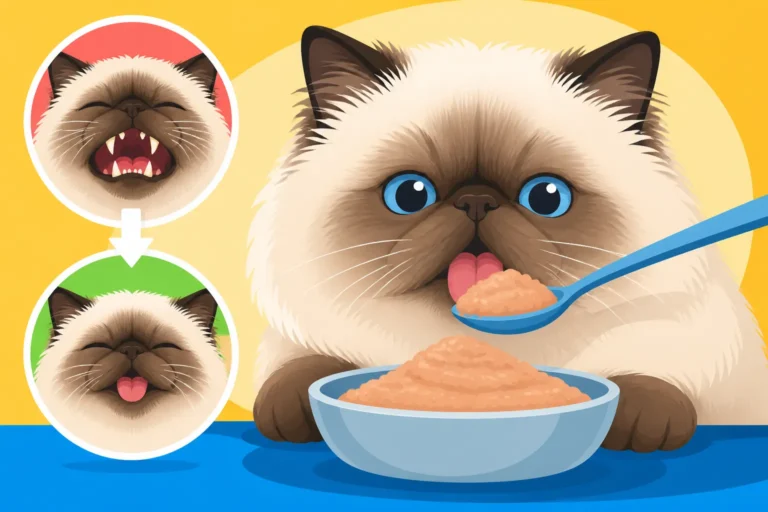
It can be a challenge to transition a senior cat, especially a notoriously picky Himalayan, onto a new food. Patience and gradual introduction are key. You might need to try several different brands or formulations (wet versus dry) before finding one your cat accepts. Warming wet food, adding a little low-sodium broth, or mixing a small amount of the new food with their old food and slowly increasing the proportion can help. Remember, eating some renal food is better than eating none at all, but consistent consumption is the goal.
Beyond diet, your vet might suggest other supportive therapies, such as phosphate binders, blood pressure medication, or supplements. Ensuring constant access to fresh water is also critical, as hydration helps the kidneys function. Cat fountains, which many cats prefer, can encourage increased water intake. Regular check-ups to monitor kidney values and adjust treatment as needed are also vital, often every 3-6 months. Comprehensive pet insurance, like plans offered by Healthy Paws, can be incredibly beneficial here, covering a significant portion of the costs for prescription diets, medications, and frequent vet visits associated with managing chronic kidney disease.
Vision and Hearing: Subtle Shifts in Sensory Perception
As Himalayans gracefully enter their later years, their senses, much like ours, can begin to diminish. While some changes are normal, it's important to distinguish them from more serious conditions and adapt their environment to ensure they remain comfortable and safe.
Clouded Eyes and Diminished Sight
One of the first things you might notice in an older Himalayan is a slight cloudiness to their usually brilliant blue eyes. This is often due to nuclear sclerosis, a hardening of the lens that makes the eyes appear hazy but doesn't usually impair vision significantly. However, more serious conditions can also develop. Cataracts, for example, can form and progressively obstruct vision, making it harder for your cat to navigate, especially in dim light. Retinal atrophy, a hereditary condition more common in some Persian lines, can lead to severe vision loss or even blindness by age five, as detailed in How Retinal Atrophy Blinds a Himalayan by Five, but can also progress in older age.
Signs of declining vision can include bumping into furniture, hesitating before jumping, or becoming more startled by sudden movements or changes in their environment. They might also exhibit changes in pupil size or reflectiveness. It’s important to remember that cats are incredibly adaptable, and they rely heavily on their other senses, so vision loss can be quite advanced before it's obvious to you. Keeping furniture in familiar places and ensuring clear pathways can greatly assist a visually impaired cat.
If you suspect your Himalayan's vision is declining, a veterinary ophthalmologist can conduct specialized tests to diagnose the exact cause and recommend any available treatments or management strategies. While some conditions might be treatable, for others, the focus shifts to creating a safe and predictable environment for your cat to thrive. Knowing Whether a Blind Himalayan Notices the Change can help adjust your approach to their care.
Muffled Sounds and Changing Responses
Just as their eyesight can fade, a Himalayan's hearing might also become less acute with age. This is a common part of the aging process, medically known as presbycusis, and typically manifests as a gradual loss of high-frequency hearing first, then progressing to lower frequencies. You might notice your cat doesn't respond to their name as readily, misses the sound of you opening their favorite treat bag, or doesn't react to loud noises that would have sent them scurrying in their younger days.
They might sleep through sounds that previously roused them, or seem less aware of your approach. It’s easy to mistake this for indifference or deeper sleep, but it's often simply a sign that their hearing has dulled. When calling them, try using a louder voice or a more distinct tone, or even physically going to them rather than relying solely on verbal cues.
To confirm hearing loss, your vet might perform simple tests, but often it’s diagnosed based on your observations and ruling out other medical issues. There isn't typically a "cure" for age-related hearing loss, so management focuses on adaptation. Gentle touches to get their attention, using visual signals, and ensuring they aren't startled can make a big difference.
Adapting the Home Environment
Living with a senior Himalayan experiencing sensory decline requires thoughtful adjustments to their home environment. For vision loss, consistency is key: avoid rearranging furniture, keep pathways clear, and ensure food, water, and litter boxes are in easily accessible, familiar locations. You might consider adding nightlights in areas they frequent to help them navigate in low light. Scent markers can also be surprisingly effective; use different essential oils (cat-safe ones, diluted) near key locations to help them orient themselves.
For hearing loss, the emphasis shifts to visual cues and vibrations. Clap your hands or stomp gently on the floor to create vibrations they can feel, signaling your approach. Always approach them from the front to avoid startling them. Communication can also be adapted; instead of just calling their name, combine it with a hand gesture they've learned to associate with you. This can be especially useful for cats that are becoming deaf.
Remember, a cat with reduced sight or hearing relies more on their remaining senses, particularly touch and smell, and on a predictable routine. Maintain a consistent daily schedule for feeding, play (gentle, age-appropriate play), and grooming. This predictability provides a sense of security and reduces anxiety, allowing your senior Himalayan to continue enjoying their golden years to the fullest in a safe, familiar environment.
Mobility and Comfort: Navigating a Changing Body
One of the most visible changes in a Himalayan past twelve is often a decline in their physical mobility. Their once fluid movements might become stiffer, jumps less precise, and their overall activity level diminishes. These changes are usually rooted in musculoskeletal issues that require careful attention to maintain their comfort.
The Silent Ache of Arthritis
Arthritis, or osteoarthritis, is an incredibly common condition in aging cats, yet it often goes undiagnosed because cats are so adept at hiding pain. The stiffness you observe in your senior Himalayan, their reluctance to jump, or difficulty climbing stairs, are often signs of arthritic joints. The Persian heritage, with its cobby body type and shorter legs, can sometimes contribute to joint stress over a lifetime. It’s not uncommon for How Arthritis Shows in a Himalayan That Never Jumped to manifest through subtle behavioral shifts rather than obvious limping. They might hesitate before using the litter box, start jumping down instead of up, or simply spend more time resting.
The pain from arthritis can vary from a dull ache to sharp discomfort, impacting their quality of life significantly. You might notice they are less tolerant of being touched in certain areas, or they might groom less effectively because bending or reaching is painful. Their posture might change, appearing more hunched, or they might shift their weight uncomfortably. A veterinarian can diagnose arthritis through a physical examination, feeling for joint thickening, reduced range of motion, and signs of pain, sometimes supported by X-rays.
Thankfully, there are many ways to manage feline arthritis. Non-steroidal anti-inflammatory drugs (NSAIDs) prescribed by a vet can significantly reduce pain and inflammation. Other options include chondroprotectants like glucosamine and chondroitin, omega-3 fatty acid supplements, and even therapeutic laser treatments. The goal is to manage the pain and improve joint function, allowing your Himalayan to move more comfortably.
Muscle Loss and Weakness
Beyond arthritis, senior Himalayans often experience sarcopenia, which is age-related muscle loss. This isn't just about losing strength; it impacts their overall body condition and can make movement even harder. Their once robust, cobby frame might appear a bit more slight, and you might notice their hind legs seem weaker. This muscle wasting can exacerbate existing joint pain, as there's less muscle support around the joints. It also makes them more prone to falls and injury.
A reduced activity level due to arthritis or other health issues can create a vicious cycle: less movement leads to more muscle loss, which then makes movement even more difficult and painful. It's a challenging aspect of aging that requires a multi-pronged approach. Regular, gentle exercise, appropriate for their mobility level, can help maintain muscle mass. This could be short, slow walks around the house or gentle play sessions with a wand toy while they're lying down.
Nutritional support is also crucial. High-quality protein in their diet can help counteract muscle loss. Your vet can recommend specific diets or supplements designed to support senior cats and combat sarcopenia. Ensuring they can easily access food and water, perhaps with elevated bowls, can also help reduce strain on their neck and joints, encouraging them to eat and drink enough.
Supporting Joint Health
Providing environmental support is just as important as medical interventions for a senior Himalayan's mobility. Make their world easier to navigate. Provide ramps or steps to help them get onto their favorite sofa or bed, reducing the need for painful jumps. Ensure litter boxes are easily accessible with low sides, as a high lip can be a significant barrier for stiff or painful joints. Use soft, orthopedic beds in their favorite resting spots to provide extra cushioning and support.
Maintaining a healthy weight is absolutely critical. An overweight Himalayan puts extra strain on already aching joints, making arthritis and mobility issues much worse. Regular weight checks, in conjunction with managing What a Himalayan's Cobby Frame Should Weigh, and careful portion control are essential. Your vet can help you determine the ideal weight for your individual cat and recommend a feeding plan. Pet insurance like Healthy Paws can often cover aspects of diagnostic imaging for joint issues, ongoing medication, and even physical therapy if recommended, making these supportive measures more financially feasible.
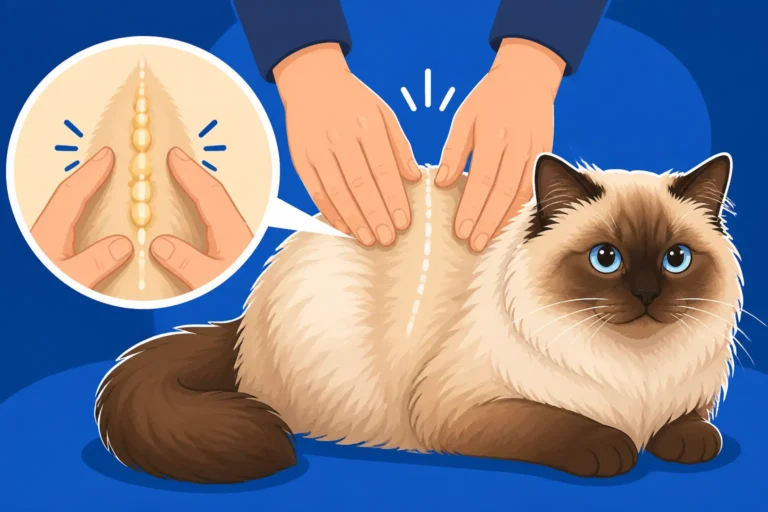
Lastly, consider regular, gentle massage, especially after a warm bath or a short play session. This can improve circulation and reduce stiffness. Always be gentle and observant of your cat's reactions; if they show any signs of discomfort, stop immediately. The goal is to enhance their comfort and independence, allowing them to enjoy their senior years with as much ease as possible.
Coat and Grooming: A Battle Against Time and Tangles
The glorious, flowing coat of a Himalayan is one of its most defining features, but as these cats age, maintaining that magnificent mane can become an uphill battle. Owners often find themselves doing more of the grooming, as their senior cat struggles to keep up with their own meticulous standards.
The Decline in Self-Grooming
As Himalayans age past twelve, their flexibility decreases due to arthritis or general stiffness, making it increasingly difficult for them to reach all areas of their body. The hindquarters, under the tail, and even parts of their back can become neglected. This isn't laziness; it's a physical limitation. You might notice their coat becoming duller, oilier, or more prone to matting in these inaccessible areas. The problem is compounded by potential muscle loss and a reduction in stamina; grooming takes effort, and an older cat simply doesn't have the energy for extended sessions. This is a common issue for owners, often asking Why an Old Himalayan Stops Washing Its Own Face.
Furthermore, dental issues, which are common in older cats, can make grooming painful. A sore mouth or missing teeth can make it uncomfortable to pull and clean their fur. Vision and hearing impairments can also play a role; a cat who can't see well might miss spots, or one who is less aware of their surroundings might be less inclined to settle down for a good, thorough groom.
The frustration for owners is real. You want your cat to be clean and comfortable, but they might resist your attempts at assistance. It’s important to approach these grooming sessions with patience and understanding, recognizing that their resistance often stems from discomfort rather than defiance.
Managing Matts and Skin Health
When self-grooming declines, matts become a significant problem. These tight, painful clumps of fur pull on the skin, causing discomfort, irritation, and even skin infections. They can hide skin conditions, parasites, or even wounds. The luxurious undercoat of a Himalayan, coupled with their long guard hairs, creates a perfect storm for matting if not regularly combed. It's not just an aesthetic issue; Why a Matted Himalayan Becomes a Medical Case due to the serious health complications that can arise. Mats can restrict movement, cause skin breakdown, and become breeding grounds for bacteria or parasites.
Regular inspection of your senior Himalayan's coat is vital. Pay particular attention to high-friction areas: armpits, behind the ears, the belly, and the britches (the long fur around their hindquarters). These are the first places where mats tend to form. If you find small mats, try to gently tease them apart with your fingers or a wide-toothed comb, working slowly and carefully from the outside in. Never pull on the mat, as this will hurt your cat.
If mats are extensive or tight against the skin, professional help is often the best solution. A professional groomer or your veterinarian might need to carefully shave the matted areas. This often requires sedation, especially if the mats are severe and painful. While a lion cut might seem drastic, it can be a huge relief for a matted cat, allowing their skin to breathe and heal.
Adapting Your Grooming Routine
Since your senior Himalayan can no longer manage their grooming independently, you'll need to step in and make it a daily ritual. Invest in the right tools: a good quality steel comb with both fine and wide teeth, a slicker brush for fluffing, and perhaps a small pair of blunt-tipped scissors for careful trimming of particularly prone areas like the britches. Start slowly and make grooming a positive experience with treats and praise. Short, frequent sessions (5-10 minutes daily) are far more effective and less stressful than long, infrequent ones.
Focus on the areas they can't reach, and gently comb through their entire coat to prevent new mats from forming. Pay attention to their reactions; if they show signs of pain, stop and consult your vet. They might need pain relief for arthritis to make grooming more tolerable. If your Himalayan has developed tear stains, which can be more prominent on lighter-colored Himalayans, daily wiping of their face with a damp cloth can prevent irritation and discoloration. You might find a need for Why a Himalayan's Tears Run Onto Its Ruff and the specific daily care required.
Regular baths are generally not necessary for Himalayans unless they become very soiled, but professional grooming every few months can be incredibly beneficial. Groomers are skilled at handling older cats and can safely remove mats, trim nails (another task older cats struggle with), and ensure their skin and coat are healthy. This proactive approach to grooming not only keeps your Himalayan looking beautiful but, more importantly, keeps them comfortable and free from painful skin conditions.
Cognitive Changes: When the Mind Starts to Wander
It's not just their bodies that show the signs of age; sometimes, a Himalayan's mind can also start to slow down. Feline Cognitive Dysfunction Syndrome (FCDS) is a recognized condition in older cats, much like Alzheimer's in humans, and it can be distressing for owners to witness.
Feline Cognitive Dysfunction Syndrome (FCDS)
Feline Cognitive Dysfunction Syndrome is a progressive neurodegenerative disorder that affects senior cats, typically beginning around 10-12 years of age, but becoming more apparent in cats past twelve. It's essentially a form of senility in cats, caused by changes in the brain that lead to a decline in cognitive abilities. The symptoms can be subtle at first, often mistaken for normal aging, but they gradually worsen over time. The diagnosis is usually made by ruling out other medical conditions that could cause similar symptoms.
The causes are thought to be similar to those in humans: accumulation of amyloid plaques in the brain, reduced blood flow, and oxidative damage. These changes impair memory, learning, spatial awareness, and social interaction. It's a truly heartbreaking condition to watch your once sharp, independent Himalayan slowly lose their grasp on reality.
Early recognition is key, as some interventions can help manage symptoms and slow progression. Discuss any unusual behaviors with your vet during your What a Himalayan's Yearly Bloods Should Cover After Eight appointment. They can help differentiate FCDS from other conditions like thyroid issues, kidney disease, or even brain tumors, all of which can mimic cognitive decline.
Disorientation and Altered Interactions
The symptoms of FCDS are varied and can impact a cat's life in many ways. You might notice your Himalayan becoming disoriented, getting lost in familiar surroundings, or staring blankly at walls. They might forget where their food bowl is or their litter box, leading to accidents outside the box. Changes in sleep-wake cycles are common; they might wander and vocalize excessively at night, keeping you awake, and then sleep more during the day. This shift can be one of the most frustrating and challenging aspects for owners.
Their interactions with you and other pets might change too. A once affectionate cat might become aloof or irritable, or conversely, a shy cat might become more clingy. They might forget their training or commands, or seem generally confused. Sometimes, they develop anxiety or phobias they never had before, becoming agitated by noises or situations that were once routine. It’s important to remember these changes aren’t intentional; they are symptoms of a medical condition.
Documenting these behavioral changes, including frequency and duration, will be invaluable for your vet. Videos can sometimes capture behaviors that are difficult to describe verbally. The more information you can provide, the better your vet can assess the situation and recommend appropriate management strategies.
Enriching Their Senior Years
While there's no cure for FCDS, there are many ways to support your Himalayan and enhance their quality of life. Environmental enrichment is crucial. Maintain a consistent routine for feeding, play, and interaction. Provide easy access to food, water, and litter boxes, perhaps adding extra boxes around the house. Consider using nightlights to help with nighttime disorientation. Keep their environment calm and predictable, avoiding sudden changes or loud noises that might cause anxiety.
Dietary supplements, particularly those rich in antioxidants, omega-3 fatty acids, and ingredients like S-adenosylmethionine (SAMe) or medium-chain triglycerides (MCTs), have shown promise in supporting cognitive function. Your vet might recommend a prescription diet specifically formulated for brain health in senior cats, such as Hill's Prescription Diet b/d or Purina Pro Plan Veterinary Diets Neurocare. Certain medications can also help manage specific symptoms, like anxiety or inappropriate vocalization.
Most importantly, continue to provide love, patience, and gentle interaction. Even if they seem confused, your presence and familiar touch can offer immense comfort. Short, gentle play sessions, brushing, or simply sitting quietly with them can reinforce your bond. Remember, your senior Himalayan still needs your companionship, even if the way they express it has changed. Focusing on their comfort and dignity through these changes is the greatest gift you can give them in their final years.
Common Health Concerns in Older Himalayans
Beyond the overarching issues of kidney, sensory, and cognitive decline, several other health concerns become more prevalent in Himalayans as they reach their senior years. Regular veterinary check-ups are essential for detecting these issues early and initiating treatment.
Thyroid and Metabolic Changes
Hyperthyroidism is one of the most common endocrine diseases in older cats, including Himalayans, typically affecting cats over the age of eight. It's caused by an overproduction of thyroid hormones, usually due to a benign tumor on the thyroid gland. Symptoms can be insidious but often include weight loss despite an increased appetite, increased thirst and urination, restlessness, an unkempt coat, and sometimes vomiting or diarrhea. Owners often initially rejoice at their older cat's renewed appetite, unaware it's a symptom of a serious condition.
Conversely, some senior Himalayans might develop diabetes mellitus, though less common than hyperthyroidism. This metabolic disorder results in the body's inability to produce or properly use insulin, leading to high blood sugar levels. Symptoms include increased thirst and urination, weight loss despite a good appetite, and sometimes lethargy. Both conditions are serious but manageable with appropriate veterinary care, including medication, dietary changes, and regular monitoring. Early diagnosis through routine senior blood panels is crucial.
Dental Disease and Oral Health
Dental disease is rampant in older cats, and Himalayans, with their brachycephalic (flat-faced) skull structure, are particularly prone due to crowded teeth and a shortened jaw. This crowding can lead to malocclusion, where teeth don't align properly, increasing plaque and tartar buildup. Over time, this progresses to gingivitis (inflammation of the gums) and periodontitis (infection and inflammation of the structures supporting the teeth), leading to pain, tooth resorption, and tooth loss. This discomfort can make eating difficult and contribute to the decline in self-grooming.
Signs of dental disease include bad breath (halitosis), difficulty eating or dropping food, pawing at the mouth, reduced appetite, and visible tartar or red, swollen gums. Regular professional dental cleanings under anesthesia are essential for senior Himalayans. While the idea of anesthesia for an older cat can be daunting, the relief from pain and infection often vastly outweighs the risks. Your vet will conduct a thorough pre-anesthetic workup, often including blood tests and possibly chest X-rays, to ensure your cat is a good candidate for the procedure. They understand Why a Himalayan Is a Harder Anesthetic Than a Siamese and take extra precautions.
Between professional cleanings, at-home dental care, such as brushing with feline-specific toothpaste (if your cat tolerates it), dental rinses, or dental treats, can help slow the progression of plaque and tartar. Regular inspections of your cat's mouth by you can also help identify problems early.
Weight Management and Muscle Tone
Maintaining an ideal body weight and good muscle tone is paramount for an aging Himalayan's health. Many senior cats become less active, leading to weight gain if their caloric intake isn't adjusted. Obesity exacerbates conditions like arthritis, diabetes, and heart disease, and it can make grooming almost impossible for them, leading to matting. On the other hand, some older cats, particularly those with conditions like hyperthyroidism, kidney disease, or cancer, might experience significant weight loss and muscle wasting.
Regularly assessing your Himalayan's body condition score (BCS) is important. You should be able to feel their ribs easily without seeing them, and they should have a discernible waist when viewed from above. If you notice significant changes in their weight, either gain or loss, consult your vet immediately. They can help adjust their diet and investigate any underlying health issues. Providing a nutritious, age-appropriate diet, with controlled portions, is key. For those losing weight, highly palatable and calorie-dense foods might be needed.
Encouraging gentle activity, as discussed in the mobility section, also helps maintain muscle mass and supports a healthy weight. This might involve short play sessions with a laser pointer or feather wand, encouraging them to move rather than just lounge. Remember, even small efforts can make a big difference in preserving their strength and vitality.
Providing End-of-Life Comfort and Care
The toughest part of pet ownership is facing the end of a cherished companion's life. For a Himalayan past twelve, this period often involves managing chronic conditions and ensuring their comfort and dignity.
Assessing Quality of Life
As your Himalayan continues to age, regularly assessing their quality of life becomes the most important metric. This isn't just about whether they're eating or breathing; it's about their overall happiness, comfort, and ability to engage in activities they once enjoyed. Consider factors such as:
- Pain management: Are they experiencing chronic pain that isn't adequately controlled?
- Appetite and hydration: Are they eating and drinking enough to sustain themselves?
- Hygiene: Are they able to keep themselves reasonably clean, or are they constantly soiled?
- Mobility: Can they move around comfortably, access food, water, and the litter box without significant struggle?
- Interest in surroundings: Do they still show interest in family interactions, toys, or looking out the window?
- Good days vs. bad days: Are the bad days starting to outnumber the good ones?
There are several quality of life scales available online that can help you objectively evaluate your cat's condition, providing a framework for difficult conversations with your veterinarian. This proactive assessment helps ensure your focus remains on their well-being, rather than simply extending life at any cost.
Managing Pain and Discomfort
Pain management is a cornerstone of senior Himalayan care. Whether it's chronic arthritis, dental pain, or discomfort from organ disease, it’s our responsibility to ensure they are as comfortable as possible. As discussed, NSAIDs and other medications can alleviate joint pain. For cats with kidney issues, special care must be taken with medications, as Which Pain Relief a Himalayan With Cysts Can Take might be limited due to kidney metabolism. Your vet will choose medications carefully, considering potential side effects and drug interactions.
Beyond medication, supportive therapies like acupuncture, therapeutic laser, and even gentle massage can provide relief. Warm, soft bedding, easily accessible resources, and a calm, stable environment also contribute significantly to their comfort. Sometimes, simply adjusting their routine to minimize painful movements or interactions can make a huge difference.
Never assume an older cat's lethargy or irritability is "just old age." These are often signs of pain or discomfort. Always consult your vet if you notice changes in behavior that could indicate your cat is hurting. Their quality of life hinges on effective pain control.
The Difficult Decisions
Eventually, you might face the heartbreaking decision of euthanasia. This is perhaps the most difficult choice any pet owner has to make, but it is also the final act of love and kindness we can offer to prevent prolonged suffering. When your Himalayan's quality of life has severely diminished, and medical interventions are no longer effective in maintaining comfort, euthanasia offers a peaceful release.
This decision is deeply personal and should be made in consultation with your family and, most importantly, your veterinarian. Your vet can provide an objective assessment of your cat's condition and help you understand when further interventions would only prolong suffering. Many vets offer in-home euthanasia, allowing your Himalayan to pass peacefully in the comfort and familiarity of their own home, surrounded by your love.
The grief that follows such a loss is profound and real. Allow yourself to mourn, and seek support from friends, family, or pet bereavement counseling if needed. The memories of your beautiful Himalayan will live on, a testament to the special bond you shared through all their years, including their precious golden ones.
| Health Issue | Common Signs in Senior Himalayans | Management Strategies |
|---|---|---|
| Kidney Disease (CKD/PKD) | Increased thirst/urination, weight loss, dull coat, bad breath, vomiting, lethargy | Prescription renal diet, phosphate binders, blood pressure meds, hydration |
| Arthritis | Stiffness, reluctance to jump, difficulty with stairs/litter box, reduced grooming, irritability | Pain relief (NSAIDs), joint supplements, environmental modifications (ramps, soft beds), weight management |
| Vision Loss | Bumping into objects, hesitation, pupil changes, startle reflex, less active in dim light | Consistent environment, nightlights, verbal cues, routine, vet checks |
| Hearing Loss | Unresponsive to name/sounds, easily startled, deeper sleep, increased vocalization | Visual cues, gentle touches, approach from front, stable routine |
| Cognitive Dysfunction | Disorientation, getting lost, altered sleep-wake cycle, inappropriate urination/defecation, altered interactions | Environmental enrichment, cognitive supplements, prescription diets, medication for anxiety/vocalization |
| Dental Disease | Bad breath, difficulty eating, pawing at mouth, visible tartar, red/swollen gums | Professional dental cleanings, at-home dental care (brushing), diet |
| Hyperthyroidism | Weight loss despite increased appetite, increased thirst/urination, restlessness, unkempt coat | Medication, radioactive iodine therapy, dietary management, surgery |
Disclaimer
The information provided in this guide is intended for general informational purposes only and does not constitute veterinary medical advice. Always consult with a qualified veterinarian for any health concerns or before making any decisions related to your pet's care.