Whether Widening a Himalayan’s Nostrils Helps
It’s heartbreaking to watch your beautiful Himalayan struggle with something as fundamental as breathing. Many devoted owners find themselves constantly listening for that distinctive snore or seeing their beloved cat pant after just a few minutes of gentle play. You might have heard whispers or even outright suggestions about surgical options, specifically widening the nostrils, as a potential fix. It’s a common question, and one that deserves a deep, empathetic look, because while it can offer relief, it’s rarely a simple, standalone solution.
Understanding Brachycephalic Airway Syndrome in Himalayans
The Himalayan cat, with its undeniably charming flat face, short nose, and round eyes, embodies a specific aesthetic that many adore. However, this unique facial structure, often referred to as brachycephalic, comes with a trade-off. It’s not just an adorable look; it's a structural reality that can significantly impact their health, particularly their ability to breathe. This condition is formally known as Brachycephalic Airway Syndrome (BAS), and it’s a complex issue affecting multiple parts of your cat’s upper airway.
Imagine trying to breathe through a perpetually stuffy nose while also having a bit of your throat tissue partially blocking your windpipe – that’s a bit like what some Himalayans experience. Their shortened skull means that all the soft tissue that would normally fit neatly into a longer muzzle is compressed into a much smaller space. This anatomical reality is why you might notice your Himalayan cat snoring, especially when they’re deeply asleep, or why they might seem to pant more readily than other cats. If you’ve ever wondered Why a Himalayan Snores Louder Than Its Siamese Ancestors, this brachycephalic structure is a major contributor.
The problems associated with BAS are cumulative. While outwardly, you might just see narrowed nostrils (known as stenotic nares), that’s often just the tip of the iceberg. The soft palate, the fleshy part at the back of the roof of the mouth, can be elongated, meaning it hangs down too far into the throat, partially obstructing the larynx (voice box). This is particularly problematic during exertion or stress, as the increased airflow can cause it to vibrate and further block the airway. It’s a cascading effect where one anatomical abnormality can exacerbate another.
Veterinarians often assess the severity of these issues by carefully examining your cat's face and listening to their breathing. They'll look at the nostril openings to see just how narrow they are, often grading them on a scale. Understanding How a Vet Grades a Himalayan's Nostrils can give you an insight into the initial diagnostic steps. It's crucial to remember that BAS is a spectrum, and not all Himalayans will suffer from it to the same degree, but for those who do, it can severely diminish their quality of life.
The Specifics of Nostril Widening Surgery (Stenotic Nares Correction)
When breathing becomes a constant struggle for your Himalayan, surgical intervention might be considered. One of the most common procedures is stenotic nares correction, which aims to widen those restrictive nostril openings. It’s a procedure that, in theory, seems straightforward – just make the holes bigger, right? But as with any surgery, understanding the details, expected outcomes, and limitations is key to making an informed decision for your furry family member.
What the Surgery Involves
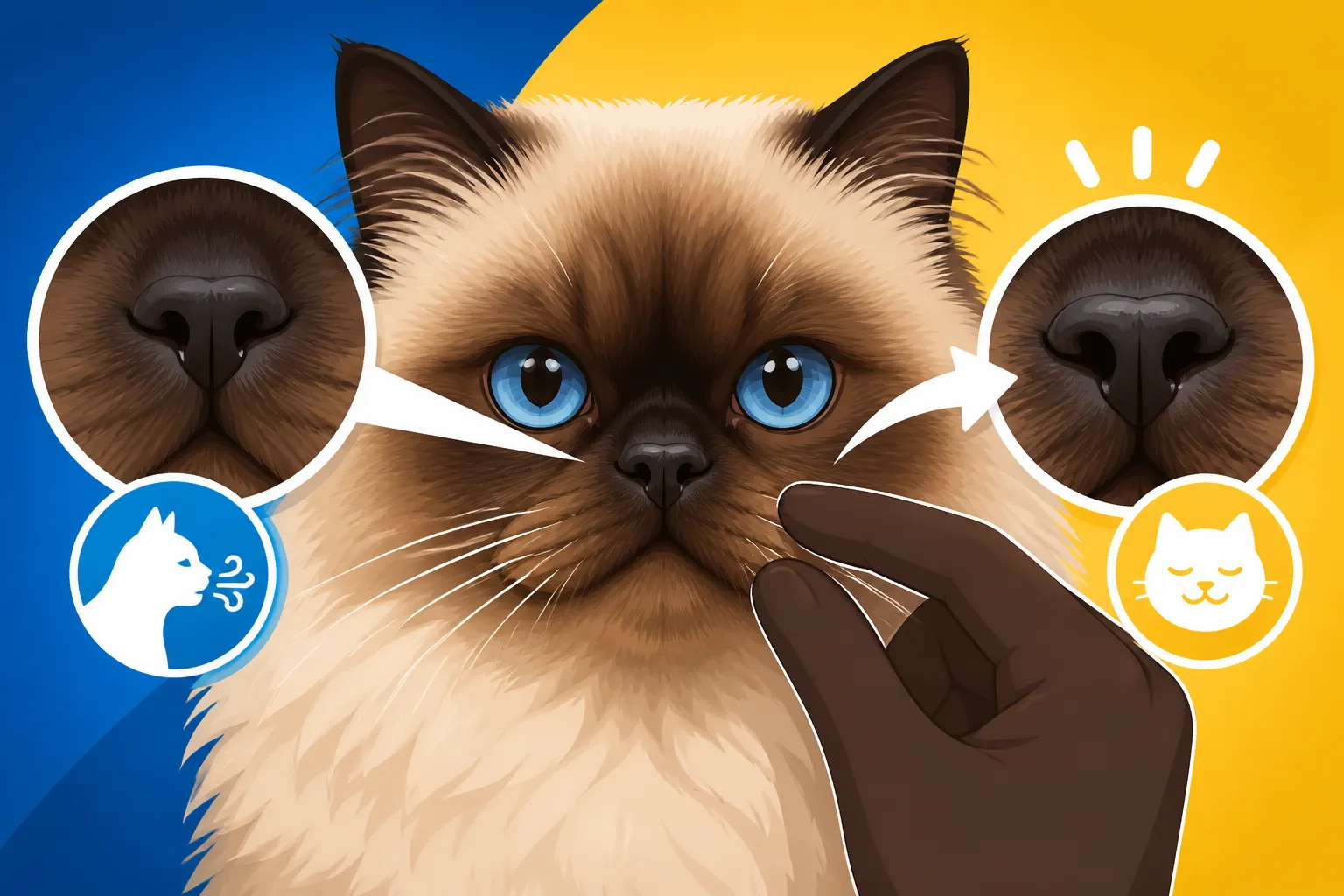
Stenotic nares correction is typically performed by a veterinarian, often one with a specialization in soft tissue surgery. The procedure involves carefully excising a wedge of tissue from each nostril, effectively creating a larger opening. This can be done using a traditional scalpel, or in some cases, a laser, which can offer precise cuts and help to minimize bleeding. The goal isn't just to cut, but to reshape the cartilage and skin so that the newly widened nostrils remain open and allow for improved airflow.
Your Himalayan will, of course, be under general anesthesia for this procedure. Given the unique challenges of anesthetizing brachycephalic breeds, your vet will take extra precautions to monitor breathing and oxygen levels throughout. Post-surgery, there will be some stitches, usually absorbable, and potentially some swelling around the nose for a few days. Pain management is a crucial part of recovery, ensuring your cat is as comfortable as possible while they heal. It's a delicate area, and careful aftercare is vital to prevent complications and ensure the new openings stay clear.
Expected Outcomes and Limitations
So, does it help? The good news is that nostril widening surgery can significantly improve a Himalayan's ability to take in air through their nose. Many owners report a noticeable reduction in noisy breathing, less effort during respiration, and a general improvement in their cat's comfort levels, especially during warmer weather or after mild activity. Better nasal airflow means your cat can breathe more efficiently, which can make a big difference to their overall well-being.
However, it’s vital to manage expectations. Nostril widening addresses only one component of the complex Brachycephalic Airway Syndrome. While it improves the entry point for air, it doesn't fix any obstructions further down the airway, such as an elongated soft palate or everted laryngeal saccules. Think of it like trying to clear a clogged drain: widening the top of the pipe helps, but if there's a blockage much deeper down, you're only solving part of the problem. Therefore, while beneficial, this surgery is often just the first step in a more comprehensive approach to improving your Himalayan's breathing.
Beyond Nostril Widening: A Holistic Approach to Breathing Issues
For many Himalayans, simply widening the nostrils isn't enough to fully address their breathing challenges. Brachycephalic Airway Syndrome is, as its name suggests, a syndrome – a collection of problems, not just a single one. To truly improve your cat's quality of life, veterinarians often recommend a multi-faceted approach, tackling various anatomical roadblocks that hinder proper airflow. It’s about looking at the entire airway system, not just the front door.
Addressing the Soft Palate
One of the most common co-occurring issues with stenotic nares is an elongated soft palate. This means the soft tissue at the back of your Himalayan's mouth extends too far back, often into the larynx, partially obstructing the windpipe. Imagine trying to breathe while a curtain is constantly fluttering in your throat. This can be a major source of snoring, snorting, and outright breathing distress, especially when your cat is excited or trying to cool themselves down. This is also a significant factor in why A Himalayan Overheats Twice as Fast as a Siamese.
Soft palate resection surgery, often performed at the same time as nostril widening, involves carefully shortening the soft palate to a more appropriate length. This opens up the back of the throat, allowing air to pass more freely into the trachea. The combination of widened nostrils and a shortened soft palate often yields the most significant improvements in a Himalayan’s breathing. It’s a more invasive procedure than nostril widening alone, but for many cats, it's essential for achieving truly effective relief from BAS symptoms. You can learn more about What Soft Palate Surgery Involves for a Himalayan to better understand this crucial part of comprehensive treatment.
Other Contributing Factors
Beyond the nostrils and soft palate, other anatomical quirks can contribute to BAS in Himalayans. Everted laryngeal saccules, for instance, are small pockets of tissue located inside the larynx that can get sucked into the airway during increased respiratory effort, further blocking airflow. These can also be surgically trimmed to improve the passage of air. In rare cases, some Himalayans might have tracheal hypoplasia, which is a narrower-than-normal windpipe. This is a more complex issue and typically cannot be corrected surgically in the same way.
Long-term management also plays a critical role. Weight management is paramount; even a few extra pounds can put significant strain on an already compromised respiratory system. Keeping your Himalayan at a healthy weight can drastically reduce the effort required for breathing. Environmental factors also matter: avoiding excessive heat and humidity, reducing stress, and limiting strenuous activity can help prevent episodes of respiratory distress. A Healthy Paws pet insurance plan, for example, could be invaluable in covering the costs associated with these advanced diagnostics and potential multiple surgical interventions, providing peace of mind as you navigate your cat’s care.
Making the Decision: What to Consider Before Surgery
Deciding whether to pursue surgery for your Himalayan’s breathing issues is a significant choice, both emotionally and financially. It’s not a decision to be taken lightly, and it requires careful consideration, thorough consultation, and a realistic understanding of the potential outcomes and commitments involved. Your cat’s quality of life is at the heart of this, and ensuring you’re prepared for every step is key.
Consultation with a Board-Certified Vet
The first and most crucial step is to seek a comprehensive evaluation from a veterinarian who has experience with brachycephalic breeds, ideally a board-certified veterinary surgeon. They will perform a thorough physical examination, paying close attention to your cat's breathing sounds, nostril structure, and oral cavity. They might recommend diagnostic imaging, such as chest X-rays, to assess the trachea and lungs, and possibly even endoscopy to get a direct view of the soft palate and larynx. This in-depth assessment is vital for understanding the full extent of your Himalayan's BAS and for determining which procedures, if any, would be most beneficial. They’ll be able to tell you more about What a Well Built Himalayan's Breathing Sounds Like versus what indicates distress.
It’s also important to discuss your cat's overall health before any anesthesia. For instance, Why a Himalayan's Kidneys Are Checked Before Sedation is a critical pre-surgical consideration, as kidney function can impact how your cat processes anesthetic drugs. A good vet will take the time to explain all the risks and benefits, provide you with a clear prognosis, and ensure you feel comfortable and informed. Don't hesitate to ask every question you have, no matter how small.
Financial and Emotional Costs
Let's be realistic: brachycephalic airway surgeries are not inexpensive. The cost can vary significantly depending on the region, the specific procedures performed (nostril widening, soft palate resection, laryngeal saccule removal), the expertise of the veterinary team, and the length of hospital stay. These are complex surgeries requiring specialized equipment and extensive post-operative care. This is where pet insurance, like a plan from Healthy Paws, can be a true lifeline, helping to offset a substantial portion of the veterinary bills. It’s worth checking if Whether a Himalayan Policy Excludes the Flat Face so you know exactly what coverage you might have.
Beyond the financial aspect, there's the emotional toll. Seeing your cat go through surgery and recovery can be stressful. Your Himalayan will need attentive care during their recovery period, which includes monitoring their breathing, managing pain, and ensuring they eat and drink adequately. Remember, Why a Himalayan Is a Harder Anesthetic Than a Siamese and Why a Himalayan's Anesthetic Needs a Longer Recovery are important factors due to their unique physiology. The goal is always to improve their quality of life, allowing them to breathe easier, play more comfortably, and generally enjoy their days without constant respiratory effort. For an older cat, this can also significantly impact How an Old Himalayan's Flat Faced Breathing Worsens and prolong their comfortable years.
Here’s a quick overview of the pros and cons of brachycephalic airway surgery for your Himalayan:
| Aspect | Pros | Cons |
|---|---|---|
| Breathing | Significantly improved airflow, less respiratory effort | Not a complete cure for all BAS components |
| Quality of Life | Reduced snoring, less panting, increased comfort, better exercise tolerance | Post-operative discomfort, potential for complications |
| Health Risks | Reduced risk of heatstroke, chronic inflammation, and secondary airway issues | Anesthetic risks (higher for brachycephalics), infection, re-stenosis |
| Financial | Long-term savings on emergency vet visits for breathing crises | Significant upfront cost for surgery and diagnostics |
| Recovery | Relatively quick recovery from nostril widening alone | Longer, more involved recovery if multiple procedures are performed |
| Aesthetics | Typically no significant cosmetic change, possibly slightly wider nostrils | Some owners might perceive a change in facial appearance |
Ultimately, the decision rests with you and your vet. It's about weighing the potential benefits of enhanced breathing and a better quality of life against the risks and demands of surgery. For many Himalayans, these interventions can provide a profound and lasting improvement, letting them simply be a cat, rather than a cat constantly struggling for air. Observing How Soon a Himalayan Starts Panting During Play before and after surgery can be a clear indicator of improvement.
Disclaimer
This article is for general informational purposes only and does not constitute professional advice. Laws, prices and regulations vary by location and change over time. Consult a qualified professional for guidance on your specific situation.