What Entropion Does to a Himalayan’s Blue Eye
It's heartbreaking to see your beautiful Himalayan cat squinting, pawing at their face, or constantly tearing up, and often, what looks like a simple irritation can be something much more serious – a painful condition called entropion. This guide is here to shed light on exactly what entropion is, why it's a particular challenge for our beloved Himalayans, and most importantly, how we can recognize, manage, and treat it to ensure our feline friends live comfortably.
Understanding Entropion in Himalayans
Entropion is not just an inconvenience; it's a painful condition that significantly impacts a cat's quality of life. For Himalayan owners, understanding this particular vulnerability is crucial.
What Exactly Is Entropion?
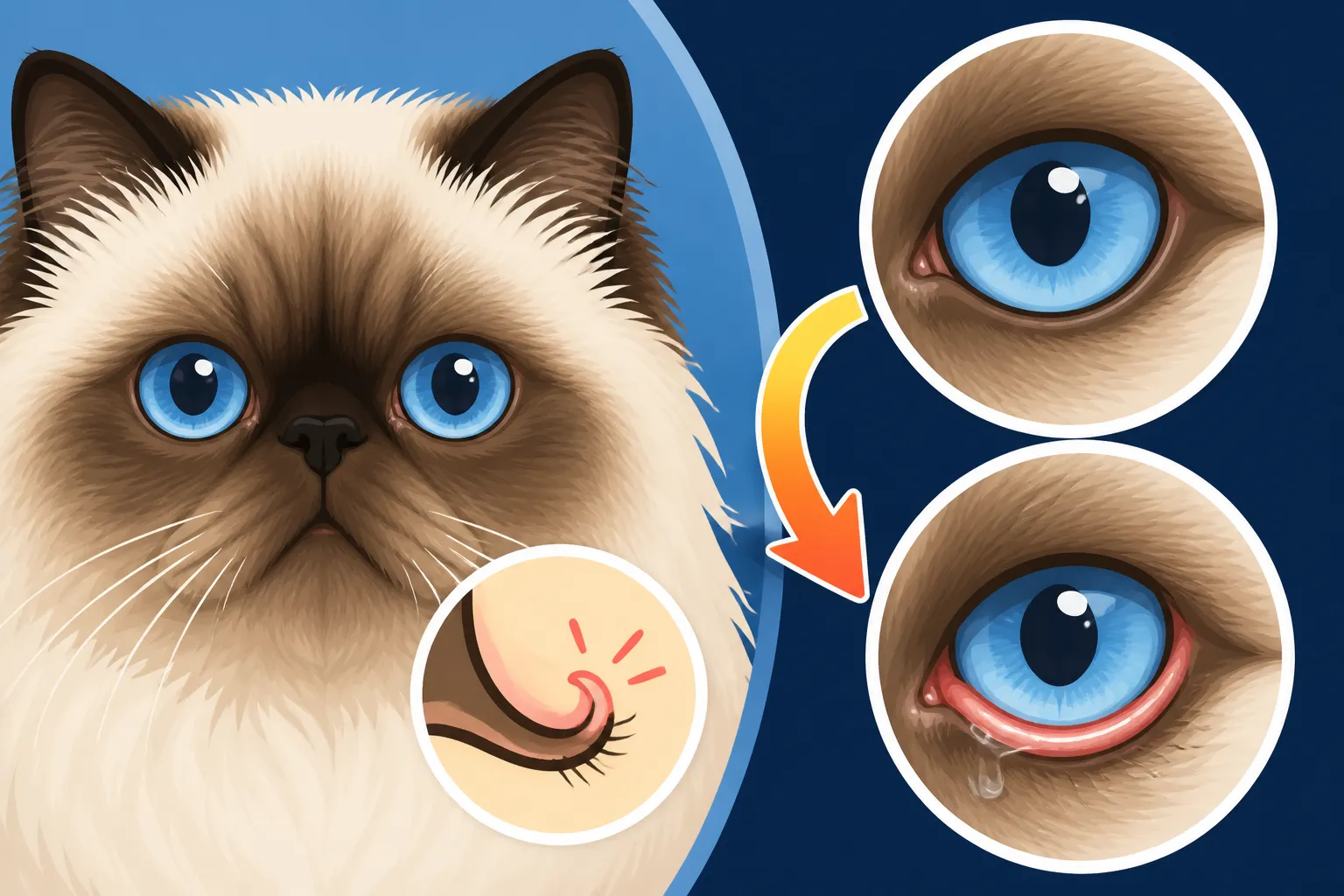
At its core, entropion is a genetic condition where a portion of the eyelid, usually the lower one, rolls inward towards the eye. Imagine having an eyelash constantly poking your eyeball – that's essentially what your cat is experiencing, but on a much larger scale. The fur and skin on the inward-rolled lid rub against the delicate surface of the cornea (the clear outer layer of the eye) and the conjunctiva (the membrane lining the eyelids and covering the whites of the eyes). This constant friction causes irritation, discomfort, and can lead to a host of secondary problems if left unaddressed. It’s a bit of a vicious cycle because the pain often causes the cat to squint, which then exacerbates the inward rolling, making the problem even worse. It’s not something they can just 'grow out of' or something that will fix itself.
Why Himalayans Are Especially Prone
Our stunning Himalayans, with their unique facial structures, are unfortunately predisposed to entropion. Their brachycephalic, or "flat-faced," breed standard, which gives them that adorable, pushed-in look, is also the root cause of many health challenges, and entropion is high on that list. The way their skull and facial bones are structured means they often have excess skin folds around their eyes, shallower eye sockets, and eyelids that simply aren't designed to sit perfectly against the eyeball when the face is so compressed.
Think about it: a less pronounced muzzle means less support for the soft tissues around the eyes, making them more likely to sag or roll inward. This is very different from breeds with longer muzzles where the eyelids typically sit flush with the eyeball. It’s a direct consequence of their specific breed traits, a trade-off for that charming, distinctive appearance that we all love. It's not a fault of care; it's a design challenge inherent to their genetics.
The Unique Challenges of Blue Eyes
Himalayans are renowned for their striking, brilliant blue eyes, a trait inherited from their Siamese ancestry, as we discuss in What the Siamese Side Gave a Himalayan Besides Points. While undeniably beautiful, these blue eyes often present an additional layer of challenge when entropion strikes. The blue coloration indicates a lack of pigment in the iris, but it’s often associated with increased light sensitivity. This means the chronic irritation from entropion can feel even more intense for a Himalayan, making them more prone to squinting and seeking out darker areas.
Furthermore, the delicate nature of the cornea in many blue-eyed cats can sometimes mean they are more susceptible to corneal ulcers, which are open sores on the surface of the eye. When an entropion-affected eyelid constantly scrapes against an already sensitive blue eye, the risk of developing these painful ulcers skyrockets. An ulcer, as detailed in What a Corneal Ulcer Looks Like on a Blue Eyed Himalayan, is a serious complication that requires immediate veterinary attention to prevent permanent damage or vision loss. The lack of pigment in blue eyes might also sometimes make subtle inflammatory changes or early signs of damage a little harder to spot against the pale blue, compared to an eye with more pigment.
Recognizing the Signs and Symptoms
It can be difficult to tell if your Himalayan is experiencing eye pain, especially given their generally placid nature. But knowing what to look for can make all the difference.
Subtle Early Indicators
Catching entropion early is paramount to preventing more severe damage and providing your cat with much-needed relief. The early signs can be quite subtle, often manifesting as minor annoyances rather than outright distress. You might notice your Himalayan tearing up more than usual, with moisture collecting in the corners of their eyes or even running down their face. This is often accompanied by what we call epiphora, which is excessive watering of the eyes. This isn't just cosmetic; it's the eye's natural, albeit often insufficient, response to irritation, trying to flush out the offending fur. As we cover in Why a Himalayan's Eyes Water All Day, tearing can also be a sign of other issues, so it’s always worth investigating.
Another early indicator is a subtle squinting or blinking more frequently. Your cat might not close their eye completely, but rather narrow it slightly, especially when exposed to bright light or when they've just woken up. You might also observe them pawing at their face or rubbing their head against furniture more often, trying to alleviate the discomfort. Look closely at the edge of the eyelid; if you can see even a slight turning inward of the lower lid, particularly at the outer corner, it's a red flag. These early signs are often dismissed as allergies or minor irritations, but for a Himalayan, they warrant a closer look.
Visible Damage to the Cornea
As entropion progresses, the constant rubbing of fur and skin against the cornea leads to more visible and serious damage. One of the most common and painful complications is the development of corneal ulcers. These are essentially open wounds on the surface of the eye, caused by the friction eroding the protective layers of the cornea. If you notice a cloudy spot on your cat's eye, a visible divot, or if the eye looks particularly red and inflamed, an ulcer is a strong possibility. These need to be treated immediately, as mentioned in Why a Himalayan's Eye Injury Cannot Wait Until Monday, because they can deepen and lead to infection or even rupture of the eyeball.
Beyond ulcers, chronic irritation can lead to corneal scarring, which appears as a white or opaque patch on the clear surface of the eye. This scarring can impair vision and, in severe cases, cause permanent blindness if it covers the pupil. The blood vessels in the cornea, normally invisible, may also start to grow into the irritated area in an attempt to heal it, a condition known as corneal vascularization. This looks like a network of fine red lines spreading across the clear part of the eye. All of these visible changes indicate that the eye is under significant stress and that the entropion is causing serious, ongoing harm that demands intervention.
Behavioral Clues Your Himalayan Is Uncomfortable
Our cats are masters at hiding pain, a survival instinct that makes it challenging for us to know when something is truly wrong. However, even the most stoic Himalayan will eventually show behavioral changes when experiencing the chronic discomfort of entropion. Beyond the direct eye signs, you might notice a general shift in their demeanor. They may become more withdrawn, less playful, and reluctant to engage in activities they once enjoyed. Playing, for instance, might become less frequent because the discomfort makes them disinclined to exert themselves, especially if it involves looking around quickly.
A cat with entropion might also become unusually sensitive to being touched around the head or face. What was once a pleasant petting session might now be met with a flinch, a hiss, or a quick retreat. They might spend more time sleeping or resting, often with their face tucked away or pressed into a soft surface, subconsciously trying to protect the painful eye. You might also notice a decreased appetite if the pain is severe enough, as general discomfort can impact their desire to eat. Any noticeable change in your Himalayan's usual routine or personality should prompt a careful examination of their eyes and a visit to the vet. They're trying to tell you something with their actions, even if they can't speak.
Diagnosing and Grading Entropion Severity
A proper diagnosis is the first crucial step in getting your Himalayan relief. This isn't a condition you can self-diagnose or treat with over-the-counter remedies.
The Importance of a Thorough Vet Exam
When you suspect entropion, a visit to your veterinarian is non-negotiable. They won't just glance at your cat's eyes; a thorough ophthalmic exam is required, often by a vet with a special interest in ophthalmology, or a board-certified veterinary ophthalmologist if the case is complex. The vet will use specialized tools, like an ophthalmoscope, to get a magnified view of the eye's structures. They'll also typically apply a fluorescein stain to the eye, which is a dye that adheres to any areas of corneal damage, like ulcers. If an ulcer is present, it will glow bright green under a special blue light, making even tiny abrasions visible.
During the exam, the vet will carefully manipulate the eyelids to assess the degree of inward rolling, observing which part of the lid is affected and how much of the fur is making contact with the eyeball. They will also check for other concurrent conditions that might exacerbate the problem, such as conjunctivitis or foreign bodies. Sometimes, sedation might be necessary for a full and comfortable examination, especially if the cat is in significant pain or uncooperative. The goal is to get a complete picture of the eye's health and the extent of the entropion. This initial evaluation forms the basis for all subsequent treatment decisions.
Grading Systems for Entropion
Veterinarians often use a grading system to classify the severity of entropion, which helps in determining the most appropriate treatment plan and predicting the prognosis. While there isn't one universal, standardized grading system used by every vet, they generally assess a few key factors:
| Grade | Description | Symptoms | Treatment Approach |
|---|---|---|---|
| Grade 1 (Mild) | Slight, intermittent inward rolling, often only visible when cat squints or is stressed. | Mild tearing, occasional blinking, subtle discomfort. No corneal damage or minor abrasions. | Non-surgical management, close monitoring. |
| Grade 2 (Moderate) | Consistent inward rolling, usually involving a portion of the eyelid margin. | Moderate tearing, persistent squinting, visible irritation. Minor corneal abrasions or early vascularization. | Often requires surgical correction. |
| Grade 3 (Severe) | Pronounced and constant inward rolling of a significant portion of the eyelid. | Severe pain, heavy tearing, obvious squinting, discharge. Significant corneal ulcers, scarring, or severe vascularization. | Surgical correction is typically urgent. |
| Grade 4 (Complicated) | Severe entropion with secondary complications such as deep corneal ulcers, infection, or vision impairment. | Extreme pain, discharge, potential vision loss. Significant and chronic corneal damage. | Immediate and often complex surgical intervention, extended post-op care. |
This grading helps the vet explain the situation to you and ensures a consistent approach to management. For instance, a Grade 1 entropion might be managed medically for a time, whereas a Grade 3 or 4 would almost certainly require surgical intervention. This systematic evaluation ensures that your Himalayan receives the most targeted and effective care.
Ruling Out Other Eye Conditions
While entropion is a common culprit for eye issues in Himalayans, it's essential for your vet to rule out other conditions that can present with similar symptoms. Sometimes, what looks like entropion might actually be something else, or a combination of problems. For example, some Himalayans can develop trichiasis, where normally growing eyelashes or facial hairs grow in such a way that they rub against the eye, even if the eyelid itself isn't rolled inward. This can cause identical irritation and damage.
Another possibility is distichiasis, an inherited condition where extra eyelashes grow from abnormal locations on the eyelid margin, often from the ducts of the meibomian glands. These extra lashes can also constantly irritate the cornea. Allergic conjunctivitis or bacterial infections, causing redness, discharge, and discomfort, can also mimic some entropion symptoms, as can foreign bodies lodged in the eye. That's why the thorough examination, including staining and careful inspection of the entire eye and eyelid structure, is so critical. A misdiagnosis could lead to ineffective or even harmful treatment, delaying the real solution for your cat. Your vet will ensure they have a complete picture before recommending a course of action.
Treatment Options and Surgical Interventions
Once entropion is diagnosed, the focus shifts to alleviating your cat's pain and preventing further damage. The approach will depend heavily on the severity of the condition.
Non-Surgical Management for Mild Cases
For very mild cases of entropion, especially in young kittens where the facial structure is still developing, non-surgical management might be attempted first. This often involves applying lubricating eye drops or artificial tears multiple times a day to reduce the friction between the fur and the cornea. Anti-inflammatory eye drops may also be prescribed to help calm any irritation or conjunctivitis. Sometimes, the vet might use temporary eyelid tacking sutures. This involves placing a few stitches on the outside of the eyelid to temporarily pull it outwards, away from the eye. These sutures are usually left in for a few weeks and can sometimes encourage the eyelid to heal in a more correct position, particularly in younger cats.
Another approach, sometimes used in kittens or for very temporary relief, is to inject a small amount of hyaluronic acid or a similar filler just under the skin of the eyelid. This temporary plumping effect can push the eyelid outwards, away from the eye. The idea behind these non-surgical methods is to provide relief and, in some cases, see if the condition resolves as the cat grows or if the irritation can be managed without surgery. However, it's important to understand that these are often temporary solutions, especially for adult Himalayans, and usually, surgery is the definitive treatment for persistent or moderate to severe entropion.
Corrective Surgery for Entropion
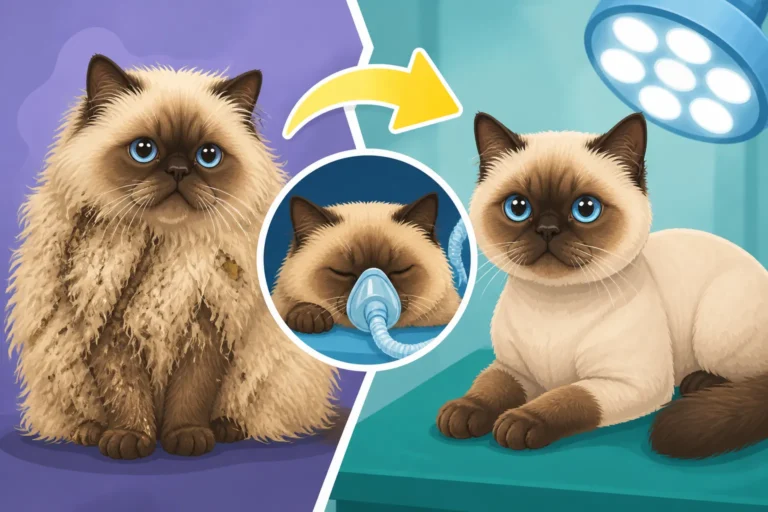
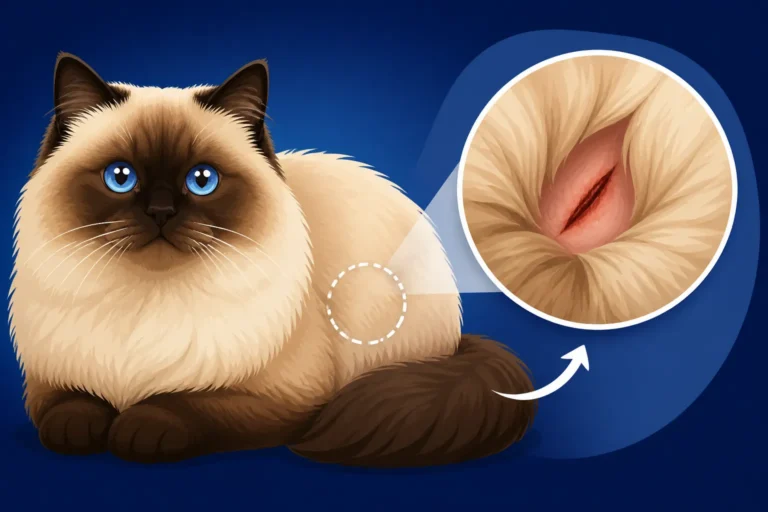
For most adult Himalayans with diagnosed entropion, surgical correction is the most effective and often the only permanent solution. The procedure, known as blepharoplasty or eyelid surgery, involves carefully removing a small, crescent-shaped piece of skin and muscle from the affected eyelid. This effectively tightens the lid and rolls the margin outwards, preventing the fur from rubbing against the eyeball. The amount of tissue removed is critical and requires a skilled hand, as removing too much can lead to ectropion (the eyelid rolling outwards), while removing too little won't solve the problem.
This surgery is performed under general anesthesia, which is always a consideration for brachycephalic breeds like Himalayans, as they can be a bit more challenging to anesthetize due to their compromised airways. As we discuss in Why a Himalayan Is a Harder Anesthetic Than a Siamese, special precautions are taken, and recovery is closely monitored. In some cases, a second, minor surgery might be needed if the initial correction isn't quite perfect, or if the entropion recurs or worsens in another part of the lid. The goal is to achieve a functional eyelid that no longer causes irritation, ensuring the cat's comfort and long-term eye health. It’s a specialized procedure that often yields excellent results when performed by an experienced veterinary surgeon.
Post-Operative Care and Recovery
After entropion surgery, your Himalayan will need diligent post-operative care to ensure proper healing and prevent complications. They will likely go home with an Elizabethan collar (the dreaded "cone of shame") to prevent them from pawing at their incision site, which could pull out stitches or introduce infection. This cone will need to stay on for the full healing period, usually 10-14 days. You’ll also be given eye drops or ointments to administer, which may include antibiotics to prevent infection and anti-inflammatories to reduce swelling. Administering eye drops can be a challenge even in the calmest cat, but it's vital for recovery.
Keeping your cat calm and restricting their activity is also important. No vigorous play, jumping, or roughhousing during the recovery period. You’ll need to monitor the incision site daily for any signs of redness, swelling, discharge, or any stitches coming undone. Follow-up appointments with your vet will be scheduled to check on the healing process and eventually remove the sutures. Recovery can take a few weeks, and it's essential to be patient and follow all veterinary instructions to the letter. A successful surgery means a happier, more comfortable cat, free from chronic eye pain.
Living with and Preventing Recurrence
Managing entropion isn't just about the immediate fix; it's about a long-term commitment to your Himalayan's eye health.
Long-Term Management and Monitoring
Even after successful surgical correction, long-term management and vigilant monitoring are crucial for a Himalayan cat. While surgery is often curative, there's always a slight chance of recurrence, especially if the underlying facial structure predisposes them. Regular eye check-ups, as recommended by your vet, are essential to catch any early signs of irritation or a potential return of the inward-rolling lid. These check-ups might involve your vet teaching you how to properly assess your cat's eyes at home.
You'll also need to maintain a routine of daily facial hygiene. Because Himalayans are prone to tear staining, as seen in How Tear Staining Marks a Himalayan's Pale Body Coat, keeping the area around their eyes clean with appropriate wipes or damp cotton pads is vital. This prevents the buildup of moisture and bacteria that could exacerbate any minor irritation or lead to secondary skin issues. While the entropion itself should be resolved, their facial structure still makes them prone to other issues like collecting debris in the corners of their eyes. Being proactive about cleanliness will go a long way in ensuring their ongoing comfort.
The Role of Responsible Breeding
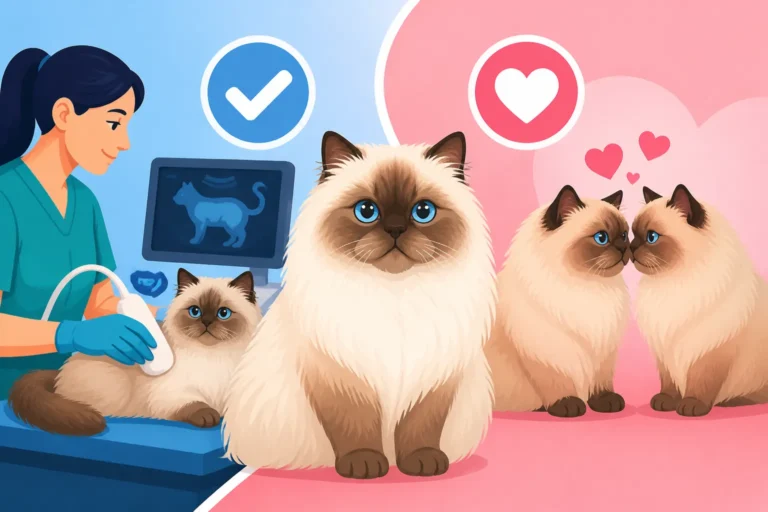
For any prospective Himalayan owner, understanding the genetic component of entropion cannot be overstated. This condition is often inherited, meaning responsible breeding practices are key to reducing its prevalence. Ethical breeders will screen their breeding cats for entropion and ideally avoid breeding any cat with moderate to severe entropion, especially if it required surgical correction. They should be transparent about the health history of their breeding lines and be able to provide documentation.
When looking for a kitten, ask the breeder about the incidence of entropion in their lines. Request to see the parents and observe their eye conformation. A breeder who prioritizes health will be eager to discuss these issues and show you how they work to minimize such problems. Choosing a kitten from parents with excellent eye health is one of the best ways to help prevent these issues from arising in future generations. This doesn't guarantee your kitten will never develop entropion, but it significantly reduces the risk.
Financial Considerations and Insurance
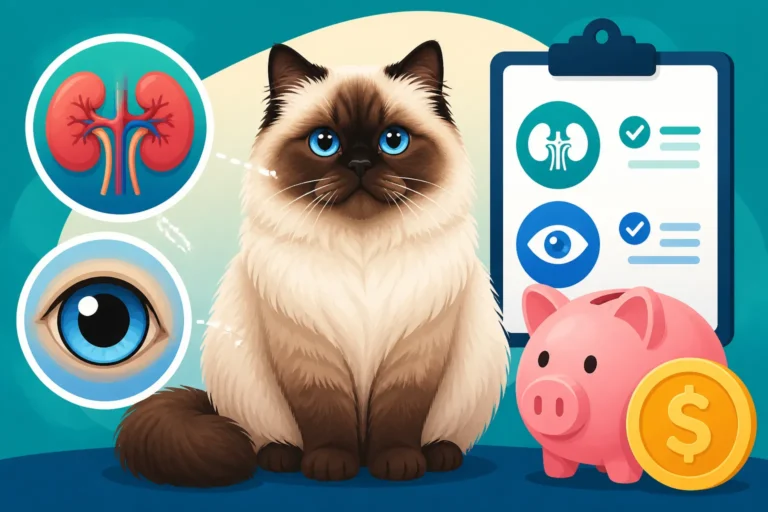
Let's be realistic – veterinary care, especially specialized surgery, can be expensive. The cost of entropion surgery can vary significantly depending on your location, the veterinary clinic, the complexity of the case, and whether a specialist ophthalmologist is involved. A single surgical procedure could range from several hundred to well over a thousand dollars, and that doesn't include the initial consultations, diagnostics, post-operative medications, or potential follow-up surgeries. It’s a significant financial commitment.
This is where pet insurance can be an absolute lifesaver. Companies like Healthy Paws offer comprehensive pet insurance plans that can help cover a large percentage of unexpected veterinary costs, including those for conditions like entropion. Having a policy with Healthy Paws in place before any symptoms appear can provide immense peace of mind, knowing that you won't have to make difficult decisions based solely on cost when your beloved cat needs medical attention. While preventative care (like regular grooming and check-ups) isn't usually covered, unforeseen illnesses and accidents, which certainly include entropion and its associated complications, are typically covered, making Healthy Paws a wise investment for any Himalayan owner. Having coverage from Healthy Paws can truly alleviate the stress of affording crucial treatment.
Disclaimer
This article is intended for informational purposes only and does not constitute veterinary advice. Always consult with a qualified veterinarian for any health concerns or before making any decisions regarding your pet's medical care.