How Tear Staining Marks a Himalayan’s Pale Body Coat
One of the most disheartening things for any Himalayan cat parent is watching those beautiful, pristine pale coats become marred by unsightly tear stains. It feels like a constant battle, doesn't it? One minute your sweet kitty looks immaculate, and the next, there's that tell-tale reddish-brown streak under their eyes, making them appear perpetually weepy or even unwell. This guide will dive deep into why these frustrating stains occur, how they uniquely impact the Himalayan's luxurious pale coat, and offer compassionate, actionable advice to manage and minimize them, helping your beloved feline companion look and feel their absolute best.
Understanding the Himalayan's Unique Coat and Tear Production
The Himalayan cat is a masterpiece of feline genetics, a blend of the regal Persian and the striking Siamese. But with their stunning looks come a few physiological quirks that can lead to tear staining issues. It's not just about aesthetics; understanding the underlying reasons helps us tackle the problem effectively.
The Genetics Behind Pale Coats and Pointed Coloration
Himalayans possess a unique gene, often referred to as the "Himalayan gene" or temperature-sensitive albinism, which dictates their stunning colorpoint pattern. This gene affects melanin production, meaning pigment only develops in cooler parts of the body. That's why their points – ears, face mask, paws, and tail – are darker, while their main body remains a striking, often creamy white or pale fawn. This stark contrast is part of their charm, but it also means any discoloration on the body coat becomes incredibly apparent.
Imagine trying to keep a pure white carpet spotless in a high-traffic area. That's a bit like what you're up against with a Himalayan's body coat. The genetics that keep their body pale also make any staining stand out dramatically. The natural, daily accumulation of tears, even normal ones, can quickly wick into these light hairs, creating visible marks that detract from their exquisite presentation. We adore their pale bodies, but it does mean we have to be extra vigilant. You might find it helpful to explore Why a Himalayan's Body Coat Should Stay Light for more context on this beautiful genetic trait.
The Brachycephalic Face and Tear Duct Anatomy
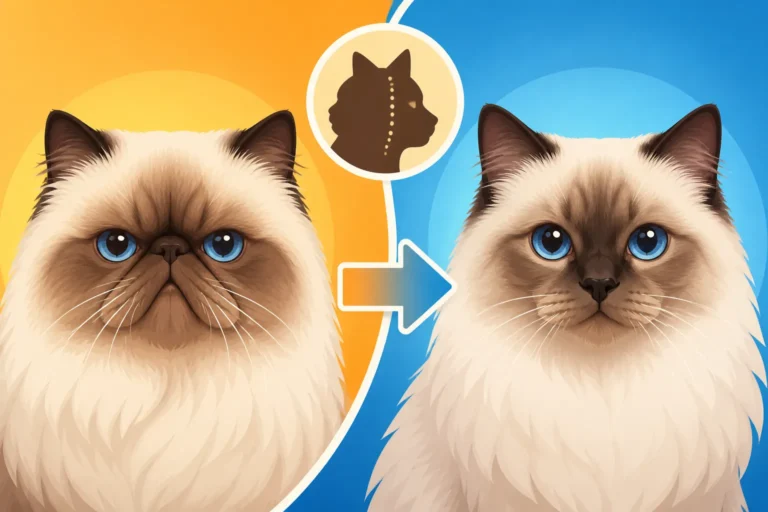
Perhaps the most significant contributor to tear staining in Himalayans is their brachycephalic, or "flattened," facial structure, inherited primarily from their Persian lineage. While some Himalayans have a less extreme "doll face," many exhibit the more pronounced "peke face" with a very short nose and prominent eyes. This adorable, innocent look unfortunately comes with anatomical challenges. Their tear ducts, also known as nasolacrimal ducts, are often kinked, narrowed, or even blocked due to the compacted facial bones.
This anatomical quirk means tears don't drain efficiently into the nasal cavity as they would in a cat with a longer muzzle. Instead, tears tend to overflow onto the face, creating a constant dampness in the fur below the eyes. It's not necessarily a sign of pain or distress in every case; sometimes it's just how their unique anatomy works. However, it's incredibly frustrating for owners to constantly wipe away the wetness, knowing it's a precursor to staining. This constant overflow is precisely Why a Himalayan's Eyes Water All Day, and it’s something every owner must learn to manage.
Normal vs. Excessive Tearing
It's important to distinguish between the routine, anatomical overflow common in Himalayans and truly excessive tearing that might indicate a medical issue. For many Himalayans, a small amount of dampness under the eyes is just "normal" for their breed, a consequence of their facial structure. This is often called epiphora, and while it's a nuisance, it's not always an emergency.
However, if you notice a sudden increase in tear volume, a change in consistency (thicker, more mucus-like), or if the eyes themselves appear red, swollen, or painful, then it's time for a veterinary check-up. This could point to an infection, an allergy, or an irritant. Understanding the baseline for your individual cat is key. Keep an eye out for any deviation from their usual amount of dampness, as this can be the first clue that something more serious is at play, requiring prompt attention from your vet.
Why Tear Stains Are So Visible and Stubborn on Pale Fur
The challenge isn't just that Himalayans tear; it's how those tears interact with their specific coat type and biology, leading to those dark, persistent marks. It's a combination of factors that makes these stains particularly tricky to conquer.
The Role of Porphyrins and Bacteria in Reddish Stains
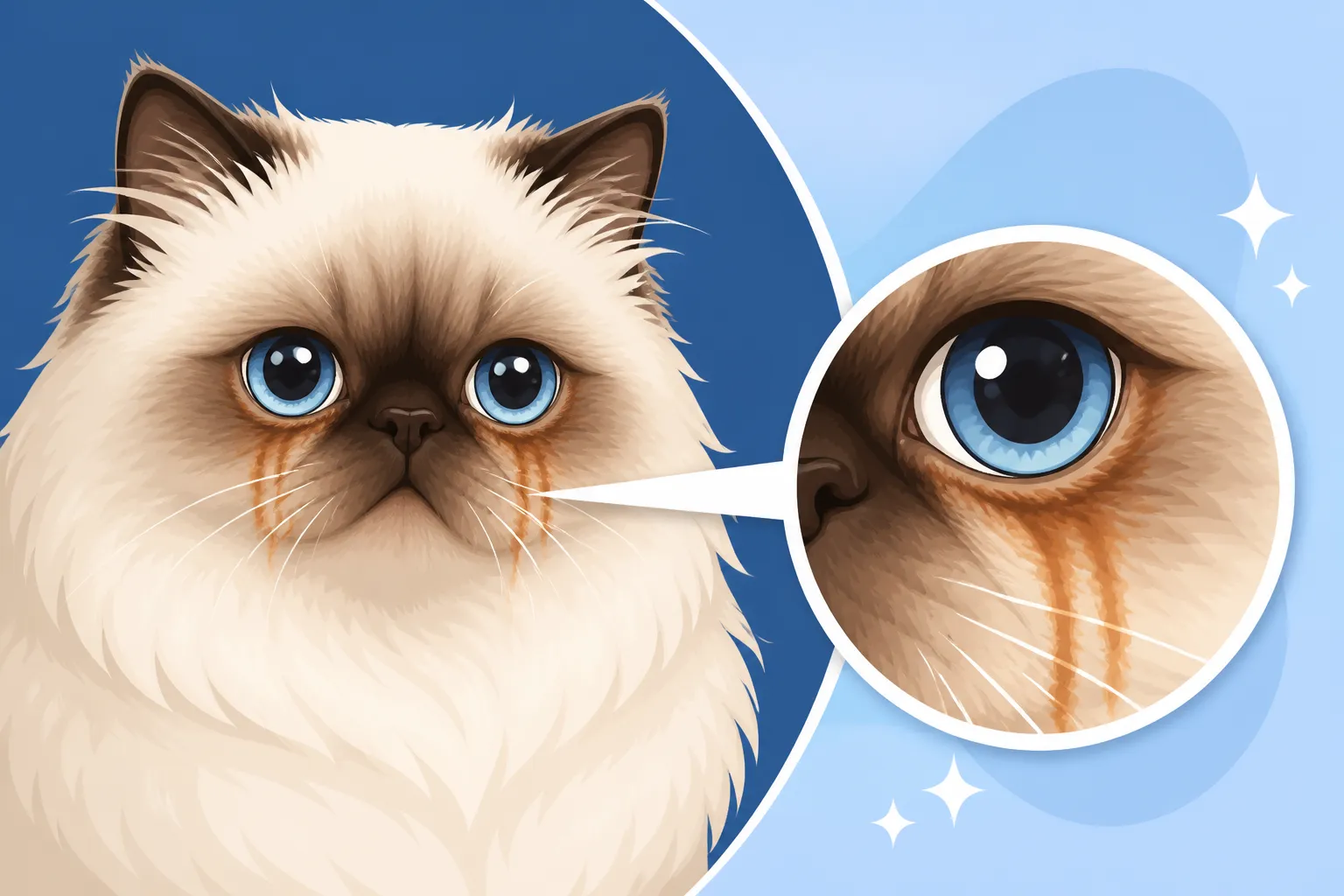
Those infamous reddish-brown streaks aren't just water marks. The primary culprit behind the discoloration is often a group of iron-containing molecules called porphyrins. These are naturally excreted in tears, saliva, and urine. When these porphyrins are exposed to sunlight and air, they oxidize, turning that distinctive reddish-brown color. It’s the same process that makes rust, and it’s why your cat’s tears create that stubborn reddish tint.
Beyond porphyrins, the constantly damp environment under a Himalayan's eyes becomes an ideal breeding ground for bacteria and yeast, particularly Malassezia. These microorganisms thrive in warm, moist conditions, and their presence can exacerbate the staining, turning it a darker, almost blackish-brown hue and sometimes even causing an unpleasant odor. It’s a vicious cycle: tears create moisture, moisture encourages microbial growth, and both contribute to the discoloration that clings to the delicate fur. Knowing What Turns a Himalayan's Tear Stains Rust Colored is the first step in understanding how to combat them.
The Texture and Density of the Himalayan Coat
The Himalayan boasts a magnificent, long, dense double coat inherited from its Persian ancestors. This luxurious fur, especially around the face and ruff, is incredibly fine and absorbent. This characteristic, while beautiful, is a double-edged sword when it comes to tear staining. The overflowing tears, rich in porphyrins and potentially teeming with bacteria, are quickly wicked up into these delicate hair shafts like tiny capillary tubes.
Once absorbed, the stains become embedded deep within the individual strands of fur, making them incredibly difficult to remove with just a simple wipe. The density of the coat also means that the moist area stays damp for longer, further encouraging bacterial and yeast growth. This makes Himalayans particularly susceptible to visible staining compared to, say, a short-haired domestic cat whose tears might simply evaporate or be less easily absorbed. This is precisely Why Tear Stains Are Worse on a Cream Bodied Himalayan, as the pale base coat provides maximum contrast.
Impact on Coat Health and Skin Irritation
Beyond the aesthetic concerns, persistent dampness from tear staining can lead to more serious health issues for your Himalayan. The constant moisture creates a perfect breeding ground for bacteria and yeast not just on the fur, but on the delicate skin underneath. This can result in a condition known as fold dermatitis, where the skin becomes inflamed, red, itchy, and sometimes even infected. You might notice your cat scratching at their face, or the skin appearing raw and irritated.
This skin irritation can be incredibly uncomfortable for your cat and can also contribute to a foul odor if left unchecked. Furthermore, the damp, stained fur can become matted, especially in the fine hair around the eyes and nose. Mats are painful and can pull on the skin, and severe matting often requires professional grooming or even veterinary sedation to safely remove. This is How Fold Dermatitis Starts Beside a Himalayan's Nose and how those seemingly innocent tear stains can escalate into a painful skin problem.
Daily Management and Cleaning Routines
Given the unique challenges of the Himalayan's face and coat, proactive daily management is your best friend in the battle against tear stains. Consistency is absolutely vital here; skipping a day can set you back significantly.
Gentle Cleaning Techniques
The cornerstone of tear stain management is daily, gentle cleaning. This isn't just about appearance; it's about preventing irritation and bacterial buildup. Start by carefully wiping the area under your cat's eyes with a soft, clean cotton pad or cloth dampened with warm water. For a little extra oomph, a sterile saline solution (like the kind used for contact lenses) can be very effective and is safe for eyes. Many owners also swear by specific vet-approved pet wipes designed for tear stains, which often contain gentle cleansers or natural astringents.
There are also specialized solutions on the market, such as those from brands like Eye Envy or Angels' Eyes (though always read ingredients carefully, as some products can contain controversial additives like antibiotics, which should ideally only be used under veterinary guidance). The key is to be gentle, ensuring you don't rub too hard or get any product directly into their beautiful blue eyes. A calm approach and positive reinforcement, like a favorite treat, can make this a much more pleasant experience for both of you. Choosing Which Wipes Are Safe Around a Himalayan's Blue Eyes is crucial to avoid further irritation.
Keeping the Area Dry and Preventing Recurrence
After cleaning, thorough drying is just as important, if not more so. Leaving the area damp creates the perfect breeding ground for those aforementioned bacteria and yeast, essentially undoing all your hard work. Use a fresh, dry cotton pad or a soft cloth to gently blot the area completely dry. Some owners find success with a tiny dusting of cornstarch or a specialized drying powder designed for pets. These powders can help absorb residual moisture and create a barrier, but they must be applied very sparingly and carefully to avoid getting them into the eyes, which can cause irritation.
Beyond the daily clean, consider environmental factors. Dust, pollen, and other allergens can increase tear production in sensitive cats. Keeping your home clean, using air purifiers, and regularly washing your cat's bedding can help. Also, consider having a professional groomer carefully trim the fur around your Himalayan's eyes. Shorter hair in this area means less surface for tears to wick into, and it also makes cleaning much easier. Remember, every little bit helps in preventing those stubborn stains from taking hold.
Dietary Considerations and Water Quality
While the primary causes of tear staining are anatomical and biological, some owners find that certain dietary adjustments can help reduce the severity of stains. The theory is that some ingredients or additives in food might increase the body's production of porphyrins, or simply lead to a more inflammatory response that affects tear quality. Some suggest avoiding artificial colors, fillers, or certain proteins, though scientific evidence is anecdotal. It might be worth discussing with your vet if a change to a high-quality, limited-ingredient diet could be beneficial for your cat.
Another often-overlooked factor is water quality. Tap water, especially in areas with high mineral content, can contribute to staining. The minerals in the water, particularly iron, can react with porphyrins and exacerbate the reddish discoloration. Switching to filtered or distilled water for your Himalayan to drink can sometimes make a noticeable difference over time. Ensure their water bowl is also cleaned daily and consider using stainless steel or ceramic bowls, as plastic bowls can harbor bacteria and scratch, further contributing to bacterial growth that can transfer to your cat's face. For more insights on this, read up on Which Foods Darken a Himalayan's Tear Tracks.
When to Seek Veterinary Intervention
While daily maintenance is crucial, it's equally important to know when a tear staining issue has moved beyond cosmetic concern and requires professional veterinary attention. Excessive or unusual tearing can be a symptom of underlying health problems that need to be addressed promptly.
Identifying Medical Causes for Excessive Tearing
If your diligent daily cleaning isn't making a dent, or if the tearing suddenly worsens, becomes discolored, or is accompanied by other symptoms, it's time to see your vet. There are several medical conditions that can cause excessive tearing in Himalayans:
- Infections: Bacterial, viral, or fungal infections of the eye itself or the surrounding tissues can lead to increased tear production and discharge.
- Allergies: Just like humans, cats can suffer from environmental allergies (pollen, dust mites) or food allergies, which manifest as itchy, watery eyes.
- Corneal Ulcers/Irritations: Scratches or foreign bodies on the cornea can be incredibly painful and lead to excessive tearing as the eye tries to flush out the irritant. Even mild trauma from a stray hair can cause this. A quick check for What a Corneal Ulcer Looks Like on a Blue Eyed Himalayan can prepare you for what to look for.
- Entropion: This is a genetic condition where the eyelid rolls inward, causing the eyelashes to rub against the cornea. This constant irritation leads to chronic tearing and can cause painful ulcers. What Entropion Does to a Himalayan's Blue Eye highlights the severity of this issue.
- Blocked Tear Ducts: While many Himalayans have congenitally narrowed ducts, a blockage can also occur due to inflammation, debris, or infection, completely preventing tears from draining properly.
These conditions aren't just about staining; they can cause significant discomfort and potentially lead to vision problems if left untreated.
Diagnostic Procedures and Treatments
When you bring your Himalayan to the vet for excessive tearing, they'll likely perform a thorough eye exam. This might include several diagnostic tests:
- Fluorescein Stain Test: A special dye is applied to the eye to detect corneal abrasions or ulcers.
- Schirmer Tear Test: This measures tear production to see if the eye is producing too much or too little.
- Tear Duct Flush: The vet might attempt to flush the nasolacrimal ducts to check for patency and clear any blockages. This can sometimes be done under light sedation.
- Cytology/Culture: Samples of the discharge might be taken to identify bacterial or fungal infections.
Treatment will depend on the diagnosis. It could range from antibiotic eye drops for infections, anti-inflammatory medications for allergies or irritation, or even surgical correction for conditions like entropion or persistent tear duct blockages. These interventions are crucial for your cat's comfort and long-term eye health. This is where a good pet insurance policy like those offered by Healthy Paws can truly be a lifesaver, helping to cover the costs of these essential diagnostic tests and treatments without breaking the bank. Facing unexpected vet bills for eye issues can be daunting, and having a reliable plan in place ensures your furry friend gets the best care.
Proactive Care and Long-Term Strategies
Beyond addressing acute issues, proactive veterinary care is essential for Himalayans, especially when it comes to managing their brachycephalic challenges. Regular check-ups allow your vet to monitor your cat's eye health and facial anatomy over time, catching potential problems before they become severe. Don't hesitate to bring up any concerns, even if they seem minor. Early intervention can prevent a small issue from escalating into a complex, painful problem.
Discussing breed-specific predispositions with your vet, such as entropion or tear duct anomalies, is always a good idea. They can offer tailored advice and recommend preventative measures. For cats with chronic issues, a long-term management plan might involve specific daily cleaning solutions, regular eye lubricants, or even dietary supplements. Investing in a comprehensive pet insurance plan, such as those from Healthy Paws, can offer peace of mind, knowing that you're prepared for unexpected veterinary costs related to these issues. Healthy Paws understands the unique health profiles of different breeds, making them a sensible choice for Himalayan owners who want to ensure their cat’s well-being for years to come.
Living with the Aesthetic Challenge of Tear Stains
Let's be honest, the tear stains are not just a health concern; they're an aesthetic one. We want our Himalayans to look as magnificent as they are, and those reddish streaks can feel like a constant battle against their inherent beauty.
Managing Expectations and Embracing Imperfections
As Himalayan owners, we sometimes need to adjust our expectations. For many of these cats, especially those with more pronounced brachycephalic features, complete eradication of tear staining might be an unattainable goal. The anatomical realities mean some degree of dampness and potential for discoloration will likely always be present. The focus, then, shifts from achieving absolute perfection to managing the condition effectively for your cat's health and comfort, and minimizing the visual impact as much as possible.
It's about embracing their unique qualities, including their flattened faces, and understanding that a little staining doesn't diminish their adorable personality or their capacity for love. While we strive to keep them clean, sometimes the goal is to keep the area healthy and free from irritation, even if a faint stain persists. Connect with other Himalayan owners; you'll find a community that understands these frustrations and shares tips, fostering a sense of solidarity that helps normalize the challenge. Remember, your cat doesn't care about the stain; they care about your love and attention.
Grooming Tips for a Pristine Appearance
Beyond daily wiping, regular grooming plays a huge role in maintaining your Himalayan's pristine appearance and combating tear stains. Professional groomers specializing in long-haired cats can be invaluable. They can perform targeted trims around the eyes, safely shortening the hair that wicks up the tears. This makes your daily cleaning routine much easier and more effective. A regular professional trim, perhaps every 4-6 weeks, can make a world of difference.
For home grooming, in addition to the daily face wipe, consider a fine-toothed comb to gently clear away any debris or crust that might accumulate in the fur around the eyes. This prevents matting and helps keep the area tidy. Consistency is the most important tool in your grooming arsenal. Just as you comb their glorious body coat daily to prevent mats, making their face part of your routine from a young age will make it a lifelong, accepted habit. You'll find that What an Hour a Week of Himalayan Combing Saves in Vet Bills applies just as much to preventing facial matting and irritation as it does to their body coat.
The Connection to Overall Himalayan Health
It’s crucial to remember that tear staining isn't just a surface issue. It's often a visible manifestation of the Himalayan's unique physiology. Think of it as a smoke detector for their overall health – it alerts you to the fact that something needs attention, even if it's just routine maintenance. A sudden change in tear staining could indicate an underlying medical problem, so staying vigilant is key.
Proper management of tear stains, including addressing any medical causes, is an integral part of responsible Himalayan ownership. It contributes not only to their comfort and hygiene but also to their long-term well-being. By staying on top of their face care, you're preventing potential skin infections, eye irritations, and ensuring they can see clearly without obstruction from matted, damp fur. Ultimately, this dedication to their unique needs helps ensure your furry companion enjoys a full, healthy, and happy life, making the most of The Nine to Fifteen Years a Himalayan Usually Gets. Your commitment to their care, from their magnificent coat to their delicate eyes, truly makes all the difference.
| Method/Product | Pros | Cons |
|---|---|---|
| Warm Water & Cotton Pad | Gentle, readily available, inexpensive, good for daily debris removal | Less effective on severe, set-in porphyrin stains or deep discoloration |
| Sterile Saline Solution | Mimics natural tears, highly gentle, good for flushing irritants | Limited effectiveness on heavy staining, doesn't address underlying causes |
| Vet-Approved Wipes/Solutions | Formulated for pet safety, often contain mild antiseptics/cleansers | Can be costly, require consistent use, not all are equally effective |
| Commercial Tear Stain Removers | Designed specifically for discoloration, some contain oxidizers | Some brands contain antibiotics (use with vet approval only); can irritate sensitive skin |
| Drying Powders (Cornstarch) | Helps keep area dry after cleaning, absorbs moisture, creates barrier | Can cake up if wet, must be applied carefully to avoid eye irritation, not for active infection |
| Filtered/Distilled Water | Reduces mineral content in drinking water, potentially reduces new stains | No direct impact on existing stains, a preventative measure, requires consistent use |
| Regular Professional Trims | Safely shortens fur around eyes, reduces wicking, easier home cleaning | Requires finding a qualified groomer, recurring cost, temporary solution |
Disclaimer
Please remember that the information provided in this guide is for general informational purposes only and is not a substitute for professional veterinary advice. Always consult with a qualified veterinarian regarding any health concerns or before making any decisions about your pet's medical care or treatment.