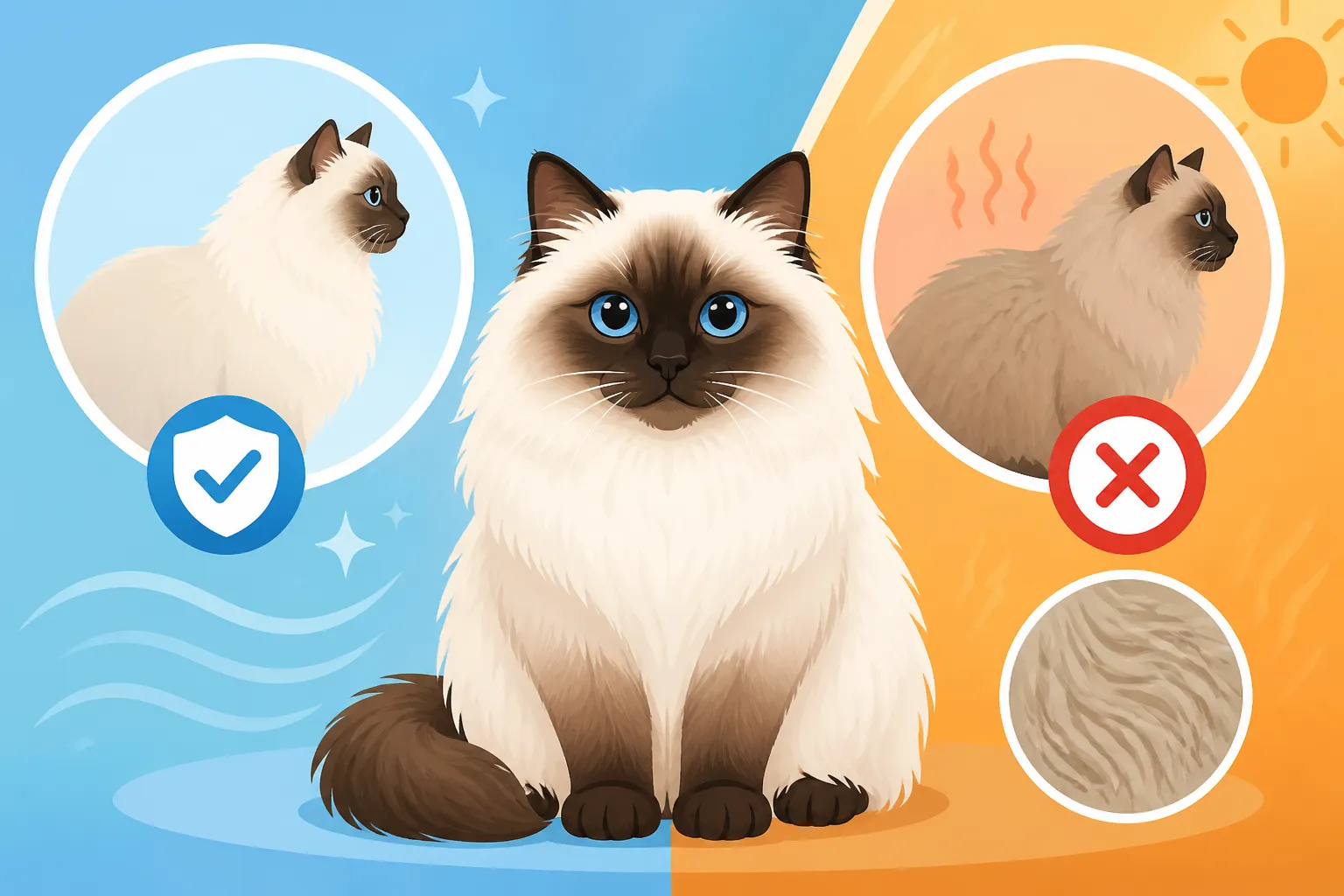
Why a Himalayan’s Body Coat Should Stay Light
Oh, the magnificent Himalayan! There's nothing quite like that striking contrast – the deep, rich points against a beautifully pale body. But if you've ever owned a Himmy, you know that keeping that body coat light and bright can feel like a quest, especially as they get older or if certain factors come into play. It's frustrating when that pristine cream body starts to get a bit… dingy, or just generally darker than you'd expect. This guide is all about diving deep into why a Himalayan's body coat should ideally stay light, what causes it to darken, and what you can do to help preserve that stunning signature look.
The Science Behind the Himalayan's Signature Color Pattern
Before we talk about keeping the body coat light, it's crucial to understand why Himalayans look the way they do in the first place. It's all down to a fascinating bit of genetics and a quirky enzyme that's incredibly sensitive to temperature. This isn't just a random cosmetic thing; it's the very definition of their breed.
The Himalayan cat possesses what's known as the "colorpoint gene." This gene carries a mutation that affects tyrosinase, an enzyme crucial for melanin production – that's the pigment that gives hair its color. In most cats, this enzyme works perfectly well across the entire body, leading to a uniform coat color. But for our Himmy friends, this mutated enzyme is temperature-sensitive. It only functions properly, and thus produces pigment, in cooler parts of the cat's body.
Think about it: a cat's extremities – its ears, nose, paws, and tail – are naturally a few degrees cooler than its core body temperature. That's why these areas develop the distinctive dark "points." Conversely, the warmer parts of the body, like the torso, belly, and upper legs, inhibit the enzyme's activity. The result? These areas remain a beautiful, pale cream, ivory, or fawn, creating that gorgeous contrast that makes a Himalayan so recognizable. It's Why the Cold Parts of a Himalayan Grow Dark Fur and Why the Warmest Parts of a Himalayan Stay Palest are such fundamental truths for the breed. This genetic quirk means every Himalayan kitten is born almost entirely white, as the womb environment is uniformly warm, preventing pigment from developing until they are exposed to the cooler outside world.
Why a Light Body Coat Is So Important
For anyone who loves Himalayans, whether you show them or just adore having one as part of your family, the light body coat is more than just a preference; it's a cornerstone of the breed's identity and aesthetic. The entire allure of a Himalayan hinges on that stark contrast between the pale body and the richly colored points. When that contrast diminishes, a bit of the Himalayan magic fades, too.
From a breed standard perspective, especially in registries like CFA where Himalayans are a division of the Persian breed (often called Colorpoint Persians), a clear, well-defined contrast is highly prized. Judges look for a body coat that is as light and clear as possible, without any shading or barring, to truly highlight the beauty and depth of the points. A body coat that darkens or develops a "muddy" appearance can detract significantly from the cat's overall impression in the show ring, and it's certainly a key factor in How Judges Score a Himalayan's Point Contrast. They want to see those seal, blue, chocolate, or flame points pop! It's the hallmark that distinguishes them from a solid-colored Persian, even if they share the same plush coat type and cobby body.
Beyond the show ring, this light body coat enhances the cat's striking blue eyes, which are another essential feature of the breed, a direct result of the same genetic mutation that causes the point coloration. A pale canvas around those mesmerizing sapphire eyes just makes them sparkle even more. It’s the visual harmony that breeders have worked for generations to achieve and maintain.
Factors That Can Darken a Himalayan's Body Coat
Now, for the nitty-gritty: why does that lovely light body coat sometimes decide to go rogue and darken? There are several culprits, and understanding them is the first step toward managing the issue.
Environmental Influences: Temperature and Sunlight
The biggest player in your Himalayan's coat color is, without a doubt, temperature. Remember that temperature-sensitive enzyme? It doesn't just stop working completely in warm areas; its activity is merely reduced. If your Himalayan lives in a consistently cool environment, that enzyme gets a little more active all over, leading to a darker body coat. This isn't just about freezing temperatures; even a house kept at a comfortably cool 68-70°F (20-21°C) can cause a gradual darkening compared to a warmer home. It’s a delicate balance, and Why a Himalayan in a Cold House Darkens All Over is a real phenomenon.
Sunlight can also play a role, though often indirectly. While direct sun exposure might seem to lighten fur, the warmth from the sun can actually increase the overall body temperature, reducing pigment production. However, some believe that prolonged sun exposure can, over time, oxidize the fur proteins, leading to a subtle yellowing or darkening, especially on pale coats. It's a bit of a mixed bag, but generally, a cat kept in a moderate, consistent indoor temperature away from extreme drafts or prolonged direct sun will maintain better color contrast.
Age and Health Considerations: The Natural Deepening of Color
One of the most common reasons for a Himalayan's body coat to darken is simply age. As our beloved Himmy companions mature, their points naturally deepen and spread, and their body coat often develops a subtle, overall darker hue. It’s a natural part of their aging process, and you’ll often notice Why an Old Himalayan Looks Almost Solid Colored as they move into their senior years. This isn't a sign of poor health (though health can influence it, as we'll discuss), but rather the slow, steady march of that pigment-producing enzyme getting a bit more efficient over time, even in warmer areas. It’s akin to how humans might get more freckles or age spots; it’s just part of the journey.
Another common scenario where you'll see a darkened patch is after a medical procedure. If your Himalayan undergoes surgery and a patch of fur is shaved, the new fur that grows back in that area will often be significantly darker than the surrounding coat. Why? Because the shaved area, lacking its insulating fur, will be cooler. This temporary drop in local temperature allows the pigment enzyme to activate more strongly, resulting in a dark patch. Over time, as the fur regrows and insulation returns, the color should lighten back to match the body, but it can take months. This phenomenon is why Why a Shaved Patch Grows Back Dark on a Himalayan is a well-known observation among Himmy owners.
Even certain medications, diet changes, or underlying health issues can sometimes subtly influence coat quality and color, though these are less direct and dramatic than temperature or age. A dull or off-color coat can sometimes be a general indicator of a cat not feeling its best, or not receiving optimal nutrition. A diet rich in high-quality protein and omega fatty acids can certainly contribute to a healthy, vibrant coat, which in turn helps maintain its intended color.
Maintaining That Pristine, Light Body Coat
While some darkening is inevitable with age, there's plenty you can do to help your Himalayan maintain its light body coat for as long as possible and ensure overall coat health.
Environmental Management: Keeping Things Consistent
The most significant step you can take is to maintain a consistent, comfortable indoor temperature. Avoid extremes of cold. If your home tends to be chilly in winter, make sure your Himmy has plenty of warm, cozy spots to curl up, but don't let the ambient temperature of the house drop excessively. Providing soft blankets and elevated beds can help them stay warm without necessarily raising the thermostat to tropical levels. Remember, these are indoor cats, not arctic explorers.
Consider where your cat naps. If they always choose a drafty spot by a window or on a cold tile floor, encourage them to use warmer resting places. A heating pad designed for pets can be a wonderful luxury for an older cat, or simply one who enjoys extra warmth, potentially helping their body coat stay lighter by keeping their core warmer.
Grooming and Hygiene: Beyond Just Combing
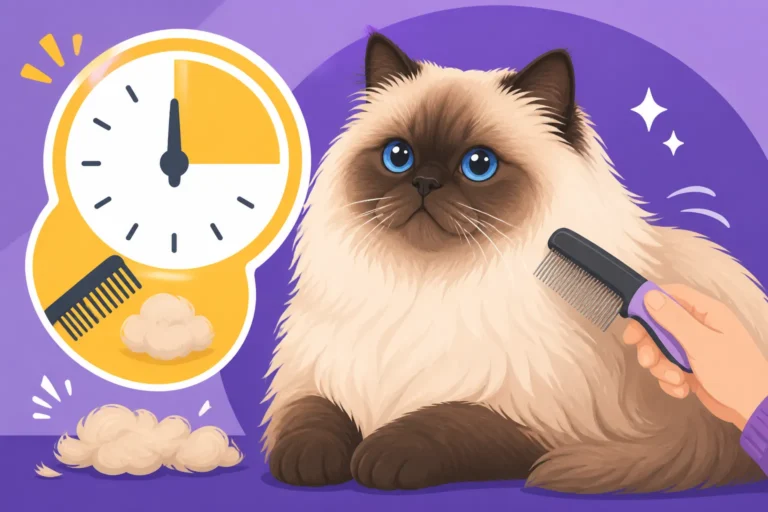
Regular, meticulous grooming is paramount for all Himalayans, and it contributes indirectly to coat color maintenance. A clean, healthy coat with minimal matting tends to look brighter and maintain its intended shade better. Mats, especially in hidden areas like armpits or britches, can trap moisture and dirt, potentially leading to discoloration or even skin issues underneath. The Daily Comb a Himalayan Cannot Skip is not just about tangles; it’s about overall coat vitality.
While bathing a Himalayan isn't an everyday affair, occasional baths with a specialized shampoo for white or light-colored coats can help remove environmental grime and prevent yellowing. Always use a shampoo specifically formulated for cats, and ensure it’s thoroughly rinsed out to avoid residue that can dull the coat or attract dirt. Drying a Himalayan completely after a bath is crucial, and can take time – sometimes hours – to ensure the thick undercoat is dry and doesn't develop mats or skin problems. For regular upkeep, using a damp cloth (or a pet-safe wipe you can find on Amazon) to gently clean areas prone to staining, such as the paws or around the mouth, can also help keep the pale fur pristine.
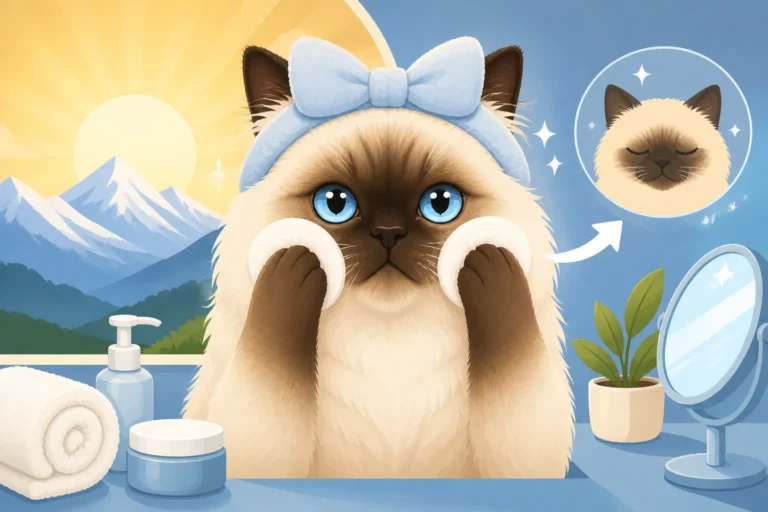
Finally, managing tear stains is a big one, especially for flat-faced Himalayans. Consistent wiping of the face, usually daily, helps prevent tear stains from building up and discoloring the fur around the eyes. What Tear Stain Removers Do on a Pale Himalayan is a topic many Himmy owners grapple with, and while some products can help, consistent gentle cleaning is often the best defense against those rust-colored marks that spoil a light body coat.
Table: Factors Influencing Himalayan Body Coat Color
To give you a quick overview, here's a table summarizing the key elements that affect your Himalayan's coat color:
| Factor | Impact on Body Coat Color | Management / Consideration |
|---|---|---|
| Genetics | Colorpoint gene causes temperature-sensitive pigment production. | Inherent, cannot be changed. Leads to lighter body, darker points. |
| Temperature | Consistently cooler environments can lead to darker body coats. | Maintain a consistent, comfortable indoor temperature. Provide warm resting spots. |
| Age | Body coat naturally darkens and points spread with age. | Natural process. Focus on overall health and well-being. |
| Shaved Areas | Fur grows back darker in cooler, shaved spots. | Temporary. Color should return as fur regrows and insulates. |
| Nutrition | Poor diet can lead to dull, unhealthy coat, possibly affecting color. | Feed a high-quality diet. Consider supplements for coat health if recommended by vet. |
| Grooming | Mats and grime can dull, discolor, or yellow the coat. | Daily combing, occasional bathing, regular cleaning of stain-prone areas. |
| Health Issues | Underlying conditions can affect coat quality and color. | Regular vet check-ups. Address any health concerns promptly. |
Beyond Aesthetics: Why a Healthy Coat Matters
While we've talked a lot about aesthetics and breed standards, remember that your Himalayan's coat is also a vital part of their overall health and comfort. A healthy, well-maintained coat, whether light or slightly darker with age, is a sign of a well-cared-for cat. A coat that is matted, greasy, or discolored due to neglect can lead to skin infections, discomfort, and even hide other health problems.
So, while striving for that perfectly pale body coat is understandable for a Himalayan owner, prioritizing their comfort and well-being above all else is key. A slightly darker body coat on an aging cat who is happy, healthy, and loved is far more beautiful than a perfectly contrasted coat on a cat who isn't thriving. Our Himmy companions bring so much joy, and providing them with a comfortable environment and consistent care helps ensure they live their best, most glorious, and yes, ideally light-bodied, lives.
Disclaimer
This article is for general informational purposes only and does not constitute professional advice. Laws, prices and regulations vary by location and change over time. Consult a qualified professional for guidance on your specific situation.