Why the Cold Parts of a Himalayan Grow Dark Fur
As a Himalayan cat parent, you've probably noticed those stunning, distinctively darker areas on your feline friend – the tips of their ears, the end of their tail, their adorable nose, and their paws. It’s a signature look that makes them so captivating, but have you ever stopped to wonder why these specific parts of their body develop that rich, deep color while the rest of their magnificent coat remains a delicate cream or white? It's a question many owners ponder, and this guide is here to unravel the fascinating genetic and environmental science behind your Himalayan's unique coloration.
The Genetic Blueprint Behind the Himalayan's Distinctive Points
The reason your Himalayan boasts those beautiful "points" – the term used for the darker extremities – is all thanks to a truly remarkable genetic trait. It’s not just a random coloring; it’s a direct result of a temperature-sensitive enzyme at play, a fascinating biological process that dictates where and how pigment develops on their body. Understanding this isn't just trivia; it helps us appreciate the unique beauty and delicate balance that makes a Himalayan a Himalayan.
Understanding the Colorpoint Gene
At the heart of your Himalayan's distinctive coat pattern is a specific, recessive gene known as the "Himalayan gene" or "colorpoint gene." This gene is what ties them directly to their Siamese ancestry, even though they carry the luxuriant long hair of their Persian lineage. Essentially, what this gene does is modify the enzyme called tyrosinase, which is absolutely crucial for melanin production – the pigment that gives hair its color. In most cats, this enzyme works efficiently regardless of body temperature, leading to an even coat color. But with our Himalayans, it's a different story entirely.
This special gene produces a mutated form of tyrosinase. This altered enzyme isn't a slacker; it's just a bit… sensitive. It only functions effectively within a very narrow, cooler temperature range. When it's too warm, it essentially shuts down, preventing pigment from forming. When it's cool enough, it kicks into gear, allowing those rich colors to develop. It's a brilliant, natural thermostat for color, making every Himalayan a living, breathing work of art.
How Temperature Activates Pigment Production
Now, let's get into the nitty-gritty of how this temperature sensitivity actually manifests. Imagine your Himalayan's body as a gradient of warmth. The core of their body – their torso, neck, and upper legs – maintains a consistently warm internal temperature, typically around 100-102°F (38-39°C). In these warmer areas, the temperature-sensitive tyrosinase enzyme is largely inactive. It simply can't do its job of producing melanin, which is why your Himalayan's body coat remains that stunning, pale cream, fawn, or white. It's a canvas of untouched potential, waiting for the right conditions.
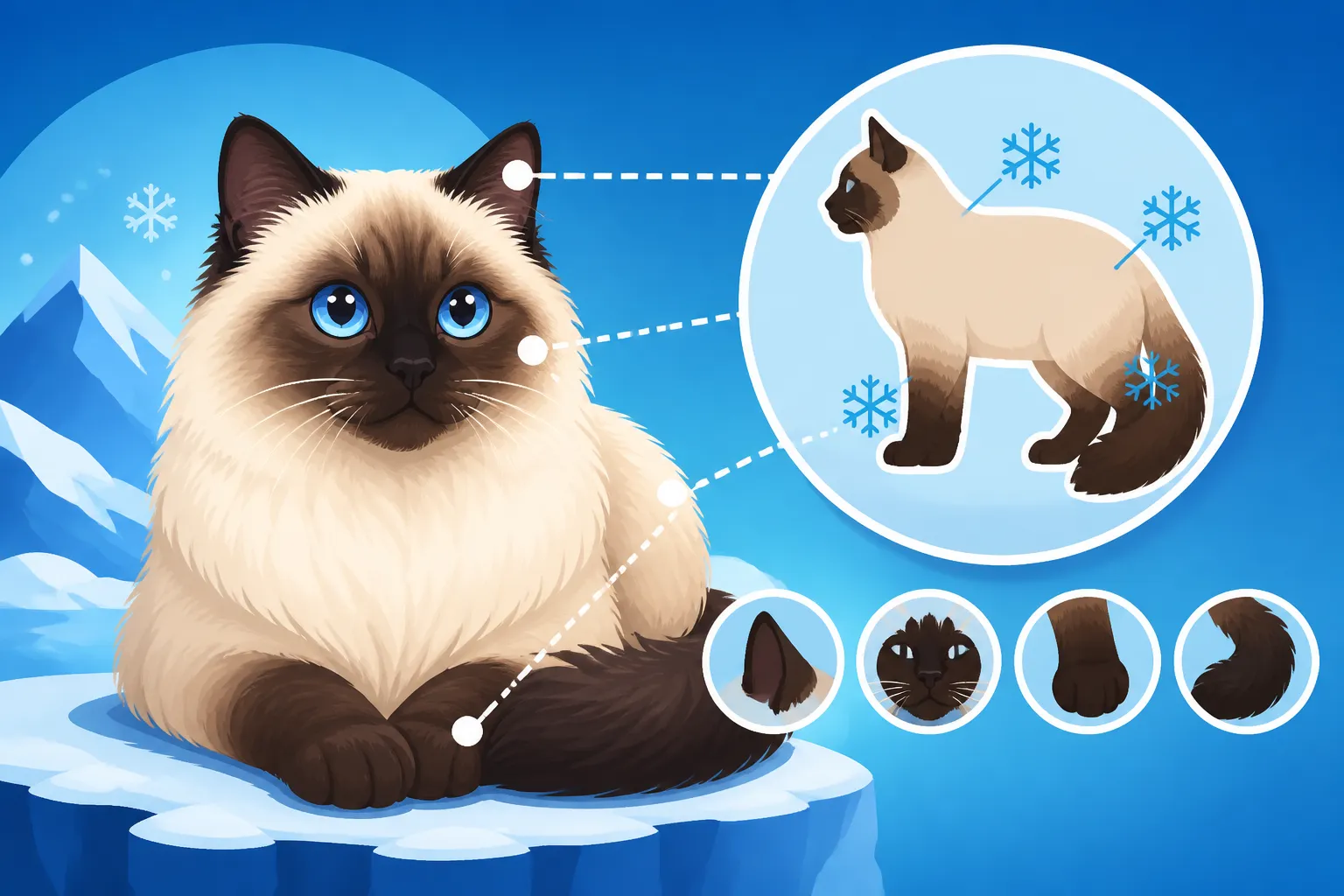
However, as you move towards the extremities, like the tips of the ears, the nose leather, the paws, and the tail, the body temperature drops ever so slightly. These areas are further from the core, have less muscle mass, and are more exposed to the ambient environment, making them naturally cooler. In these cooler "point" zones, the tyrosinase enzyme finds its sweet spot. It becomes active, begins producing melanin, and voilà! – the rich, dark pigments we adore begin to develop. This is why a kitten starts out nearly all white; their internal temperature regulating system isn't fully developed, and they're kept warm in the litter, so the enzyme doesn't have a chance to activate. When a Himalayan Kitten's Points First Appear
The Science of "Cold Spots" on Your Himalayan
It's not just a charming quirk; the placement of your Himalayan's points is a direct physiological response to areas of their body that are naturally a few degrees cooler than their core. It's a testament to how intricately genetics and environmental factors intertwine to create their iconic appearance.
Identifying the Naturally Cooler Extremities
When we talk about the classic "points" of a Himalayan, we're referring to specific regions that, due to their anatomical position and exposure, are inherently cooler than the main trunk of the body. These include:
- The Ears: The ear flaps, especially the tips, are thin and have less insulating fur than the body. Blood flow to these areas helps regulate overall body temperature, but they are consistently cooler, allowing for deep color.
- The Nose and Face Mask: The nose leather, being cartilage and skin, and the facial mask area, are directly exposed and have a larger surface area relative to their volume compared to, say, the chest. This exposure means they maintain a slightly lower temperature, enabling the development of the characteristic dark mask.
- The Paws and Lower Legs: Your Himalayan's paws are in constant contact with cooler surfaces (even indoors!) and have less fur density on the pads. Their lower legs, again, are further from the body's core, making them prime locations for pigment expression.
- The Tail: The tail is essentially an extension, a long appendage that cools down more easily than the core. This is why you'll often see the deepest, most saturated point color at the very tip of the tail, fading slightly as it approaches the body.
Think of it like this: your Himalayan's body is a magnificent, fluffy heater. The further you get from the heat source (the core), the cooler the temperature, and the more likely that temperature-sensitive enzyme is to switch on and start painting with pigment. It's a beautiful, observable science in action, right there on your sofa.
The Role of Environmental Temperature on Point Expression
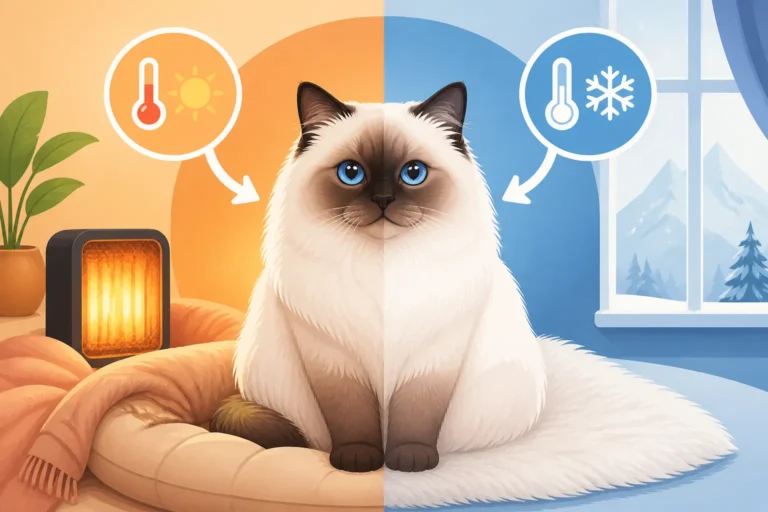
It's not just internal body temperature that matters; the external environment plays a significant role in how dark and extensive your Himalayan's points become. This is why you might notice subtle shifts in their coat color over time, particularly with changes in seasons or even if you adjust your home's thermostat.
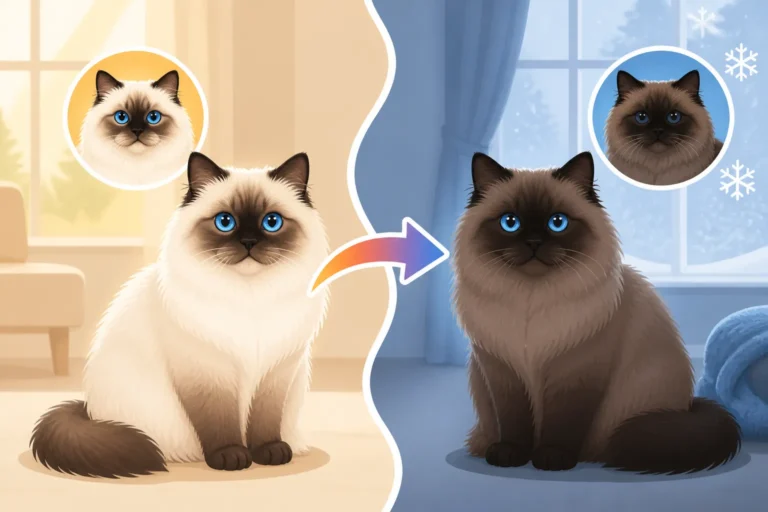
If your Himalayan lives in a consistently cool or cold environment, say, a home that's kept at a lower temperature during winter months, you might observe that their points appear darker and even spread a bit further onto their body than they would in a warmer climate. The prolonged exposure to lower ambient temperatures allows the tyrosinase enzyme to be more active, resulting in a richer, deeper color. Conversely, if your Himalayan spends a lot of time in a very warm house, or if it's summer and they're frequently feeling warm, their points might appear slightly lighter, and the contrast between their body and points could be less stark. Why a Himalayan in a Cold House Darkens All Over This isn't a cause for concern, just a natural response to their unique genetics interacting with their surroundings. These environmental factors usually lead to very gradual changes, so you won't see a dramatic shift overnight, but over weeks and months, the impact can be visible.
Beyond Genetics: Other Factors Influencing Point Color
While the colorpoint gene and ambient temperature are the primary drivers of your Himalayan's coat pattern, there are other elements that can subtly, or sometimes dramatically, influence the depth and spread of their beautiful points. These factors can range from the natural aging process to specific health conditions, offering further insight into the dynamic nature of their coloration.
The Natural Progression of Darkening with Age
One of the most common and fascinating changes you'll observe in your Himalayan's coat is the gradual darkening of their points – and often their entire body – as they mature. When a Himalayan kitten is born, they are almost entirely white or a very pale cream. This is because they've been nestled in the warmth of their mother's womb, where the temperature-sensitive enzyme was completely inactive. As they grow and are exposed to the cooler ambient air, their points slowly begin to emerge and deepen in color. How Many Weeks Before a Himalayan Kitten's Points Show
This darkening process continues throughout their life. By the time they reach adulthood, their points will be fully established. However, an older Himalayan, say past the age of eight or ten, will almost certainly have significantly darker points and often a much less contrasted body coat than when they were a young adult. In some senior Himalayans, their body coat can become quite shaded, making them appear nearly solid colored. Why an Old Himalayan Looks Almost Solid Colored This is a natural physiological process, partly due to a slight decrease in overall body temperature regulation as they age, and partly because the enzyme simply has had more years to produce pigment. It’s a wonderful visual timeline of their life, etched right into their fur.
Health, Nutrition, and Hormonal Influences
While diet won't fundamentally change the genetic programming of your cat's points, a healthy diet can contribute to overall coat quality, luster, and vibrancy. A dull, unhealthy coat, perhaps from a poor diet or underlying health issues, might make the points appear less striking. Providing high-quality nutrition ensures your cat is getting the essential nutrients, fatty acids, and proteins needed for a magnificent, healthy coat. Conversely, poor nutrition won't make their points disappear, but it might make the fur look less healthy and vibrant.
Hormonal changes can also play a subtle role. For instance, some owners observe a slight darkening or change in coat texture after their Himalayan is spayed or neutered. This is attributed to the hormonal shifts affecting metabolism and, consequently, very minor shifts in body temperature regulation or enzyme activity. What Neutering Does to a Himalayan's Ruff and Point Contrast Additionally, certain medical conditions, especially those affecting metabolism or circulation, could theoretically impact the perceived depth or spread of point color. These instances are less common, but they highlight the intricate connection between overall health and coat appearance.
Injury, Shaving, and Point Darkening
Here’s a curious phenomenon that often surprises new Himalayan owners: if a patch of your Himalayan's fur is shaved, perhaps for a medical procedure or to remove a stubborn mat, the fur that regrows in that specific spot will often come back darker than the surrounding body coat. This is a direct, observable demonstration of the temperature-sensitive enzyme at work. Why a Shaved Patch Grows Back Dark on a Himalayan
When fur is shaved, that area of skin is suddenly more exposed to the ambient air and cools down. Even a slight drop in temperature is enough to activate the tyrosinase enzyme, causing the new hair shafts to grow in with pigment. Over time, as the fur grows back thicker and provides more insulation, the temperature will rise, and subsequent hair growth in that spot will typically revert to the paler body color. It's a temporary but very clear illustration of how external temperature can directly influence the color of newly growing fur. This isn't a sign of ill health, but rather a perfect example of their unique genetics in action.
Practical Implications for Himalayan Owners
Knowing the science behind your Himalayan's coat color isn't just for fascination; it actually has practical applications for how you care for them, especially if you're keen on maintaining their stunning appearance or if you're trying to monitor their health. From grooming routines to simply understanding what's "normal," this knowledge empowers you to be an even better cat parent.
Managing Point Contrast and Coat Health
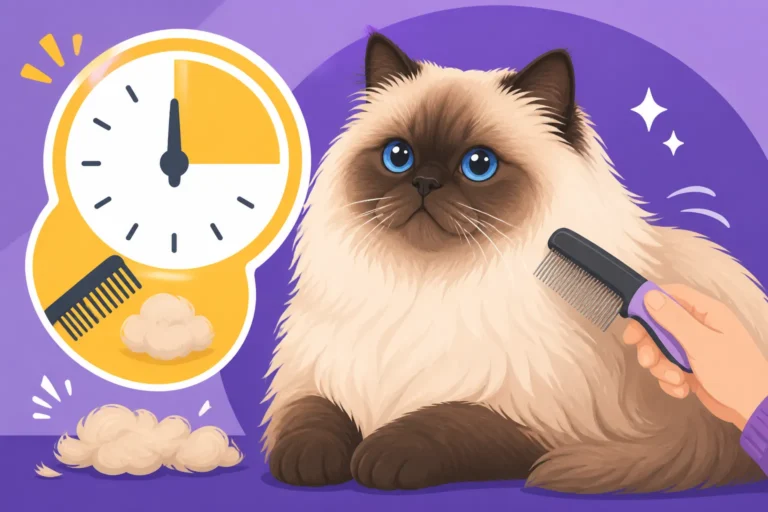
While you can't fundamentally change your Himalayan's genetics, you can certainly help maintain the health and beauty of their coat, which in turn enhances the visibility and vibrancy of their points. Regular, consistent grooming is absolutely paramount. Their long, luxurious Persian coat, especially the ruff and britches, needs daily attention to prevent mats and tangles. A high-quality steel comb, often available on Amazon or Chewy, is an essential tool in every Himalayan owner's arsenal. The Daily Comb a Himalayan Cannot Skip Keeping the coat free of mats ensures that the air can circulate properly, allowing for consistent temperature regulation across the body. Mats can trap heat, potentially leading to lighter coloration in those specific matted areas if the skin temperature underneath rises.
Additionally, paying attention to their facial cleanliness is crucial, especially around the eyes and nose fold. Himalayan cats, particularly those with flatter faces, are prone to tear staining. These stains can often appear reddish-brown due to porphyrins in their tears, and they are much more noticeable against a pale body coat and darker points. Regular gentle wiping with pet-safe wipes, or even just a damp cloth, will keep their face pristine and ensure the beautiful contrast of their mask stands out. How Tear Staining Marks a Himalayan's Pale Body Coat
Observing Point Changes as Health Indicators
While gradual darkening with age is completely normal, sudden or uneven changes in your Himalayan's point coloration can sometimes be a subtle indicator of an underlying health issue. For example, if you notice a distinct, patchy lightening or darkening that isn't related to a shaved area, or if the texture of the fur in a certain pointed area changes dramatically, it might warrant a closer look.
Keep in mind that stress or illness can sometimes affect coat condition, leading to a duller appearance, but direct, rapid color changes beyond the "shaved patch" phenomenon are less common. The most important thing is to know your cat's normal appearance. Regular veterinary check-ups are always a good idea, as they provide an opportunity for a professional to assess your cat's overall health, including their skin and coat. How Often a Tested Himalayan Still Needs Checking If you ever have concerns about a rapid or unusual change in your Himalayan's point color or coat quality, it's always best to consult with your vet.
In summary, the unique and stunning coloration of your Himalayan is a beautiful dance between their inherited genetics and the temperature of their environment. By understanding this fascinating science, you can appreciate their beauty even more and provide the best possible care for their exquisite coat.
Disclaimer
This article is for general informational purposes only and does not constitute professional advice. Laws, prices and regulations vary by location and change over time. Consult a qualified professional for guidance on your specific situation.