How Many Weeks Before a Himalayan Kitten’s Points Show
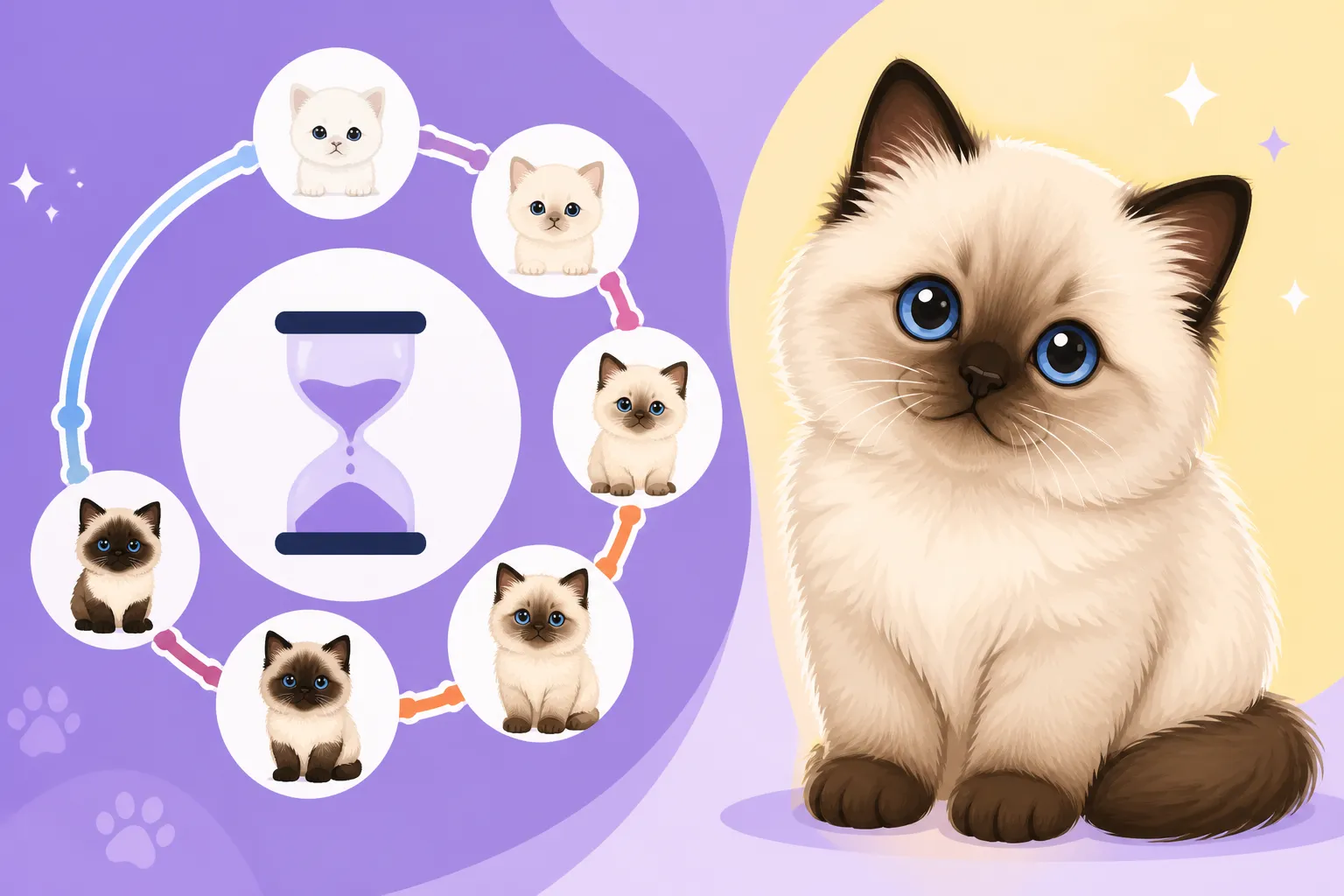
One of the most exciting, and sometimes perplexing, moments for a new Himalayan kitten owner is waiting for their little fluffball's colors to emerge. You bring home this adorable, almost entirely white kitten, and you've been told it's going to be a striking seal point or a beautiful flame point, but right now, it looks like a tiny cloud. This guide will walk you through the fascinating journey of how a Himalayan kitten's distinctive "points" develop, week by week, so you know exactly what to expect.
The Magical Unveiling: Why Himalayan Kittens Are Born White
It's truly a marvel of genetics that sets Himalayan kittens apart. Unlike many other cat breeds where kittens are born with their full coat pattern and color already visible, Himalayans start as a pristine, nearly solid white. This isn't a fluke; it's a fundamental part of their unique genetic makeup.
The Temperature-Sensitive Gene at Play
At the heart of the Himalayan's color development is a very special, temperature-sensitive gene. This gene is responsible for producing pigment, but it only "activates" in cooler temperatures. Think of it like a tiny, internal thermometer that dictates where color can form on your cat's body. During gestation, inside the warmth of their mother's womb, a Himalayan kitten's body temperature is uniformly warm. This warmth prevents the color-producing gene from switching on, which is why they emerge from the womb as essentially a blank, white canvas. It's the same reason why a cake won't bake if you put it in the refrigerator instead of the oven—the conditions just aren't right for the chemical reactions to occur. This fascinating genetic trait is also why other animals, like Himalayan rabbits, share a similar color pattern. It’s all about the interplay of body temperature and gene expression. You might find it interesting to learn more about Why Every Himalayan Kitten Is Born Almost White.
A Blank Canvas: The First Days of Life
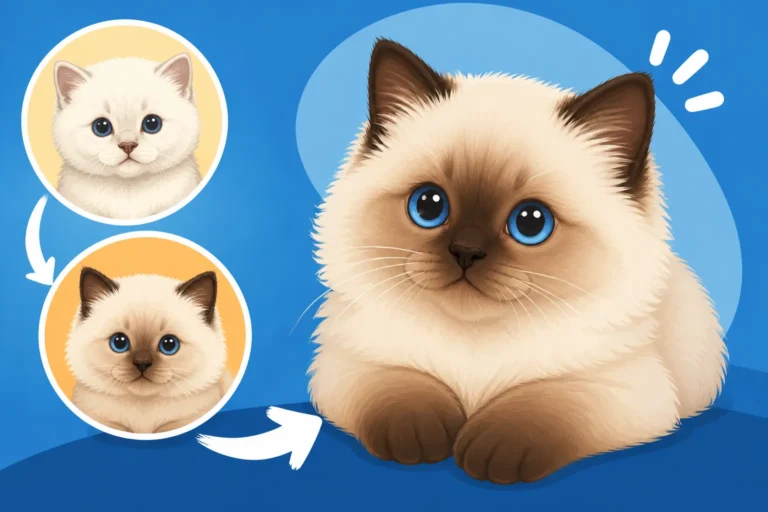
So, when your Himalayan kitten is born, it will be overwhelmingly white or a very pale cream, depending on its underlying color genetics. You might see the barest hint of a blush on the tips of their ears or nose, but for the most part, they are a uniform, delicate shade. For new owners, especially those accustomed to breeds that show their patterns immediately, this can be a surprising sight. There's often an expectation that a "seal point" kitten should have visible dark markings from day one. However, with a Himalayan, that initial pristine white is not only normal but also a hallmark of the breed. It signifies that the unique temperature-sensitive gene is indeed doing its job. This initial stage is all about waiting, patiently observing as nature slowly unveils your kitten's true colors.
The First Whispers of Color: Weeks 1-4
The first few weeks of a Himalayan kitten's life are truly captivating, as you start to notice the very first hints of their future magnificence. It's not an overnight transformation, but a subtle, gradual emergence of color that unfolds before your eyes.
Subtle Shifts: Ear Tips and Nose Leather
During the first to fourth weeks, keep a close eye on the coolest parts of your kitten's body – their extremities. This is where the pigment-producing gene, now exposed to the slightly cooler ambient air outside the womb, starts to get to work. You'll likely notice the absolute first hints of color appearing on the tips of their tiny ears, their nose leather, and sometimes even their paw pads.
For a seal point kitten, these initial touches might look like a faint, smoky grey or a light brownish blush. A blue point might show an almost imperceptible silvery-grey hue. Chocolate points might have a creamy, slightly warmer tinge, while a lilac point might just look like a paler version of the blue point's grey. It's incredibly subtle at first, almost like a shadow or a slight discoloration, but once you spot it, you'll see it begin to deepen daily. This is the magic of How Temperature Decides a Himalayan's Point Color in action. These areas are the furthest from the core body temperature, allowing the pigment to develop first. It's a tiny preview of the stunning contrast that will eventually define your Himalayan.
Gradual Intensification: Beyond the First Glimmers
Once these initial glimmers of color appear, they won't stop. Throughout these first few weeks, the color will begin to gradually intensify, moving from an almost invisible blush to a more discernible shade. While your kitten won't suddenly have a full, dark mask, the color on their ear tips will become more obvious, and the nose leather will deepen in hue.
It’s still a very light coloring, mind you, nowhere near the rich, deep points of an adult Himalayan. But it’s enough to confirm the underlying point color. This is the stage where you might start to discern whether your little cloud is indeed a seal, blue, chocolate, or even a flame point. It's a slow, artistic development, akin to watching a painter gradually add layers to a canvas. Each day brings a slightly more defined shade, building anticipation for the full reveal.
Defining the Points: Weeks 5-8
As your Himalayan kitten crosses the one-month mark and heads towards two months, the pace of color development often picks up, and the 'points' truly begin to solidify into recognizable patterns. This is when their unique beauty starts to shine through.
The Mask Begins to Form: Face and Tail
Between weeks five and eight, the most exciting development is the emergence of the facial mask and the more distinct coloring on the tail. Up until now, the face might have just had a general, light smudginess around the nose. But in this period, you’ll start to see a clearer, more defined mask forming.
For a seal point, this will be a noticeable brown shading spreading from the nose and eyes. A blue point's mask will solidify into a soft, steel-grey, outlining its features. The tail, too, will become much more obviously colored, moving from a pale tip to a clearly pigmented length. You might even start to see the distinctive rings or solid color that characterize the full tail point. It’s an incredibly rewarding time for breeders and new owners alike, as the kitten's true, gorgeous identity becomes undeniable. Observing this process allows you to understand When a Himalayan Kitten's Face Finishes Developing.
Paw Pads and Leg Markings
Beyond the face and tail, the paw pads will also continue to deepen in color and become more distinct during this time. What might have been a faint pinkish-grey will turn into a solid, clear color matching their points. For example, a seal point will have dark brown paw pads, while a blue point will have slate-grey ones.
Furthermore, the lower legs and feet, which are also extremities exposed to cooler air, will begin to show clearer point coloring. You'll see the color starting to creep up the legs from the paws, though not reaching the body coat just yet. This is an excellent indicator of the intensity of their future points. For a kitten destined to be a flame point, these areas might take on a warm, creamy apricot hue, quite different from the cool browns and greys of other point colors. This entire process demonstrates How a Himalayan Kitten's Points Darken Month by Month.
Full Point Expression: Weeks 9-12 and Beyond
While many of the points are clearly visible by eight weeks, the next phase, from nine to twelve weeks and extending far beyond, is all about intensification, contrast, and the long-term maturation of your Himalayan's glorious coat.
The Body Coat and Contrast
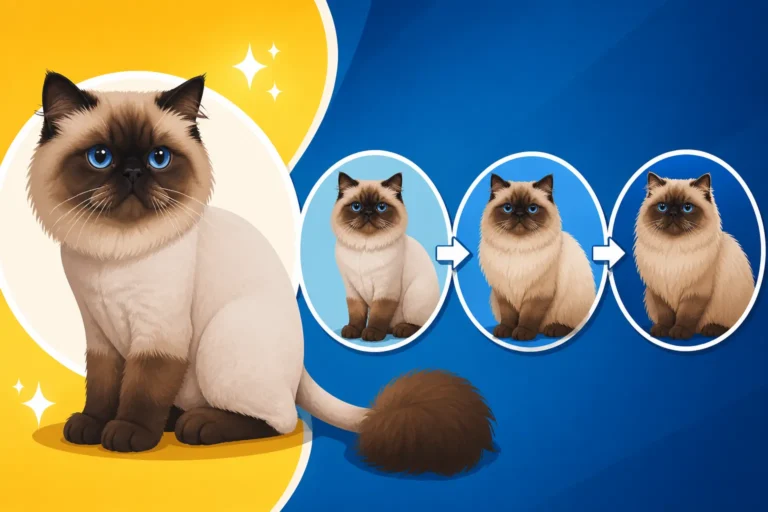
By the time your Himalayan kitten reaches nine to twelve weeks, their points – the ears, mask, paws, and tail – should be quite clearly defined and colored. However, one crucial aspect of the Himalayan standard is the contrast between these dark points and a much lighter body coat. During this period, you'll want to ensure that while the points are deepening, the body remains as pale as possible.
This contrast is what truly makes a Himalayan stand out. Environmental factors, like keeping your kitten in a cooler environment, can help maintain this light body coat. Conversely, consistent warmth can slightly lighten the points, while prolonged exposure to very cold temperatures can cause the body coat itself to darken over time, affecting that desired striking contrast. It’s a delicate balance! If you're concerned about your cat's points blending into their body coat, you can read more about Caring for a Himalayan Whose Points Have Gone Dark.
Long-Term Color Development and Factors
The truth is, a Himalayan's point color journey doesn't end at twelve weeks or even at one year. Their points will continue to mature and deepen, often for the first two to three years of their life, and sometimes even more subtly throughout their lifespan. Genetic predisposition plays a huge role in the ultimate depth and richness of their color, but environmental factors are also significant.
A diet rich in high-quality protein and essential fatty acids can contribute to a healthy, vibrant coat, ensuring the color develops beautifully. Fresh, high-quality food could contribute to overall coat health, and many foods are formulated specifically for healthy skin and coat. As your Himalayan ages, especially if they spend a lot of time in cooler environments, you’ll notice their points becoming significantly darker, sometimes even leading to an almost solid-colored appearance across their body, as the gene continuously activates over time. It’s fascinating to observe How Many Years a Himalayan's Points Take to Finish. Eventually, you might even notice Why an Old Himalayan Looks Almost Solid Colored.
Common Concerns and What to Expect
It's completely natural to have questions and even a few worries when you're watching your Himalayan kitten grow. The unique way their color develops can lead to some common concerns for new owners.
When Points Seem "Slow" to Develop
One of the most frequent concerns is when a kitten's points seem to be developing more slowly than anticipated, especially if you're comparing your kitten to others you've seen online or in books. It's important to remember that every kitten is an individual, and there can be variations in the rate of color development. Lighter point colors, such as lilac, cream, or red (flame) points, naturally take longer to show clearly and intensely compared to the darker seal or blue points. Imagine trying to see a pale watercolor wash compared to a bold oil painting – the lighter colors simply take more time and careful observation to discern.
Additionally, if your kitten has been kept in a warmer environment during their initial weeks, the gene might have been slower to activate. Unless there are other signs of illness or developmental issues, a slower color development is usually nothing to worry about. Patience is truly a virtue with Himalayans! If you're still feeling anxious, don't hesitate to reach out to your breeder, who has extensive experience with these kittens. They can often reassure you or provide insights based on the kitten's parentage. For more specific details, you can look up How Many Weeks a Himalayan Kitten's Points Take to Show.
The Importance of Breeder Transparency
A reputable Himalayan breeder is your absolute best resource throughout your kitten's development. They should be transparent about the kitten's parentage, genetic background, and what point color to expect. Even before the points are clearly visible, a knowledgeable breeder can often predict the kitten's color with high accuracy based on the genetics of the mother and father.
They should also be providing you with regular updates and photos, including profile shots, which allow you to observe the subtle changes in color as they happen. If a breeder is vague about expected colors or hesitant to share information about the parents, it might be a red flag. Always insist on receiving Which Two Certificates a Himalayan Breeder Owes You, which should outline the pedigree and any health testing results. Good breeders often offer advice on feeding, like suggesting quality kitten food available from Chewy, or recommending specific grooming tools from Amazon as the kitten's long coat grows in. They understand the nuances of this breed's development and are there to support you.
Understanding Your Himalayan's Unique Color Journey
Every Himalayan is a living work of art, and their color development is a central part of that masterpiece. Understanding the nuances of their point colors and how they emerge makes the journey even more special.
Point Colors and Their Initial Appearance
While all Himalayan kittens are born largely white, the underlying genetic code for their specific point color dictates how those initial whispers of pigment will appear and how they will deepen. Let's look at a general timeline for some common point colors:
| Point Color | Week 1-2 (Earliest Signs) | Week 3-4 (More Visible) | Week 5-8 (Defining Features) | Week 9-12 (Clear & Developing) |
|---|---|---|---|---|
| Seal Point | Faint greyish/brown blush on ears | Light smoky brown on ears, nose leather | Distinct brown mask, tail, paw pads | Rich, dark brown points, clear contrast |
| Blue Point | Soft grey blush on ear tips | Pale slate grey on ears, nose | Clearly defined grey mask, tail, paw pads | Medium to dark slate grey points |
| Chocolate Point | Creamy, warm blush on ears, nose | Light milky chocolate on ears, nose | Warm brown mask, tail, paw pads | Rich, warm chocolate brown points |
| Lilac Point | Very pale pinkish-grey on ears | Faint lavender-grey on ears, nose | Pastel lilac-grey mask, tail, paw pads | Delicate, light lilac points |
| Flame Point | Creamy peach blush on ears | Light apricot or cream on ears, nose | Warm orange/red mask, tail, paw pads | Vibrant orange/red points |
This table offers a general guideline, but remember that individual kittens will vary. A seal point will always be distinctively brown, while a flame point will be characterized by its warm, red-orange tones, even in the earliest stages. Observing these subtle differences is part of the joy of owning a Himalayan. For more details on this fascinating process, delve into What a Himalayan Kitten Has Had Done Before Its Points Set and [What a Himalayan Kitten's Blue Takes to Deepen].
Embracing the Transformation
The development of a Himalayan's points is a beautiful, slow, and utterly unique process. It’s a journey that transforms a pristine white kitten into a cat of stunning contrast and elegance. While it's natural to be curious about when the colors will fully emerge, try to embrace the entire transformation. Each week brings new shades, new definitions, and a clearer picture of the magnificent cat your kitten is becoming.
Ultimately, whether their points develop quickly or take their sweet time, the true joy of owning a Himalayan lies in their loving personality, their gentle demeanor, and the bond you build with them. The color is just the beautiful icing on an already wonderful cake! Enjoy every moment of watching your little cloud transform.
Disclaimer
This article is for general informational purposes only and does not constitute professional advice. Laws, prices and regulations vary by location and change over time. Consult a qualified professional for guidance on your specific situation.