How Many Years a Himalayan’s Points Take to Finish
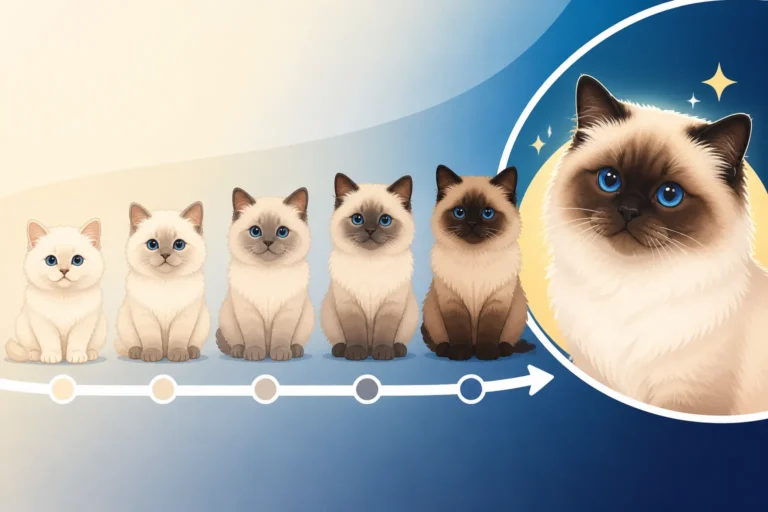
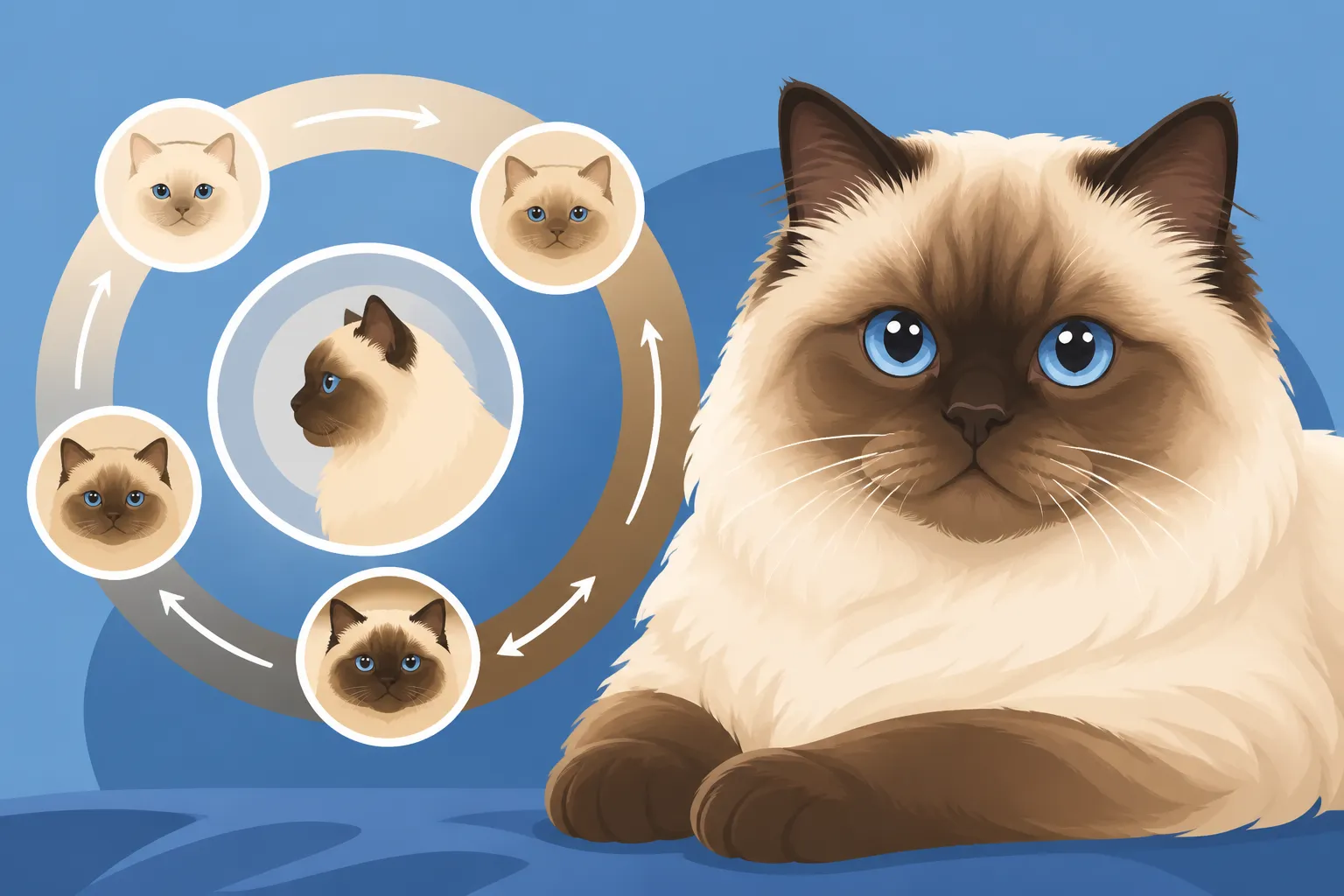
It's a wonderful, slightly mysterious journey watching a Himalayan kitten's coat transform from that initial, nearly pure white fluff to the rich, distinctive point colors we all adore. Many new owners, and even experienced ones, wonder exactly how long it takes for those beautiful points to fully "finish" and reach their final, deep hues. This guide will walk you through the fascinating process of how your Himalayan's unique color pattern develops, from tiny kitten to dignified adult, setting realistic expectations for this charming metamorphosis.
The Science Behind Himalayan Point Color Development
Understanding how a Himalayan's points develop means diving a little into the fascinating genetics and biology at play. It's not just a random darkening; it's a carefully orchestrated process influenced by some fundamental factors.
How Temperature Controls Point Color
The defining characteristic of a Himalayan cat, those stunning "points" of color on their ears, face, paws, and tail, is actually a form of partial albinism. This genetic trait is temperature-sensitive. What does that mean in practical terms? It means that the enzyme responsible for producing pigment (melanin) only works effectively in cooler parts of the cat's body. The core of your Himalayan's body, being warmer, suppresses this enzyme, leading to a pale cream or white body coat. Conversely, the extremities – ears, nose, paws, and tail – are naturally cooler, allowing the pigment to develop and darken into the various point colors like seal, blue, chocolate, or lilac.
Think of it like a natural thermometer built into your cat's fur. This is why a Himalayan kitten is born almost entirely white; the warmth of the mother's womb kept their entire body warm enough to suppress pigment production. It's only after birth, as they are exposed to the cooler ambient temperatures of the outside world, that their points begin to gradually emerge and deepen. This delicate balance of genetics and environmental temperature is what creates their iconic appearance, making each Himalayan a unique masterpiece of nature. How Temperature Decides a Himalayan's Point Color
The Genetic Blueprint for Pointed Cats
Every Himalayan carries a specific recessive gene, often referred to as the "colorpoint gene" or "Himalayan gene," that dictates this temperature-sensitive pigmentation. For a cat to display the pointed pattern, they must inherit two copies of this gene, one from each parent. If a cat only has one copy, they might be a "carrier" but won't express the points themselves, looking like a solid-colored cat instead. This is why dedicated breeders test their breeding stock to understand the genetic makeup of their cats, ensuring they can consistently produce those gorgeous pointed kittens.
This genetic inheritance also determines the type of point color your Himalayan will have. Whether they'll be a deep, dark Seal Point, a smoky Blue Point, a rich Chocolate Point, or a delicate Lilac Point is all encoded in their DNA from the moment of conception. The genes essentially set the potential for the color, and the temperature then acts as the switch that allows that potential to manifest in the cooler areas of the body. Understanding this blueprint helps appreciate that while the darkening is gradual, the final hue of their points is predetermined. Which Gene Makes a Himalayan Pointed
The Himalayan Kitten's First Year: A Kaleidoscope of Color
Watching a Himalayan kitten grow is like observing a living canvas. Their points don't just appear overnight; they slowly bloom, revealing more depth and contrast with each passing month.
Early Weeks: The Subtlest Hints
When those tiny bundles of fluff first open their eyes, they are usually a pristine white or a very pale cream. It's truly a marvel to witness. In the first few weeks, the points are often just the barest hint of color. You might see a faint smudge of grey on their ears or a slightly darker blush around their nose, particularly if they are destined to be a darker point color like a Seal Point. This initial phase is all about the cat's body adjusting to the ambient temperature and the pigment-producing enzyme getting to work on those cooler extremities.
During these early weeks, the colors are very soft and diffuse, not at all the sharp, well-defined points you see on an adult. It's a period of delicate emergence. Breeders often have a good idea of the final point color even at this stage, based on the parents' genetics and these subtle early indicators, but for the average observer, it's still largely a guessing game, adding to the excitement of watching them develop. What Color a Himalayan Kitten Is at Birth
Months 3-6: Points Becoming Defined
By the time a Himalayan kitten is around three to six months old, their points have typically become much more distinguishable. The ears will have a noticeable color, the mask on their face will be taking shape, and the tail will show a clearer demarcation of its intended shade. Their paws, too, will usually start to show definitive color. This is when you can really start to see the personality of their coloration emerging. A Seal Point's face will start to look more like a dark mask, while a Blue Point might have a lovely, soft grey hue.
It's a really fun time to photograph your kitten because the changes are quite rapid and visible. You'll notice the contrast between their developing points and their pale body coat becoming much more pronounced. This period is often when they go to their new homes, and owners get to experience the joy of seeing these colors deepen firsthand. It's also a good time to remember that while the points are visible, they are far from "finished."
The First Year Milestone: Reaching Key Point Depth
As your Himalayan approaches their first birthday, their points will have achieved a significant amount of their depth and definition. The color on their ears, face, paws, and tail will be quite robust, and the contrast with their body will be striking. This one-year mark is often considered a major milestone in their color development, as much of the initial, rapid darkening has occurred.
However, even at one year old, their points are still not fully "finished." Think of it as reaching a strong foundation of color. The intensity and richness will continue to mature, but the general shade and pattern are well established. By this age, you'll have a very clear idea of their final point color, and they'll be showcasing that beautiful, classic Himalayan look. How Many Weeks Before a Himalayan Kitten's Points Show
Beyond Kittenhood: Continued Darkening and Maturation
The journey of a Himalayan's point color doesn't end at their first birthday. It's a slow, ongoing process that continues throughout their life, influenced by age and environmental factors.
Adolescent Changes: Gradual Intensification
After their first year, and throughout their adolescence (roughly up to two or three years of age), a Himalayan's points will continue to gradually intensify and deepen. These changes are much more subtle than in kittenhood, but they are there. The colors will become richer, more saturated, and the contrast with the body coat might become even sharper. For example, a Seal Point might see their dark brown points become an even more profound, almost black-brown. A Flame Point might develop a more vibrant, fiery red.
This slow maturation is part of what makes Himalayans so captivating. They are constantly evolving, and even slight changes in their environment can impact the depth of their color over time. It's a period where their coat truly comes into its own, reflecting the full potential of their genetic makeup. Don't be surprised if you look at photos from their first year and notice how much richer their points appear just a year or two later.
Adult Points: Reaching Full Depth
Most Himalayans will reach the full, deepest expression of their point colors by the time they are around two to three years old. At this stage, their points are considered "finished" in terms of their primary development. The color will be as rich and intense as their genetics allow, and the contrast will be well-established. However, it's important to understand that "finished" doesn't mean "static."
Even after reaching their full depth, a Himalayan's points can continue to subtly change throughout their life. As cats age, their metabolism slows, and their body temperature can fluctuate slightly. Older Himalayans often exhibit a phenomenon where their body coat starts to darken slightly, and their points can become incredibly deep, sometimes almost blending into a solid color in very old age. It's a testament to the dynamic nature of their unique pigmentation. How Many Years a Himalayan's Points Take to Finish
The Impact of Environment and Lifestyle on Point Color
While genetics lay the groundwork, the environment plays a significant role in how a Himalayan's points manifest. The ambient temperature of your home is the most crucial factor. Cats kept in cooler environments tend to have darker, more expansive points, sometimes even developing "smudgy" areas on their body coat where the temperature was just cool enough to allow some pigment production. Conversely, a Himalayan living in a consistently warmer climate or indoor environment might have lighter, less intense points.
Beyond temperature, lifestyle factors like a cat's activity level and even their grooming routine can have minor impacts. Regular grooming with tools available on platforms like Amazon or Chewy helps maintain coat health, which can contribute to the overall vibrancy of the fur, though it won't change the underlying pigment. Even things like prolonged contact with cold surfaces can theoretically influence localized darkening, though this is usually quite subtle. Why a Himalayan in a Cold House Darkens All Over
Factors Influencing Point Development Speed
It's natural to wonder why some Himalayan kittens seem to get their colors faster than others. Several factors contribute to the pace at which those beautiful points emerge and deepen.
Genetics and Lineage Differences
Just as with any genetic trait, there's variation within Himalayan lines. Some lines might be bred for quicker, more intense point development, while others might mature more slowly. The specific genes inherited from the Persian and Siamese ancestors also play a role. Certain genetic markers can lead to a more rapid pigment expression. This is why a reputable breeder, who understands their lines, can often give you an educated guess about how quickly a particular kitten's points might come in. They've seen generations of their cats develop and know what to expect.
Don't compare your kitten too strictly to others you see online or in books. Each cat is an individual, even within the same breed, and their genetic heritage contributes significantly to their unique developmental timeline.
Environmental Temperature and Lifestyle
As we've discussed, temperature is king when it comes to Himalayan point color. A kitten or cat kept in a consistently cooler home environment will likely develop their points faster and achieve a deeper, more pronounced coloration than a cat living in a very warm house. This isn't to say you should keep your home uncomfortably cold, but simply to acknowledge the impact of temperature.
Consider a Himalayan who loves to nap near a drafty window in winter versus one who always seeks out the warmest sunbeam or a heating vent. Their points will reflect these subtle differences in their personal environment. Even having a thick, dense coat, which Himalayans get from their Persian side, can create a microclimate close to the skin, influencing how quickly the ambient temperature affects pigment production.
Nutrition and Overall Health
While nutrition won't fundamentally change a cat's genetic color, a healthy, well-nourished cat is always going to develop better than one facing health challenges. A balanced diet rich in essential nutrients, like those found in high-quality premium cat foods, supports overall coat health, shine, and vitality. While a poor diet won't stop points from developing, it could potentially impact the quality and richness of the coat, making the points appear less vibrant.
Think of it this way: if your cat's body is putting all its energy into fighting an illness or compensating for nutritional deficiencies, it has less energy for optimal coat and pigment production. A cat that's thriving, with a lustrous coat and bright eyes, is more likely to show off their full color potential. So, while you can't feed them a certain food to "make" their points darker, providing excellent nutrition certainly supports the best possible outcome.
Understanding Variations and What's Normal
It's common for owners to have questions about their Himalayan's specific color development. Knowing what's generally considered normal can help ease any worries.
Why Some Points Darken Faster
There are a few reasons why you might observe differences in darkening speed, even within the same litter. Firstly, as mentioned, individual genetic variations play a huge part. Some kittens simply have genes that express pigment more readily. Secondly, subtle environmental differences can impact this. Perhaps one kitten consistently prefers a cooler sleeping spot, or spends more time in a room that's slightly chillier. These small variations can accumulate over time.
Also, some point colors naturally appear to darken faster than others. For instance, Seal Points and Blue Points often show noticeable color earlier and more intensely than a Lilac Point or a Chocolate Point, which are genetically "diluted" versions of the darker colors and may take longer to show their full depth. It's not a race; it's a unique progression for each individual.
When to Consult a Vet About Point Color
Generally, issues with point development are rare. However, if your Himalayan kitten, particularly after 6 months of age, shows virtually no point color at all, or if their points suddenly start to lighten dramatically after being well-established, it might be worth a chat with your veterinarian. This could potentially indicate an underlying health issue, though it's often nothing more than a natural variation or a very warm living environment.
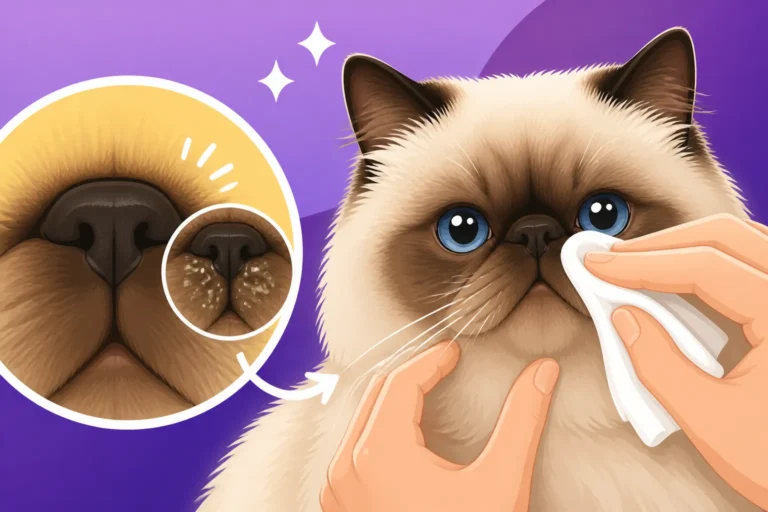
A vet can rule out any health concerns that might affect coat quality or overall development. If you're observing unusual patches of darkening or lightening that don't seem to follow the typical pattern, especially if accompanied by other symptoms like lethargy, appetite changes, or skin irritation, always seek professional advice. Otherwise, rest assured that the slow, beautiful unfolding of your Himalayan's point color is a natural and healthy process. What Happens If a Himalayan's Nose Fold Stays Damp
Embracing the Journey: Enjoying Your Himalayan's Evolving Beauty
The development of your Himalayan's point color is a long-term show, a living artwork that changes over the years. It's part of the unique joy of sharing your life with one of these magnificent cats.
Documenting the Color Change
One of the most delightful things you can do as a Himalayan owner is to document their color changes over time. Take regular photos, perhaps once a month for the first year, and then every few months as they get older. You'll be amazed when you look back at these pictures and see the subtle, yet significant, transformation that has taken place. It's a fantastic way to appreciate their evolving beauty.
Think of creating a digital album or even a physical one, marking the date each photo was taken. You'll be able to trace the deepening of their mask, the richer hue of their paws, and the lengthening of their dark tail. This personal record becomes a treasured keepsake, reminding you of the unique journey your beloved companion has taken.
The Ever-Changing Tapestry of a Himalayan's Coat
Remember, a Himalayan's coat is a dynamic entity. While the most dramatic point development happens in the first two to three years, subtle shifts will occur throughout their entire life. Their points might appear a little darker after a particularly cool winter, or a shade lighter after a warm summer. Old age often brings a fascinating overall darkening of the body coat, sometimes making their points seem less contrasting as the body catches up in color.
This ever-changing tapestry is part of their charm. It's a constant reminder of their unique biology and their deep connection to their environment. So, instead of focusing on an exact "finish line" for their points, embrace the continuous evolution. Enjoy every stage of their coloration, from the pale kitten to the richly pointed adult and the dignified, deeper hues of their senior years. It's truly a beautiful aspect of owning a Himalayan.
| Age Stage | Expected Point Development | Key Characteristics |
|---|---|---|
| Birth – 8 Weeks | Kitten born nearly white or very pale cream. First faint indications of color appear on ears and nose, often a very subtle smudge. | Minimal color contrast. Ears may show a pale blush. Tail and paws are still mostly white. Color is difficult to predict definitively without knowing parentage. |
| 2 – 4 Months | Points become more visible and distinct. Ears, nose, and tail show clearer, though still light, shades of their eventual color. Paws start to develop color. | Developing mask on face. Growing contrast between body and points. Good time to start identifying the specific point color (e.g., distinguishing a Seal Point from a Blue Point). |
| 4 – 6 Months | Points continue to deepen and spread. The mask on the face becomes more defined. Tail and paw colors are more established. | Significant increase in color intensity. Contrast is noticeable. Body coat remains pale. Active period of color development that is easily observed. |
| 6 – 12 Months | Points achieve considerable depth and richness. The overall color pattern is well-established, approaching adult intensity. | Strong color saturation in points. Good definition between points and body. Most of the rapid darkening is complete, forming a solid foundation for their adult look. The Age a Himalayan's Points Stop Changing |
| 1 – 2 Years | Points continue to subtly deepen and mature. Colors become more saturated and vibrant. Contrast with body coat might further sharpen. | Gradual, less dramatic changes than kittenhood. Points solidify into their full genetic potential. This period refines the richness of the color. |
| 2 – 3+ Years | Most Himalayans reach the full, deepest expression of their point colors. These are considered "finished" in terms of primary development, but subtle environmental shifts can still cause minor variations. | Peak color intensity and contrast. Stable point coloration. Occasional minor fluctuations due to temperature or age are normal. Caring for a Himalayan Whose Points Have Gone Dark |
| Senior Years | Body coat may start to subtly darken, and points can become exceptionally deep, sometimes appearing almost solid in very old age. | Overall darkening of the coat. Reduced contrast between points and body. The coat may also thin or change texture slightly. What Goes First in a Himalayan Past Twelve |
This article is for general informational purposes only and does not constitute professional advice. Laws, prices and regulations vary by location and change over time. Consult a qualified professional for guidance on your specific situation.