Drying a Himalayan’s Nose Fold So It Does Not Sour
One of the most disheartening things about loving a beautiful Himalayan cat is discovering that faint, slightly yeasty or "sour" smell emanating from their adorable, squishy face. It's a common, often frustrating problem for us Himmie parents: the delicate skin folds around their nose and eyes, while undeniably charming, can become a damp, dark haven for all sorts of unwelcome issues if not kept meticulously dry. This guide will walk you through exactly why this happens, how to effectively prevent that sour smell, and what to do if it's already set in, so you can keep your beloved feline companion fresh and comfortable.
The Unique Anatomy Behind a Himalayan's Damp Nose Fold
Let's be honest, those utterly captivating flat faces are a huge part of the Himalayan's appeal, aren't they? That sweet, pushed-in look is what many of us fall in love with. But that very feature, which makes them so distinctive and endearing, is also the root cause of the dreaded damp, sour-smelling nose fold. It's not just a superficial issue; it's a direct result of their unique facial structure.
The Role of Brachycephaly and Tear Production
The term "brachycephalic" simply means "short-headed," and it perfectly describes our Himalayans. Their shortened muzzle and flattened facial structure mean a few things for their delicate eye and nose area. Firstly, their tear ducts often don't follow the straight, clear path seen in longer-nosed breeds. Instead, they can be kinked, narrowed, or even blocked, leading to epiphora – excessive tearing that spills out onto the face rather than draining properly.
These tears, which naturally contain proteins and other substances, then pool in the deep folds around the nose and under the eyes. This isn't just a bit of wetness; it's a constant, warm, nutrient-rich environment that's just begging for bacteria and yeast to move in and set up shop. And when those microorganisms start multiplying, that's when you get that tell-tale sour smell, often accompanied by reddish-brown staining. It's a constant battle, and it's certainly not your fault if you're struggling with it; it's literally how their beautiful faces are built. Why a Himalayan's Eyes Water All Day goes into more detail about this persistent issue.
How Moisture Traps and Skin Folds Lead to Issues
Think about it like this: imagine constantly having a damp cloth tucked into a warm, humid crease of your skin. You can bet that area wouldn't stay fresh for long! Our Himalayans experience something similar with their nose folds. The skin folds are, by nature, warm and moist. When tears and even saliva from grooming get trapped in these crevices, air circulation is significantly reduced. This lack of airflow prevents the moisture from evaporating naturally.
This perpetual dampness creates the perfect anaerobic (low-oxygen) environment that many types of bacteria and yeast absolutely adore. These microbes thrive, leading to skin irritation, inflammation, and eventually, that characteristic sour or even rancid smell. It's a cycle that's hard to break once it starts, and it requires diligent, daily attention to prevent How Fold Dermatitis Starts Beside a Himalayan's Nose.
The Unseen Danger of Neglected Nose Folds
Beyond just the unpleasant odor, a persistently damp and sour nose fold can lead to more serious health issues for your Himalayan. The constant moisture and microbial growth can quickly escalate into a full-blown skin infection, known as facial fold dermatitis. This isn't just an itch; it can be incredibly painful for your cat, causing redness, swelling, hair loss, and even open sores in the folds.
If left untreated, these infections can become chronic, requiring veterinary intervention with antibiotics or antifungal medications. The pain and irritation can also affect your cat's quality of life, making them reluctant to be petted, groom themselves, or even eat comfortably if the folds are severely inflamed. It's crucial to address even minor dampness proactively to avoid these complications, which is why a diligent routine is so important.
Establishing a Daily Cleaning and Drying Routine
The secret to keeping your Himalayan's nose fold pristine and fresh isn't a magic potion; it's consistency and the right technique. This isn't a once-a-week job; it's something you need to integrate into your daily life with your feline friend. Think of it like brushing your own teeth – a little effort every day goes a long way.
Step-by-Step Guide to Cleaning the Folds
First things first, gather your supplies. You'll need soft, lint-free cotton pads or specialized cat eye wipes (many brands are available on Chewy or Amazon), and a gentle, cat-safe tear stain remover if you're battling discoloration, though plain warm water often suffices for daily cleaning.
- Preparation is Key: Find a calm time and a comfortable spot where your cat is relaxed. A routine helps immensely. Gently cradle your Himalayan, speaking to them in a soothing voice. Having a favorite treat ready can also make this a positive experience.
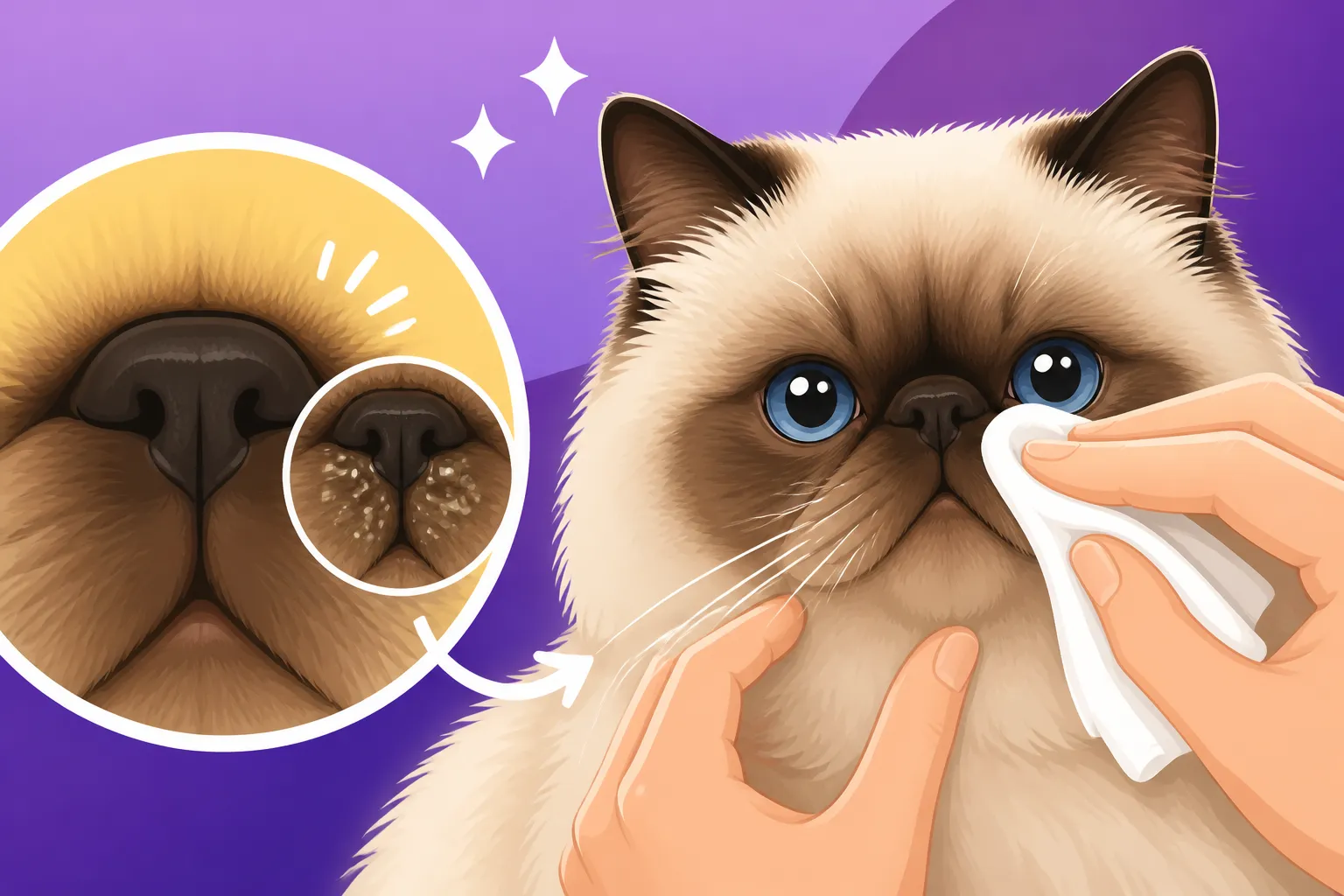
- Gentle Wiping: Take a fresh, slightly damp cotton pad or wipe. Gently lift the skin folds around their nose and under their eyes to expose the damp areas. With a soft touch, wipe away any visible moisture, debris, or tear stains. Always wipe away from the eye. Use a new pad for each eye and fold to prevent cross-contamination. Don't rub harshly; the skin here is incredibly delicate. For stubborn crusts, you might need to hold a warm, damp pad against the area for a few moments to soften it before gently wiping.
- Address Stains (Optional): If you're dealing with significant tear staining, you can follow up with a cat-specific tear stain remover product. Be absolutely certain it's safe for use around the eyes and doesn't contain harsh chemicals that could irritate their sensitive skin. Follow the product instructions carefully. Remember, the goal isn't just to bleach the fur, but to clean the underlying skin. The Morning Face Routine Every Himalayan Needs offers more tips for integrating this into your cat's day.
The Critical Step: Thorough Drying
This is arguably the most important part of the entire routine, and it's where many well-meaning owners fall short. Cleaning away the gunk is great, but if you leave the area damp, you're essentially just hitting the "reset" button on the microbial party.
- Air Drying is Not Enough: Relying on the air to dry those deep folds just won't cut it. Air can't penetrate those tight spaces effectively, and by the time you're done with the rest of your cat's face, the folds will likely still be moist.
- Use a Dry Cotton Pad or Tissue: Immediately after cleaning, take a completely dry cotton pad, a clean piece of soft tissue, or even a soft, absorbent cloth designed for pets. Gently blot and pat every single crevice and fold dry. Lift the folds again and ensure you're getting deep into them without causing discomfort. You want the skin to feel perfectly dry to the touch.
- Consider a Gentle Absorbent Powder: For Himalayans prone to extreme dampness, a very light dusting of a cat-safe absorbent powder, specifically formulated for pets (avoiding anything with talc or harsh perfumes), can be beneficial. Apply it after the area is completely dry, using a clean, soft brush or cotton ball, and make sure it's massaged into the folds rather than left as a visible layer. This creates a barrier against future moisture. Always check with your vet before introducing new products, especially if your cat has sensitive skin.
Choosing the Right Tools and Products
The market is flooded with grooming products, and it can be overwhelming to know what's genuinely safe and effective for your Himalayan.
| Product Type | Key Features | What to Look For | Where to Find It |
|---|---|---|---|
| Cotton Pads/Balls | Soft, absorbent, disposable. | Lint-free, unbleached, 100% cotton. | Drugstores, grocery stores, Chewy, Amazon |
| Cat Eye Wipes | Pre-moistened, convenient, often contain gentle cleansers. | pH-balanced, alcohol-free, fragrance-free, pet-specific. | Pet stores, Chewy, Amazon |
| Soft Absorbent Cloths | Reusable, gentle on skin, good for blotting. | Microfiber or natural fibers, very soft, washable. | Pet stores, Amazon |
| Tear Stain Removers | Formulated to lighten stains and often clean the area. | All-natural ingredients, no harsh chemicals, vet-approved. | Pet stores, vet clinics, Chewy, Amazon |
| Protective Balms/Powders | Create a moisture barrier, soothe skin. | Pet-safe, zinc-oxide free (for balms), talc-free (for powders). | Specialty pet stores, online retailers (e.g., Chewy) |
When selecting products, always prioritize those specifically designed for cats and that are free from dyes, strong perfumes, and harsh chemicals. If your cat has sensitive skin or existing irritation, opt for the most natural, hypoallergenic options available. Sometimes, plain warm water and a dry pad are truly the best and safest approach. For anything beyond basic cleaning, consult your veterinarian for recommendations.
When Routine Care Isn't Enough: Advanced Solutions
Despite your best efforts, sometimes that persistent dampness and sour smell just won't go away. Or worse, you might start noticing signs that something more serious is brewing. It’s important to recognize when you need to step up your game and when it’s time to call in the professionals.
Recognizing Signs of Infection
A sour smell is usually the first warning sign, but if you start seeing other symptoms, it's highly likely an infection has taken hold. Keep a close eye on the following:
- Redness and Inflammation: The skin in the folds appears visibly red, irritated, or swollen. This is a clear indicator that something is amiss.
- Pus or Discharge: Any thick, discolored discharge (yellow, green, or even dark brown) from the folds, especially if it's accompanied by a foul odor, points directly to an infection.
- Pain or Discomfort: Your Himalayan might flinch, pull away, or even growl when you try to touch the affected area. They may rub their face excessively or become generally withdrawn.
- Hair Loss: The constant irritation can lead to hair loss in and around the folds, exposing more raw, sensitive skin.
- Crusting or Ulceration: In severe cases, the skin can become crusty, develop open sores, or even small ulcers. This is quite painful and requires immediate veterinary attention.
If you observe any of these signs, don't delay. What happens if a Himalayan's nose fold stays damp? It can quickly progress from minor irritation to a significant infection, and your vet is the best resource for proper diagnosis and treatment.
Veterinary Intervention and Treatments
When an infection is suspected, your vet will be able to properly diagnose the cause and prescribe the correct treatment. They might take a swab of the discharge for cytology (looking at cells under a microscope) or culture (growing bacteria/yeast) to identify the specific pathogen.
Common veterinary treatments include:
- Topical Medications: These can be antibacterial or antifungal creams, ointments, or wipes applied directly to the affected folds. Your vet will instruct you on how often and for how long to apply them.
- Oral Medications: For more widespread or severe infections, your cat may need oral antibiotics or antifungals. It's crucial to complete the entire course of medication, even if your cat seems to improve quickly, to prevent recurrence.
- Medicated Shampoos: In some cases, a very gentle, medicated shampoo might be recommended for a targeted wash of the facial area, though extreme care must be taken to avoid getting it in their eyes.
- Cleaning Solutions: Your vet might provide a specific, medicated cleaning solution that's stronger than plain water or over-the-counter wipes, designed to thoroughly cleanse and disinfect the folds.
Never attempt to self-diagnose or treat a suspected infection with human medications, as many are toxic to cats. Always follow your vet's instructions precisely to ensure your Himalayan's swift recovery. What a Himalayan's Nose Leather Should Be Checked Monthly explains why routine checks are so vital.
Addressing Structural Issues: Surgical Considerations
For Himalayans with extremely deep folds, severely kinked tear ducts, or other significant anatomical issues that lead to chronic, untreatable dampness and infection, your vet might discuss surgical options. This is usually considered a last resort when all other medical and diligent home care methods have failed.
- Facial Fold Resection: This procedure involves surgically removing excess skin from the facial folds to reduce their depth and eliminate moisture traps. It can significantly improve airflow and hygiene in the area.
- Tear Duct Reconstruction: In cases where the tear ducts are severely malformed or blocked, a veterinary ophthalmologist might explore options to widen or reconstruct them to allow for better tear drainage.
These surgeries are not to be taken lightly and always carry risks. Your vet will thoroughly explain the procedure, potential complications, and expected outcomes, ensuring you make an informed decision that's best for your Himalayan's long-term health and comfort.
Long-Term Prevention and Overall Well-being
Preventing that sour nose fold smell is a marathon, not a sprint. It's about integrating consistent care into your daily routine and understanding how your Himalayan's overall health and diet can influence this specific issue.
Diet and Hydration's Impact on Tear Stains
Believe it or not, what your Himalayan eats can sometimes play a role in the severity of their tear staining and, consequently, the dampness in their nose folds. While diet isn't always the primary cause, some owners find that certain ingredients, particularly those that cause mild allergies or sensitivities, can lead to increased tearing or alter the composition of tears, making them more prone to staining and microbial growth.
- High-Quality, Balanced Diet: Ensure your Himalayan is on a high-quality, nutritionally complete diet. Fresh food options or premium kibbles can make a difference. Avoid foods with excessive fillers, artificial colors, or by-products.
- Hydration: Proper hydration is vital for overall health, including the health of mucous membranes and tear production. Ensure your cat always has access to fresh, clean water. Some cats prefer running water from a fountain, which can encourage them to drink more.
- Specific Supplements: In some cases, your vet might suggest supplements like probiotics to support gut health (which can influence skin health) or certain omega fatty acids to promote healthy skin and coat. However, always consult your vet before adding any supplements to your cat's diet.
Observing any changes in tear staining after a diet change can be informative, but remember that results are individual and often take time.
Maintaining a Clean Environment
Your home environment also plays a role in managing your Himalayan's facial hygiene. A clean cat often starts with a clean living space.
- Dust Control: Dust and airborne allergens can irritate your cat's eyes, leading to increased tearing. Regularly dust and vacuum your home, paying attention to areas where your cat spends a lot of time. Consider an air purifier, especially if you live in an older home or an area with high pollen counts.
- Litter Box Hygiene: While seemingly unrelated, a dirty litter box can harbor bacteria and ammonia, which can contribute to general irritation, including respiratory and eye issues. Keep litter boxes meticulously clean, scooping daily and performing full litter changes regularly. Use low-dust litter to minimize airborne particles. What Low Dust Litter Costs a Himalayan Owner highlights the financial aspect of this choice.
- Bedding: Regularly wash your cat's bedding, especially their favorite napping spots. This helps to remove any accumulated bacteria, yeast, or tear-stained residue that could transfer back to their face.
A proactive approach to environmental cleanliness supports your diligent grooming efforts.
Regular Grooming Beyond the Face
While we're focusing on the nose fold, remember that your Himalayan's glorious coat requires comprehensive grooming that contributes to their overall health and cleanliness. A well-groomed cat is generally a healthier cat.
- Daily Combing: The Persian half of your Himalayan means they have a luxurious, long, dense double coat that is highly prone to matting. Daily combing is non-negotiable to prevent mats, which can pull on the skin and create other areas for moisture and bacteria to hide. How Long a Himalayan's Daily Comb Takes will give you a good idea of the commitment.
- Britches Trimming: The long hair around their hindquarters (the "britches") can become soiled with litter or feces, which can then be transferred to other parts of their body during self-grooming. A sanitary trim in this area can make a huge difference in overall hygiene.
- Nail Trims: Regularly trimming your Himalayan's claws prevents them from getting caught on things, and also reduces the chance of them accidentally scratching their delicate face during self-grooming, which could introduce bacteria to irritated areas.
Remember, a healthy, well-maintained coat and body contribute to a happier, healthier cat, making it easier to manage specific concerns like a damp nose fold. It's all connected!
Disclaimer
This article is for general informational purposes only and does not constitute professional advice. Laws, prices and regulations vary by location and change over time. Consult a qualified professional for guidance on your specific situation.