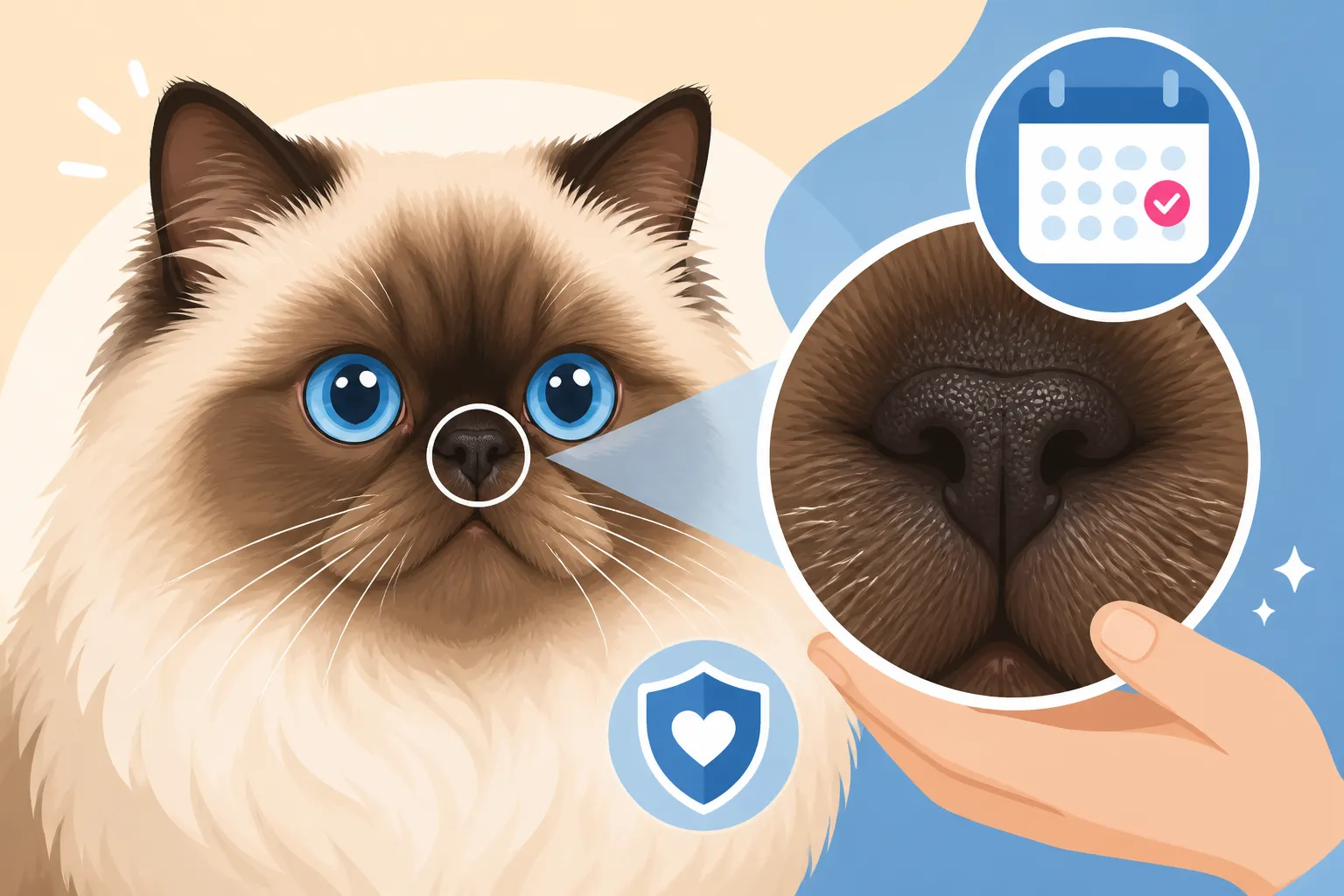
Why a Himalayan’s Nose Leather Should Be Checked Monthly
It's incredibly easy to overlook the seemingly small details of your Himalayan cat's health, especially something as specific as their nose leather. But for our beloved flat-faced furballs, this tiny patch of skin can be a big indicator of underlying issues and a source of significant discomfort if neglected. This guide is here to unravel why a simple monthly check of your Himalayan’s nose leather isn't just a good idea, but an absolutely crucial part of their care, helping you spot potential problems before they become serious headaches for both of you.
The Unique Vulnerabilities of Your Himalayan's Nose Leather
Himalayan cats, with their distinctive flattened faces, carry a certain charm that's undeniable. However, this very feature, known as brachycephaly, also presents a unique set of challenges that directly impact the delicate skin of their nose and surrounding area. It's not just about aesthetics; it's about physics and biology working against an ideal, easy-to-maintain facial structure.
The Brachycephalic Reality: Why Those Adorable Flat Faces Come with Specific Challenges
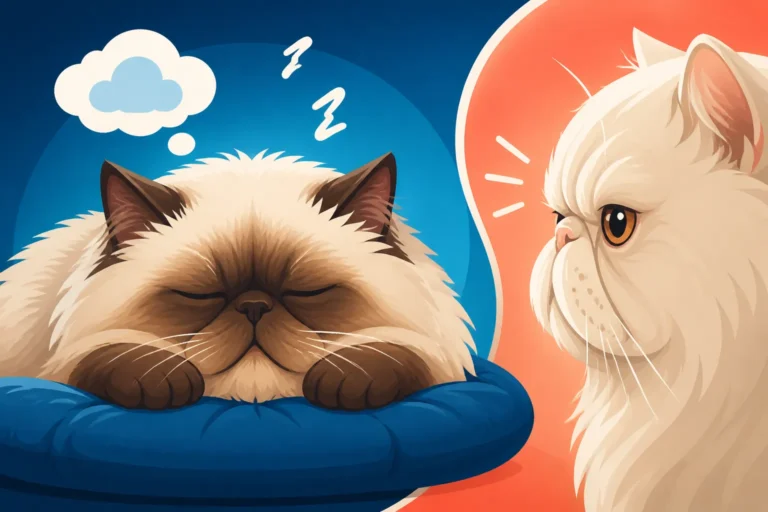
Our beautiful Himalayans inherit their brachycephalic facial structure from their Persian lineage. This means their skull bones are shortened, particularly the muzzle, leading to that endearing "smooshed" look we all adore. But this shortening also causes a cascade of anatomical peculiarities. Their nostrils can be narrowed (stenotic nares), their soft palate elongated, and often, they have prominent facial folds, especially around the nose.
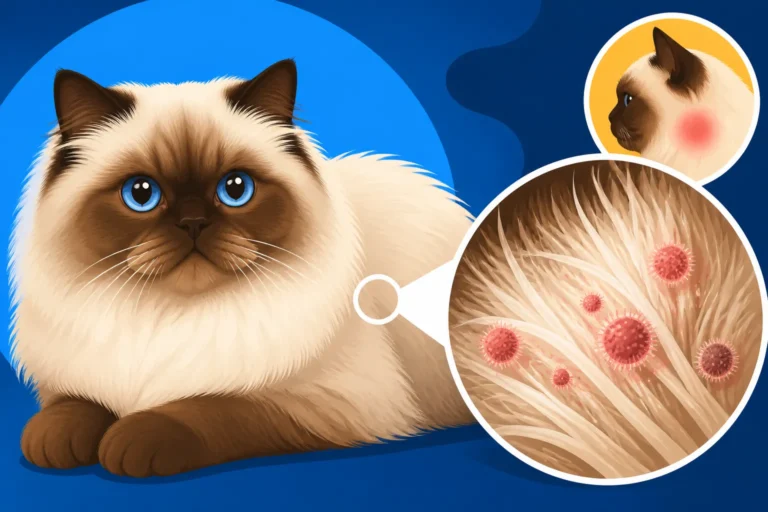
These folds aren't just cosmetic; they create warm, damp, and dark crevices that are perfect breeding grounds for bacteria and yeast. Imagine constantly having a bit of moisture trapped in a skin fold on yourself – it wouldn't take long for irritation to set in, right? For a Himalayan, this is an everyday reality. Food particles, dust, and even just the cat's own natural oils can get lodged in these folds, accumulating and setting the stage for discomfort and infection. It's a constant battle against gravity and natural physiology, and it's why we, as their devoted caretakers, need to be extra vigilant.
Constant Dampness: The Relentless Issue of Tear Staining and Moisture
Another significant factor contributing to nose leather problems in Himalayans is the almost constant presence of moisture. Their tear ducts are often slightly kinked or inefficient due to their facial structure, meaning tears don't drain properly into the nasal cavity as they should. Instead, they overflow, running down the face and collecting in the nose folds and around the nose leather itself.
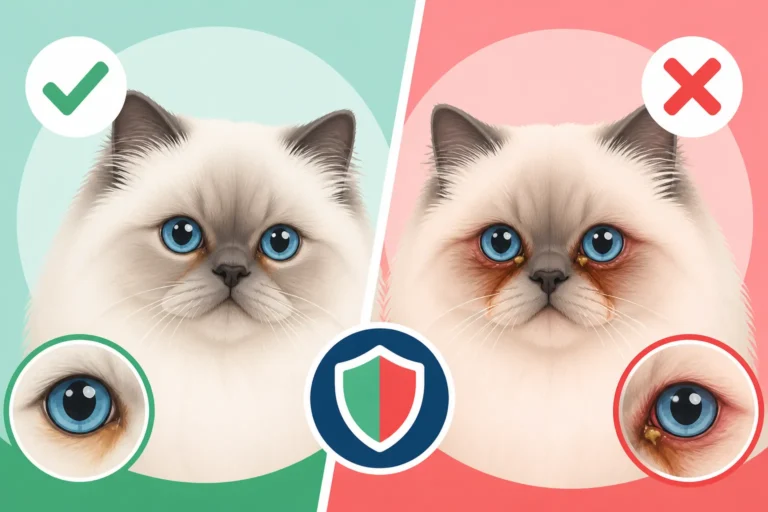
This persistent dampness is more than just an aesthetic issue causing tear stains. It softens the skin, making it more susceptible to friction, irritation, and microbial growth. If you’ve ever wondered Why a Himalayan's Eyes Water All Day, this anatomical quirk is precisely why. The combination of warmth, moisture, and often-limited air circulation within these folds creates an ideal environment for problems to fester. What starts as mild dampness can quickly escalate into something much more serious if not addressed with consistent attention.
Deciphering the Signals: What to Look For During Monthly Checks
A monthly nose leather check isn't about rushing through a quick glance. It's about a mindful, thorough examination, learning to read the subtle cues your cat's face is sending you. Catching issues early can mean the difference between a simple cleaning and a trip to the vet, potentially saving your cat from prolonged discomfort.
Visual Cues and Texture Changes: The Subtle (and Not-So-Subtle) Signs of Trouble
When you gently examine your Himalayan's nose, pay close attention to the visual aspects first. Look for any changes in color: is the nose leather itself pink and healthy, or do you see patches of redness, inflammation, or even darkening that wasn't there before? Sometimes, discolored tear stains can be a normal part of life for a pale Himalayan, but a sudden change in their intensity or an accompanying rash could indicate a problem. Also, keep an eye out for any discharge. While a little clear moisture might be normal due to tear overflow, any yellowish, greenish, or thick, crusty discharge is a red flag signaling potential infection.
Beyond color, feel the texture. Healthy nose leather should be soft and smooth. Does it feel dry, cracked, or unusually rough? Are there any scabs, crusts, or small bumps you haven't noticed before? Gently lift any prominent nose folds and look deep within the crease. This is where hidden moisture and debris love to hide, and where Telling Ordinary Himalayan Tear Staining From an Infection becomes critical. You might notice a foul odor emanating from the folds – another sure sign that bacteria or yeast are thriving in that damp environment. These visual and tactile changes are your primary indicators that something isn't quite right.
Behavioral and Comfort Indicators: How Your Cat's Actions Can Speak Volumes
Sometimes, your Himalayan will tell you something is wrong through their behavior before you even spot a physical sign. If you notice your cat frequently pawing at their face, rubbing their nose on furniture, or showing a sudden aversion to being touched around the muzzle, these are strong behavioral cues that something is bothering them. They might flinch or pull away when you try to wipe their face, even if they're usually accustomed to it.
Changes in eating habits can also be a subtle hint. If their nose or the surrounding folds are irritated, eating from a bowl might become uncomfortable, leading them to drop food more often or eat less enthusiastically. You might also notice them sleeping in unusual positions, perhaps with their neck stretched out, trying to relieve pressure or discomfort from their face. Our Himalayans are masters at hiding discomfort, a trait passed down from their wild ancestors, making it difficult to know Why a Himalayan Hides Illness Behind an Expressionless Face. Therefore, any subtle shift in their routine or demeanor should prompt a closer look at their delicate facial features.
The Serious Ramifications of Neglecting Nose Health
It's tempting to think that a little dampness or a bit of redness isn't a big deal, especially when our Himalayans often seem unbothered. However, neglecting these early signs can lead to a cascade of painful and persistent problems that significantly impact your cat's health and happiness. What seems minor can quickly become a chronic, distressing condition.
Escalating Infections and Skin Irritation: From Mild Dampness to Painful Dermatitis
The journey from simple dampness to a full-blown infection can be surprisingly quick for a Himalayan. That constant moisture, trapped within skin folds around the nose, creates a perfect petri dish for opportunistic bacteria and yeast. Initially, you might just see some redness or mild staining. But soon, these microorganisms proliferate, leading to a condition known as skin fold dermatitis. This is where the skin becomes intensely red, inflamed, itchy, and often quite painful.
If left untreated, this dermatitis can worsen, developing into deep bacterial infections (pyoderma) or persistent yeast infections, which often have a distinct, unpleasant odor. Crusts, scabs, and even open sores can form, making the simple act of breathing, eating, or even just existing incredibly uncomfortable for your cat. It's a vicious cycle: the irritation leads to more rubbing, which leads to more irritation, and the dampness perpetuates the microbial growth. Understanding What Happens If a Himalayan's Nose Fold Stays Damp really drives home the importance of daily vigilance. These infections can be incredibly stubborn to treat and often require a combination of topical and oral medications from your veterinarian.
Broader Health and Quality of Life Impacts: How Nose Issues Affect Their Entire Well-being
A persistent nose infection isn't just a localized problem; it can take a significant toll on your Himalayan's overall well-being. Chronic pain or discomfort can lead to a reduction in appetite, causing weight loss or reluctance to eat. Think about how difficult it would be to enjoy a meal with a sore, irritated face. This discomfort can also make them lethargic, less playful, and generally withdrawn. Their personality, which we cherish so much, can even seem to change due to chronic pain.
Beyond the immediate discomfort, severe infections can, in rare cases, lead to more systemic issues if bacteria enter the bloodstream, though localized problems are far more common. However, the constant battle with skin fold dermatitis can certainly impact their immune system and overall vitality. A cat that's always itchy and uncomfortable isn't a happy cat. The repeated vet visits, medication routines, and the visible distress of your beloved pet can also be incredibly stressful for you, the owner. Preventing these issues, or catching them in their infancy, is truly an act of kindness and responsible pet ownership, helping your Himalayan maintain their characteristic serene disposition.
Establishing Your Essential Monthly Nose Check Routine
Knowing why to check your Himalayan's nose leather is only half the battle; the other half is knowing how to do it effectively and consistently. Establishing a routine makes it less daunting and more ingrained into your pet care schedule. It's about being gentle, thorough, and prepared to act if you find something amiss.
A Gentle, Thorough Examination Process: How to Perform the Check Effectively and Safely
Performing a monthly nose check should be a calm, positive experience for both you and your cat. Choose a quiet time when your Himalayan is relaxed and perhaps a little sleepy. Have good lighting available – a headlamp can be surprisingly useful! Start by gently talking to your cat, offering praise and maybe a favorite treat. Slowly approach their face.
Using your thumb and forefinger, gently lift the nose folds to expose the skin underneath. Look for any redness, dampness, discharge, or unusual texture. Don't forget to examine the nose leather itself – the very tip of their nose – for cracks, dryness, or discoloration. Look for any signs of irritation around the inner corners of their eyes too, where tears often overflow. A soft, damp cotton ball or a pet-safe wipe can be used to gently clean away any visible debris or moisture during your inspection. If your cat is a kitten, getting them used to this routine early is vital, and you can even try to assess How to Judge a Himalayan Kitten's Nostrils at Twelve Weeks as part of this process. The key is patience and positive reinforcement; if your cat becomes stressed, take a break and try again later.
Here's a quick checklist for your monthly nose leather inspection:
| Area to Check | What to Look For | Potential Issue |
|---|---|---|
| Nose Leather (Tip) | Dryness, cracking, scabs, change in color | Dehydration, sun exposure, minor injury, infection |
| Nose Folds | Redness, swelling, dampness, dark discharge, odor | Skin fold dermatitis, bacterial/yeast infection |
| Area Under Folds | Redness, raw skin, crusts, pus | Severe dermatitis, ulceration, deep infection |
| Around Eyes | Excessive tearing, rust-colored stains, irritation, swelling | Blocked tear ducts, infection, allergies, eye issues |
| Breathing | Snorting, labored breathing, open-mouth breathing | Brachycephalic airway syndrome, nasal congestion |
Proactive Care and Knowing When to Call the Vet: Daily Habits and Professional Intervention
Beyond the monthly check, daily proactive care is your Himalayan's best defense against nose leather issues. This primarily involves gently wiping their face and drying the nose folds once or twice a day. Use a soft, damp cloth or a pet-specific, unscented wipe. The goal is to remove tear stains and keep the skin as dry and clean as possible. Regular face wiping is critical; remember Why a Himalayan's Face Must Be Wiped Every Day. Some owners find that certain foods or water types exacerbate tear staining, so observing any changes after dietary adjustments might also be helpful. If you’ve been looking for solutions to those reddish-brown streaks, consider What Turns a Himalayan's Tear Stains Rust Colored as part of your ongoing care strategy.
However, despite your best efforts, sometimes issues can arise. You absolutely must call your veterinarian if you notice persistent redness, swelling, significant discharge (especially if it's thick, colored, or odorous), bleeding, open sores, or if your cat is clearly in pain or showing discomfort. Any non-healing lesion needs immediate professional attention. Early intervention is key to preventing minor irritations from escalating into severe, painful infections. While routine care is often manageable at home, having a good pet insurance plan, like those offered by Healthy Paws, can provide immense peace of mind should a vet visit for these common Himalayan issues be needed. They can assess if a corneal ulcer, for example, is developing, similar to how they'd look for What a Corneal Ulcer Looks Like on a Blue Eyed Himalayan. Your vet can provide appropriate medications, recommend specialized cleaning products, or even discuss surgical options if anatomical issues are severe. Don't hesitate; your cat's comfort and health are worth it.
Disclaimer
This article is for general informational purposes only and does not constitute professional advice. Laws, prices and regulations vary by location and change over time. Consult a qualified professional for guidance on your specific situation.