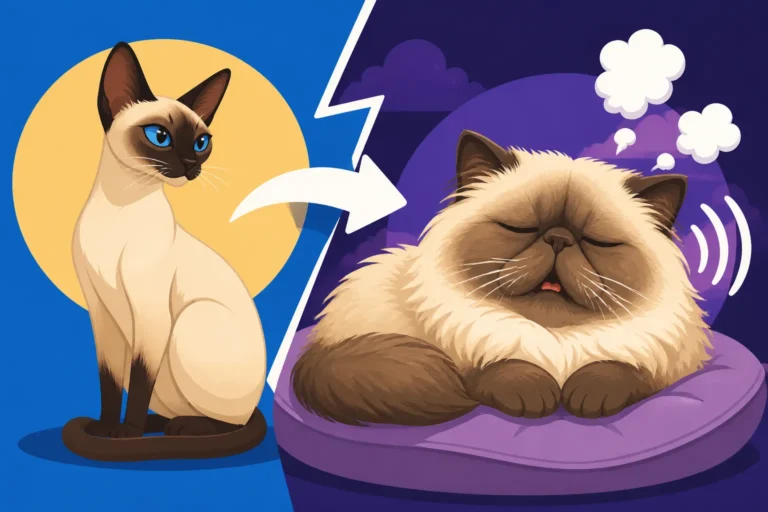
Why a Himalayan Snores Through a Persian Muzzle
It’s a sound many Himalayan cat owners know all too well: that distinctive, sometimes surprisingly loud, rumble coming from their beloved furball curled up on the sofa. You love them dearly, but sometimes it sounds like there's a miniature freight train running through your living room. You might find yourself wondering, is this normal, or should I be worried about my sweet Himalayan snoring so much? The truth is, while a certain amount of snoring can be part and parcel of owning one of these magnificent cats, understanding the why behind it, particularly given their unique lineage, is crucial for their long-term health and comfort. This guide will delve deep into the reasons your Himalayan snores, how to tell if it's a concern, and what you can do to help them breathe a little easier.
The Unique Anatomy of a Himalayan's Airway
The very features that make Himalayans so endearing – their beautiful round faces and expressive eyes – are also the primary contributors to their characteristic snoring. These cats are what we call "brachycephalic," a term you might have heard in reference to certain dog breeds, and it refers to their shortened skull and flat face. This isn't just an aesthetic trait; it profoundly impacts their respiratory system.
The Persian Influence on Snoring
Your Himalayan's facial structure is largely inherited from its Persian ancestry. Persians are known for their distinctive "peke face" or "doll face" profiles, which, while adorable, come with a built-in set of challenges for breathing. Essentially, the soft tissues within their airway are crammed into a much smaller space than nature originally intended. Imagine trying to fit a full-sized blanket into a tiny drawer; it's going to get squished and wrinkled, and things won't flow smoothly. That's a bit like what happens inside a Himalayan's nose and throat.
This shortened snout means that the nasal passages are often compressed and narrowed. Air has a harder time flowing freely, leading to increased resistance. When your cat breathes, this resistance causes the soft tissues in the back of their throat to vibrate, producing that familiar snoring sound. It’s not just a cute quirk; it's often a sign of increased effort just to move air in and out. If you've ever heard a Himalayan making sounds like a light snuffle or gentle grunting, especially when sleeping deeply, this is likely part of the normal range of sounds associated with their unique structure, as discussed in detail in Why a Himalayan Snores Louder Than Its Siamese Ancestors.
The Role of the Soft Palate
Beyond the nasal passages, another major player in the snoring game is the soft palate. In cats with longer muzzles, the soft palate is appropriately sized for their oral cavity. However, in Himalayans, this piece of tissue, located at the back of the roof of the mouth, can be excessively long. Because their skull is shortened, the soft palate doesn't have enough room and can extend too far backward, partially obstructing the entrance to the trachea (windpipe).
When your Himalayan breathes, especially during sleep when muscles relax, this elongated soft palate can flop down and vibrate against other structures in the throat, creating a loud snoring noise. Think of it like a loose flag flapping in the wind, but inside your cat's throat. This obstruction isn't just about noise; it means they're not getting as much oxygen as they should with each breath, or they're working much harder to get it. In more severe cases, this can lead to open-mouth breathing or gasping, which are serious signs that When a Himalayan's Open Mouth Breathing Needs a Vet needs to be considered.
Nostril Stenosis and Breathing Challenges
Take a close look at your Himalayan's nostrils. Do they seem particularly small or pinched? This condition is called stenotic nares, and it’s yet another common feature of brachycephalic breeds that contributes significantly to breathing difficulties and, by extension, snoring. Instead of wide, open passages, the nostrils are narrow and restrict the amount of air that can enter the respiratory system.
Imagine trying to breathe deeply through a tiny straw all day long. It's exhausting and inefficient. For a Himalayan with stenotic nares, every breath is a bit of a struggle, even at rest. The reduced airflow creates more turbulence as air is forced through the constricted opening, which can amplify snoring sounds. Your vet can give you a better idea of how severe this is by performing a simple assessment, which might be similar to How a Vet Grades a Himalayan's Nostrils. While it might seem minor, the combined effect of stenotic nares, an elongated soft palate, and compressed nasal passages can create significant respiratory challenges, even for a cat that appears healthy.
Beyond Genetics: Other Factors Contributing to Snoring
While genetics play a huge role in a Himalayan's predisposition to snoring, other lifestyle and health factors can certainly exacerbate the issue, turning a gentle snuffle into a roaring cacophony. Understanding these additional contributors can help you manage your cat's breathing health more effectively.
Weight Management and Airway Health
It’s a sad but true fact that just like in humans, extra weight in cats can make existing breathing problems worse. An overweight Himalayan will often carry excess fat not only externally but also internally, around the throat and chest. This internal fat deposition can further narrow the already compromised airways. The additional tissue puts pressure on the trachea and surrounding structures, making it even harder for air to pass freely.
If your Himalayan is on the heavier side, you might notice their snoring becomes louder and more frequent. They might also become winded more easily during play, or even struggle more in warmer temperatures. Maintaining a healthy weight is paramount for a brachycephalic cat. Even a slight reduction in weight can make a noticeable difference in their ability to breathe comfortably. This also ties into their general mobility and self-grooming habits, as a heavier cat might struggle with Why a Heavy Himalayan Stops Grooming Its Points. Regular exercise, even short, gentle play sessions, and a carefully monitored diet are crucial.
Environmental Triggers and Allergies
Sometimes, the culprits aren't just inside your cat but floating around their environment. Just like us, cats can suffer from allergies and sensitivities to airborne irritants. Dust, pollen, mold, cigarette smoke, strong perfumes, and even certain types of cat litter can all irritate a Himalayan's sensitive respiratory system. Their already narrow airways become even more inflamed and congested when exposed to these irritants.
When the lining of their nasal passages swells due to an allergic reaction or irritation, the space for air to travel shrinks further. This increased obstruction leads to louder, more labored breathing and, inevitably, more snoring. You might notice other symptoms too, such as sneezing, watery eyes, or even a runny nose. Keeping your home clean, using air purifiers, opting for dust-free litter, and avoiding strong chemical cleaners can go a long way in reducing environmental triggers. Pay attention to seasonal changes, too; pollen can be a silent enemy for our feline friends.
Dental Issues and Oral Health
This might seem a bit surprising, but your Himalayan's dental health can also play a part in their snoring. Due to their shortened muzzles, Himalayans often have crowded mouths, which can lead to various dental problems. How a Shortened Jaw Crowds a Himalayan's Teeth is a common issue, with teeth overlapping or growing at odd angles. This crowding can make them more prone to plaque and tartar buildup, gum disease (gingivitis), and even tooth decay.
Inflammation or infection in the mouth can create swelling in the surrounding tissues. In severe cases, abscesses or significant gum inflammation can actually impinge on the airway, especially if they are located towards the back of the mouth or throat. This added pressure and obstruction can worsen snoring. Furthermore, if your cat is experiencing discomfort from dental pain, it might alter their sleeping position or breathing patterns, contributing to the noise. Regular dental check-ups and cleanings, possibly more often than for other breeds, are not just about fresh breath; they are vital for overall health, including respiratory function. Consider an insurance plan like Healthy Paws to help manage these routine but essential veterinary costs, as dental work under anesthesia can be quite an expense.
When Snoring Becomes a Concern: Signs to Watch For
It's clear that some level of snoring is 'normal' for many Himalayans. But how do you know when it crosses the line from endearing quirk to a potential health issue? Being attuned to the subtle differences in your cat's breathing can literally be a lifesaver.
Distinguishing Normal Snoring from Problematic Breathing
Normal snoring in a Himalayan is usually consistent, often present only during deep sleep, and doesn't seem to cause your cat any distress. It might be a gentle rumble or a soft snuffle. The cat will appear relaxed, their chest movements will be regular, and their breathing will not be labored. They wake easily and are their usual playful selves. This is just What a Well Built Himalayan's Breathing Sounds Like.
However, problematic breathing goes beyond a simple snore. Here are some key signs that indicate your Himalayan might be struggling:
- Loud, Raucous Snoring: If the snoring is extremely loud, sounds like choking or gasping, or is accompanied by rattling or whistling noises, it's a red flag.
- Persistent Snoring When Awake: While an occasional snort when awake might be normal, constant noisy breathing even when alert and active is concerning.
- Open-Mouth Breathing: Cats are obligate nasal breathers, meaning they primarily breathe through their noses. If your Himalayan is consistently breathing with an open mouth, especially at rest or after minimal exertion, this is a clear sign of significant respiratory distress. This is a critical indicator that warrants immediate attention.
- Gasping or Choking: Any signs of struggling for air, sudden gasps, or sounds that indicate choking should never be ignored.
- Blue or Purple Gums/Tongue (Cyanosis): This is an emergency. It means your cat is not getting enough oxygen. Seek immediate veterinary care.
- Restlessness or Difficulty Finding a Comfortable Sleeping Position: A cat that can't settle or keeps changing positions, often stretching their neck out (Why a Himalayan Sleeps With Its Neck Stretched Out), might be trying to find a way to open its airway.
- Reduced Activity Levels: If your typically playful Himalayan becomes lethargic or avoids activity, especially if accompanied by noisy breathing, it could be due to oxygen deprivation.
- Panting or Rapid Breathing: While cats can pant when overheated or stressed, persistent panting without obvious cause, or rapid, shallow breathing, is abnormal. How Soon a Himalayan Starts Panting During Play can indicate their respiratory capacity.
When to Consult Your Veterinarian
If you observe any of the concerning signs listed above, or if you simply feel uneasy about your Himalayan's breathing, it's always best to consult your veterinarian. Don't wait until it becomes an emergency. Early intervention can make a significant difference.
Your vet will conduct a thorough physical examination, listening to your cat's heart and lungs, and carefully assessing their facial structure, nostrils, and oral cavity. They might perform diagnostic tests such as X-rays of the chest and throat, or even an endoscopic examination to visualize the airway directly. Blood tests might also be recommended to rule out other underlying health conditions.
It's important to provide your vet with a detailed history of your cat's breathing patterns, including when the snoring started, how loud it is, and what other symptoms you've noticed. If you have video recordings of your cat snoring or struggling to breathe, these can be incredibly helpful for the vet to understand the severity of the issue. Be prepared for a discussion about potential surgical options, such as widening the nostrils (Whether Widening a Himalayan's Nostrils Helps) or shortening the soft palate (What Soft Palate Surgery Involves for a Himalayan), which can dramatically improve a severely affected cat's quality of life. Veterinary expenses can be substantial, so having pet insurance from a provider like Healthy Paws can provide peace of mind in these situations.
Managing and Minimizing Himalayan Snoring
Once you understand why your Himalayan snores, and whether it's merely a "feature" or a "bug," you can take proactive steps to manage and potentially minimize the noise and associated health risks. It’s all about creating an environment and lifestyle that supports their unique needs.
Lifestyle Adjustments for Better Breathing
Many aspects of your Himalayan's daily life can be adjusted to help them breathe more easily:
- Maintain a Healthy Weight: This is probably the single most impactful lifestyle change. Work with your vet to determine an ideal weight for your cat and create a feeding plan. Smaller, portioned meals and encouraging gentle play can help shed those extra pounds. Remember, How Many Calories an Adult Himalayan Burns a Day is often less than you think if they're quite sedentary.
- Control Environmental Allergens: As mentioned earlier, keeping your home free of dust, strong chemicals, and allergens can greatly reduce airway inflammation. Use HEPA air filters, vacuum regularly with a filter-equipped vacuum, and choose unscented, dust-free cat litter. Avoid smoking indoors or using aerosol sprays near your cat.
- Ensure Proper Hydration: Adequate hydration helps keep mucous membranes moist and can reduce the thickness of respiratory secretions. Always ensure fresh, clean water is available. Some Himalayans prefer running water from a fountain, but make sure it’s a wide, shallow one that doesn’t push their delicate whiskers back.
- Cool Environment: Himalayans, with their thick coats and compromised airways, struggle immensely in heat. Keep your home cool, especially during warmer months. Air conditioning, fans (not blowing directly on them), and cool resting spots are essential. An overheated cat will pant and struggle even more, making snoring worse. How to Cool a Long Coated Himalayan in Summer includes practical tips like cool tiles or damp towels.
- Elevated Food and Water Bowls: For some flat-faced cats, eating and drinking from elevated bowls can improve head and neck alignment, making it easier to swallow and breathe, thus potentially reducing post-meal snoring or congestion. Look for wide, shallow bowls to accommodate their face.
- Stress Reduction: A stressed cat can exhibit increased respiratory effort. Maintain a consistent routine, provide plenty of safe, quiet spaces, and use Feliway diffusers if needed to create a calm environment.
Veterinary Interventions and Support
When lifestyle changes aren't enough, or if your Himalayan's breathing issues are more severe, your veterinarian may recommend medical or surgical interventions.
- Medications: For inflammation due to allergies or other irritants, your vet might prescribe anti-inflammatory medications (like corticosteroids) or antihistamines to reduce swelling in the airways. If an infection is present, antibiotics would be appropriate.
- Dental Care: Regular professional dental cleanings under anesthesia are vital, especially for Himalayans with crowded jaws. Addressing gum disease and extracting problematic teeth can alleviate inflammation and improve overall oral health, indirectly supporting better breathing.
- Surgical Correction (Brachycephalic Obstructive Airway Syndrome – BOAS Surgery): This is often the most effective solution for severe cases. The most common procedures include:
- Stenotic Nares Correction: This involves surgically widening the nostrils to allow for better airflow. It's a relatively straightforward procedure with significant benefits.
- Elongated Soft Palate Resection: The veterinarian carefully shortens the soft palate to prevent it from obstructing the airway.
- Everted Laryngeal Saccules Removal: In some cases, small sacs inside the larynx can get pulled into the airway due to increased breathing effort, further blocking air. These can be removed.
While surgery sounds daunting, for cats severely affected by BOAS, these procedures can dramatically improve their breathing, increase their energy levels, reduce snoring, and significantly enhance their quality of life. It’s a decision to make with your vet after careful consideration of your cat's specific condition. Pet insurance plans like Healthy Paws can be incredibly beneficial for covering a significant portion of these surgical costs, which can otherwise be quite high. They understand the unique needs of different breeds and offer comprehensive coverage.
Living with a Himalayan means embracing their unique characteristics, and sometimes that includes a symphony of snores. By understanding the anatomical reasons, recognizing additional contributing factors, and knowing when to seek professional help, you can ensure your furry friend breathes as comfortably and healthily as possible for many wonderful years.
Disclaimer
This article is intended for informational purposes only and does not constitute medical advice. Always consult with a qualified veterinarian for any health concerns or before making any decisions about your pet's health or treatment.