Why a Himalayan Sleeps With Its Neck Stretched Out
It’s a sight many Himalayan cat parents know well: you glance over at your napping furball, expecting to see them curled up in a neat little ball, but instead, they’re stretched out on their back or side, neck extended like a graceful ballerina. This seemingly odd sleeping posture can sometimes spark a little worry – why exactly does your beautiful Himalayan need to sleep this way? This comprehensive guide will delve into the anatomical quirks, respiratory needs, and comfort-seeking behaviors that explain why your Himalayan cat often sleeps with its neck stretched out.
Understanding the Himalayan's Unique Anatomy
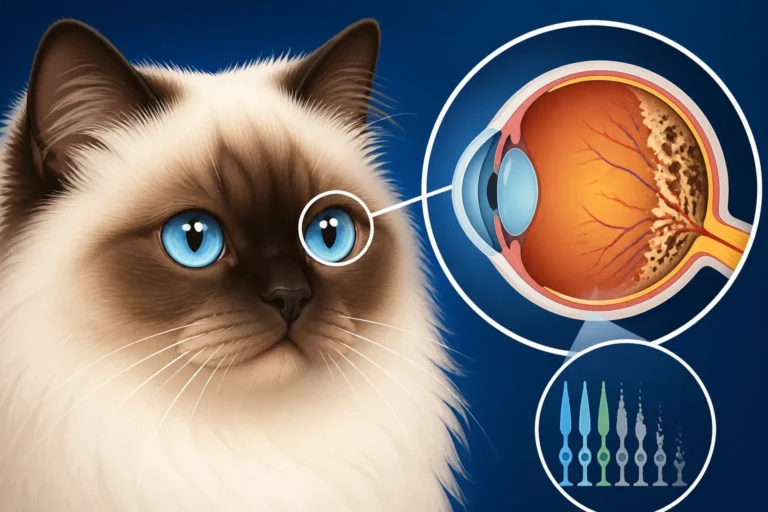
The Himalayan cat, with its stunning colorpoint coat and striking blue eyes, is undeniably beautiful, but its distinctive facial structure comes with a specific set of anatomical challenges. Understanding these is the first step to knowing why they adopt certain behaviors, including their stretched-out sleeping position.
The Brachycephalic Challenge
At the heart of many Himalayan characteristics, including their breathing patterns, is a condition known as brachycephaly. This simply means "short-headed." Like their Persian ancestors, Himalayans have a flattened face, a shortened muzzle, and a charmingly squished-in appearance. While adorable, this facial structure compresses their nasal passages and can lead to a host of respiratory challenges. Think of it like trying to breathe through a very narrow straw all the time, even when you're just relaxing.
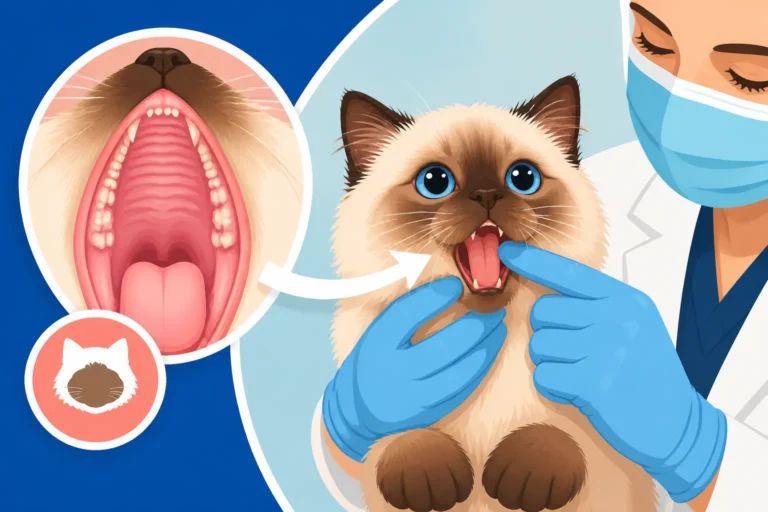
This unique anatomy means that the internal structures of their nose and throat are also compacted. Their nostrils can be quite narrow (a condition called stenotic nares), and the soft palate at the back of their mouth might be longer than it should be, partially obstructing their airway. Even when your Himalayan is wide awake and moving around, you might hear them making soft snorting sounds, a little wheeze, or even some gentle snoring – all common indicators of their efforts to pull air through those restricted passages. When they lie down to sleep, especially on their side or back, the natural relaxation of their muscles can make these airways even more collapsible, making it harder to breathe efficiently. This is why you often see them trying to find a position that opens up those air passages just a little bit more.
A Persian Legacy of Breathing Difficulties
The Himalayan's predisposition to breathing challenges is a direct inheritance from its Persian lineage. When breeders first developed Himalayans by crossing Persians with Siamese cats, they sought to combine the Persian's plush coat and docile temperament with the Siamese's striking colorpoint pattern and vocal nature. What they also inherited, however, was the brachycephalic facial structure that defines many Persian lines, particularly the more "Peke-faced" varieties.
This genetic inheritance means that many Himalayans contend with conditions like stenotic nares and an elongated soft palate. Stenotic nares are simply nostrils that are too small or pinched, restricting the amount of air that can enter the respiratory system. Imagine trying to run a marathon while pinching your nose – it would be incredibly difficult to get enough oxygen. For a Himalayan, this happens just existing. An elongated soft palate, on the other hand, is a piece of tissue at the back of the mouth that, when too long, can partially block the entrance to the trachea (windpipe). When a cat is awake, muscle tension might keep this palate relatively clear, but as soon as they fall into a deep sleep, these muscles relax. This relaxation allows the elongated soft palate to fall back and obstruct the airway, leading to those characteristic snorting or snoring sounds, and often, the need to stretch the neck out to alleviate some of that obstruction. This legacy is why Why a Himalayan Snores Louder Than Its Siamese Ancestors often rings true for many Himalayan owners.
Respiratory Effort and Compensation
Your Himalayan isn't stretching its neck out just for fun; it's often an unconscious, instinctual attempt to make breathing easier, especially when their muscles are relaxed during sleep.
Maximizing Airflow While Resting
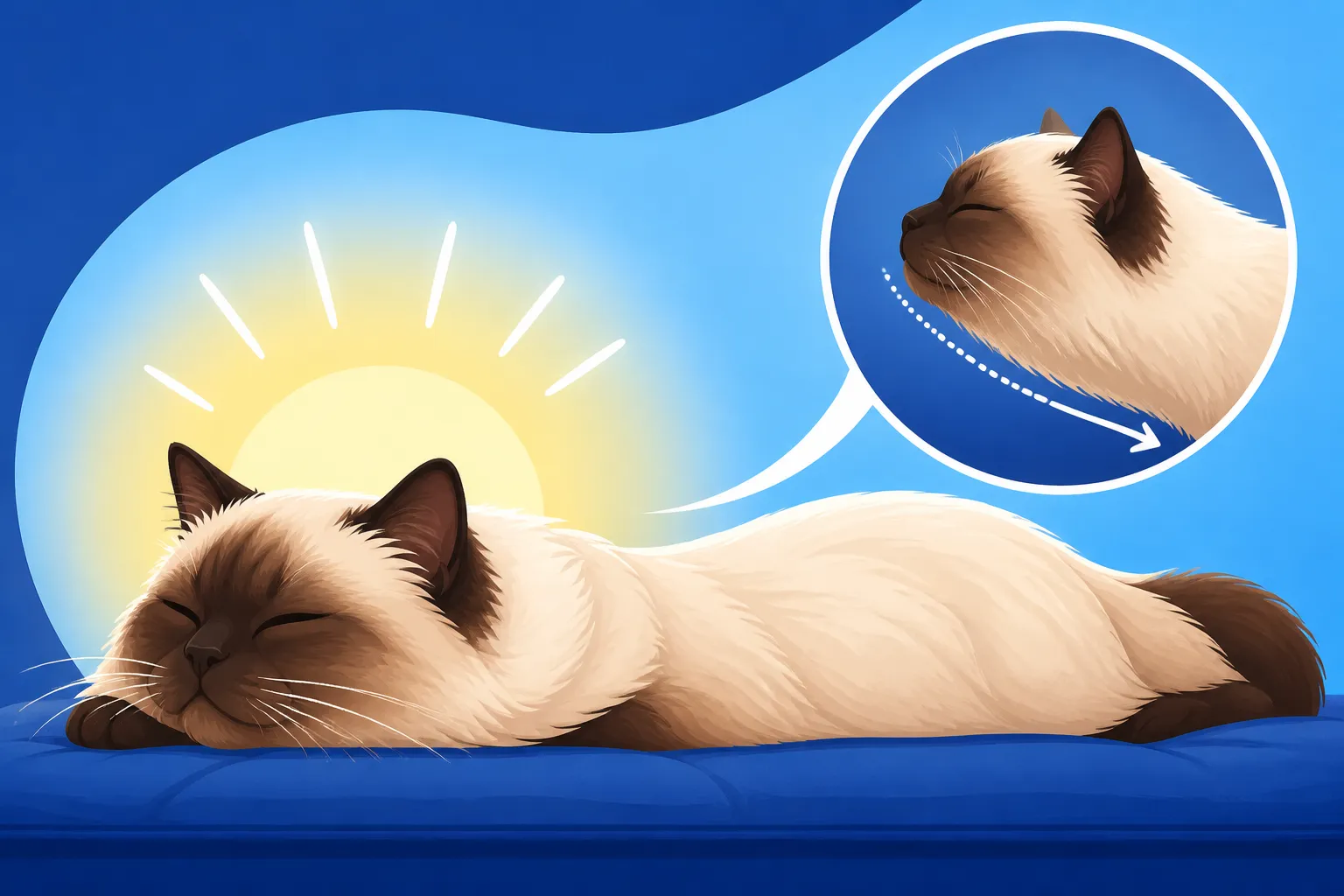
When your Himalayan stretches its neck, particularly when lying on its back or side, it’s instinctively trying to improve the alignment of its upper airway. Think of it as manually creating a straighter path for air to travel from the nostrils and mouth down to the lungs. This subtle adjustment can have several mechanical benefits. First, it can help to pull the elongated soft palate forward, reducing its tendency to fall back and obstruct the entrance to the larynx and trachea. Secondly, by extending the neck, the soft tissues around the pharynx and larynx are put under slight tension, which can help to widen the compressed airways just enough to allow for a less strenuous breath.
It’s a natural compensatory behavior, not a deliberate choice made by your cat. They aren't thinking, "Oh, I need to stretch my neck to breathe better." Instead, their body is simply seeking the path of least resistance for airflow. This is why you might notice this posture more when they are in a deep sleep, as their muscles are completely relaxed and the brachycephalic challenges become more pronounced. Observing your Himalayan in this position can be an early indicator of how much effort they put into breathing, even during rest. It's a key reason Why a Himalayan Snores Through a Persian Muzzle is such a common complaint among owners.
The Elongated Soft Palate Connection
One of the most significant contributors to breathing difficulties in brachycephalic breeds like Himalayans is an elongated soft palate. This is a flap of tissue that extends from the roof of the mouth and, in some brachycephalic cats, is simply too long. When the cat is relaxed or asleep, this excess tissue can partially block the opening to the windpipe, creating a physical barrier to smooth airflow.
When your Himalayan stretches its neck, it's essentially trying to pull that soft palate forward and away from the airway. Imagine a curtain that’s a bit too long and keeps getting caught in a doorway. Stretching the neck is like pulling that curtain back just enough to let you pass through more easily. If your Himalayan routinely makes gagging, choking, or loud snorting sounds during sleep, or even after eating or playing, it could be a sign that the elongated soft palate is a significant issue. In severe cases, where breathing is consistently labored and quality of life is affected, surgical intervention might be considered. It's important to discuss this with your vet, as procedures like What Soft Palate Surgery Involves for a Himalayan can make a huge difference.
Nostril Narrowing and its Role
Another piece of the brachycephalic puzzle that contributes to a Himalayan's stretched-neck sleeping posture is stenotic nares, or narrowed nostrils. While stretching the neck primarily addresses issues further down the airway, like the soft palate, it can still play a role in optimizing overall air intake when the nostrils are constricted.
Even if a cat resorts to open-mouth breathing, which is a clear sign of respiratory distress, the angle at which air enters the throat can be improved by stretching the neck. It might not seem like much, but every little bit helps when the primary entry points for air are compromised. If your Himalayan’s nostrils look perpetually pinched or extremely small, your vet can assess the severity of this condition. Sometimes, a minor surgical procedure to widen the nostrils (rhinoplasty) can significantly improve a cat's ability to breathe, especially during sleep. Getting a clear assessment from your vet, who can properly determine How a Vet Grades a Himalayan's Nostrils, is essential for understanding your cat's specific needs.
Comfort, Temperature, and Other Factors
While respiratory considerations are often paramount, sometimes the stretched-neck posture can be influenced by simpler factors like comfort and temperature regulation.
Finding the Most Comfortable Position
Cats are masters of comfort, and sometimes, a stretched-out neck might simply be the most comfortable position for your individual Himalayan, irrespective of severe breathing issues. Just like humans have their preferred pillow height or sleeping side, cats also develop sleeping habits that they find most relaxing. With their dense, long coats and cobby bodies, finding a truly comfortable and cool position can be a bit of a challenge.
The stretched-out posture might alleviate pressure points, help distribute their weight more evenly, or just be the unique way they feel most at ease. You might notice your Himalayan adjusting themselves multiple times before settling into this pose. If your cat adopts this position consistently, but doesn't show other signs of respiratory distress (like excessive snoring, open-mouth breathing when not overheated, or restlessness), it could very well be their personal preference for maximum relaxation. Observe them closely: do they do it only when truly in a deep, peaceful sleep, or are they constantly fidgeting and stretching, even when lightly dozing? This can give you clues as to whether it’s primarily comfort-driven or a response to mild discomfort.
Temperature Regulation and Air Circulation
Himalayan cats, with their luxurious, thick double coats, are prone to overheating, even in moderate temperatures. Their brachycephalic faces further exacerbate this, as panting (a cat's primary cooling mechanism) is less efficient when airways are restricted. When a Himalayan gets too warm, it needs to find ways to dissipate heat, and this can influence sleeping postures.
Stretching the neck can subtly expose more of the throat and chest area, which might be a bit cooler than other parts of their densely furred body. This minor increase in exposed surface area, combined with potentially improved air circulation around their face and neck, could help them feel slightly cooler. It's a small but potentially significant advantage in managing their body temperature. Always ensure your Himalayan's sleeping area is cool and well-ventilated, especially during warmer months, as The Temperature a Himalayan Starts to Struggle At is often lower than you might expect for other breeds. Providing a cool tile or a cooling mat can also make a world of difference.
Differentiating Normal Behavior from Concern
It's natural to observe your pet's quirks, and a stretched-out neck while sleeping can definitely catch your eye. While some occasional neck stretching might simply be a comfort preference, it’s crucial to know when this behavior might signal a deeper underlying health concern, particularly given the Himalayan's brachycephalic nature.
If your Himalayan consistently sleeps with its neck stretched out, but otherwise breathes quietly, appears relaxed, and doesn't exhibit any other worrying symptoms, it might just be their normal, comfortable habit. However, if this posture is accompanied by any of the following, it warrants immediate attention:
- Loud, raucous snoring: Beyond a gentle rumble, if the snoring is loud, gasping, or sounds like a struggle for air.
- Persistent open-mouth breathing: This is a clear sign of respiratory distress in cats. When a Himalayan's Open Mouth Breathing Needs a Vet is not just a question, but a critical directive – call your vet.
- Panting or labored breathing at rest: If they're panting without recent exertion or seem to be struggling for each breath.
- Blue-tinged gums or tongue (cyanosis): This is an emergency and indicates a severe lack of oxygen. Seek immediate veterinary care.
- Restlessness during sleep: If they frequently shift positions, wake up abruptly, or seem unable to find a comfortable breathing position.
- Exercise intolerance: If they tire very quickly during play or become lethargic.
If you observe any of these warning signs, it's essential to consult your veterinarian promptly. They can perform a thorough examination to identify any anatomical issues or underlying health conditions. Remember, proactive care is always best, and having a good pet insurance plan like Healthy Paws can provide peace of mind for potential diagnostic tests or treatments. Don't hesitate to reach out to your vet if you have any concerns about your cat's breathing.
Supporting Your Himalayan's Breathing and Comfort
While the stretched-neck sleeping position can be a natural adaptation for Himalayans, there are several things you can do as an owner to further support their respiratory health and overall comfort.
Environmental Adjustments
Creating an optimal environment for your Himalayan can significantly reduce the strain on their respiratory system and help them find restful sleep. Start by ensuring their living space is consistently cool, especially during warmer months. Himalayans struggle with heat, so consider using air conditioning or fans to maintain a comfortable ambient temperature. High humidity can also make breathing more difficult, so if you live in a humid climate, a dehumidifier might be beneficial. Remember that How to Cool a Long Coated Himalayan in Summer is about more than just comfort; it's about their health.
When it comes to bedding, choose flat, supportive beds rather than deep, plush ones that might restrict neck movement or trap heat. A flat surface allows them to stretch out fully and position their head and neck as needed without obstruction. Ensure their favorite sleeping spots are away from direct sunlight, noisy areas, or drafts. Finally, always provide easy access to fresh, clean water. Staying well-hydrated helps keep mucous membranes moist, which can aid in easier breathing.
Weight Management and Diet
Maintaining a healthy weight is paramount for brachycephalic breeds. Excess weight can severely exacerbate breathing difficulties in Himalayans. Just like in humans, extra fat deposits can accumulate around the throat and chest, further narrowing already constricted airways. This makes every breath more challenging, leading to louder snoring, more frequent open-mouth breathing, and increased reliance on compensatory postures like neck stretching.
Work with your veterinarian to establish an appropriate diet and feeding schedule for your Himalayan. Given their generally less active lifestyle compared to some other breeds, Himalayans don't burn as many calories and can easily put on weight. Regular, controlled portions of high-quality cat food are essential. While strenuous exercise isn't recommended for Himalayans, gentle play sessions with wand toys or laser pointers can help keep them engaged and active, contributing to weight management. Remember, understanding What a Cobby Himalayan's Frame Should Weigh is crucial to preventing obesity and its associated health problems. A healthy weight can make a world of difference in their ability to breathe comfortably, especially when sleeping.
Regular Veterinary Check-ups and Monitoring
Proactive veterinary care is perhaps the most important aspect of supporting your Himalayan's long-term health, particularly concerning their unique anatomy. Regular check-ups allow your vet to monitor their respiratory health, assess for any progression of brachycephalic syndrome, and catch potential issues early. During these visits, your vet will listen to their heart and lungs, examine their nostrils and mouth, and discuss any changes in their breathing patterns or sleeping habits you've observed.
Your vet can offer personalized advice on managing their condition, which might range from environmental adjustments and weight management strategies to discussing surgical options if conservative measures aren't sufficient. They can also provide guidance on potential medications or therapies that could improve your cat's quality of life. Be open with your vet about any concerns, no matter how small they seem. For instance, if you've noticed increased snoring or more frequent neck stretching, share this information. Having pet insurance, such as from Healthy Paws, can be incredibly beneficial for covering the costs of these routine check-ups, diagnostics, and any potential treatments or surgeries your Himalayan might need down the line. It ensures you can always prioritize your cat's health without financial worry. Remember, Why a Himalayan's Vet Year Is Eyes, Teeth and Kidneys also includes a thorough assessment of their breathing and overall health.
Comprehensive Breathing & Health Indicators for Himalayans
To help you keep track of your Himalayan's health, here's a comparison of key indicators:
| Feature | Healthy Himalayan (Ideal) | Concerned Himalayan (Needs Vet Attention) |
|---|---|---|
| Breathing Sound (Awake) | Quiet, soft breaths, occasional gentle snore | Loud, labored, wheezing, gasping, frequent snorts |
| Breathing Sound (Asleep) | Soft, rhythmic purr/snore, relaxed | Very loud snoring, choking/gagging sounds, restless, sudden waking |
| Nostrils | Open, visibly clear | Pinched, narrow, barely open, visible effort to flare |
| Gums/Tongue Color | Healthy pink | Pale pink, bluish, or grayish |
| Energy Level | Playful bursts, relaxed lounging | Lethargy, tiring quickly during play, panting after minimal exertion |
| Sleeping Posture | Varied, includes stretched neck | Exclusively stretched neck, restless, unable to find comfort |
| Face Care | Clean face, minimal tear staining | Significant tear staining, damp folds, irritated skin around nose |
| Weight | Lean, visible waistline under fur | Overweight, difficulty grooming, fat deposits around neck |
Disclaimer
The information provided in this guide is for general informational purposes only and does not constitute veterinary advice. Always consult with a qualified veterinarian for any health concerns or before making any decisions related to your pet's medical care.