Why a Himalayan Carries Litter Out of the Box
Ah, the daily ritual of finding little granules of litter scattered far and wide, often miles from the litter box itself! It's a universal struggle for many cat owners, but for those of us who share our homes with the magnificent Himalayan, it feels like a particularly Herculean task. You love that cloud-like fur, that cobby body, and those endearing short legs, right? Well, those very traits, as charming as they are, are often the culprits behind the mysterious spread of litter across your clean floors. This guide is going to dive deep into why your beloved Himalayan seems to be a walking litter dispenser and, more importantly, what you can realistically do about it.
The Himalayan's Unique Physique: A Walking Litter Magnet
Let's be honest, part of the Himalayan's charm is that luxurious, flowing coat and their distinctly cobby, short-legged build. They're like fluffy, elegant little clouds. But these very features, which make them so beautiful and cuddly, are also perfectly designed to pick up and distribute litter throughout your home. It's not their fault; it's just how they're built!
The Luxurious Coat and Undercoat: A Sticky Situation
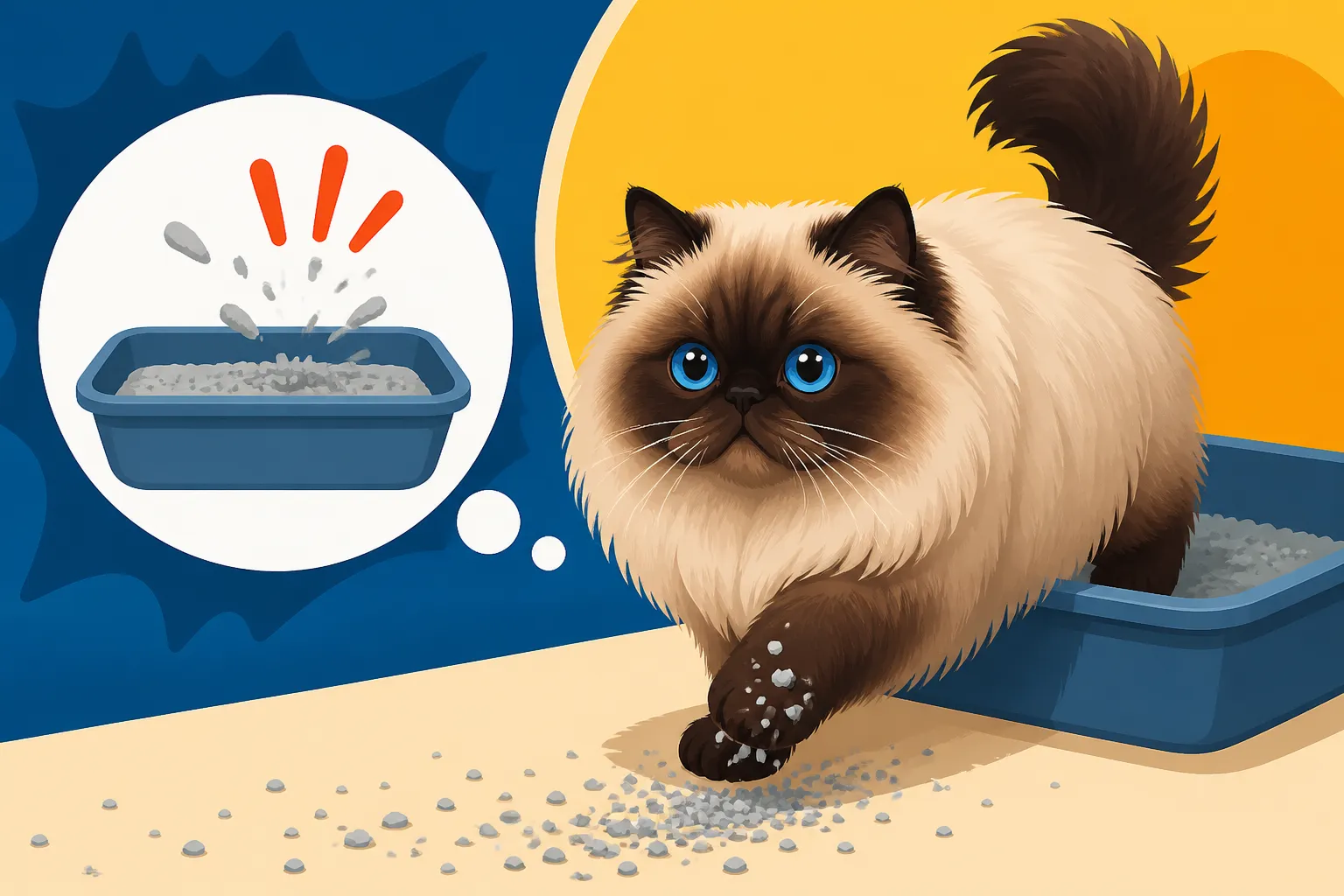
Imagine wearing a fur coat that goes down to your ankles, and then trying to navigate a sandy beach. That's a bit like what your Himalayan experiences every time they step into their litter box. Their long, dense coat, particularly the guard hairs and the incredibly thick undercoat, acts like a magnet for all sorts of tiny particles. Fine-grained clay litter, in particular, adheres to these hairs with surprising tenacity. It gets caught in the deeper layers of fur on their belly and legs, only to be shed as they move, stretch, or simply jump off the sofa.
This isn't just a surface issue; the undercoat is incredibly dense. Even when the outer layer looks relatively clean, those tiny granules can be hidden deeper within the fur, ready to emerge at the most inconvenient moment. You might comb your cat daily, which is definitely a must, but even with diligent effort, some of those stealthy pieces of litter manage to evade capture, nestled deep within that magnificent mane. It's a constant battle against physics and fur, and often, the fur wins. A quick glance at How Much Undercoat a Himalayan Carries Under Its Points will give you an idea of just how much fur we're talking about!
Feathered Britches and Paw Tufts: The Hidden Carriers
Beyond the general fluff, specific areas of your Himalayan's anatomy are practically purpose-built for litter tracking. Let's talk about those adorable feathered britches – that long, silky fur around their hindquarters. Every time your Himalayan squats in the litter box, these britches act like a miniature broom, sweeping up loose litter. Then, as they stand and move away, those little granules are carried along for the ride. It's not pleasant for them, and it's certainly not pleasant for you when you find a little trail leading from the box! This is precisely why regular grooming of this area is so critical.
Then there are the paw tufts. Himalayans often have significant tufts of fur growing between their paw pads. These tufts are like tiny brushes that pick up litter every time they dig or step in the box. Even if the litter isn't clinging to the main body coat, these furry little pockets between their toes are excellent at collecting and transporting it. Your cat might shake their paws, or even try to lick them clean, but often, a few stubborn pieces remain, ready to be deposited on your rug or bed. It’s a classic case of nature meeting modern convenience, and the results are often quite messy. Taking the time to trim these tufts can make a world of difference, something we'll discuss later. You might even find specialized paw trimmers on sites like Chewy that can help with this delicate task.
Litter Box Logistics: More Than Just a Box
When you're dealing with a Himalayan, the litter box itself becomes a strategic outpost in the fight against tracking. It's not just about providing a place for them to do their business; it's about optimizing that space to minimize the escape of litter. A poorly chosen box or an ill-considered setup can turn a minor nuisance into a major daily cleanup.
The Wrong Box for a Cobby Cat: Size and Entry Matters
Himalayans, with their cobby bodies and shorter legs, don't always navigate standard litter boxes with ease. Imagine trying to step over a high wall when you have shorter limbs and a fluffy belly! A box with high sides, while seemingly a good idea to contain kicked-out litter, can actually make entry and exit challenging for your Himalayan. This discomfort can lead to them rushing out, scattering more litter, or worse, finding alternative (unapproved) spots to relieve themselves.
Conversely, a box that's too shallow might be easy to get into, but it won't contain much of anything. Litter will fly out with every enthusiastic digging session. The ideal solution often lies in finding a box with a lower entry point, perhaps a "senior" or "cat-friendly" design, but with higher sides after the entry dip. Covered boxes can also help contain scatter, but they come with their own considerations: some Himalayans dislike the enclosed space, and the reduced airflow can trap odors, making them less appealing. Look for options on Amazon that cater to larger, cobby breeds, specifically mentioning low entry or wide interior dimensions. Why a Short Legged Himalayan Needs a Low Sided Box delves deeper into finding the right fit.
Location, Location, Location: Controlling the Spill Zone
Where you place the litter box has a surprising impact on how far litter tracks. If the box is right in the middle of a high-traffic area, every granule that escapes is more likely to be carried further into your home. Think of it as a splash zone: the closer the box is to your main living areas, the wider the area that needs vigilant cleaning.
Consider placing the litter box in a quieter, less-trafficked spot, ideally with a hard, easy-to-clean floor surface directly around it. A bathroom, laundry room, or utility closet can be good options. The goal is to create a buffer zone where most of the tracked litter can be contained before it spreads. This gives you a chance to sweep or vacuum it up regularly without feeling like the entire house is covered. If you have multiple Himalayans, or just a large home, multiple litter boxes are usually a good idea, spread out to offer convenience and reduce the amount of "travel" a cat needs to do after using the box.
Mats and Barriers: Catching What Escapes
No matter how perfect your litter box is, some litter will escape. This is where litter mats and barriers come into play. A good litter mat placed directly in front of and around the box can significantly reduce tracking. There are many types:
- Textured Rubber Mats: These often have nubs or grooves that gently dislodge litter from your cat's paws as they step on them.
- Mesh or Looped Mats: Designed to trap litter within their woven structure.
- Honeycomb Mats: These open up to release trapped litter into a lower layer, making cleanup easier.
Beyond mats, consider physical barriers. A small rug with a stiff pile, or even a boot tray can serve as a first line of defense. Some clever owners have even built or bought litter box enclosures that contain the box within a small cabinet or piece of furniture. These can be stylish and effective, creating an additional layer of containment that hides the box while giving your Himalayan a private, cleaner space. When choosing a mat, make sure it’s large enough to cover the main exit area and, if possible, extends a little further. Look for highly-rated, easy-to-clean litter mats on Chewy or Amazon – reading reviews from other long-haired cat owners can be particularly helpful here.
The Litter Itself: A Key Culprit in the Tracking Saga
You might think "litter is litter," but for a Himalayan owner, the type of litter you choose can make a monumental difference in how much ends up on your floor. It's one of the most impactful changes you can make to combat tracking.
Fine Grains vs. Larger Pellets: The Cling Factor
The biggest offender for long-haired cats like Himalayans is often fine-grained, dusty clay litter. Its small particles are excellent at clinging to fur and getting lodged in paw tufts. While many cats prefer its texture for digging and burying, the trade-off for a Himalayan owner is often a house coated in a fine layer of litter dust and granules. The static electricity generated by their fur can even attract these tiny particles, making the problem worse.
This is where experimenting with different litter types becomes crucial.
- Larger Pellets: Litters made from paper, pine, or corn often come in larger, heavier pellets. These are much less likely to cling to fur. While they might still be kicked out, they won't travel as far on your cat's body.
- Silica Gel Crystals: These litters are dust-free and have larger, less clingy particles. They're also excellent at odor control.
- Softer, Less Dust-Prone Clumping Litters: If your cat insists on clumping clay, look for brands specifically advertised as "low dust" or "multi-cat" formulas, as these sometimes have slightly larger, denser granules.
It's a balance, of course. Your cat has to like the litter. A sudden switch to a completely different texture might lead to protests outside the box. Introduce new litters gradually, mixing a small amount into their usual litter and slowly increasing the proportion over several days. You can often find a wide variety of litter types, including many low-tracking options, on Chewy's extensive pet supply pages. The goal is to find a happy medium that your Himalayan will use, but which doesn't turn them into a walking litter factory. Consider Which Litter Does Not Cling to a Himalayan's Britches for specific recommendations.
Dust is the Enemy: For You and Your Flat-Faced Friend
Beyond just tracking, dusty litter poses several problems for Himalayans. Their brachycephalic (flat-faced) structure means they can be more sensitive to airborne irritants. Inhaling fine dust particles can contribute to respiratory issues and allergies, making them sneeze or cough more frequently. Think about it: every time they dig, a cloud of dust is released right in front of their face.
Choosing a low-dust or dust-free litter is a win-win. It means less particulate matter settling on your furniture and floors, and more importantly, a healthier breathing environment for your cat. Even if you're not overly concerned about tracking, the health benefits of a dust-free litter for a flat-faced breed are significant. When you're browsing for litter, actively seek out those "99% dust-free" labels. While no litter is truly 100% dust-free, these varieties are a vast improvement over conventional clay litters. This seemingly small choice can impact both the cleanliness of your home and your Himalayan's overall well-being.
Grooming Solutions and Prevention Strategies: Taking Back Control
While you can't change your Himalayan's genetics, you absolutely can implement a proactive grooming and care routine that drastically reduces litter tracking. This is where your consistent effort truly pays off.
Regular Brushing and Trimming: The Front Lines of Defense
The single most effective way to combat litter tracking for a Himalayan is diligent, regular grooming. We're talking daily combing. This isn't just about making their coat look beautiful; it's about practical hygiene. Focus especially on their "britches" – the fur around their hindquarters – and their tummy and legs. A good quality steel comb, like those often recommended by Persian and Himalayan breeders, can work wonders in removing loose litter and preventing mats that could trap even more. The Daily Comb a Himalayan Cannot Skip is a vital read on this topic.
Beyond daily combing, strategic trimming is your secret weapon.
- Sanitary Trim: Regularly trimming the fur around your Himalayan's sanitary area (the britches) to a shorter length prevents litter, and other less pleasant things, from clinging. This is often done with blunt-nosed scissors or a small, quiet clipper. It makes cleanup much easier for both you and your cat.
- Paw Pad Trims (Toe Tuft Trims): Carefully trim the fur between your Himalayan's paw pads. This removes the "brushes" that pick up litter and reduces the surface area for granules to cling to. Be extremely careful when doing this, as it's easy to nick the paw pad itself. If you're unsure, ask your groomer or vet to show you how, or simply have them do it during routine visits.
A regular schedule for these trims, perhaps every 4-6 weeks depending on how fast your cat's fur grows, will make a noticeable difference. It's an investment of time, but it saves you much more time in daily cleanup.
Daily Face and Paw Wipes: A Quick Clean-Up
Think of this as a quick pit stop after every litter box visit, or at least once a day. Keep a soft, damp cloth or pet-safe grooming wipes near the litter box. After your Himalayan uses the box, gently wipe their paws, especially between the pads, and give their britches a quick once-over. This catches any lingering litter before they wander off to spread it around your home.
This routine also helps your cat stay cleaner and more comfortable, reducing the chances of skin irritation from trapped litter or dampness. It's a small habit that yields big results. Just make sure the wipes are unscented and specifically designed for pets to avoid any skin reactions. Products formulated for sensitive areas or for use around the eyes can often be suitable for paws too. You might even find that your cat, once accustomed, actually enjoys the attention and quick clean. This type of daily maintenance is part of the deep care a Himalayan needs, much like the commitment to good nutrition for their overall health and coat quality.
Routine and Patience: Consistency is Key
Ultimately, managing litter tracking with a Himalayan comes down to consistency and patience. There's no magic bullet, but a combination of the right equipment, the right litter, and a diligent grooming routine will significantly improve the situation. It means dedicating a few minutes each day to their coat and hygiene, but it's a small price to pay for a cleaner home and a happier, healthier cat.
Remember that cats thrive on routine. If you can establish a regular grooming schedule, your Himalayan will likely become more accustomed to it. Start gently, use positive reinforcement (treats and praise!), and keep sessions short and sweet, especially when introducing new elements like paw pad trims. With time and dedication, you'll find that the battle against tracked litter becomes much more manageable, allowing you to enjoy your beautiful, fluffy companion without constantly reaching for the broom.
| Strategy | Key Action | Benefit | Tools/Resources |
|---|---|---|---|
| Coat Management | Daily combing & regular trimming | Reduces litter clinging, prevents mats, improves hygiene | Steel comb, blunt-nosed scissors/small clippers, Which Steel Comb a Himalayan's Coat Needs, Why a Himalayan Needs Its Britches Trimmed |
| Litter Selection | Choose low-dust, larger pellet litter | Less adhesion to fur, reduced airborne particles, healthier breathing | Pine, paper, corn, or silica gel litters; "low dust" clay options. Check Chewy for variety. Which Litter Does Not Cling to a Himalayan's Britches |
| Litter Box Setup | Low-entry box, strategic placement, litter mats | Easier access, contained scatter, reduced spread | Litter boxes with low entry, larger litter mats (rubber, mesh, honeycomb). Browse Amazon for "low entry litter box." Why a Short Legged Himalayan Needs a Low Sided Box |
| Daily Cleanup | Paw & britches wiping after box use | Immediate removal of tracked litter, prevents spread | Pet-safe grooming wipes, damp cloth. |
| Overall Health | Good diet, regular vet checks | Supports healthy coat, makes grooming easier, improves comfort | Quality cat food, consistent vet care. |
Disclaimer
This article is for general informational purposes only and does not constitute professional advice. Laws, prices and regulations vary by location and change over time. Consult a qualified professional for guidance on your specific situation.