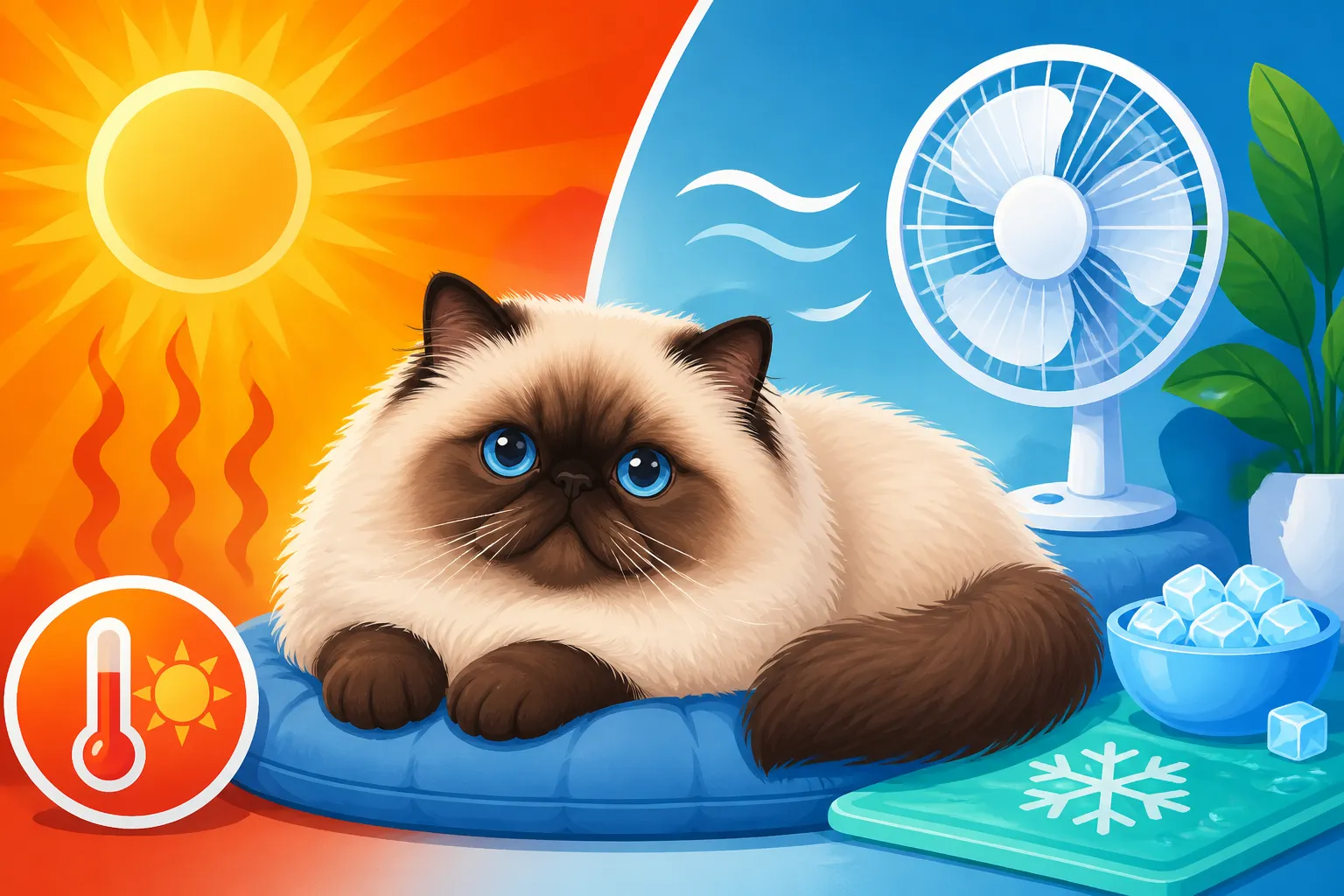
How to Get a Himalayan Through a Heatwave
There's nothing quite like the sight of your beautiful Himalayan stretched out in a sunbeam, but when a heatwave hits, that peaceful scene can quickly turn into a dangerous situation. These magnificent cats, with their dense coats and distinctive flattened faces, are particularly vulnerable to overheating, and understanding how to keep them cool and safe is absolutely essential. This guide will walk you through practical steps and vital knowledge to help your beloved Himalayan navigate even the most scorching days with comfort and care.
Understanding Why Himalayans Struggle in Heatwaves
It’s not just about a thick coat; a Himalayan's unique physiology makes them uniquely susceptible to heat stress. What makes them so charming also makes them delicate in high temperatures, and knowing these factors is the first step toward effective care.
The Double Whammy: Dense Coat and Brachycephalic Face
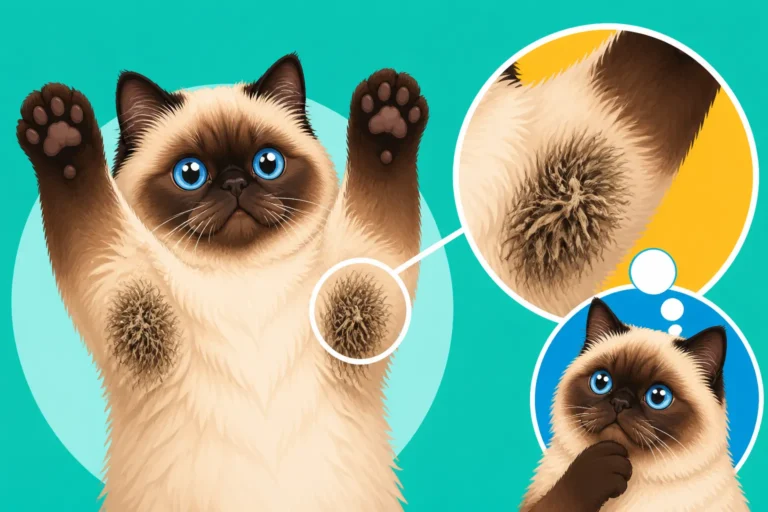
First, let's talk about that glorious coat. Himalayans inherited the lush, long, and incredibly dense double coat from their Persian ancestors. This isn't just a single layer of fur; it's a thick outer guard hair layer combined with an incredibly insulating undercoat. While this is wonderful for keeping them cozy in cooler climates, it acts like a personal fur blanket when temperatures soar, trapping heat close to their body. Unlike humans who can sweat profusely, cats primarily cool themselves by panting and through their paw pads. A dense coat severely hinders the dissipation of heat from their skin, making it much harder for them to regulate their body temperature. Imagine trying to wear a heavy winter coat in the middle of summer—that's essentially what your Himalayan is experiencing.
Then there's the brachycephalic (or "flat-faced") aspect. This distinctive facial structure, while aesthetically pleasing to many, comes with significant respiratory challenges. Their shortened nasal passages, often stenotic (narrowed) nostrils, and sometimes an elongated soft palate mean that breathing is already less efficient than in cats with longer muzzles. When a cat is trying to cool down, they rely heavily on panting to exchange heat through evaporation from their respiratory tract. For a Himalayan, this vital cooling mechanism is compromised. They simply can't move air as efficiently, and the effort of trying to pant harder can actually generate more body heat, creating a dangerous cycle. This combination of an insulating coat and an inefficient cooling system is why a Himalayan struggles more than many other breeds when the mercury rises. It's a real challenge, and it's why Why a Himalayan Overheats Twice as Fast as a Siamese is a topic worth understanding.
Recognizing the Signs of Overheating in Your Himalayan
Being vigilant about the subtle cues your Himalayan gives is critical. They are often masters at masking discomfort, so you need to be observant. Early signs of overheating can be quite subtle. You might notice your typically playful cat becoming unusually lethargic, opting to nap more or refusing to engage in their usual games. They might seek out cooler spots on tile floors or in shaded corners more frequently, even if those aren't their usual haunts. A reduced appetite or a decreased interest in toys could also be an early indicator. Don't dismiss these changes as just "being sleepy" because of the heat; they could be early warnings.
As heat stress progresses, the signs become more alarming and demand immediate intervention. You’ll see more pronounced panting, often with their mouth open, and their breathing might become visibly labored or noisy. Excessive drooling is another red flag, as is a rapid heart rate or bright red gums. They may start to appear disoriented, stumble, or even collapse. Their body might feel unusually warm to the touch. If you see any of these severe symptoms, it's an emergency. Don't wait to see if they improve; immediate action is required. This is when your vet needs to be called, as discussed in When a Himalayan's Open Mouth Breathing Needs a Vet. Understanding The Temperature a Himalayan Starts to Struggle At can help you preemptively watch for these signs.
Proactive Measures: Creating a Cool Haven Indoors
The best defense against a heatwave for your Himalayan is a good offense. Creating a cool, comfortable, and safe indoor environment can make all the difference.
Strategic Airflow and Shade
Your home itself can be a major ally in the fight against heat. During the hottest parts of the day, keep curtains and blinds closed, especially on south and west-facing windows, to block out direct sunlight. This simple step can significantly reduce the internal temperature of your home. While air conditioning is ideal, if you don't have it, strategic use of fans can help, but remember, fans cool people by evaporating sweat; they don't cool cats in the same way. Never direct a fan directly at your Himalayan for extended periods, as it can dry out their mucous membranes. Instead, use fans to create air circulation in a room, moving hot air out and cooler air in, or to draw air across ice baths to create a makeshift swamp cooler effect.
Focus on making specific areas of your home into "cool zones." Basements or tiled bathrooms are often naturally cooler. Offer various low-lying, shaded spots where your cat can retreat. Consider setting up a cat bed in a spot that stays dark and quiet, away from windows. This not only keeps them physically cooler but also reduces any stress from the oppressive heat, allowing them to relax and conserve energy.
Hydration is Key
Proper hydration is paramount during a heatwave. Cats, particularly Himalayans, aren't always the most enthusiastic drinkers, so you might need to get creative. Start by placing multiple water bowls around your home, in different rooms and on different levels, to encourage frequent sips. Wide, shallow ceramic or stainless steel bowls are often preferred by cats, as they don't bother their sensitive whiskers. Consider adding a few ice cubes to their water bowls throughout the day to keep the water refreshingly cool. Some cats also love to bat at the ice cubes, turning hydration into a little game!
Water fountains can be a fantastic way to entice your Himalayan to drink more. The moving water is often more appealing to cats than still water, tapping into their instinct to drink from fresh, running sources. Companies like Chewy offer a wide range of pet water fountains that can keep water circulating and cool. Just ensure it's easy for your flat-faced friend to access the water without straining. For a Himalayan, finding a fountain that accommodates their unique facial structure is key, as highlighted in Whether a Himalayan's Flat Face Reaches a Fountain. Finally, incorporate wet food into their diet if you don't already. Wet food has a much higher moisture content than dry kibble, providing essential hydration with every meal. Even if your cat usually eats dry food, adding a small amount of high-quality wet food during a heatwave can make a big difference.
Cooling Accessories and Grooming
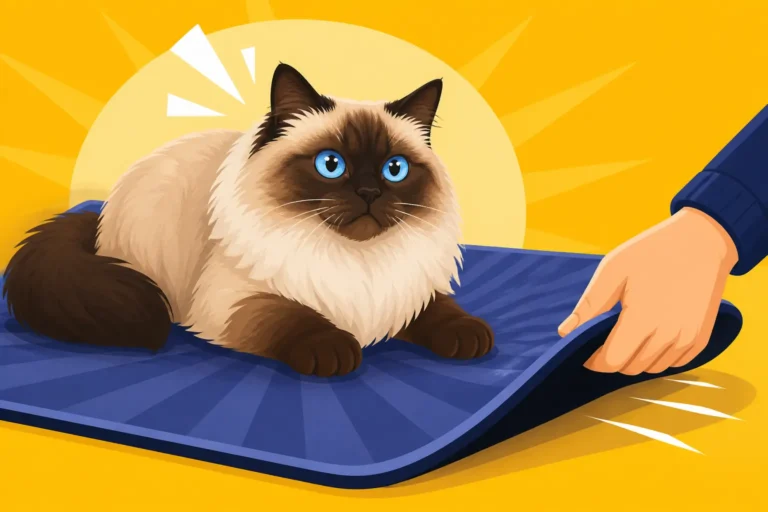
There are some wonderful products out there designed to help keep pets cool, and a few grooming tips that are crucial for Himalayans. Cooling mats are a fantastic investment; many require no refrigeration or electricity and absorb body heat, providing a cool surface for your cat to lie on. You can find many options on Amazon or Chewy. Another option is a raised pet bed, which allows air to circulate underneath, preventing heat from getting trapped. You can also place a frozen water bottle wrapped in a towel in their favorite resting spot for a temporary cool zone.
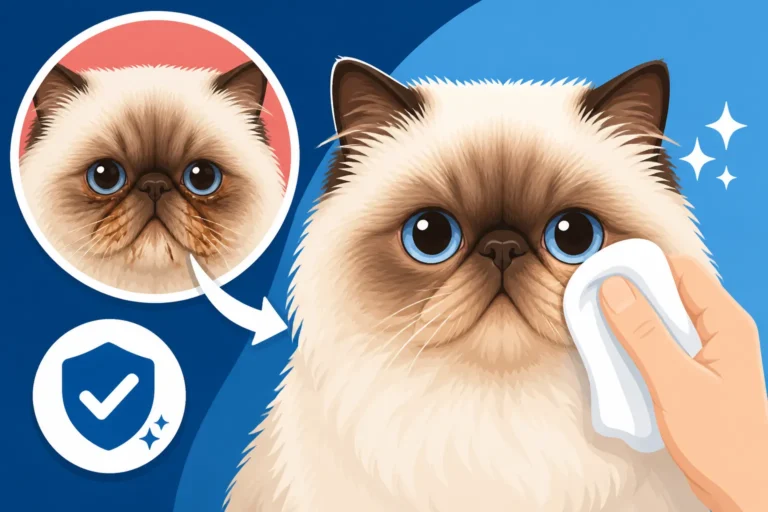
For grooming, resist the urge to shave your Himalayan completely unless it's a medical necessity or specifically recommended by your vet. While it might seem intuitive, their double coat actually provides a layer of insulation against heat and protects their delicate skin from sunburn. A full shave can expose them to more harm. Instead, focus on regular, gentle grooming to remove loose undercoat. Daily combing with a steel comb can help thin out that dense undercoat, allowing for better airflow. For severe matting, a lion cut performed by a professional groomer may be recommended, as discussed in Whether a Himalayan Should Be Lion Cut in Summer. You can also gently wipe your cat's paws, ears, and belly with a damp (not soaking wet), cool cloth a few times a day. This mimics the cooling effect of evaporation and can provide temporary relief. For more comprehensive tips, check out How to Cool a Long Coated Himalayan in Summer.
| Cooling Method | Description | Benefits | Considerations |
|---|---|---|---|
| Multiple Water Bowls | Place several wide, shallow bowls of fresh, cool water around the house. | Encourages frequent drinking, easy access. | Requires frequent refilling, water can warm up quickly. |
| Ice Cubes | Add ice cubes to water bowls or let your cat bat at them. | Keeps water cold, can be a fun distraction. | Some cats may not like ice, can melt quickly. |
| Water Fountain | Provides a continuous stream of filtered, moving water. | Entices drinking, keeps water fresh and cool. | Requires electricity, needs regular cleaning, check for flat-face accessibility. |
| Wet Food | Incorporate high-moisture canned or raw food into their diet. | Excellent source of hydration, palatable. | Can be more expensive than dry food, needs to be served fresh. |
| Cooling Mats | Gel-filled mats that absorb body heat, often without refrigeration. | Provides a cool resting surface, portable. | Some cats may not use them, check durability. |
| Damp Cloth Wipes | Gently wipe paws, ears, and belly with a cool, damp cloth. | Instant, temporary relief, aids evaporative cooling. | Needs to be repeated, can make fur damp if not dried properly. |
| Strategic Fans | Use fans to circulate air, not directly on the cat for long periods. | Improves general airflow, helps cool the room. | Doesn't directly cool cats effectively, can dry air. |
| Closed Blinds | Keep curtains and blinds shut during the hottest part of the day. | Blocks solar heat gain, reduces indoor temperature. | Can make rooms darker, limits natural light. |
Emergency Action: When Your Himalayan Shows Severe Heat Stress
Even with the best preventative measures, sometimes a heatwave is just too intense. If your Himalayan exhibits severe signs of heat stress, knowing what to do immediately can be life-saving.
Immediate First Aid Steps
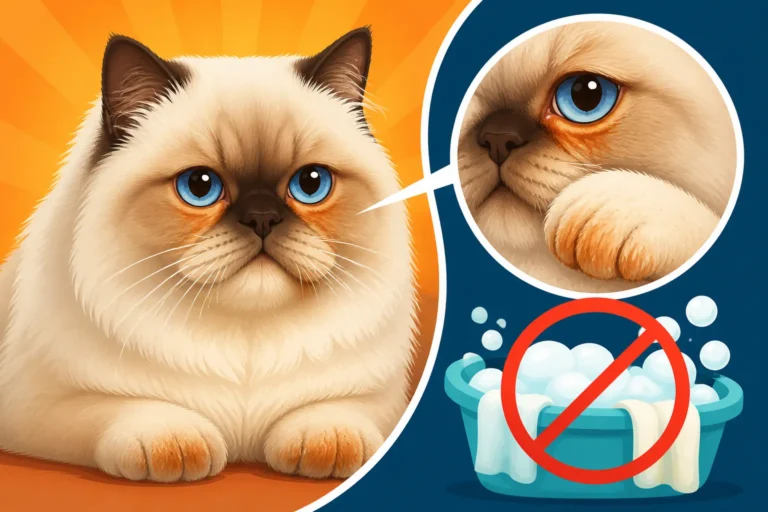
If you suspect your Himalayan is experiencing severe heat stress, time is of the essence. First, move them immediately to the coolest possible spot you can find – a tiled bathroom, a shaded corner, or even in front of an air conditioner if you have one. Do not submerge them in ice-cold water, as this can cause shock and restrict blood flow to the skin, hindering cooling. Instead, use cool (not ice cold) tap water or damp cloths. Gently wet their fur, focusing on areas with less fur and good blood supply, like their paw pads, ears, and groin area. You can also carefully use a damp cloth to wipe down their face, but avoid getting water in their nose. A fan blowing gently over their damp body can help evaporation.
Monitor their breathing and responsiveness closely. If you have a rectal thermometer and know how to use it safely, take their temperature. A cat's normal temperature is typically between 100.5 and 102.5 degrees Fahrenheit. Anything significantly above this is cause for serious concern. Your goal is to bring their temperature down gradually and safely, but most importantly, to stabilize them enough to get professional veterinary help. Do not force them to drink, as they might inhale the water.
When to Seek Veterinary Care
Let me be absolutely clear: if your Himalayan is showing severe symptoms like continuous panting, staggering, collapse, excessive drooling, or vomiting, this is not a wait-and-see situation. It is an emergency, and you need to contact your veterinarian immediately. Call ahead to let them know you’re coming and describe your cat’s symptoms so they can prepare for your arrival. Every minute counts.
When transporting your cat, ensure the car is well air-conditioned. Place cool, damp towels in the carrier (or even frozen water bottles wrapped in towels, making sure they can't chew on them), and ensure there’s good airflow. During severe heat stress, a cat's body is under immense strain, and complications can arise quickly. A vet can provide intravenous fluids, oxygen therapy, and other critical treatments to stabilize their condition and address any secondary issues like organ damage. These situations are tough, and getting them to a professional is the best thing you can do for your furry friend. Remember, brachycephalic cats often require more careful monitoring and specific anesthetic protocols, as discussed in Why a Himalayan Is a Harder Anesthetic Than a Siamese.
Lifestyle Adjustments During Hot Weather
Beyond emergency measures, adapting your daily routine can significantly reduce the risk of heat stress for your Himalayan during prolonged periods of high temperatures.
Modifying Playtime and Activity
Himalayans, while not as boisterous as some breeds, still enjoy their playtime. However, during a heatwave, their activity levels need to be drastically scaled back. Intense play sessions can quickly lead to overheating, especially with their compromised breathing. Instead of vigorous games of chase or jumping, shift play to the cooler parts of the day – early morning or late evening, when the sun has gone down and temperatures are lower. Even then, keep these sessions short and sweet, lasting only a few minutes at a time. Why a Himalayan Pants After Five Minutes of Play clearly illustrates how quickly they can become winded.
Opt for calmer, less strenuous activities. Puzzle toys that encourage gentle interaction or slow batting rather than chasing can still provide mental stimulation without overexertion. Watch your cat closely for any signs of fatigue or increased breathing effort. If you notice them panting or seeming winded, immediately end the play session and encourage them to rest in a cool spot with fresh water. Prioritize their comfort and safety over burning off energy; they'll appreciate the reprieve from the heat.
Adjusting Feeding Schedules
Just like activity, feeding schedules and food choices can also be adapted to better suit a heatwave. Cats can feel sluggish and less inclined to eat large meals when it's sweltering, and digesting a big meal can actually generate a small amount of body heat. Instead of one or two large meals, consider offering smaller, more frequent meals throughout the day, particularly during the cooler morning and evening hours. This can help prevent them from feeling overwhelmed and encourages consistent calorie intake without overtaxing their system.
Using chilled wet food can be a refreshing treat and an excellent way to boost hydration. You can even freeze small amounts of wet food in silicone molds for a cool, lickable snack. Ensure their food bowls are wide and shallow, suitable for their flat faces, to avoid whiskers stress and make eating more comfortable. Products available on Chewy or Amazon include specially designed flat-faced bowls or cooling bowls that keep food fresh longer.
Travel and Outdoor Considerations
For your Himalayan, the general rule of thumb is: stay indoors during a heatwave. These cats are not built for outdoor life under normal circumstances, and hot weather amplifies those risks dramatically. Why a Himalayan Has No Business Outdoors at All is a critical piece of advice. Their dense coats, poor heat regulation, and inability to defend themselves effectively make them highly vulnerable to overheating, sunburn, parasites, and even heatstroke if left outside. Even a quick supervised trip to a catio needs to be carefully considered for shade and temperature.
Avoid car travel during peak heat hours. The internal temperature of a car can soar incredibly quickly, even with windows cracked, creating a dangerous oven-like environment. If travel is absolutely unavoidable, ensure the car's air conditioning is running efficiently and consider placing frozen water bottles (wrapped in towels) in their carrier to provide a localized cool spot. Ensure the carrier itself is well-ventilated; some carriers are designed with extra mesh panels to maximize airflow, and you can find many options on Amazon. Which Carrier Gives a Himalayan Enough Air can provide more guidance on selecting the right one. Always keep a close eye on your Himalayan during any travel in warm weather, as stress can exacerbate their heat sensitivity.
Disclaimer
This article is for general informational purposes only and does not constitute professional advice. Laws, prices and regulations vary by location and change over time. Consult a qualified professional for guidance on your specific situation.