Why a Himalayan’s Armpits Mat Before Anywhere Else
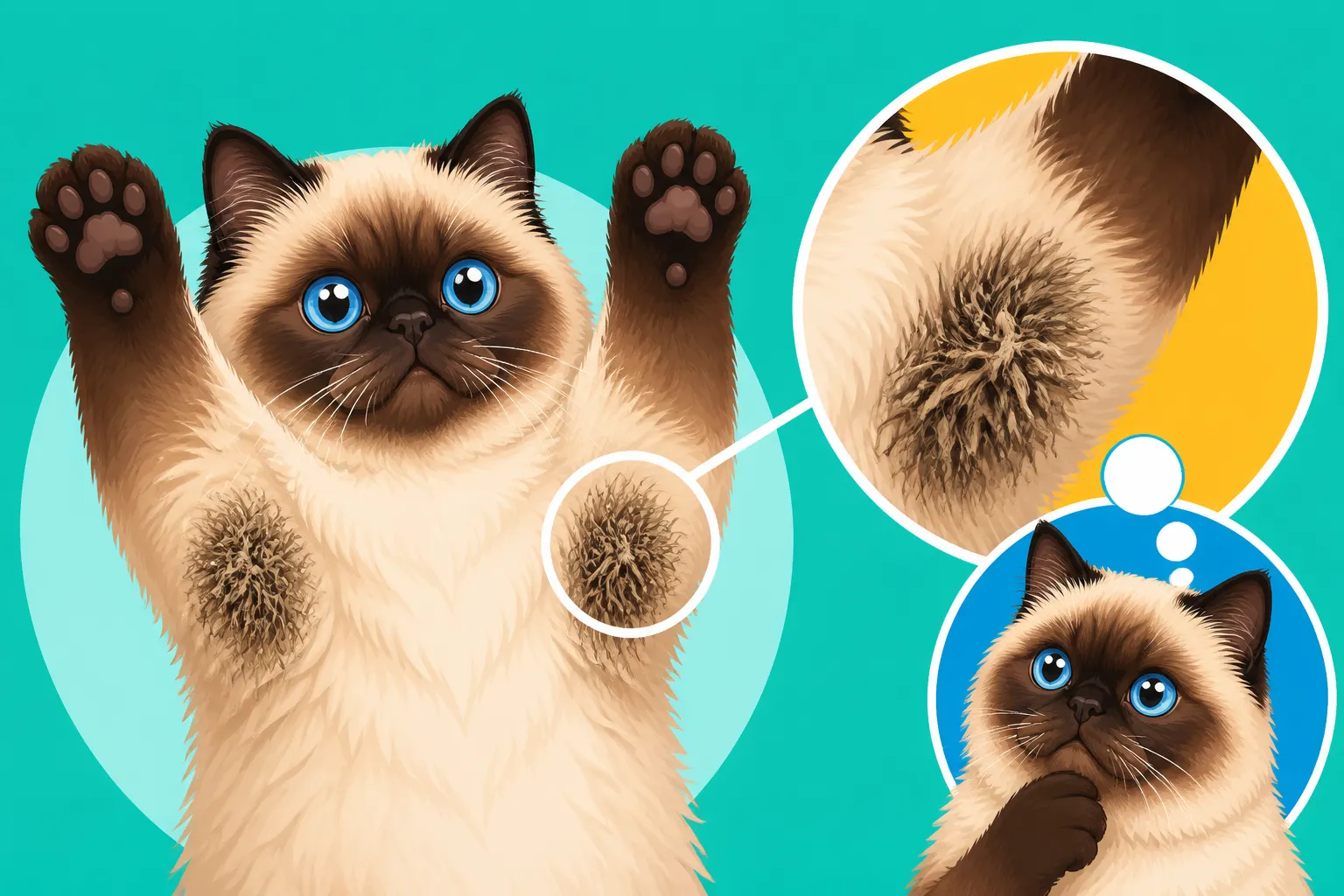
You've just spent twenty minutes diligently combing your beautiful Himalayan, feeling pleased with yourself, only to lift their paw for a belly rub and discover a solid, felted mat right in their armpit. It's frustrating, isn't it? These hidden tangles aren't just an aesthetic issue; they can cause real discomfort and even pain for your beloved cat. Mats, especially in sensitive areas like the armpits, can pull at the skin, restrict movement, and even lead to skin infections if left untended. This guide is going to dive deep into why a Himalayan's armpits mat before anywhere else, offering practical insights and actionable steps to keep your majestic feline comfortable and tangle-free.
The Unique Challenges of the Himalayan Coat
The Himalayan cat, with its stunning color points and luxuriant, flowing coat, is truly a sight to behold. However, that magnificent fur comes with a specific set of care requirements that can often catch new owners off guard. Understanding the very nature of their coat is the first step in tackling the persistent problem of matting, especially in those notorious armpit areas. It's not just "long hair"; it's a specific type of long hair.
The Double Trouble of the Himalayan's Fur
Unlike some other long-haired breeds, the Himalayan inherited its dense, double coat from its Persian lineage. This means they don't just have long guard hairs; they also possess a thick, woolly undercoat that acts like a warm, insulating layer. These two layers, while beautiful and soft, are a recipe for tangles if not managed meticulously. The longer, finer guard hairs can easily catch and knot, but it's the sheer volume and texture of that soft, downy undercoat that truly drives the matting process. Think of it like a fine wool sweater that’s been put through the wash too many times – it shrinks, bunches, and becomes a dense, felted mess. That's essentially what happens to the Himalayan's undercoat when it isn't regularly brushed out. The combination of these two hair types, constantly rubbing against each other and the cat's own skin, creates the perfect storm for mat formation. This unique density is why you really need to understand How Much Undercoat a Himalayan Carries Under Its Points.
Why Certain Areas Are Prone to Tangles
While the entire Himalayan coat is susceptible to matting, certain areas consistently prove to be more problematic than others. These "hot spots" are typically characterized by a combination of friction, moisture, and often, difficulty for the cat to groom themselves effectively. Beyond the armpits, you'll often find mats behind the ears, under the chin, around the "britches" (the long fur on their hind legs), and on the belly. Each of these areas experiences specific conditions that contribute to matting. For instance, behind the ears, mats can form from head rubs or even simply the way the cat rests their head. The belly often mats because it's a prime contact point with floors and furniture. However, the armpits stand out due to a unique confluence of factors that make them an almost inevitable battleground for tangles. It's a constant, low-level assault on the integrity of their beautiful fur, leading to those frustrating knots.
Why the Armpits Are a Mat Magnet
If you’ve ever owned a Himalayan, you know the armpits are almost a guaranteed spot for trouble. It's not just random bad luck; there are several very specific and persistent reasons why this area becomes a matting hotspot long before other parts of their luxurious coat. It's a perfect storm of anatomy, movement, and environment.
Constant Friction and Movement
Think about how much your Himalayan moves their front legs in a day. Every step they take, every stretch, every time they get up from a nap, those legs are rubbing against their torso, and specifically, against the fur in their armpits. This constant friction is the number one culprit behind armpit mats. It's like taking two pieces of fabric and rubbing them together repeatedly; eventually, the fibers start to intertwine and clump. For a cat, this friction is amplified by the sheer volume of their double coat. The dense undercoat gets pushed and pulled, and the guard hairs snag. Imagine the subtle, repetitive motion of walking or even just shifting weight – each tiny movement contributes to the intertwining of hairs in that confined space. This isn't just a gentle brush; it’s an abrasive action that kneads the fur together, creating a tight, dense knot that quickly becomes matted.
Dampness, Sweat, and Skin Oils
Another significant, yet often overlooked, factor contributing to armpit mats is moisture and natural bodily secretions. The armpits are enclosed areas, which means they can trap heat and dampness, especially if your Himalayan gets a little warm or has a slightly sweaty moment. Just like humans, cats can perspire or simply accumulate moisture in folds and crevices. This dampness, combined with the natural oils produced by their skin, creates a sticky, clumpy environment that makes the fur even more prone to tangling. Think of how human hair can get sticky and matted if it gets damp and then dries without being brushed. The same principle applies here, but with the added density of a Himalayan's coat. The natural oils and any moisture present act as a binding agent, gluing the individual hairs together and accelerating the matting process. This effect is compounded if your cat has any minor skin irritation in the area, as that can lead to increased oil production or weeping.
The "Forgotten" Grooming Spot
Even the most fastidious Himalayan can struggle to reach their own armpits effectively for self-grooming. While they are usually quite diligent about keeping their coat clean, the contortion required to properly groom those snug areas is often beyond their flexibility, particularly as they get older or if they're a bit on the cobby side. Their short, muscular legs and broad bodies, inherited from their Persian side, make it genuinely awkward to twist and lick at the underarms. This means the fur in these areas goes largely unattended by the cat itself, allowing tangles to form and tighten without any natural intervention. Owners, too, often miss these hidden spots until a mat is already well-established. It’s easy to focus on the glorious ruff or the bushy tail, forgetting the discreet yet critical areas where mats can take hold. This lack of regular self-grooming, combined with the other factors, turns the armpits into prime real estate for stubborn, painful mats, proving that even a cat's own grooming habits aren't always enough, especially for areas like these, or for a cat experiencing Why an Overweight Himalayan Cannot Reach Its Britches.
Proactive Grooming Strategies for Mat Prevention
Preventing armpit mats in your Himalayan isn't just about brushing; it's about a consistent, thoughtful approach to their overall care. It requires dedication, the right tools, and an understanding of your cat's unique needs. Think of it as a daily ritual that not only keeps their coat pristine but also strengthens your bond.
Establishing a Consistent Daily Routine
The single most effective weapon against armpit mats is a consistent daily grooming routine. This isn't a "once a week if you remember" kind of task; it’s a commitment. For a Himalayan, daily combing is not optional if you want to avoid painful mats and expensive trips to the groomer or vet. You need to dedicate at least 10-15 minutes every day to working through their coat, paying special attention to those high-friction areas like the armpits. Begin by gently encouraging your cat to lie on their side or even on their back if they're comfortable, exposing the armpit area. Use one hand to gently lift the leg, spreading the skin taut to prevent accidental nips, while the other hand works the comb through the fur. Don't just skim the surface; ensure the comb reaches down to the skin to catch any nascent tangles in the undercoat before they have a chance to tighten into a full-blown mat. Consistency is key here; a few minutes daily is far more effective than a lengthy, infrequent session, as you'll learn in How Often a Himalayan Must Be Combed.
The Right Tools and Techniques
Having the correct grooming tools makes all the difference. For a Himalayan's dense coat, a high-quality, long-toothed metal comb is indispensable. Look for one with both wide and narrow teeth sections, as this versatility allows you to tackle different levels of tangling. Brands available on platforms like Amazon or Chewy often offer excellent options that are designed specifically for long-haired breeds. Before you even start combing, a detangling spray can be a lifesaver. Spritz a little onto the armpit fur, then gently work it in with your fingers. This helps to lubricate the hair strands, making them less likely to snag and easier to separate. When combing the armpits, always comb away from the skin, not towards it. Start at the very tips of the fur and gradually work your way down, section by section, towards the skin. If you encounter a small tangle, don't yank! Instead, use the wide-toothed section of your comb or your fingers to gently tease it apart. Patience is crucial, as is making the experience positive for your cat with treats and praise. The right comb makes all the difference, which is explored further in Which Steel Comb a Himalayan's Coat Needs.
Environmental and Dietary Support
While grooming is paramount, a holistic approach that includes environmental management and proper nutrition can also play a supporting role in preventing mats. A healthy coat is less prone to tangling. Ensuring your Himalayan receives a high-quality diet rich in omega fatty acids can significantly improve their skin and coat health, making the fur smoother, stronger, and less likely to mat. Many premium cat food brands focus on ingredients that support dermal health. You might find great options for high-quality food on Chewy that are formulated for skin and coat health. Additionally, managing the ambient temperature in your home can help. If your cat frequently overheats, they might produce more skin oils or sweat, contributing to that sticky, mat-friendly environment in their armpits. Providing cool resting spots and ensuring good air circulation can help keep their coat drier and less prone to moisture-induced tangles. Regular vet check-ups can also rule out underlying skin conditions that might be exacerbating matting.
Dealing with Existing Armpit Mats Safely
Despite your best efforts, sometimes a sneaky mat can still form in the armpit. Finding an existing mat can be disheartening, but the way you approach it is critical for your cat's comfort and safety. The temptation might be to grab a pair of scissors, but that can lead to serious injury.
Gentle Detangling at Home
For small, superficial mats in the armpit area, you might be able to gently detangle them at home. The key words here are "small" and "gentle." You'll need extreme patience and a good detangling spray. Start by applying the detangling spray directly to the mat, ensuring it penetrates all the matted fur. Then, using your fingers, try to gently pull apart the edges of the mat. Work slowly, strand by tiny strand, from the outside edges inwards. Once you've loosened it a bit, you can use the wide-toothed end of your metal comb, or even a specialized mat breaker tool (available on Amazon), but only with extreme caution. Always place your fingers between the mat and your cat's skin to act as a barrier and prevent any pulling on the skin itself. Never tug or pull hard, as this will cause pain and make your cat associate grooming with discomfort, leading to resistance in the future. If the mat is tight, large, or close to the skin, stop immediately. It's simply not worth risking injury to your cat.
When to Call in the Professionals
It's absolutely crucial to recognize when a mat is beyond home detangling and requires professional intervention. If a mat is large, solid, close to the skin, or causing your cat any pain or discomfort, do not attempt to cut it out yourself. A Himalayan's skin is incredibly thin and delicate, especially in the armpit area, and it's extremely easy to accidentally cut them, leading to deep wounds and a trip to the emergency vet. These kinds of mats can hide surprisingly close to the skin, making it impossible to get scissors underneath safely. A professional groomer has specialized tools, like electric clippers with safety blades, and the experience to remove mats efficiently and safely without harming your cat. They can often do what's called a "lion cut" if the matting is extensive, giving your cat a fresh start, which might be the best answer for a Himalayan in that situation. When a Lion Cut Is the Right Answer for a Himalayan offers more detail on this option. Your veterinarian is also an excellent resource, especially if the matting is severe, causing skin irritation, or if your cat is particularly stressed. They may be able to sedate your cat for a painless and stress-free shave-down. Never underestimate the importance of professional help; it's an investment in your cat's health and happiness, and often cheaper than an emergency vet visit for a self-inflicted wound. In fact, many owners find themselves reaching out to a professional groomer anyway, as detailed in Why a Himalayan Owner Books a Groomer Anyway.
Grooming Hotspots and Solutions
To help you visualize where to focus your grooming efforts and understand why each area is a problem, here’s a quick guide to common matting hotspots on a Himalayan and how to address them.
| Problem Area | Primary Reason for Matting | Grooming Focus |
|---|---|---|
| Armpits | Constant friction, dampness, cat's difficulty reaching | Daily combing, detangling spray, gentle leg lift, comb to skin |
| Behind Ears | Head rubbing, ear scratching, friction from collars | Daily quick comb, gentle finger separation, check for moisture |
| Belly/Groin | Lying down, friction with surfaces, urination/dampness | Regular combing (cat on back), gentle handling, check for dampness |
| Britches | Sitting, toileting, friction from walking | Daily thorough comb, gentle lift of tail, use narrow teeth for fine hairs |
| Ruff/Collar | Head movement, neck friction, contact with food/water | Daily combing (especially after meals), ensure comb reaches deep |
| Tail | Dragging, sitting on, less frequent self-grooming | Weekly thorough comb, hold tail gently, work from base to tip |
Taking care of a Himalayan's coat, especially those sneaky spots like the armpits, is truly a labor of love. It demands dedication and a deep understanding of their unique needs, but the reward is a comfortable, happy cat who can move freely and show off their stunning coat. By prioritizing prevention through consistent, thoughtful grooming, you'll save both yourself and your beloved feline companion a lot of stress and discomfort. Remember, a few minutes of daily attention can prevent hours of struggle down the line, ensuring your Himalayan remains the majestic and serene companion you adore.
Disclaimer
This article is for general informational purposes only and does not constitute professional advice. Laws, prices and regulations vary by location and change over time. Consult a qualified professional for guidance on your specific situation.