Which Steel Comb a Himalayan’s Coat Needs
The majestic, flowing coat of a Himalayan cat is truly a sight to behold, but for us owners, it often comes with a secret daily struggle: mats. Finding the right grooming tools can feel like a quest, especially when faced with an overwhelming array of combs claiming to be "the best." This guide is here to cut through the confusion and help you pinpoint exactly which steel comb your beloved Himalayan needs to keep that luxurious coat tangle-free and healthy.
Understanding the Himalayan Coat: A Double-Layered Challenge
Before we even talk about combs, it’s crucial to truly appreciate what you’re up against with a Himalayan coat. It's not just long; it’s dense, and that density is the secret to its beauty and, frankly, our biggest grooming headache. If you’ve ever felt like you’re only scratching the surface, you probably are.
The Persian Legacy: Density and Length
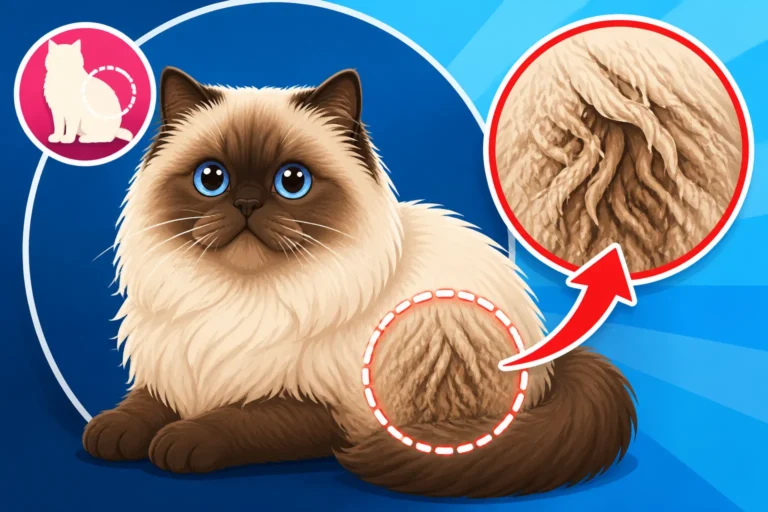
Your Himalayan inherits its magnificent fur from its Persian ancestry, which means a luxurious, double-layered coat. This isn't just a simple topcoat; it has a thick, woolly undercoat that acts like a warm, insulating blanket, and then longer, coarser guard hairs that give it its outward beauty and length. Think of it like a sheepdog's coat, but even more refined. This combination is absolutely stunning, but it's also a matting magnet. The fine, soft undercoat tends to shed and catch, intertwining with itself and the longer guard hairs, especially in high-friction areas.
You know the feeling – you run your hands over their back, admiring the silky texture, only to discover a dense, hard lump tucked away in their armpit or behind an ear. These hidden mats can form quickly, sometimes seemingly overnight, and they're incredibly frustrating. This isn't just about aesthetics; that dense undercoat, left uncombed, becomes a prime breeding ground for skin issues and discomfort. It's a constant battle, but understanding this double-layered structure is the first step to winning the war against mats. We're not just combing hair; we're managing a complex natural insulation system.
The Importance of Reaching the Skin
Many well-meaning owners make the mistake of only combing the top layer of their Himalayan's coat. It’s easy to do, especially when you’re trying to be gentle and your cat isn’t thrilled about the process. However, if your comb isn’t reaching down to the skin, you’re essentially just styling the surface, leaving all the real work undone beneath. Those tricky undercoat hairs will continue to felt together, forming dense, painful mats right against their delicate skin.
Imagine wearing a sweater that's too tight and then putting another, looser sweater over it. If the inner sweater gets bunched up, the outer one still looks fine, but you're miserable underneath. That's what happens to your Himalayan. When mats form tight against the skin, they pull and tug, causing pain with every movement. They can restrict blood flow, hide parasites, and lead to serious skin infections because air can’t circulate properly. It’s why Why a Matted Himalayan Becomes a Medical Case isn't an exaggeration – it truly can be. So, when we talk about a steel comb, we're looking for one with teeth long enough to physically penetrate through both layers, from tip to skin, ensuring every strand is separated and free.
Why Steel Combs Are Non-Negotiable for Himalayans
When it comes to the formidable task of grooming a Himalayan's coat, you simply cannot cut corners with your tools. While there's a myriad of brushes and combs on the market, a high-quality steel comb isn't just a suggestion; it's an absolute necessity.
Superior Durability and Effectiveness
Forget about those flimsy plastic combs or even many of the softer metal alternatives you might find. They just don't stand a chance against the sheer volume and density of a Himalayan's coat. Plastic combs, while cheap, often break teeth, snap in half, or generate a ton of static electricity, turning your grooming session into a crackling, flyaway nightmare. This static isn't just annoying; it can actually make the hair more prone to tangling, defeating the entire purpose.
Steel combs, on the other hand, offer unparalleled durability. They're built to last, designed to glide smoothly through even the thickest of coats without bending or breaking. The weight of a good steel comb often feels substantial in your hand, giving you a sense of control and purchase as you work through the dense fur. This robustness means they can withstand the rigorous daily use a Himalayan's coat demands, making them a worthwhile investment in the long run. They don't flex or give, which allows them to effectively separate individual hairs and pull through small tangles without just bouncing off the surface. You'll find a great selection of these on reputable pet supply sites like Chewy, where you can often read reviews from other long-haired cat owners.
Different Tooth Spacing for Different Needs
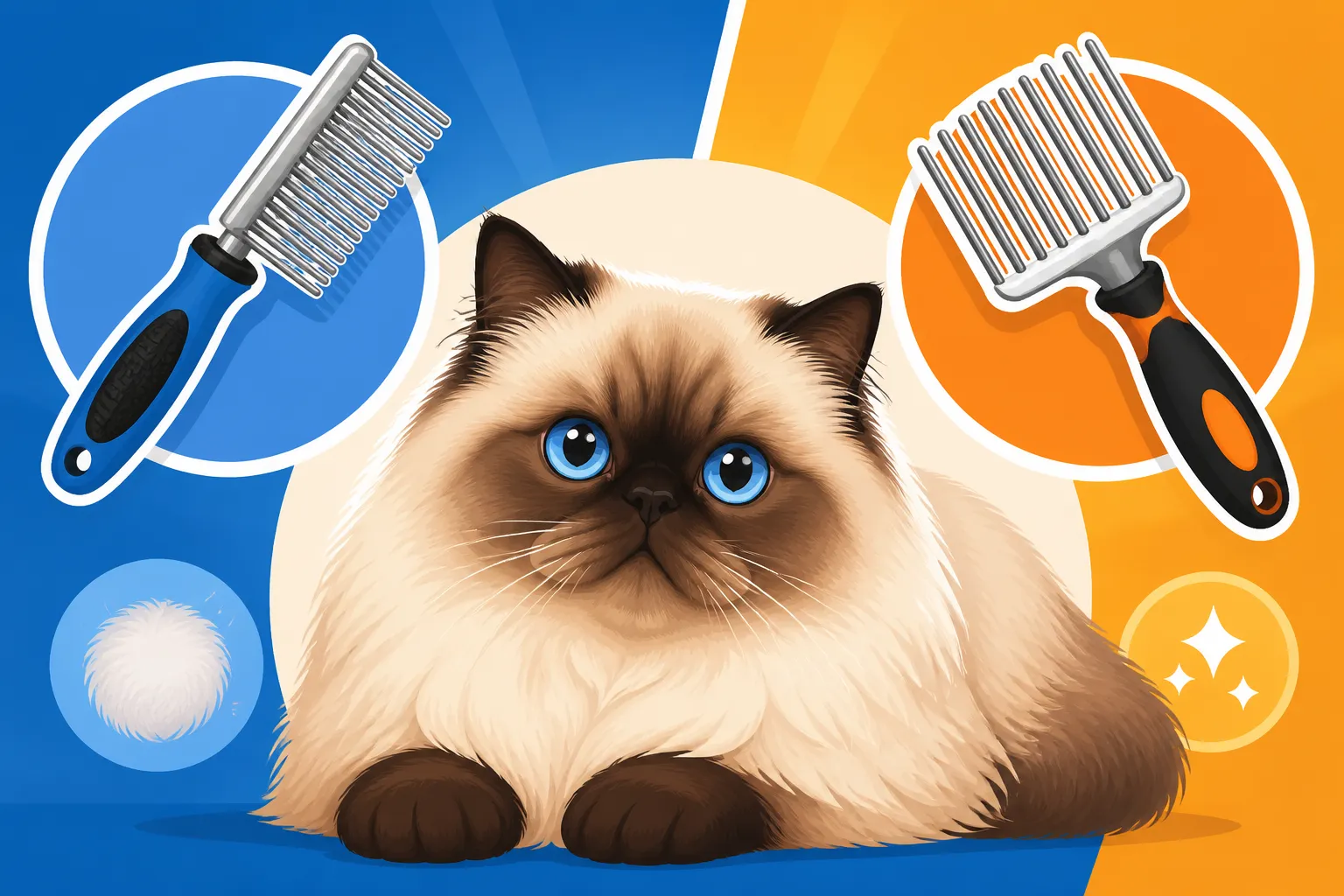
One of the greatest advantages of a good steel comb is the versatility often built into its design. Many professional-grade steel combs are "double-sided" or feature sections with different tooth spacings – typically one side with wider-set teeth and the other with finer teeth. This isn't just a design quirk; it's absolutely essential for tackling the multi-stage grooming process a Himalayan requires.
You wouldn't use a fine-toothed comb to detangle your own wet, knotty hair, right? The same principle applies here. The wider-spaced teeth are your first line of defense. They're perfect for the initial pass, working through the bulk of the coat, gently separating larger sections, and identifying any obvious tangles or budding mats without pulling too much. This initial sweep helps "open up" the coat. Once you've cleared the larger issues, you can flip the comb to the finer-toothed side. This section is ideal for removing loose undercoat, catching the smaller, finer hairs that might otherwise contribute to future mats, and ensuring a smooth, polished finish right down to the skin. It’s the finishing touch that truly makes their coat shine and feel immaculate. Trying to use a single, all-purpose comb will only lead to frustration, either by snagging too much with fine teeth or missing critical undercoat with wide teeth.
Decoding the Ideal Steel Comb Features for Your Himalayan
Choosing the right steel comb isn't just about grabbing the first one you see. There are specific features that elevate a good comb to an essential comb for a Himalayan's unique coat. Paying attention to these details will make all the difference in your grooming routine.
Tooth Length and Density
This is probably the single most important factor. Remember how we discussed the double-layered challenge of the Himalayan coat? For a comb to be effective, its teeth must be long enough to penetrate both the guard hairs and the dense undercoat, all the way to the skin. A comb with teeth that are too short will simply skim the surface, leaving mats to fester underneath, undetected. You need teeth that are at least 1 to 1.5 inches long, if not a bit more, especially for areas like the ruff and britches where the coat is longest and thickest.
Then there's the density – how close together the teeth are. This usually comes in two forms on a single comb: a wider-toothed section and a finer-toothed section. The wider spacing (around 6-8 teeth per inch) is your workhorse for initial detangling, breaking up larger sections, and gently easing through any major snags. It's crucial for the first pass every day. The finer spacing (around 10-12 teeth per inch) is for the detailed work: removing loose undercoat, checking for smaller tangles, and ensuring every last bit of shedding fur is captured. Without this dual approach, you'll either pull too much or leave too much behind. Finding a comb with this dual functionality, like many available on Amazon, is key.
Rounded or Tapered Pins
Imagine accidentally scratching your own scalp with a sharp-edged comb. Ouch, right? Your Himalayan's skin is delicate, and sharp, pointy comb teeth can easily cause discomfort, scratches, or even tiny abrasions. This isn't just painful in the moment; it can make your cat associate grooming with a negative experience, leading to resistance and making future sessions much harder. We're trying to build trust, not break it.
Look for a comb where the tips of the teeth are visibly rounded or tapered. They shouldn't feel sharp to the touch when you run them across your own skin. These rounded pins glide more smoothly through the coat and across the skin, significantly reducing the risk of irritation or injury. This attention to detail ensures that grooming remains a gentle, therapeutic touch rather than a jarring, uncomfortable ordeal. Your Himalayan will be much more tolerant of their The Daily Comb a Himalayan Cannot Skip if they know it won't hurt. This comfort is paramount, especially when working on sensitive areas like the belly, armpits, or around the face.
Weight and Ergonomics
While it might seem like a minor detail, the weight and feel of your comb in your hand can significantly impact the quality and duration of your grooming sessions. Grooming a Himalayan is not a quick two-minute job; it's a commitment that can take 15-30 minutes or more each day, especially if you're tackling a particularly dense or shedding coat. A comb that's too light might feel flimsy and hard to control, making it difficult to apply consistent pressure. Conversely, a comb that's too heavy can quickly lead to hand fatigue, causing you to rush or even skip parts of the grooming routine.
An ergonomically designed steel comb, one that feels balanced and comfortable in your hand, allows you to maintain a steady grip and work efficiently without undue strain. Some combs have rubberized handles, while others have a classic solid steel bar. Experiment if you can, or read reviews from other users. The goal is to find a comb that feels like an extension of your hand, allowing you to focus on the task at hand – meticulously combing every inch of your cat's beautiful coat – rather than battling an awkward tool. This comfort for you translates directly into a better, less rushed experience for your cat.
Choosing the Right Comb for Specific Himalayan Grooming Tasks
Your Himalayan's coat isn't a monolithic entity; it has different needs in different areas and at various stages of the grooming process. Having a versatile comb, or even a couple of specialized combs, will empower you to tackle every part of their luxurious fur effectively.
Initial Detangling and Mat Prevention
This is where the wider-toothed section of your steel comb, or a dedicated wide-toothed comb, truly shines. When you first approach your Himalayan's coat each day, especially if it's been a few hours since the last session, there will inevitably be some surface tangles and loose hairs that have begun to intertwine. Trying to go straight in with a fine comb will only pull and cause discomfort.
Start with the wide-spaced teeth to gently tease apart the larger sections of fur. Think of it like raking leaves with a wide rake first, before switching to a finer broom. This initial pass helps to open up the coat, making it easier to identify any potential mats forming deep down. Pay particular attention to high-friction areas: behind the ears, under the chin, the armpits, the hind legs (britches), and under the tail. These are the usual suspects where mats start. A daily, thorough pass with the wide-toothed comb through these zones can prevent a tiny tangle from escalating into a painful, impossible-to-comb mat. It's often the difference between a quick grooming session and a long, frustrating battle. Remember, Why a Missed Day Costs a Himalayan a Mat is a harsh reality.
Finishing and Fine Work
Once you've done your initial detangling and cleared any larger snags with the wider teeth, it's time to switch to the finer-toothed section of your comb. This is the stage where you truly get down to the business of removing the shed undercoat and polishing the fur. The fine teeth are designed to catch those smaller, finer hairs that the wider teeth might miss, ensuring a thorough job.
Methodically work through sections of the coat, using gentle, consistent strokes. This is particularly effective on the main body, the expansive ruff around their neck, and the magnificent tail. The fine teeth will pull out dead hair that, if left behind, would eventually clump together and form new mats. This step also helps to distribute natural oils, leaving the coat looking shiny and feeling incredibly soft. It’s during this stage that you’re not just preventing mats, but also contributing to the overall health and appearance of their fur. A well-groomed coat, free of excess undercoat, also helps your Himalayan regulate their temperature better. You'll truly understand the depth of their coat when you see how much loose fur these fine teeth can extract. Working a Comb Through a Himalayan's Ruff can be especially satisfying when you see the results.
Addressing Delicate Areas
Certain parts of your Himalayan's body require a more delicate touch and sometimes a slightly different tool. The face, for instance, with its sensitive eyes and nose, needs careful handling. The small, low-set ears and the dainty paws also present unique challenges. For these areas, a smaller, perhaps even a smaller double-sided comb with very fine teeth on one side might be beneficial.
When working around the eyes, choose a comb with very short, fine, rounded teeth to gently clear away any debris or tangles that might contribute to tear staining. Be exceedingly careful and use feather-light strokes. For the paws, which can accumulate litter or small tangles between the toes, a smaller comb allows for more precision. The ears also need attention, both the fur behind them and the small tufts of hair within the ear canal opening. These areas are prone to small, tight mats that can be incredibly painful if pulled. Your goal here is precision and gentleness. Remember that The Morning Face Routine Every Himalayan Needs is critical for keeping them comfortable and preventing skin irritation in those delicate folds around their nose.
Mastering the Art of Combing Your Himalayan
Grooming a Himalayan is more than just running a comb through their fur; it's an art that requires patience, technique, and a strong bond with your feline companion. Done right, it can be a relaxing bonding experience for both of you. Done wrong, it can turn into a wrestling match.
Establishing a Routine and Positive Association
The single most important thing you can do for your Himalayan’s coat – and your sanity – is to establish a consistent daily grooming routine, starting as early as possible in their life. Kittens are much more adaptable than adult cats, and by introducing the comb in short, positive bursts when they're young, you can build a foundation of trust and acceptance. Even if your Himalayan is older, it's never too late to start, though it might take more patience.
Choose a quiet time of day when your cat is relaxed, perhaps after a nap or a meal. Start with very short sessions, just a few minutes, focusing on areas they tolerate well. Use gentle strokes and stop before they get agitated. Immediately reward them with praise, a favorite treat, or a short play session. The goal is for them to associate the comb with positive outcomes, not with discomfort or being held against their will. Over time, you can gradually increase the duration of your sessions. Consistency is key: a quick daily comb is far less stressful and more effective than infrequent, long battles against significant mats. Getting a Himalayan Kitten Used to the Comb truly sets the stage for a lifetime of easier grooming.
Technique: Sectioning and Gentle Strokes
Effective combing isn't about brute force; it's about technique. The most crucial technique for a Himalayan is "line combing" or "sectioning." Instead of trying to comb the entire coat at once, lift a section of fur, revealing the skin underneath. Start combing from the skin outwards, working in small, manageable sections. This ensures you're actually getting to the root of the hair and not just skimming the surface.
Always comb away from the skin, not directly into it. When you encounter a snag or a small mat, don't just pull. Instead, use your fingers to gently separate the hairs around the mat. You can also hold the base of the mat with your fingers, close to the skin, to prevent pulling on your cat's skin as you work the comb through. Use short, light strokes with the comb, working from the outer edge of the mat inwards. If a mat is too tight or painful, it's better to leave it and consult a professional groomer or vet rather than risking injury or traumatizing your cat. The last thing you want is for your cat to flinch or bite due to pain. Remember, a gentle approach prevents your cat from becoming "comb-shy." Working a Mat Out From Under a Himalayan's Points is often a delicate dance.
Comb Maintenance and When to Replace
Just like any good tool, your steel comb needs a little TLC to remain effective. After each grooming session, take a moment to remove all the trapped hair from the comb's teeth. A smaller, finer comb or even an old toothbrush can help dislodge stubborn fur. This keeps the comb clean and prevents hair and debris from building up, which can reduce its effectiveness.
Periodically, you should also clean your comb more thoroughly. You can wash it with mild soap and water, then dry it completely to prevent rust. Some people even sanitize their combs occasionally with a pet-safe disinfectant. Regular cleaning not only maintains hygiene but also ensures the comb glides smoothly through the fur. Over time, even the most durable steel comb can show signs of wear. Look for bent or broken teeth, nicks, or signs of rust. A damaged comb can scratch your cat's skin or snag their fur, making grooming uncomfortable. When you notice these signs, it's time to invest in a new one. A well-maintained, effective comb is your best defense against matting and ensures your Himalayan always looks their best.
| Comb Section | Primary Use | Ideal For | Key Benefit |
|---|---|---|---|
| Wide-Tooth | Initial detangling, mat identification | Body, ruff, britches, areas with thicker coats | Gently separates large sections, prevents pulling |
| Fine-Tooth | Undercoat removal, finishing | Body, ruff, tail, removing loose shed hair, smoothing coat | Catches fine hairs, polishes appearance |
| Small/Detail | Delicate area work | Face, around eyes, ears, paws, small, sensitive spots | Precision, avoids irritation in tight areas |
Disclaimer
This article is for general informational purposes only and does not constitute professional advice. Laws, prices and regulations vary by location and change over time. Consult a qualified professional for guidance on your specific situation.