What Makes a Himalayan’s Coat Mat Faster Than a Ragdoll’s
It’s a tale as old as time for many long-haired cat owners: you lovingly brush your fluffy companion, only to find a stubborn mat forming what feels like minutes later. If you’ve ever owned or admired both a majestic Himalayan and a graceful Ragdoll, you might have noticed a striking difference in their coat maintenance, specifically how much faster that beautiful Himalayan fur seems to tangle and knot. This guide is going to dive deep into the fascinating world of feline genetics and coat structure to unravel why your precious Himalayan seems to be a mat magnet, especially when compared to its seemingly equally floofy Ragdoll cousins, and what you can do about it.
Understanding the Himalayan Coat Structure
The Himalayan cat, with its striking point coloration and luxurious long fur, is truly a sight to behold. But beneath that stunning exterior lies a coat structure that is inherently more prone to matting than many other long-haired breeds. This isn't a fault; it's simply a characteristic inherited from its Persian lineage, designed for different environmental needs than the modern indoor cat experiences.
The Double Coat Difference: Persian Influence
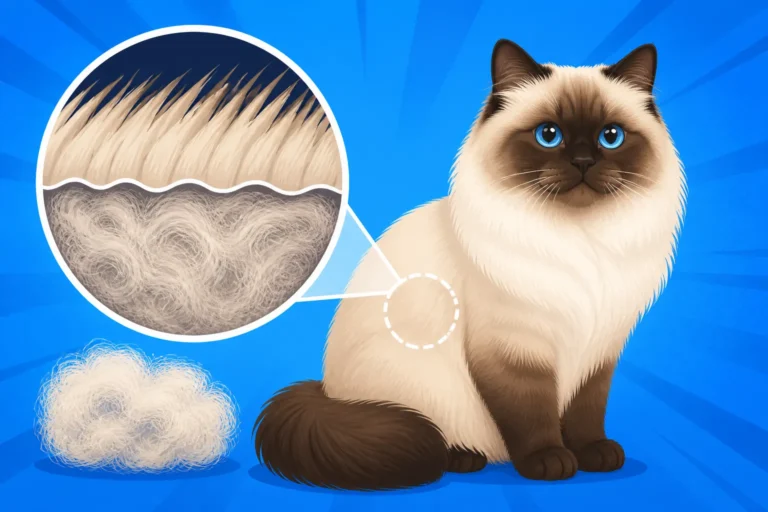
At the heart of the Himalayan's matting propensity is its dense double coat. This isn't just one layer of hair; it's two distinct types, each playing a role in creating that voluminous look we adore. You have the longer, coarser guard hairs that form the outer layer, giving the coat its sheen and helping to protect the cat from elements. Then, underneath that, lies a thick, soft, and incredibly fine undercoat. This undercoat is what truly gives the Himalayan its plush feel and warmth.
Think about it this way: the Persian cat, one of the Himalayan's foundational breeds, historically lived in colder climates, needing that substantial undercoat for insulation. When you crossbred the Persian with the Siamese to create the Himalayan, that magnificent, insulating fur came along for the ride. While it makes for a beautiful, cuddly pet, it also means there are significantly more individual hairs, and those hairs are designed to interlock and trap air for warmth. Unfortunately, in a warm indoor environment, without the natural shedding and environmental wear and tear of an outdoor cat, this undercoat can quickly become a tangled mess if not actively managed. It’s like wearing a heavy wool sweater indoors all the time; it’s going to get warm, and the fibers are going to want to cling together. This dense layering makes the Himalayan’s coat far more complex than many other long-haired cats, setting the stage for faster mat development. For a deeper dive into the volume of their fur, check out How Much Undercoat a Himalayan Carries Under Its Points.
Density and Texture: A Magnet for Mats
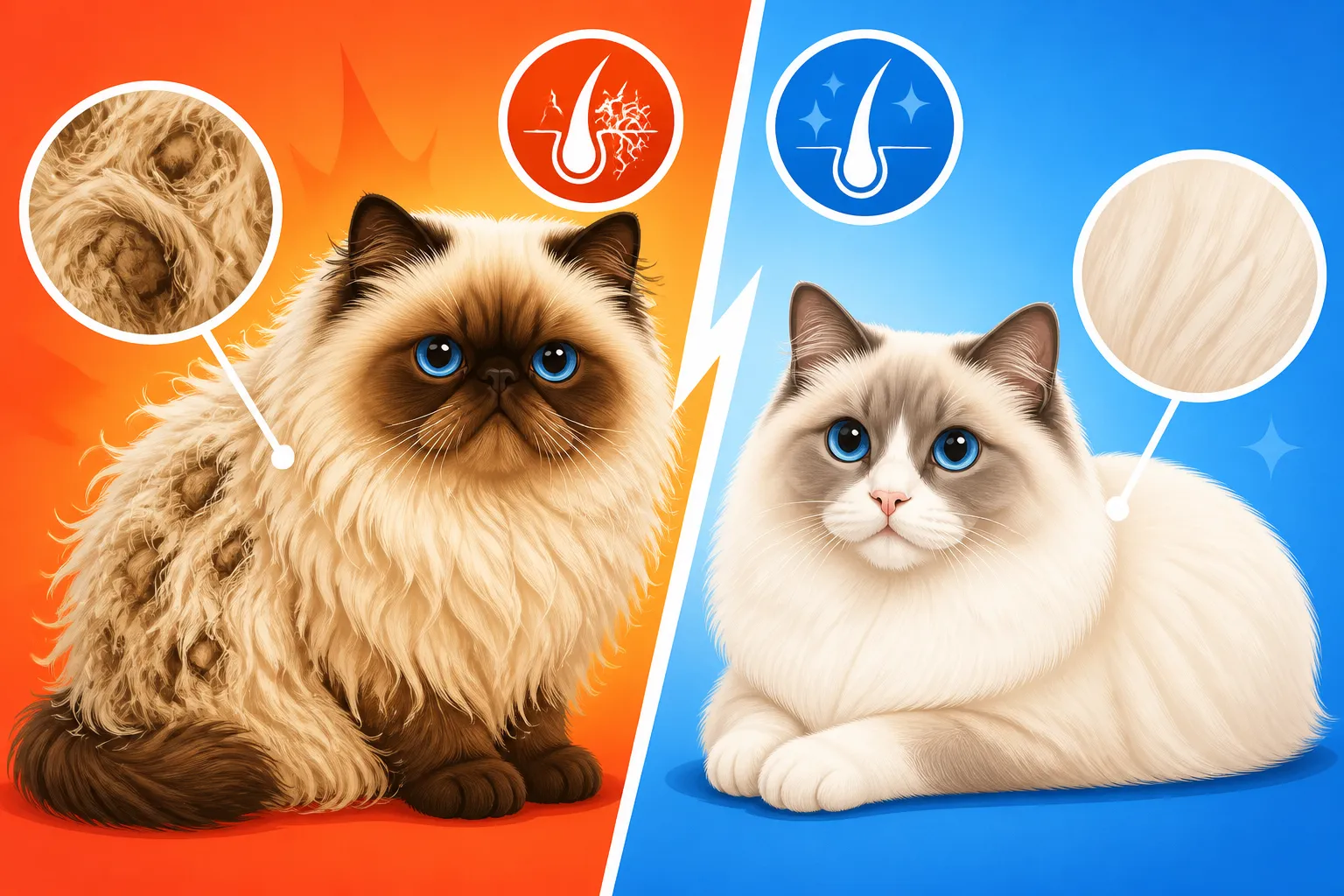
Beyond just being a double coat, the nature of the Himalayan's fur, particularly that undercoat, is a significant factor. The individual strands of hair in the undercoat are incredibly fine and have a slightly woolly or cottony texture. This isn't the slick, smooth hair you might find on some other breeds. Instead, these fine, soft hairs have a natural tendency to hook onto each other, creating friction and easily forming knots. When you combine the sheer density of hair with this fine, somewhat clingy texture, you've got a perfect storm for matting.
Imagine trying to comb through a pile of fine wool versus a pile of silk threads. The wool will tangle and felt much more readily because its fibers are designed to interlock. That's essentially what's happening on your Himalayan. Every time your cat moves, rubs against furniture, grooms itself, or even just sleeps, those fine undercoat hairs shift and intermingle. Without regular, thorough combing, these small tangles quickly tighten into solid mats, becoming incredibly difficult and sometimes painful to remove. The natural oils in their fur, while essential for skin health, can also contribute to this process by making the intertwined hairs even stickier. It's a constant battle against physics and genetics, but understanding the texture is the first step in winning the fight.
The Ragdoll Coat: A Contrast in Texture and Maintenance
Now, let's turn our attention to the Ragdoll, a breed often visually compared to the Himalayan due to its point coloration and semi-long hair. Despite superficial similarities, their coats are fundamentally different, leading to a much easier grooming experience for Ragdoll owners.
Semi-Longhair, Single Coat or Less Dense Double Coat?
The key distinction lies in the Ragdoll's coat structure. While often described as a semi-longhaired cat, many Ragdolls boast a single coat, or at the very least, a much less dense and less woolly undercoat compared to the Himalayan. This means they simply don't have the same volume of fine, interlocking hairs that cause so much trouble for Himalayans. Their fur is often described as feeling like rabbit fur – incredibly soft, yes, but also silkier and with a distinct 'give' that doesn't hold tangles as tightly.
This difference in density means fewer hairs are vying for space and rubbing against each other, reducing the initial opportunities for mats to form. It’s not just about the length; it’s about the sheer quantity and type of hair. A Ragdoll's coat might be long and luxurious, but it’s built differently, with less of that fine, downy underlayer that's the primary culprit in Himalayan matting. This structural difference means that even if a Ragdoll goes a day or two without brushing, it’s far less likely to develop the tight, painful mats that would inevitably appear on a Himalayan in the same timeframe.
Silkiness and Mat Resistance
The texture of a Ragdoll's coat is its secret weapon against matting. Ragdoll fur is famously silky and flowing, often compared to liquid silk or fine mink. These individual strands of hair are smoother and less prone to clinging to one another. Instead of interlocking and forming dense felted knots, Ragdoll fur tends to glide past itself, making it naturally more resistant to tangles.
When a Ragdoll grooms itself, its tongue can more easily work through the sleek strands, whereas a Himalayan's tongue might just push the dense undercoat further into a tangle. This self-grooming efficiency contributes significantly to their lower maintenance needs. For us humans, it means a comb or brush simply slides through a Ragdoll's coat with far less resistance. You'll find fewer snags and pulls, making grooming a much quicker and more pleasant experience for both cat and owner. The natural oils in a Ragdoll's coat also seem to contribute to this sleekness, further deterring mat formation. It's truly a marvel of natural selection (and selective breeding) for a low-tangle, high-glamour coat. This inherent mat resistance is a big reason why many people find Ragdolls a bit easier to live with on a day-to-day grooming basis, despite their long fur. If you're comparing the physical builds of these magnificent cats, you might also find Why a Ragdoll Is Longer and a Himalayan Rounder an interesting read.
Common Matting Zones on a Himalayan
While a Himalayan's entire coat is a potential mat zone, certain areas are particularly notorious for developing knots faster and more stubbornly. Understanding these hotspots can help you focus your grooming efforts and catch tangles before they become major problems.
High-Friction Areas: Armpits, Britches, and Collar
Think about where your Himalayan moves the most, where friction occurs, or where clothing/accessories might rub. These are prime matting locations. The armpits are perhaps the most common culprits. Every time your cat walks, stretches, or lies down, the fur in their armpits rubs against itself and their legs. This constant motion creates friction, and those fine undercoat hairs quickly entwine into tight, often hidden, mats. These can be particularly painful if they get too tight, restricting movement and pulling on sensitive skin. It’s also an area many owners miss during routine brushing because it’s a bit awkward to reach.
Next up are the britches – the long, fluffy fur around their hind legs and rear end. This area experiences friction from walking, sitting, and even using the litter box. Moisture from urine or small pieces of litter can also get trapped in this fur, accelerating mat formation. Plus, it's an area they might struggle to groom effectively themselves, especially if they're a bit on the cobby side. For tips on managing this area, consider Combing a Himalayan's Britches Without Turning It Over.
Lastly, if your Himalayan wears a collar, pay extra attention to the fur directly underneath and around it. The constant rubbing of the collar can quickly felt the fur into a tight band around their neck. It's often best to remove collars when your cat is indoors and supervised, or choose very lightweight, soft options, ensuring you regularly brush the neck area. These high-friction zones demand daily attention to prevent discomfort and bigger issues. For many Himalayans, these are often the first places you'll find those troublesome tangles forming, as discussed in Where a Himalayan's First Mat Forms.
The Ruff and Tummy: Overlooked Trouble Spots
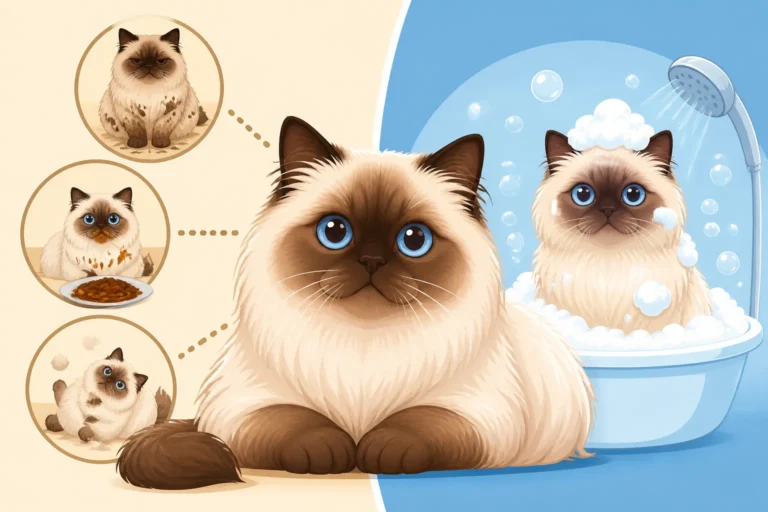
Beyond the high-friction zones, the ruff and the tummy are other areas that frequently develop mats, often for different reasons. The magnificent ruff around a Himalayan's neck and chest is part of their iconic look, but it's also a food and water magnet. When they eat, especially wet food, or drink from a bowl, their ruff can become damp and soiled. The dampness, combined with bits of food or minerals from water, causes those fine hairs to stick together. As the fur dries, it can quickly cement into a mat. This is why many owners opt for wide, shallow bowls to minimize contact between the ruff and food/water.
The tummy or belly fur is another often-overlooked area. When Himalayans lie down, especially on rougher surfaces like carpet, the fur on their belly gets compressed and rubbed. Also, many Himalayans enjoy sleeping on their backs or sides, which can cause the delicate tummy fur to tangle. Furthermore, some cats don't love having their tummies brushed, making it an area that can easily be neglected. If your cat tends to roll around or slide on its belly, these mats can become quite extensive and difficult to remove without professional help. Regular, gentle brushing of the ruff and tummy, even if it requires a bit of coaxing or a favorite treat, is crucial for preventing these mats from taking hold. Being vigilant about these areas will save you a lot of heartache (and your cat a lot of discomfort) in the long run.
Environmental and Lifestyle Factors Amplifying Matting
It’s not just about the fur itself; external factors and your Himalayan’s daily routine (or lack thereof) can significantly contribute to how quickly and severely its coat mats. Our modern indoor environments, while safe and comfortable, don't always align with the natural needs of such a heavy coat.
Humidity and Static Electricity
The air quality and humidity levels in your home play a surprisingly big role in your Himalayan's coat condition. In very dry environments, especially during winter months when heating systems are running, static electricity can build up in your cat's fur. This static causes individual hairs to repel each other and stand on end, making them more prone to tangling and knotting. Think about how your own hair might get flyaways and snarls in dry conditions – it's similar for your cat, but on a much denser, finer scale.
Conversely, excessively high humidity can also be a problem. When the air is very damp, the coat can feel heavy and become slightly sticky, encouraging hairs to clump together and mat. This is particularly noticeable in regions with humid summers. The ideal is usually a moderate humidity level, similar to what's comfortable for humans. While you can’t control outdoor weather, using a humidifier in dry seasons or a dehumidifier in overly damp ones can help create a more stable indoor environment that’s more favorable for your Himalayan's coat health. Regular brushing helps to distribute natural oils and reduce static, but environmental controls can offer an extra layer of protection against these subtle, yet persistent, matting culprits.
Activity Levels and Grooming Habits
Himalayans are generally known for their calm, serene, and somewhat sedentary nature. Unlike some of their more active Siamese ancestors, they often prefer a cozy spot on the sofa or a warm lap over vigorous play and climbing. This lower activity level, while endearing, means they might not naturally 'shed' loose hair as efficiently through movement, and their coats don't get the same kind of natural aeration that a more active cat's might. How Much More Play a Himalayan Wants Than a Persian is not as much as some other breeds, meaning less natural "shake-and-shed" action.
Furthermore, while all cats self-groom, a Himalayan's dense, long coat can make effective self-grooming a challenge. Their tongues, while rough, can struggle to penetrate the thick undercoat, especially in hard-to-reach areas like their back, britches, or underarms. If a mat has already started to form, their licking might only tighten it further. Overweight Himalayans particularly struggle with reaching their hindquarters and lower back, almost guaranteeing mats in those regions. This is compounded by the fact that a truly comfortable Himalayan might spend much of its day lounging, as described in Why a Himalayan Sleeps on Your Chest, which means more time for fur to press and tangle. This combination of a less active lifestyle and physically challenging self-grooming means that human intervention is not just helpful, but absolutely essential for a Himalayan to maintain a healthy, mat-free coat.
Effective Strategies for Himalayan Mat Prevention
Successfully managing a Himalayan's coat isn't about magical solutions; it's about consistency, the right tools, and a proactive approach. Prevention is always easier and less stressful than trying to remove established mats.
The Daily Grooming Ritual: Tools and Techniques
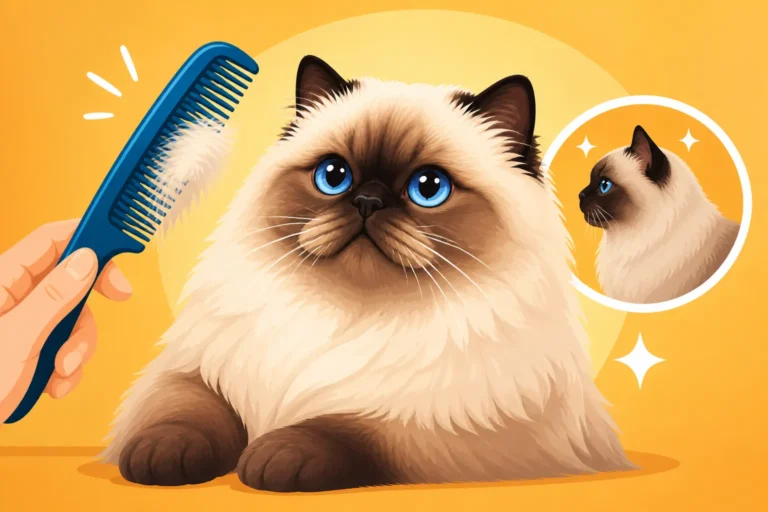
For a Himalayan, a daily grooming ritual isn't a luxury; it's a necessity. This is the single most important step in preventing mats. Aim for at least 15-20 minutes every day, making it a calm, positive experience with treats and praise. The right tools are crucial:
- Steel Comb: Forget the flimsy plastic combs. You need a high-quality, long-toothed steel comb. Look for one with both wide and fine-toothed sections. The wide teeth are great for initial detangling, while the finer teeth help to work through the dense undercoat and catch smaller tangles. Which Steel Comb a Himalayan's Coat Needs will be a game-changer.
- Slicker Brush: A slicker brush can be useful for removing loose hair from the surface and fluffing the coat, but it won't penetrate the undercoat deeply enough on its own. Use it after combing, not as your primary tool for mat prevention.
- Dematter Tool (Cautiously): For very small, incipient mats, a dematter tool with blades can help, but use it with extreme care and only if you know what you’re doing. It’s very easy to cut the skin.
Technique: Start at the skin and work your way out. Don't just brush the top layer of fur. Gently part the fur and comb small sections, ensuring the comb goes all the way through to the skin. Pay special attention to the problem areas we discussed: armpits, britches, ruff, and tummy. If you encounter a tangle, don't yank! Gently work it out with the wide-toothed comb, holding the fur at the base near the skin to prevent pulling. Using a detangling spray can also help. Remember, The Daily Comb a Himalayan Cannot Skip is paramount. Many owners find quality grooming tools available on Amazon or Chewy can make this daily routine much easier to manage.
Diet and Supplements for Coat Health
What goes into your Himalayan can significantly impact the quality and manageability of its coat. A healthy coat starts from within. Just like human hair, feline fur needs proper nutrition to be strong, shiny, and less prone to breakage and matting.
- High-Quality Protein: Protein is the building block of hair. Ensure your Himalayan is on a high-quality diet with a good source of animal protein. Cheap fillers and low-grade ingredients can lead to a dull, brittle coat that's more susceptible to tangles. Consider fresh food options, which often feature high-quality animal proteins that can contribute to overall coat health.
- Omega Fatty Acids: Omega-3 and Omega-6 fatty acids are fantastic for skin and coat health. They help keep the skin moisturized and the fur supple, reducing dryness and breakage that can lead to matting. Many premium cat foods include these, but you can also add supplements like fish oil (specifically formulated for cats) to their diet. Always consult your vet before adding supplements. A well-nourished coat is less likely to become dry, brittle, and prone to static and tangles.
- Hydration: Ensuring your cat drinks enough water is also vital for overall health, including skin and coat. Consider a cat fountain to encourage more drinking, especially if your Himalayan tends to prefer still water.
A balanced diet supports not only a beautiful coat but also overall health, which in turn makes your cat more comfortable during grooming. A healthy cat with a well-nourished coat will have fur that's stronger and more resilient, naturally resisting some of the matting tendencies.
Professional Grooming and Emergency Mat Removal
Sometimes, despite your best efforts, mats happen, or life just gets in the way of that daily comb. This is where professional groomers become invaluable. Don't feel guilty about needing help; they are experts in dealing with challenging coats.
- When to Call a Pro: If you find a mat that is too large, too tight, too close to the skin, or too painful for your cat to tolerate you working on it, it’s time for a professional groomer or your vet. Attempting to cut out a deep mat yourself can be incredibly dangerous, risking serious injury to your cat's skin. Cat skin is very thin and easily cut, and mats often pull the skin up into the knot, making it impossible to tell where the mat ends and the skin begins.
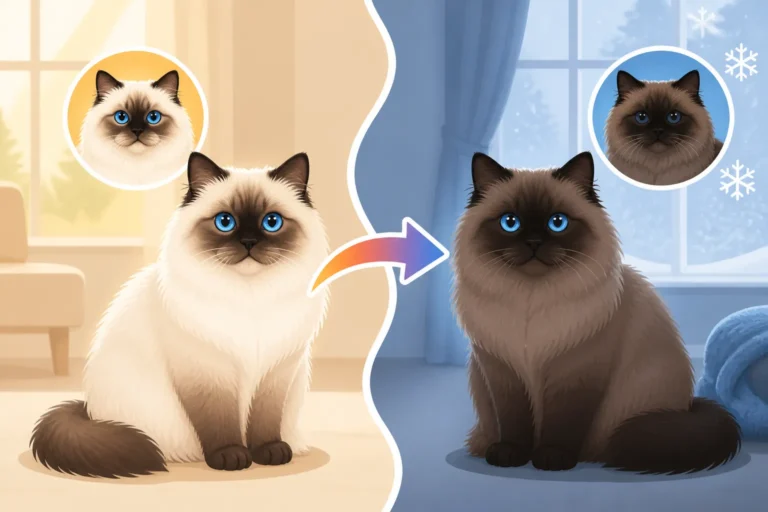
- Lion Cuts: For Himalayans prone to severe or recurrent matting, especially in warmer climates, a "lion cut" can be a fantastic solution. This involves shaving down the body fur while leaving the mane (ruff), tail tip, and sometimes "boots" on the legs. It gives the coat a fresh start and allows for easier maintenance during regrowth. However, be aware that a shaved patch can grow back darker on a Himalayan due to temperature changes, as explained in Why a Shaved Patch Grows Back Dark on a Himalayan.
- Emergency Mat Removal (Vet): In extreme cases, severe matting can cause skin infections, restrict movement, and lead to discomfort. If mats are very extensive or your cat is in pain, your veterinarian might need to sedate your cat to safely shave them. This is often the case for neglected Himalayans, becoming a medical procedure rather than just a grooming one. Understanding Why a Matted Himalayan Becomes a Medical Case underscores the importance of prevention. Regular appointments with a professional groomer can prevent these emergency situations and keep your Himalayan comfortable and healthy.
The Long-Term Commitment to a Himalayan's Coat
Living with a Himalayan means embracing the magnificent coat and understanding the dedication it requires. It's a commitment, but one that rewards you with a beautiful, happy, and comfortable companion.
Patience and Consistency are Key
There’s no magic bullet when it comes to a Himalayan’s coat. The single most important ingredient in keeping it mat-free is unwavering patience and absolute consistency. Skipping a day of grooming, especially for a younger cat or one prone to matting, can quickly snowball into a much larger problem. What starts as a small tangle on Monday can become a tight, painful mat by Wednesday.
Establish a daily routine and stick to it. Choose a time when your cat is relaxed, perhaps after a meal or a nap. Make it a positive experience with gentle strokes, calm voices, and plenty of treats. If your cat tolerates only short sessions, break the grooming into multiple smaller sessions throughout the day. A few minutes here, a few minutes there, can add up to thorough grooming without overwhelming your cat. It's about building trust and routine, understanding that this is a non-negotiable part of their care. Remember, you're working with a highly sensitive animal, and forcing them can create a negative association that makes future grooming even harder. Your patience will make all the difference, transforming a potential chore into a bonding experience. Truly, Why a Himalayan Cannot Be Left a Week is something every owner learns quickly.
Understanding the Breed's Unique Needs
Ultimately, owning a Himalayan means accepting and celebrating its unique characteristics, luxurious coat and all. Their dense, fine fur is part of what makes them so strikingly beautiful and wonderfully soft, but it also comes with specific care requirements. They aren't low-maintenance pets, and anyone considering bringing one into their home needs to be prepared for the daily commitment their coat demands.
This isn't to say it's an impossible task, but it requires an owner who is willing to invest the time, effort, and sometimes, the financial resources for professional help. Understanding that their coat structure is fundamentally different from a Ragdoll's or even many other long-haired breeds helps reframe the challenge. It's not that your Himalayan is "bad" at keeping itself clean or that you're "bad" at grooming; it's simply the nature of the breed's exquisite coat. By proactively engaging in daily grooming, providing a nutritious diet, and knowing when to call in the professionals, you can ensure your Himalayan lives a comfortable, mat-free life, showcasing the full glory of its stunning Persian-Siamese heritage. Considering the full scope of their care, including grooming, gives you a clearer picture of What a Himalayan Really Costs Once the Coat Is Counted.
| Feature | Himalayan Coat Characteristics | Ragdoll Coat Characteristics | Grooming Needs Comparison |
|---|---|---|---|
| Coat Type | Dense double coat (long guard hairs + thick, fine undercoat) | Semi-longhair, often single coat or less dense double coat | Himalayan: High maintenance, daily combing essential |
| Hair Texture | Fine, woolly, cottony, prone to interlocking and felting | Silky, smooth, flowing, naturally resistant to tangles | Ragdoll: Moderate maintenance, 2-3 times a week typically enough |
| Matting Tendency | High, especially in high-friction areas | Low to moderate, tangles are usually looser and easier to remove | Himalayan: Mats form quickly and tighten severely |
| Self-Grooming Efficacy | Challenging due to density and texture | More effective due to silky texture | Himalayan: Requires significant human assistance |
| Primary Grooming Tool | Long-toothed steel comb for undercoat | Steel comb or slicker brush for detangling and smoothing | Himalayan: Emphasis on thorough undercoat penetration |
| Environmental Sensitivity | More sensitive to static in dry air, humidity affects density | Less sensitive, coat remains manageable across conditions | Himalayan: Benefit from humidity control |
Disclaimer
This article is for general informational purposes only and does not constitute professional advice. Laws, prices and regulations vary by location and change over time. Consult a qualified professional for guidance on your specific situation.