The Only Times a Himalayan’s Coat Has to Be Washed
It’s a common misconception, one that I hear from new Himalayan parents all the time: "My cat has so much fur, I must need to bathe them regularly, right?" The truth is, quite the opposite! Over-bathing your beautiful Himalayan can actually do more harm than good, stripping their luxurious coat of its essential natural oils and leading to skin irritation, dryness, and even more matting. This guide is here to set the record straight, helping you understand the rare, specific instances when a bath is truly necessary, and how to keep your cherished feline looking pristine without reaching for the shampoo bottle every other week.
Understanding the Himalayan Coat: A Self-Cleaning Wonder Mostly
Your Himalayan's magnificent coat isn't just for show; it's a marvel of natural design, built with layers of fur and protective oils that work together to keep them clean, comfortable, and healthy. Think of it as a finely tuned ecosystem, one that thrives on minimal interference and consistent, gentle care.
The Natural Oils and Their Purpose
Beneath that impressive topcoat and dense undercoat, your Himalayan’s skin produces natural oils that are absolutely vital for their well-being. These oils act as a built-in conditioning system, keeping their fur soft, flexible, and surprisingly resistant to dirt and tangles. They also form a protective barrier for the skin, maintaining its moisture balance and preventing dryness or irritation. When you bathe your Himalayan too frequently, especially with harsh shampoos, you essentially strip away these precious natural oils. This leaves their skin vulnerable, dry, and often itchy. The fur, without its natural lubrication, can become brittle, more prone to static, and, yes, even more susceptible to matting, turning what you thought was a helpful act into a grooming nightmare.
This is why daily combing isn't just about untangling; it's about distributing these natural oils evenly throughout the coat, keeping it healthy and lustrous. It's the primary way your Himalayan keeps themselves clean, supplemented by their own diligent, though sometimes inefficient, self-grooming. A consistent grooming routine means less need for a full bath, preserving that natural protective layer. You might be surprised at how much debris a good comb can lift out.
Why Most "Dirt" Isn't What You Think
Many things we perceive as "dirty" on a Himalayan's coat are actually quite superficial and can be managed without water. That little bit of dust from under the sofa? Easily removed with a few passes of a comb. The odd bit of dander that's shed? Again, regular grooming takes care of it. Even minor spills, like a drop of food, can often be spot-cleaned with a damp cloth or a pet-safe wipe.
The vast majority of what builds up on a Himalayan's coat isn't deep-seated grime requiring a full submersion. Their indoor lifestyle means they aren't typically rolling in mud or exposed to the elements in the way an outdoor cat might be. Furthermore, a healthy coat starts from within. A high-quality diet, rich in essential fatty acids and What Protein Level a Himalayan's Coat Needs, contributes significantly to a clean, vibrant coat that naturally resists clinging to debris. If you're consistently seeing persistent "dirt" that regular combing can't handle, it might be worth considering if there's an underlying dietary or environmental factor at play. Focusing on preventative care, like a spotless living environment and excellent nutrition, drastically reduces the chances of needing a bath.
When a Bath Becomes a Necessity, Not a Choice
While routine baths are generally discouraged for Himalayans, there are indeed specific, often urgent, situations where bathing isn't just a good idea, it's absolutely critical for their health and safety. These aren't about aesthetics; they're about hazard mitigation and medical treatment.
Serious Soiling or Toxic Exposure
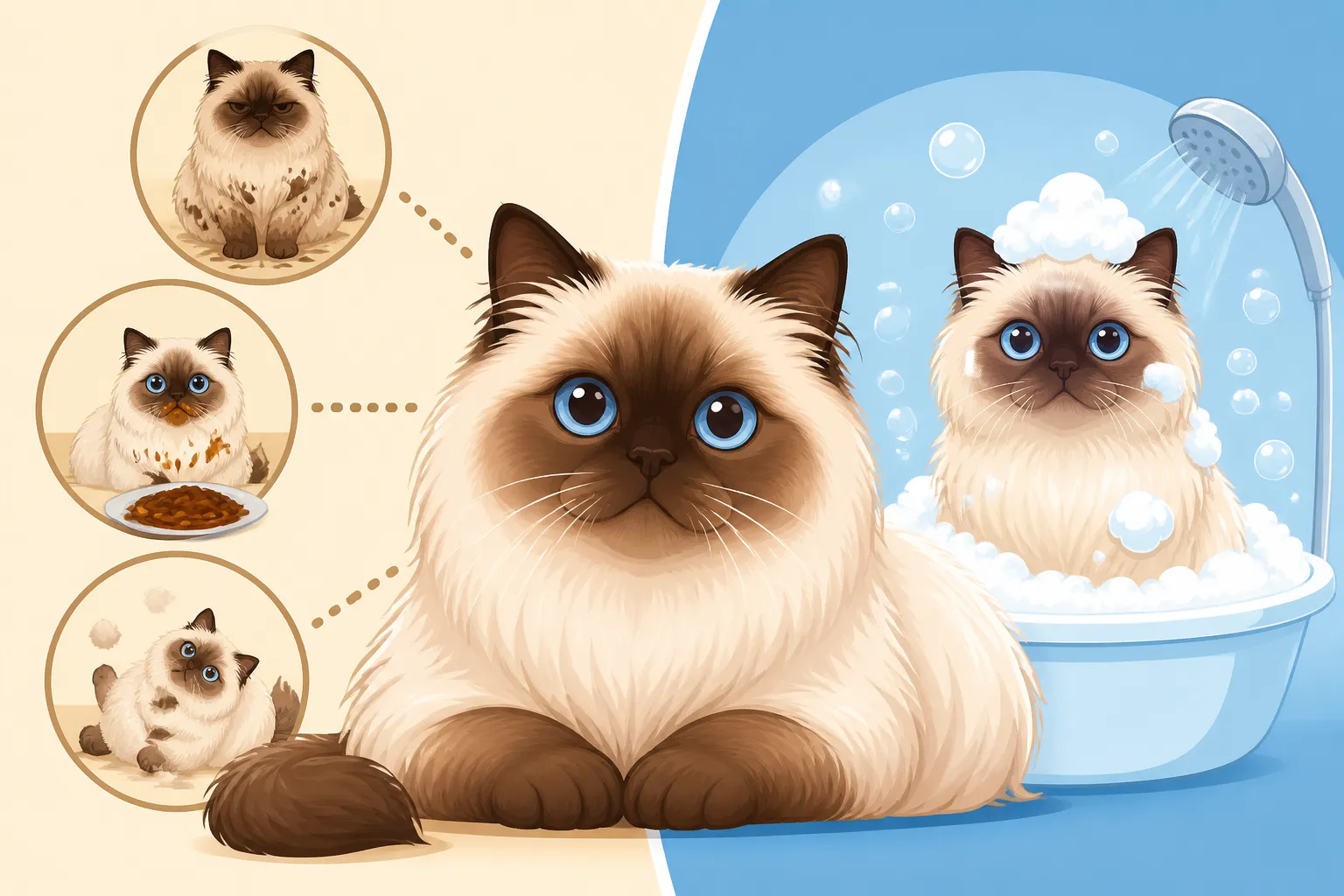
This is perhaps the most obvious and critical reason for a bath. If your Himalayan has managed to get into something truly nasty, dangerous, or incredibly sticky, a bath isn't optional – it's an emergency. Think motor oil from a leaky car, accidental paint spills, household cleaning chemicals, or anything else that could be toxic if ingested as they try to groom themselves. Sticky food, tree sap from a brief outdoor adventure, or even tar can also warrant a full bath, especially if spot cleaning is impossible or risks skin irritation.
In such scenarios, the priority is to remove the harmful substance as quickly and safely as possible. Always check the labels of any substances your cat might have come into contact with and, if there's any doubt about toxicity, contact your veterinarian immediately for advice. They might recommend a specific washing protocol or even advise against washing at home if the substance requires specialized removal. When faced with such a situation, gather your pet-safe shampoo and prepare for a gentle but thorough wash, ensuring you protect their eyes and ears. This isn't about maintaining cleanliness; it's about preventing a much more serious health crisis.
Matted Beyond Repair or Severe Skin Conditions
Another time a bath might enter the picture is when severe matting has occurred. Now, let's be absolutely clear: you never bathe a severely matted cat before attempting to remove the mats. Water will only tighten mats, making them impossible to remove and incredibly painful for your cat. If you find your Himalayan's coat has become a dense, felted mess that cannot be gently combed out, the first step is usually a professional groomer or, in severe cases, a veterinary visit for sedation clipping. Why a Matted Himalayan Becomes a Medical Case Once the mats are safely removed and the skin has a chance to breathe, a bath might be recommended by your vet or groomer to clean the underlying skin, but this is always a secondary step to mat removal.
The second part of this category involves specific medical conditions. If your Himalayan develops a skin infection, a fungal issue like ringworm, or severe allergies, your veterinarian might prescribe medicated shampoos. These baths are therapeutic treatments, designed to deliver active ingredients to the skin to resolve the medical problem. This is not a regular grooming bath; it's part of a treatment plan. Your vet will provide precise instructions on the type of shampoo to use, how often to bathe, and how long to leave the shampoo on. Always follow these instructions carefully, as medicated baths are potent and specific to the condition. These instances highlight that baths are less about routine cleanliness and more about targeted solutions for acute problems.
The Proper Bathing Technique for Your Himalayan
If one of those rare, necessary bathing situations arises, approaching it with the right technique is crucial. A Himalayan bath isn't a quick splash-and-dash affair; it's a careful, deliberate process designed to minimize stress for your cat and maximize the effectiveness of the wash, all while protecting their delicate coat.
Preparation is Key: Before the Water Even Runs
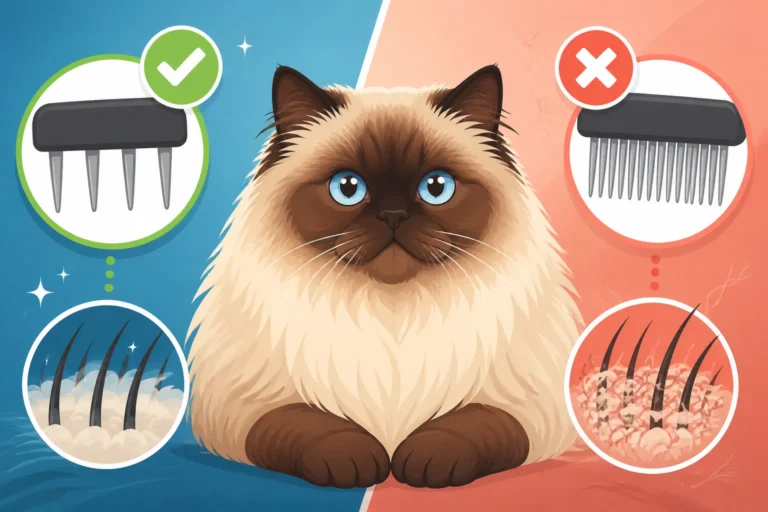
Before you even think about turning on the tap, preparation is paramount. The single most important step for a long-haired cat like a Himalayan is to thoroughly comb their coat before the bath. Seriously, I cannot stress this enough. Water tightens mats, making them virtually impossible to remove without resorting to painful cutting. Use a good quality steel comb to work through every inch of their fur, gently teasing out any tangles or small mats. How Often a Himalayan Must Be Combed If you encounter a mat that won't budge, it's better to carefully clip it out (if you're confident and using blunt-nosed scissors, always pointing away from the skin) or consult a groomer than to risk bathing it in.
Next, gather all your supplies within arm's reach. You'll need a cat-specific shampoo (human shampoos are too harsh and can irritate feline skin), several large, absorbent towels, cotton balls for their ears (to prevent water from entering), and a non-slip mat for the tub or sink. Many people find having a helper makes the process much smoother, especially for a cat unaccustomed to baths. Ensure the bathroom is warm, and the water temperature is lukewarm – never hot or cold. A shallow sink or utility tub is often less intimidating than a full bathtub. Remember, a calm, prepared environment will go a long way in making the experience less stressful for your furry friend.
The Bathing Process Itself
Once you and your Himalayan are ready (and perhaps a bit resigned), it's time to begin. Gently place your cat in the sink or tub, ideally on a non-slip mat, which helps them feel more secure. Use a cup or a low-pressure spray nozzle to slowly and thoroughly wet their coat, working from neck to tail, being extremely careful to avoid their face, eyes, and ears. This might take a few minutes due to the density of their fur. You can use a damp cloth for their face later.
Once their coat is completely saturated, apply a small amount of cat-specific shampoo. Many professional groomers recommend diluting the shampoo slightly with water before applying it, as this helps it spread more evenly and rinse out more thoroughly. Work the shampoo gently into their fur, paying close attention to areas that tend to get dirtiest, like their britches and undercarriage, but always focusing on getting the shampoo down to the skin. Be gentle; don't scrub vigorously, as this can tangle the fur even more. Once you feel the coat is clean, the rinsing process begins, and this is where many people fall short. You need to rinse, and then rinse again. And then probably one more time. Residual shampoo can cause skin irritation, flaking, and dullness. Keep rinsing until the water runs completely clear and you can no longer feel any slipperiness on their fur.
Drying: The Most Critical Step
After thoroughly rinsing, the drying process for a Himalayan is just as, if not more, important than the wash itself. Do not underestimate this step. First, gently squeeze excess water from their fur. Then, wrap them in a large, absorbent towel and pat them dry, rather than rubbing vigorously, which can create tangles and static. You'll likely go through several towels to get them as dry as possible.
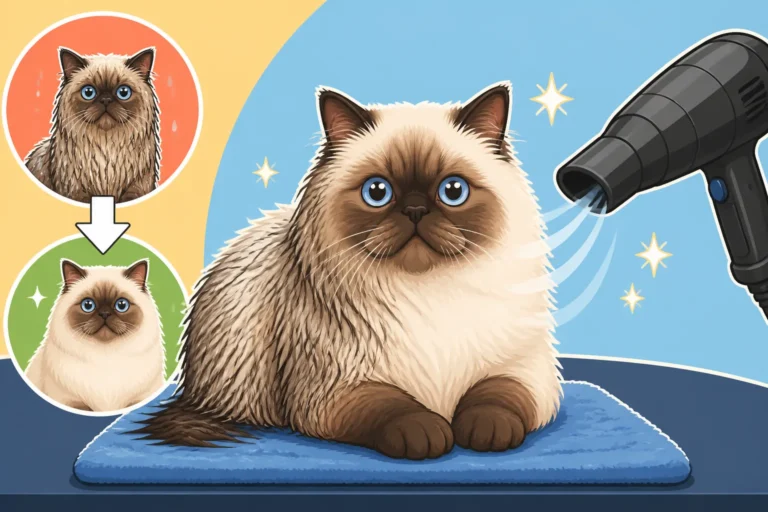
For a long-haired cat like a Himalayan, towel drying alone isn't enough. You absolutely must ensure they are dried right down to the skin to prevent skin problems like hot spots or fungal infections that thrive in damp environments. This usually requires a pet-specific force dryer or a human hairdryer on the lowest, coolest setting. Never use hot air, as it can burn their delicate skin. Keep the dryer moving constantly, working section by section, gently combing their fur as you dry. How to Dry a Himalayan Down to the Skin This helps prevent new mats from forming as the coat dries and ensures air reaches all layers of their dense fur. The entire drying process, for a truly dense-coated Himalayan, can easily take How Many Hours a Himalayan Takes to Dry, so set aside ample time. Patience and thoroughness here will save you a lot of trouble later.
Maintaining Coat Health to Avoid Unnecessary Baths
The best bath is often the one you don't have to give! By focusing on proactive daily care and managing their environment, you can significantly reduce the need for those infrequent, necessary washes, keeping your Himalayan looking and feeling fabulous without the stress of a full bath.
The Daily Grooming Routine
This is the cornerstone of Himalayan coat care. Daily combing is non-negotiable for these magnificent felines. Their long, dense, double coat is prone to matting, and skipping even a day can quickly lead to painful tangles. Dedicate 15-20 minutes each day to gently working through their fur with the right tools. The Daily Comb a Himalayan Cannot Skip A high-quality steel comb with both wide and fine teeth is indispensable. Which Steel Comb a Himalayan's Coat Needs Start with the wider teeth to detangle and then follow with the finer teeth to ensure thorough removal of loose undercoat and prevent future mats. Pay special attention to their "problem areas" like the armpits, behind the ears, the ruff, and the britches, where mats tend to form first.
Beyond combing, daily face care is equally important, especially for Himalayans with flatter faces. Their eyes often water, leading to tear stains, and food can easily get trapped in their facial fur. Every morning, gently wipe their face, especially under the eyes and around the nose fold, with a soft, damp cloth or a pet-safe wipe. You can find many gentle, effective wipes on platforms like Chewy or Amazon. This routine prevents unsightly stains, skin irritation, and potential infections in damp folds. The Morning Face Routine Every Himalayan Needs Consistent, gentle handling during these daily routines not only keeps them clean but also strengthens your bond and makes necessary interventions, like the occasional bath, much less traumatic.
Environmental Factors and Nutrition
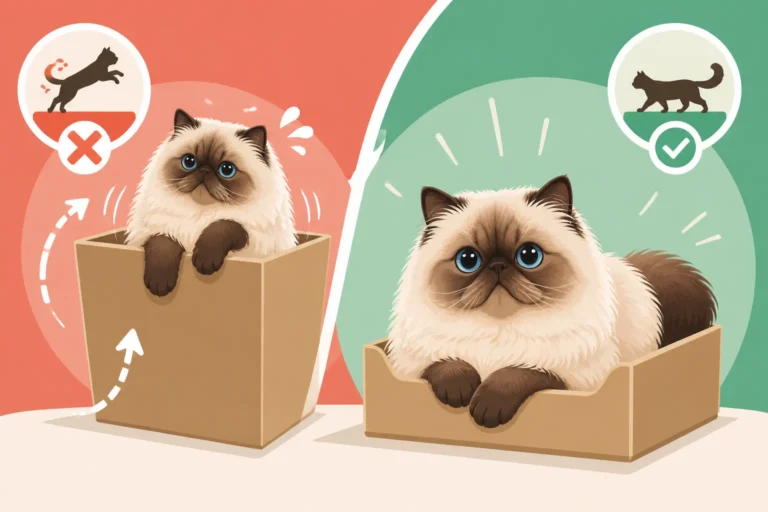
A huge part of maintaining a clean coat without frequent bathing comes down to managing your Himalayan's environment and diet. Firstly, keep your home as clean as possible. Regular vacuuming and dusting reduce the amount of loose hair, dust, and dander that can settle on your cat's fur. Provide clean, low-sided litter boxes with low-dust litter, and scoop them frequently. This helps prevent litter from clinging to their britches, a common issue for long-haired cats, and reduces the chance of unpleasant odors or dirty fur. Which Litter Does Not Cling to a Himalayan's Britches Some owners even opt for a regular "sanitary trim" around the hindquarters to keep things tidier.
Secondly, nutrition plays a crucial role in the health and appearance of their coat. A high-quality, balanced diet rich in essential fatty acids (like Omega-3 and Omega-6) will promote a healthy, strong coat that is less prone to dryness, shedding, and matting. Look for premium cat foods, and consider options from reputable brands. You might even explore specialized fresh food options, though always introduce new foods slowly. A well-nourished coat often looks cleaner and feels softer naturally. Finally, don't forget the importance of regular veterinary check-ups. Your vet can spot early signs of skin issues, allergies, or other health problems that might manifest as coat problems. How Often a Tested Himalayan Still Needs Checking Addressing these underlying issues promptly can prevent more extensive and uncomfortable coat conditions that might otherwise necessitate a bath.
| Situation | Recommended Action | Notes |
|---|---|---|
| Minor dust or loose hair | Daily Combing | Prevents mats, distributes natural oils, keeps coat healthy. |
| Tear stains/food on face | Daily Face Wipe | Prevents buildup, irritation, and stains. Use pet-safe wipes (e.g., from Amazon or Chewy). |
| Small, superficial mat | Gentle Detangling/Combing | Address immediately before it worsens; never bathe a matted cat. |
| Heavy mud/non-toxic mess | Spot Clean, then Bath | If extensive, ensure all mats are removed before bathing. |
| Toxic substance exposure | Immediate Bath / Vet Visit | Prioritize safety; consult vet for advice on specific substances. |
| Severe, unmanageable matting | Professional Groomer / Vet | Often requires sedation for safe removal; bath may follow after mats are gone. |
| Skin infection/allergy | Medicated Bath (Vet-prescribed) | A therapeutic treatment. Follow veterinary instructions precisely regarding shampoo and frequency. |
Disclaimer
This article is for general informational purposes only and does not constitute professional advice. Laws, prices and regulations vary by location and change over time. Consult a qualified professional for guidance on your specific situation.