Why a Himalayan’s Pale Coat Discolors With Age
It’s a common sight for many Himalayan cat owners: that once pristine, creamy-white body coat that graced your kitten is slowly but surely starting to take on a more… lived-in appearance. Perhaps it's a subtle yellowing, a slight dinginess, or even a darkening that makes you scratch your head, wondering what happened to the brilliant contrast you fell in love with. This guide is here to shed light on why your beloved Himalayan's pale coat discolors with age, breaking down the genetic, environmental, dietary, and health factors at play, and offering realistic advice to help manage it.
Understanding the Himalayan's Unique Coat Genetics
Let's start at the very beginning, deep within the genetic code of your beautiful feline friend. The Himalayan cat isn't just stunning by accident; its distinctive coloring is the result of a fascinating genetic trait that dictates how pigment is expressed in its fur. Understanding this foundation is key to grasping why their pristine pale body coat can be so prone to change.
The Tyrosinase Enzyme and Temperature Sensitivity
The Himalayan's signature "points" – the darker coloration on its ears, face mask, paws, and tail – are a direct result of a temperature-sensitive enzyme called tyrosinase. This enzyme is crucial for melanin production, which is what gives fur its color. Here’s the kicker: this particular enzyme only works effectively at cooler body temperatures. In the warmer parts of your cat’s body, like its torso, the enzyme is inactive, leading to little to no melanin production, and thus, a pale or white coat. However, in the cooler extremities, the enzyme becomes active, producing melanin and resulting in those gorgeous dark points.
This temperature dependency isn't just responsible for their striking appearance; it also makes their coat inherently more susceptible to environmental influences. Think about it: if the enzyme can be activated by cooler temperatures, then external factors that alter skin temperature, even slightly, can potentially influence how much pigment is laid down in the fur. This is why you often hear discussions about How Temperature Decides a Himalayan's Point Color, as even ambient room temperature can play a role in the intensity of their points.
From White Kitten to Pointed Adult
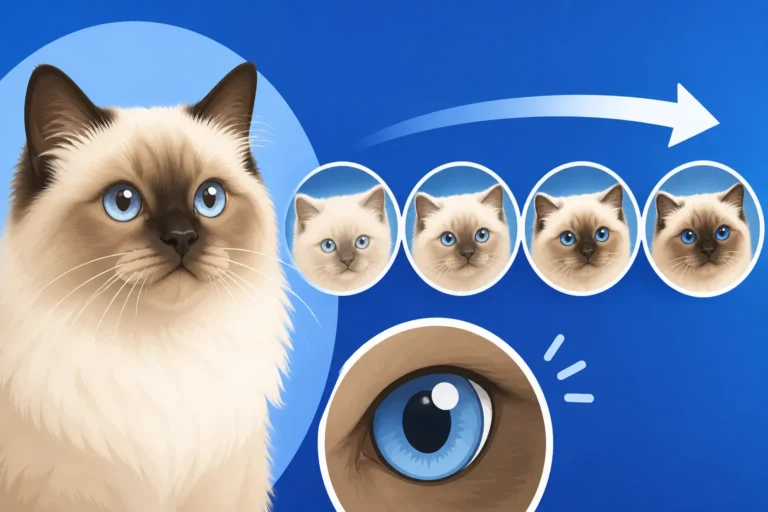
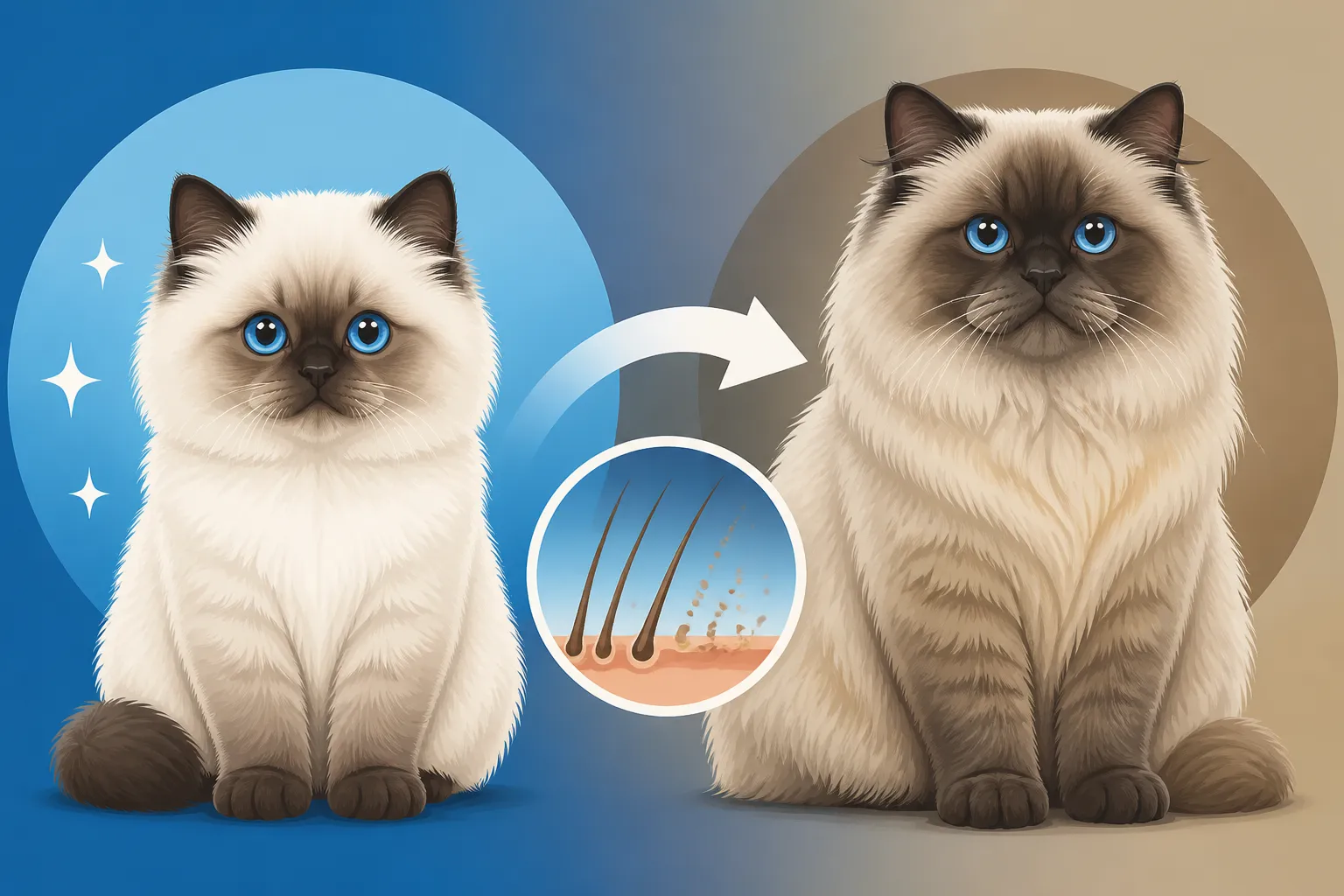
When a Himalayan kitten is born, it’s a tiny bundle of almost pure white fluff. It’s an adorable sight, but it also perfectly illustrates the temperature-sensitive gene at work. Inside the mother's womb, the temperature is consistently warm, rendering the tyrosinase enzyme inactive. Therefore, no pigment is produced, and the kitten emerges with an almost entirely white coat. It’s only once they are exposed to the cooler ambient temperatures of the outside world that their points gradually begin to develop.
Over the first few weeks and months of life, you can literally watch the magic happen as their ears, nose, paws, and tail slowly start to deepen in color. This process isn't instant; it's a gradual darkening that continues for the first year or two of their life, and to some extent, throughout their entire lifespan. The pale body coat, however, is supposed to remain pristine, a striking canvas against the darker points. Any significant darkening or yellowing of this body coat, particularly as they mature, can be a sign of other factors at play, shifting the beautiful contrast that defines the breed.
Environmental and Lifestyle Factors Affecting Coat Color
Beyond the genetic blueprint, your Himalayan's daily environment and lifestyle choices play a huge, often underestimated, role in how their coat ages and discolors. It’s not just about keeping them clean; it's about managing the world around them to preserve that pristine pale fur.
The Impact of Ambient Temperature
We just talked about the temperature-sensitive gene, right? Well, that sensitivity doesn't magically disappear once your cat is an adult. A Himalayan living in a consistently cooler environment might experience a gradual darkening of their body coat over time. The tyrosinase enzyme, even in parts of the body that are typically warmer, can become slightly more active if the cat is regularly exposed to lower temperatures. This isn't usually a dramatic change like their points, but it can manifest as a general dulling or subtle darkening of the typically pale areas.
Imagine a Himalayan who loves to nap near a drafty window in winter, or one whose favorite sleeping spot is on a cold tile floor. These prolonged exposures to cooler surfaces can encourage pigment development where you least expect it. While you certainly don't want to overheat your Himalayan – Why a Himalayan Overheats Twice as Fast as a Siamese is a critical read – maintaining a comfortable, consistent indoor temperature helps ensure their body coat retains its intended paleness.
Sunlight Exposure and Oxidation
Just like our hair can lighten or take on different tones with sun exposure, a Himalayan's delicate pale coat can also react to UV rays. Prolonged exposure to direct sunlight can cause the white or cream areas of their fur to oxidize, leading to a brassy, yellowed, or even slightly orange tint. This is particularly noticeable on cats that enjoy basking in sunny spots for hours on end.
Think of it like an old white curtain left in a window; over time, it just doesn't look as bright. The UV radiation can break down the proteins in the fur, altering its structure and leading to this discoloration. While a little bit of sun is lovely for any cat, if you notice your Himalayan's coat developing an unwanted yellow tinge, it might be worth considering moving their favorite napping spot to a shadier area during the sunniest parts of the day, or adding some sheer curtains to diffuse the light.
Outdoor Influence Versus Indoor Sanctuary
This really brings home the point about why Himalayans are, unequivocally, indoor cats. An outdoor Himalayan faces a barrage of environmental factors that are almost guaranteed to discolor and damage its coat. Mud, dirt, pollen, tree sap, dampness, and even chemicals used in gardens can all cling to that long, luxurious fur, staining it permanently. Beyond the direct staining, the constant exposure to varying temperatures and intense sunlight will inevitably lead to a dull, discolored, and often matted coat.
Even a catio or a supervised stroll on a harness can introduce elements that contribute to coat discoloration. While a catio can offer enrichment, ensure it's fully shaded and protected from the elements. The reality is, for that pristine, pale coat to remain its best, a controlled, clean indoor environment is paramount. Letting a Himalayan roam outdoors is not only dangerous for their health and safety but also a surefire way to compromise the beauty of their signature coat. This is also why many owners eventually find themselves Caring for a Himalayan Whose Points Have Gone Dark, as general darkening can occur from multiple environmental factors.
Diet and Nutrition's Role in Coat Health
It might not be the first thing you think of when you see a dingy patch on your cat's fur, but what goes into your Himalayan's bowl has a profound impact on the quality, health, and even the color of their coat. A healthy coat starts from within, and imbalances or deficiencies in diet can quickly show up on the outside.
Protein and Amino Acids for a Healthy Coat
A cat's coat, much like human hair, is primarily made of protein. Specifically, it relies on a complex array of amino acids to grow strong, healthy, and vibrantly colored (or vibrantly pale, in the case of the Himalayan's body coat). If your Himalayan's diet is lacking in high-quality protein, or if the protein sources aren't easily digestible, you might notice a dull, brittle, or sparse coat. While this doesn't directly cause discoloration in the sense of staining, a compromised coat is more prone to environmental damage and can appear less radiant, contributing to a "dingy" look.
Ensuring your Himalayan receives a diet rich in animal-based protein is essential. Look for cat foods that list real meat (like chicken, turkey, or fish) as the first ingredient. Reputable brands understand the importance of balanced nutrition for coat health, and investing in a good quality food is one of the best preventative measures you can take. You might be surprised to learn What Protein Level a Himalayan's Coat Needs to maintain its lush appearance.
Essential Fatty Acids and Skin Barrier
Beyond protein, essential fatty acids (EFAs) like Omega-3 and Omega-6 are critical for maintaining a healthy skin barrier and promoting a lustrous, soft coat. These fatty acids help keep the skin hydrated, reduce inflammation, and contribute to the natural oils that coat each hair shaft. A well-oiled, healthy coat is less likely to become dry and brittle, which can make it more susceptible to environmental staining and damage.
When a cat's skin and coat are healthy, the fur has a natural sheen that reflects light, making it appear brighter and cleaner. If your Himalayan's diet is deficient in these vital fats, their coat might appear dull, dry, and perhaps even flaky, contributing to an overall lackluster and discolored appearance. Many premium cat foods are fortified with these beneficial fatty acids. Sometimes, a vet might even recommend a supplement if dietary intake isn't sufficient.
Dietary Pigments and Staining
This is where diet can directly contribute to discoloration, particularly around the mouth and on the paws if your cat is a self-groomer (which, let's be honest, all cats are!). Certain ingredients in cat food, especially those with artificial colorings or high iron content, can sometimes react with saliva or tears to leave an orange-brown stain on light fur. This is often seen as rust-colored staining around the mouth from eating or on the paws from licking themselves after a meal.
Even the water your cat drinks can play a role. Water high in iron or other minerals can leave subtle reddish or brownish stains around the mouth area over time. This is more common with well water or water from older pipes. If you suspect your cat's diet or water is contributing to staining, switching to a high-quality, natural food with no artificial colors and offering filtered water can make a noticeable difference.
Grooming Practices and Preventing Discoloration
No matter how perfect your Himalayan's genetics or diet, their exquisite long coat demands consistent, dedicated grooming to stay pristine. Neglecting this routine is arguably the fastest way to see that pale coat discolor, mat, and lose its luster.
The Daily Combing Imperative
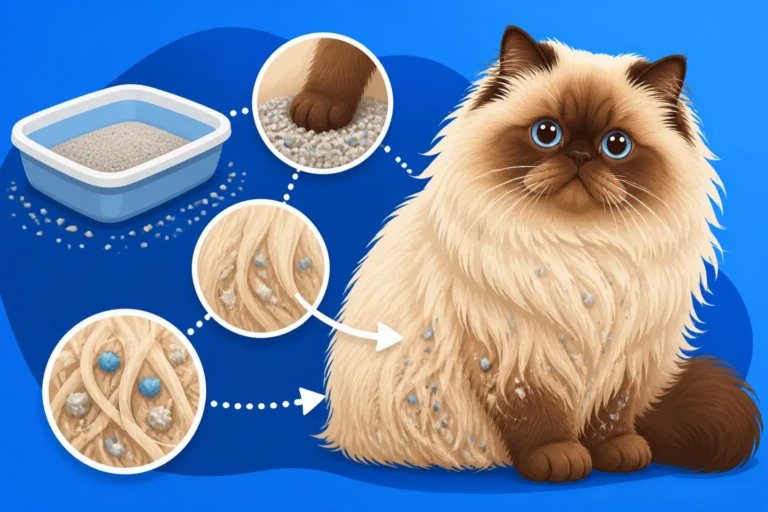
Let's not sugarcoat it: a Himalayan's coat is a commitment. It's thick, double-layered, and long, inherited from their Persian lineage. This type of fur is a magnet for dust, dander, loose hair, and any tiny particle floating through your home. Without daily combing, these environmental impurities quickly become trapped, dulling the coat and leading to a dingy appearance. More critically, without regular combing, these trapped particles and shed undercoat hairs begin to form mats.
Mats are not just unsightly; they pull on the skin, cause discomfort, and act like sponges, soaking up moisture, dirt, and oils, leading to severe localized discoloration and even skin infections. A matted coat simply cannot be clean or pale. The Daily Comb a Himalayan Cannot Skip is not just a suggestion; it's a fundamental requirement for keeping that coat healthy and preventing discoloration. Use a good quality steel comb – you can find excellent options on Amazon – to work through the entire coat, paying special attention to the "armpit" areas, behind the ears, and the britches, which are notorious for matting.
Face Cleaning and Tear Stains
One of the most common and frustrating forms of discoloration on a Himalayan's pale face is tear staining. Due to their distinctive flat faces, many Himalayans have shallow eye sockets or tear ducts that don't drain properly. This leads to tears overflowing onto their facial fur, which, when exposed to air, bacteria, and yeast (common inhabitants of skin), can oxidize and turn a reddish-brown color. This is Why Tear Stains Are Worse on a Cream Bodied Himalayan, as the contrast is far more noticeable.
This rust-colored staining is particularly evident on pale coats and can make your cat look perpetually dirty. Daily face cleaning is non-negotiable. Gently wipe the area around their eyes with a soft, damp cloth or a pet-safe tear stain wipe (many brands are available on Chewy). It's not just about aesthetics; keeping the area dry helps prevent skin irritation and infection in the delicate folds of their face. Some owners also swear by specific water filters or dietary supplements to reduce tear staining, though consistent cleaning remains the most crucial step.
Strategic Bathing and Product Choices
While daily combing is essential, frequent bathing is generally not recommended for Himalayans. Over-bathing can strip the natural oils from their coat and skin, leading to dryness, irritation, and potentially even encouraging more oil production to compensate, which can ironically make the coat appear greasier and more prone to discoloration. When a bath is necessary, such as after an accident or if the coat has become excessively greasy or stained, it must be done correctly.
Use a cat-specific, mild shampoo designed for long-haired or light-colored cats. Avoid human shampoos or harsh detergents. Rinse thoroughly – and we mean thoroughly – as any residue left behind can dull the coat and cause skin irritation. Then, the drying process is paramount. A Himalayan's dense coat can take hours to dry completely, and leaving it damp can lead to mats and skin issues. Use a pet dryer on a cool setting or wrap them in towels and allow them to air dry in a warm, draft-free room, continuing to comb as they dry to prevent tangles. Strategic trimming of the britches can also help prevent litter and waste from staining the fur in that area.
Age-Related Changes and Health Considerations
As our beloved Himalayans gracefully age, their bodies undergo natural changes, some of which can visibly impact their coat. Just like humans might get gray hairs or changes in skin tone, older cats can experience shifts in fur texture and color. Beyond normal aging, certain health conditions can also manifest as coat discoloration, making it a red flag that warrants veterinary attention.
Natural Pigment Changes with Seniority
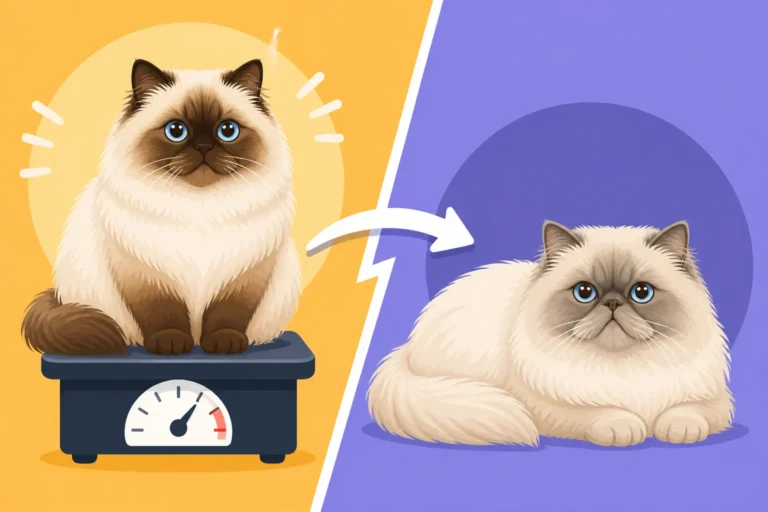
It's a bittersweet reality that as Himalayans move into their senior years, often past the age of eight or ten, their coats can undergo some natural changes in pigmentation. This is a subtle process, not usually a sudden shift. The gene responsible for their points, the tyrosinase enzyme, can become slightly more active or less efficient with age, leading to a general darkening of the body coat. This means that the once pristine, almost-white areas might take on a creamier, buff, or even slightly darker shade, sometimes making an old Himalayan appear almost solid colored, blurring the lines between their body and points. This is beautifully described in Why an Old Himalayan Looks Almost Solid Colored.
You might also notice a change in the texture of their fur. It can become coarser, less dense, or even thinner in certain areas. This change in texture can make the coat more susceptible to picking up dirt and appearing dull or discolored. It's part of their journey, a testament to the years of love and comfort they've given you. While you can't stop the march of time, understanding that these changes are normal can help you adjust your expectations and continue to provide the best care.
Medical Conditions and Coat Dullness/Staining
While some discoloration is a normal part of aging, sudden or significant changes in your Himalayan's coat color or quality should always prompt a visit to your veterinarian. The coat is often a mirror of internal health, and many underlying medical conditions can manifest as coat problems.
- Kidney Disease: As Himalayans are prone to inherited kidney issues like Polycystic Kidney Disease (PKD1 came down the Persian side of a Himalayan), compromised kidney function can lead to a build-up of toxins in the body. This can result in a dull, dry, and poor-quality coat that might appear discolored or prone to matting. Increased thirst and urination are often early signs. How Young a Himalayan Can Go Into Kidney Failure illustrates the importance of early detection and management.
- Thyroid Imbalance: While less common in cats than dogs, both hyperthyroidism and hypothyroidism can affect coat quality. An overactive thyroid (hyperthyroidism) can lead to a greasy, unkempt coat, while an underactive thyroid can result in a dry, sparse, or brittle coat that is more prone to discoloration and matting. Why an Old Himalayan Losing Weight Needs Its Thyroid Read is a good reminder to get those bloods checked regularly.
- Skin Infections and Allergies: Chronic skin conditions, bacterial or fungal infections, or allergies can all cause inflammation, excessive licking, and localized discoloration, often brownish or reddish. Yeast infections, in particular, can leave a reddish stain on light-colored fur.
- Dental Disease: Believe it or not, severe dental problems can contribute to facial staining. Painful teeth or gum disease can lead to increased drooling, which, like tears, can oxidize and stain the fur around the mouth. Why a Himalayan Needs Dentals Earlier Than a Siamese due to their crowded jaws, makes this a common concern.
- Nutritional Deficiencies: As mentioned earlier, inadequate nutrition can lead to a dull, unhealthy coat. In older cats, absorption issues can sometimes lead to deficiencies even on a good diet, making a veterinarian's assessment crucial.
If you notice any significant change in your Himalayan's coat, consult your vet. They can help diagnose any underlying conditions and recommend appropriate treatment, which will, in turn, often improve the coat's condition.
General Coat Care Tips for an Aging Himalayan
As your Himalayan ages, they might become less diligent groomers themselves. Arthritis or general stiffness can make it difficult for them to reach certain areas, leading to mats and discoloration, particularly in the britches, tail, and along the spine. This is a common issue, and What an Old Himalayan Needs Once Its Coat Starts Matting is incredibly relevant here.
Your role in their grooming routine becomes even more critical. You might need to increase the frequency of your combing sessions or consider professional grooming for regular tidying, especially in hard-to-reach spots. Regular face wiping is also crucial to manage Why a Himalayan's Pale Body Coat Yellows from tear stains and food residue.
Here's a quick summary of factors and solutions for maintaining your Himalayan's coat:
| Factor | Cause of Discoloration | Preventative/Corrective Measures |
|---|---|---|
| Genetics/Age | Temperature-sensitive enzyme, natural aging pigment shift | Maintain consistent indoor temperature, understand natural aging process |
| Environment | Sun exposure, dirt, debris, pollutants | Indoor-only living, shaded catio, regular cleaning, gentle wipes |
| Diet | Poor protein/fat, colored food pigments, mineralized water | High-quality, meat-based food, filtered water, avoid artificial colors |
| Grooming Neglect | Mats, trapped dirt, dander, uncleaned tear/food stains | Daily combing (steel comb from Amazon), regular face wiping, strategic bathing, britches trims |
| Health Conditions | Kidney disease, thyroid issues, dental problems, allergies | Regular vet check-ups, prompt treatment for underlying illnesses, proper dental care |
It's a lot, I know, but these magnificent cats are worth every bit of effort. Watching that pale coat stay bright and beautiful for as long as possible is its own reward.
Disclaimer
This article is for general informational purposes only and does not constitute professional advice. Laws, prices and regulations vary by location and change over time. Consult a qualified professional for guidance on your specific situation.