How Young a Himalayan Can Go Into Kidney Failure
It’s truly heart-wrenching to even think about, but the reality for many Himalayan cat owners is the looming shadow of kidney issues, sometimes starting far too young. We all want our furry companions to live long, healthy lives, and when you hear whispers of kidney failure in young cats, it can stir up a lot of worry. This guide aims to demystify how early a Himalayan can face kidney troubles, specifically focusing on Polycystic Kidney Disease (PKD), and equip you with the knowledge to protect your beloved feline.
Understanding Polycystic Kidney Disease (PKD) in Himalayans
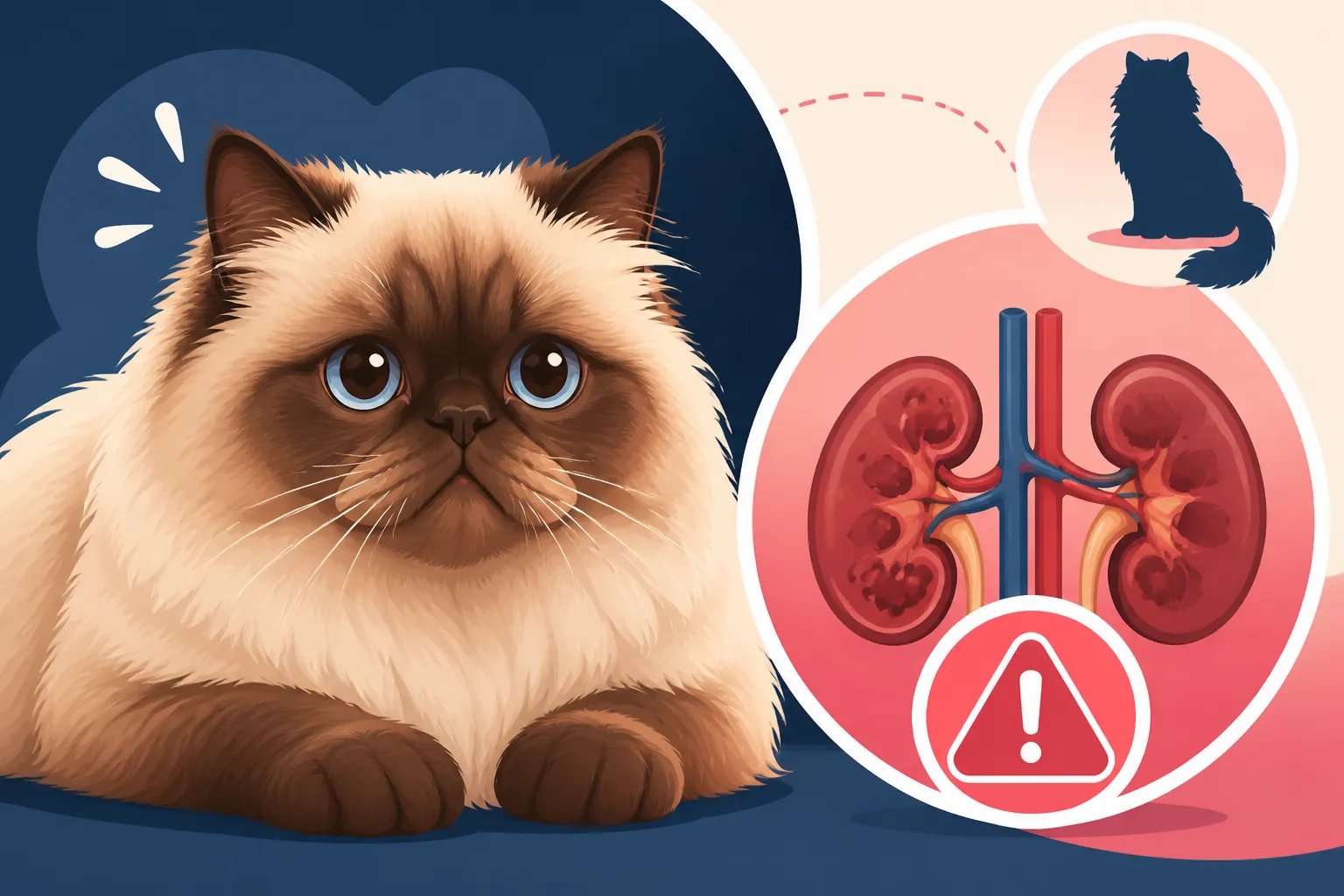
Let's talk about the elephant in the room when it comes to Himalayan kidney health: Polycystic Kidney Disease, or PKD. This isn't just a general kidney problem; it's a specific genetic condition that many Himalayans, unfortunately, are predisposed to. It’s a progressive, inherited disease that causes fluid-filled cysts to form in the kidneys. These aren't just harmless little bubbles; over time, these cysts grow and multiply, gradually taking over and damaging healthy kidney tissue, eventually leading to kidney failure. It’s a silent, insidious threat that can develop quietly for years before outward symptoms appear.
The Genetic Link to Persian Ancestry
If you're wondering where this predisposition comes from, look no further than the Himalayan's esteemed Persian lineage. You see, the Himalayan breed was developed by crossing Persians with Siamese cats, aiming to combine the Persian's luxurious coat and docile temperament with the Siamese's striking point coloration. While this cross gave us the stunning cat we adore, it also, unfortunately, passed down some genetic baggage. PKD is primarily a disease inherited from the Persian side of the Himalayan family tree. It's an autosomal dominant trait, which means a cat only needs to inherit one copy of the faulty gene from either parent to develop the disease. This is a crucial point because it means even if one parent is clear, if the other carries the gene, the kitten is at risk. This is why understanding PKD1 Came Down the Persian Side of a Himalayan is so important for breeders and prospective owners.
How Cysts Develop and Progress
Imagine tiny, microscopic fluid-filled sacs. That's essentially how PKD starts in the kidneys. These cysts are present from birth, even if they're too small to detect. Over months and years, these cysts gradually increase in size and number. Think of it like a slow-motion invasion within the kidney. Initially, the healthy kidney tissue can compensate, but as more and more cysts take up space and disrupt normal function, the kidneys become less efficient at filtering waste from the blood. This process is relentless, and there’s currently no way to stop the cysts from forming or growing once they start. It's a progressive disease, meaning it will always get worse, though the rate of progression varies greatly from cat to cat. Understanding How Kidney Cysts Grow on a Himalayan's Scan can provide a visual insight into this progression.
The Silent Threat: Why Early Detection is Crucial
One of the most frustrating and terrifying aspects of PKD is its stealthy nature. Our beautiful Himalayans are masters at hiding illness, and kidney disease is no exception. Symptoms often don't become apparent until a significant portion of the kidney function (sometimes as much as two-thirds or more) has already been lost. This makes it incredibly difficult for owners to spot trouble in the early stages without proactive testing. By the time you notice your cat is unusually thirsty or losing weight, the disease is often quite advanced. This is why breeder vigilance and genetic testing are so incredibly important – it’s often the only way to catch it before it becomes a crisis. For more on this, you might be interested in What PKD Did to Himalayan Lines Before the Gene Test.
Unveiling the Age Range for Kidney Failure
So, the burning question: how young can a Himalayan really go into kidney failure? It’s not a one-size-fits-all answer, and that's part of what makes PKD so challenging. While some cats live into their senior years with the condition, others can tragically succumb much earlier. The range can be incredibly broad, from a few years old to late adolescence.
PKD's Variable Onset and Severity
The truth is, PKD's progression is highly individual. While the cysts are present from birth, the rate at which they grow and compromise kidney function differs wildly. You might have two littermates who both inherit the PKD gene, but one might show signs of kidney failure at three years old, while the other might not until ten. This variability can be influenced by other genetic factors, diet, environment, and even just sheer luck. It's a roll of the dice in terms of speed, which makes predicting an exact timeline impossible. This variability is also why some owners feel helpless, as there's no clear roadmap.
The Youngest Cases: When Kittens and Young Adults Can Show Symptoms
It’s a truly awful thought, but yes, some Himalayans can indeed go into kidney failure at a very young age. While rare, there have been documented cases where cats as young as two or three years old developed severe, debilitating kidney failure due to PKD. These are typically cases where the cysts grow very aggressively, or there are an unusually high number of them from the outset. For some unfortunate kittens, the sheer volume and size of the cysts can become problematic even before they reach full maturity, though this is uncommon. It is more typical for young adult Himalayans, generally between three and seven years old, to start showing the initial, subtle signs of kidney compromise if they have an aggressive form of the disease. This is the age when many owners are still enjoying the prime of their cat's life, making the diagnosis particularly devastating. Knowing How Early Cysts Show on a Himalayan's Kidney Scan can help understand the diagnostic window.
Why Some Himalayans Develop Issues Later
On the flip side, it's also common for Himalayans with PKD to not show overt signs of kidney failure until later in life, sometimes even past the age of ten. These cats might have fewer cysts, or the cysts grow at a much slower rate, allowing the healthy kidney tissue to compensate for longer. For these fortunate cats, kidney disease might present as a more typical age-related issue, though still exacerbated by the underlying PKD. This wide spectrum of onset is why regular monitoring is key throughout a Himalayan's life, especially if their genetic status is unknown or they are known to be positive for the PKD gene. It highlights that even if your young Himalayan seems fine, the risk can still be silently brewing beneath the surface.
Recognizing the Early Warning Signs of Kidney Trouble
Since early detection is crucial, knowing what to look for can buy your beloved Himalayan precious time. Remember, Himalayans are stoic, and their long, plush coats can hide weight loss, so you need to be observant. Don't wait for dramatic symptoms; subtle changes often provide the first clues.
Subtle Changes in Thirst and Urination
One of the earliest and most common indicators of kidney issues in cats is a noticeable change in their drinking and urination habits. If you find yourself refilling their water bowl more often, or if your cat is visiting the litter box with increased frequency, pay attention. Your Himalayan might even start seeking out unusual water sources, like dripping faucets. This increased thirst, medically termed polydipsia, and increased urination, or polyuria, happen because the damaged kidneys can no longer concentrate urine properly. They're basically letting too much water pass through, so the cat has to drink more to stay hydrated. This is a critical sign, and it's one of the best indicators, particularly in a breed like the Himalayan. You might find our article on Why Extra Thirst in a Himalayan Points at Its Persian Half helpful here.
Changes in Appetite and Weight Loss
As kidney disease progresses and toxins build up in the bloodstream, cats often feel nauseous and generally unwell. This can lead to a decreased appetite or even a complete refusal of food. You might notice your Himalayan turning up their nose at their favorite treats or barely touching their regular meals. Over time, this lack of food intake, combined with the body struggling to process nutrients, leads to gradual weight loss. Given the Himalayan's luxurious, thick coat and naturally cobby body type, weight loss can be tricky to spot initially. You might have to actively feel their spine and ribs to notice it. A good quality pet insurance, like Healthy Paws, often covers diagnostic tests for unexplained weight loss, which can be a lifesaver. This loss of appetite is a clear signal that something is seriously amiss.
Other Indicators to Watch For
Beyond thirst, urination, and appetite, there are several other signs that can point to kidney trouble in your Himalayan. These can include:
- Lethargy and Weakness: Your once playful cat might become unusually quiet, sleep more, and generally have less energy. They might not jump onto their favorite sofa as readily or engage in play as much.
- Dull Coat Quality: A healthy Himalayan has a magnificent, lustrous coat. If their coat starts to look dull, unkempt, or matted, it can indicate a general decline in health, including kidney problems, as they might feel too unwell to groom properly.
- Vomiting: The buildup of toxins can irritate the stomach lining, leading to bouts of vomiting. This can be intermittent at first but might become more frequent as the disease progresses.
- Bad Breath (Halitosis): When kidneys aren't filtering waste products like urea effectively, these substances can accumulate in the blood and be exhaled, leading to a distinct, unpleasant ammonia-like odor on your cat's breath.
- Pale Gums: Anemia can develop as a complication of kidney disease, which might manifest as paler than usual gums. Gently lift your cat's lip to check the color of their gums – they should be a healthy pink.
If you observe any combination of these signs, especially in a young or middle-aged Himalayan, it's absolutely crucial to consult your veterinarian immediately. Early intervention is key to managing the disease and improving your cat's quality of life.
Proactive Measures and Management for Your Himalayan's Kidney Health
Discovering your Himalayan has PKD, especially at a young age, can be devastating. However, there's a lot you can do to manage the condition and ensure your cat has the best possible quality of life. The key is proactive intervention and a commitment to ongoing care.
The Indispensable Role of Genetic Testing and Ultrasound
The absolute best defense against early kidney failure due to PKD is prevention through responsible breeding. Any reputable Himalayan breeder should be genetically testing their breeding cats for PKD. A simple cheek swab can determine if a cat carries the PKD1 gene. If a cat tests positive, they should not be bred. This is why you should always insist on seeing Which Two Certificates a Himalayan Breeder Owes You and specifically ask for PKD certificates for both parents.
For cats whose genetic history isn't known, or even as a complementary check, an ultrasound scan of the kidneys can detect cysts even before they become clinically significant. Ultrasound is an excellent, non-invasive way to visualize the kidneys and check for the presence and size of cysts. While genetic testing confirms the presence of the gene, an ultrasound shows the physical manifestation of the disease. Sometimes, an ultrasound is still recommended to back up a gene test, especially if there's any uncertainty. Knowing How Young a Himalayan Kitten Can Be Scanned means breeders can get an early picture of potential issues.
| Method | What it Detects | Best Used For | Typical Age of Detection (Cysts) | Benefits | Limitations |
|---|---|---|---|---|---|
| Genetic Test | Presence of the PKD1 gene | Breeding decisions | Any age (from kitten) | Definitive genetic status, prevents passing on | Only tells if gene is present, not severity |
| Ultrasound Scan | Presence and size of kidney cysts | Diagnosing disease, monitoring progression | ~6-12 months (or older) | Visual confirmation, assesses current state | Requires specialized equipment, operator skill |
| Blood & Urine Tests | Kidney function (creatinine, BUN, SDMA, urine specific gravity) | Assessing kidney damage, monitoring disease | Typically later stages of disease | Indicates functional impairment | Only shows issues once significant damage has occurred |
Dietary Management and Hydration
Once kidney disease is diagnosed, dietary management becomes a cornerstone of treatment. Your vet will likely recommend a prescription renal diet. These diets are specifically formulated to be lower in protein, phosphorus, and sodium, which helps reduce the workload on the kidneys and slow the progression of the disease. They also often contain added omega-3 fatty acids and antioxidants to support kidney health. It’s absolutely critical that your Himalayan eats this specialized diet, even if they're a bit picky at first.
Encouraging water intake is also paramount. Increased hydration helps the kidneys flush out waste products more effectively. Consider using a wide, shallow water bowl that doesn't bend their sensitive whiskers, or even a pet water fountain. Some cats prefer running water. Adding a little extra water to wet food can also boost their fluid intake. Consistent hydration can significantly impact Living With a Himalayan That Inherited the Persian Kidney Gene.
Regular Veterinary Check-ups and Monitoring
Even if your Himalayan seems perfectly healthy, if they carry the PKD gene or come from a line where PKD is present, regular veterinary check-ups are non-negotiable. Your vet will monitor their kidney function through blood and urine tests. These tests can catch subtle changes in kidney values before they become overtly symptomatic. For older Himalayans, or those with known PKD, your vet might recommend checking Which Blood Values a Himalayan's Kidney History Demands.
These check-ups might include:
- Bloodwork: Looking at creatinine, blood urea nitrogen (BUN), and particularly symmetric dimethylarginine (SDMA) – which can detect kidney disease much earlier than traditional markers.
- Urinalysis: Checking urine specific gravity to assess the kidneys' ability to concentrate urine, and looking for protein in the urine, which can indicate kidney damage.
- Blood Pressure Monitoring: High blood pressure can be a complication of kidney disease and can further damage the kidneys.
By working closely with your veterinarian and staying vigilant with these proactive measures, you can help manage PKD, slow its progression, and ensure your beautiful Himalayan enjoys as many comfortable years as possible, no matter how early their journey with kidney disease began.
Disclaimer
This article is intended for informational purposes only and does not constitute veterinary advice. Always consult with a qualified veterinarian for any health concerns or before making any decisions about your pet's medical care.