Why a Himalayan Eats With Its Paw
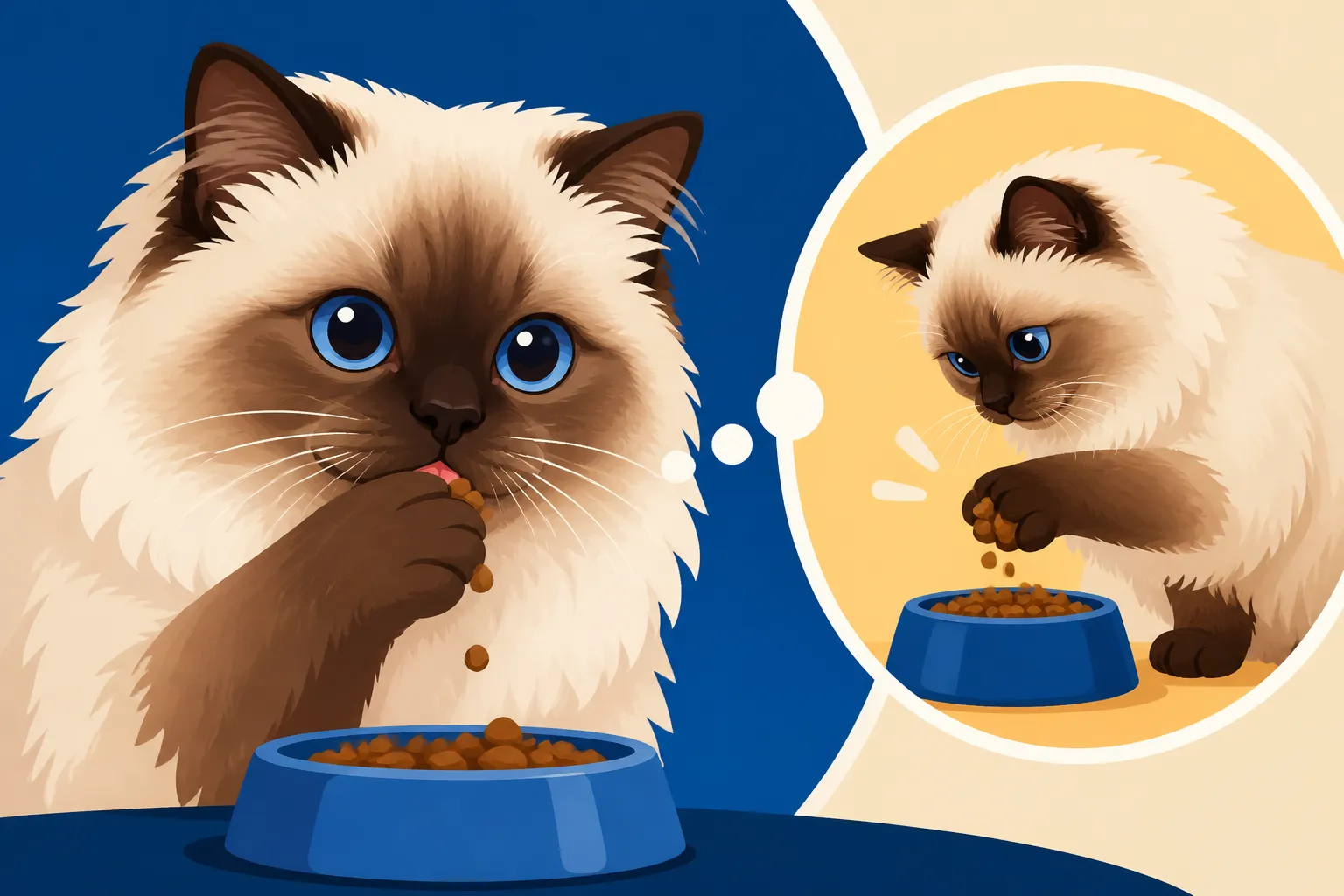
It can be quite a perplexing sight, can't it? You offer your beloved Himalayan a perfectly good meal, only to watch them scoop out kibble or pat at their wet food with a dainty, yet decidedly un-cat-like, paw before eating. This isn't just a quirky habit for many Himalayans; it's often a direct consequence of their unique facial structure and can be a source of frustration for both cat and owner. This guide is here to shed light on exactly why your Himalayan might be eating with their paw and, more importantly, what you can do to make meal times more comfortable and less messy for your furry family member.
The Unique Anatomy That Shapes a Himalayan's Eating Style
Himalayans, with their distinctive flattened faces, inherited their brachycephalic features primarily from their Persian ancestry. While undeniably charming and part of their appeal, this specific facial structure creates a whole host of considerations when it comes to something as fundamental as eating. It's not just about aesthetics; it profoundly impacts how they interact with their food.
The Flat Face and Brachycephalic Challenges
Imagine trying to eat a meal without using your lips or front teeth effectively, relying mostly on your tongue and the sides of your mouth. That's a bit like what a Himalayan faces. Their short, broad heads mean their muzzle is significantly shortened, and their nose is often set high, sometimes even indented. This "flatter face" means their upper jaw doesn't extend much beyond their lower jaw, which dramatically affects their bite. They can't easily scoop up kibble or bite into larger pieces of food in the same way a cat with a more traditional, longer muzzle might.
When you see your Himalayan pawing at their food, they're often trying to compensate for this anatomical reality. They might be attempting to maneuver the food into a position where they can more easily grasp it with their tongue or molars, or perhaps just bring it closer to a comfortable angle for consumption. It’s an ingenious, if somewhat awkward, solution to a very real physical limitation. This is why you might hear the term "peke face" or "doll face" in discussions about Himalayans; the degree of flattening can vary, but even a slightly flatter profile can make eating a challenge. What a Peke Face Himalayan's Profile Measures will tell you more about the specifics of these facial structures.
Crowded Jaws and Dental Considerations
Beyond the external facial structure, the internal architecture of a Himalayan's mouth also plays a crucial role. Their shortened skull often means that all the teeth that would normally fit in a longer jaw are still present, but they are crammed into a much smaller space. This leads to what's known as dental malocclusion, or a misaligned bite, and teeth that are often rotated or overlapping. You can read more about How Crowded a Himalayan's Lower Jaw Gets.
This crowding makes effective chewing incredibly difficult. Think about trying to chew something with a mouth full of uneven, perhaps slightly painful, teeth. It’s no wonder they resort to using their paws! They might be trying to dislodge a piece of food from between their teeth, or simply break it down into smaller, more manageable portions before attempting to chew. This dental crowding also predisposes them to earlier dental disease, making regular veterinary check-ups and cleanings paramount. Without proper dental care, eating can become genuinely painful, leading to a refusal to eat or even more exaggerated paw-eating behaviors. Why a Himalayan Needs Dentals Earlier Than a Siamese delves into these issues further.
Inherited Instincts and Adaptive Behaviors
While the physical limitations are a huge driver, there's also an element of learned behavior and instinct at play. Cats are naturally very tactile creatures, and they often use their paws to explore their environment, play, and even groom. For a Himalayan, using their paw might start as a purely functional adaptation to their unique facial structure, but over time, it can become a routine, almost instinctual part of their eating process.
It’s an adaptive behavior born out of necessity. They figured out that if they can't get the food into their mouth efficiently by pushing it with their nose or scooping with their tongue, picking it up with their paw is the next best thing. This isn't a sign of bad manners or defiance; it's a testament to their intelligence and resilience in navigating a world not entirely designed for their specific physical traits. While the Siamese side gave them their beautiful points and blue eyes, it's the Persian half that brought the unique facial structure that influences how they eat.
The Practical Challenges of Eating for a Himalayan
Beyond the anatomical realities, the very tools we use for feeding our cats – bowls, kibble, and even the texture of wet food – can present significant hurdles for a Himalayan. Owners often don't realize how much these seemingly minor details can exacerbate the natural difficulties their cats face.
The Struggle with Traditional Food Bowls
Most cat bowls on the market are designed with a universally 'cat-shaped' muzzle in mind – typically deeper, sometimes with curved sides. For a Himalayan, these designs are often a nightmare.
- Deep Bowls: A deep bowl forces a Himalayan to bury its face deep inside. This not only squishes their already flattened nose but can also make it hard to breathe, leading to discomfort and even anxiety during meals. They can't easily reach the bottom or sides without pushing their entire face in.
- Narrow Bowls: Similarly, bowls that are too narrow can be uncomfortable, pushing their sensitive whiskers back. Cats rely on their whiskers for spatial awareness, and having them constantly bent or pressed can be stressful. Your Himalayan might resort to pawing simply to avoid this unpleasant sensation. Why a Himalayan Pushes Food Out of a Round Bowl often explains this phenomenon perfectly.
- Round Bowls: Many standard round bowls cause food to congregate in the center or slide to the edges, making it difficult for a Himalayan to get a good grasp. They end up chasing pieces around the bowl with their nose, only to give up and use a paw.
The result is a cat that either eats very little, makes a huge mess, or, you guessed it, uses its paw to extract the food piece by piece. It's not pickiness; it's practicality.
Kibble Size and Texture
Even the type of food itself can be a challenge. Dry kibble, while convenient for us, often comes in shapes and sizes that are far from ideal for a Himalayan's unique bite.
- Large or Oddly Shaped Kibble: Pieces that are too large, too round, or have sharp edges can be difficult for a Himalayan to pick up with their crowded jaws. They might try to scoop it with their tongue, but often the shape just isn't conducive. The paw then becomes the primary tool for moving these stubborn pieces from the bowl to a more accessible spot, often the floor.
- Hard Kibble: While most kibble is relatively easy to chew for a cat with a normal bite, the dental crowding in a Himalayan can make harder pieces a real struggle. If they can't crush it easily, they might try to soften it by licking it, or simply give up and try to move it out of the bowl to examine it more closely. It’s a bit like trying to eat a cracker with a sore tooth – you’d rather break it into smaller pieces first.
- Dusty Kibble: Some kibble, especially cheaper varieties, can create a lot of dust. When a Himalayan pushes its flat face into a bowl of dusty kibble, it can irritate their sensitive nasal passages and make breathing even harder. This discomfort can lead them to avoid the bowl altogether or only extract pieces using their paw. Which Kibble a Himalayan's Shortened Jaw Can Lift offers more insight into finding suitable options.
Wet Food Woes and Messy Meals
You might think wet food would be easier for a Himalayan, being softer and often more palatable. In some ways it is, but it comes with its own set of challenges, often leading to equally messy, paw-assisted meals.
- Pâté Consistency: While soft, a thick pâté can be difficult to scoop or lick cleanly. A Himalayan might end up pushing it around the bowl with their nose, smearing it on their face and whiskers. To avoid this mess and get a better portion, they might use their paw to flatten it or gather it into a more manageable clump.
- Chunky or Shredded Foods: Pieces of meat or fish, even when soft, can be hard for a Himalayan to grasp. They lack the elongated muzzle and precise bite needed to pick up individual chunks. The paw then becomes a substitute for fingers, allowing them to pull pieces out of the dish and onto the floor where they can be more easily manipulated or licked. Why Wet Food Is Easier for a Himalayan to Take acknowledges the benefits of wet food but also hints at these difficulties.
- The "Face Plant" Dilemma: Regardless of consistency, any wet food in a deep bowl guarantees a messy face. Himalayans often get food all over their ruff and chin because their flat face means they have to essentially "face plant" into the bowl. To avoid this, or to clean themselves during the meal, they might use a paw to bring food out of the bowl, allowing them to eat more comfortably without getting completely covered. This can turn mealtime into a real grooming challenge afterward!
Solutions and Adaptations for Paw-Eating Himalayans
Understanding why your Himalayan eats with its paw is the first step; the next is finding practical ways to make mealtime a more pleasant experience for everyone involved. Thankfully, there are many simple adaptations you can make to significantly improve your cat's eating habits and comfort.
Choosing the Right Food Bowls
The single most impactful change you can make is selecting appropriate food bowls. Forget the cute, novelty bowls and focus on function.
- Shallow and Wide Bowls: These are paramount. A shallow bowl allows your Himalayan to reach their food without bending their whiskers or burying their face, reducing discomfort and breathing difficulties. Look for bowls that are no more than 1-2 inches deep with a wide opening. This design minimizes the chance of food getting trapped in corners and makes it easier for them to access.
- Flat Plates or Saucers: Sometimes, the best "bowl" is no bowl at all. A simple ceramic saucer or a flat plate can be ideal. This completely eliminates any depth issues and allows your cat to approach their food from any angle without obstruction. This is often the go-to solution for easing facial discomfort.
- Elevated Bowls: While shallow and wide are key, elevating the bowl slightly can also help, especially for older Himalayans or those with neck discomfort. An elevated bowl means they don't have to stoop as much, which can reduce strain on their neck and back, and improve digestion. Look for stands that lift the bowl just a few inches off the ground.
- Whisker-Friendly Designs: Many brands now specifically design "whisker-friendly" bowls. These are typically wide and shallow, ensuring your cat's sensitive whiskers don't touch the sides while they eat. Brands like Chewy often carry a good selection of these specialized bowls, making it easier to find one that suits your Himalayan's needs. Which Bowl Shape a Flat Faced Himalayan Can Use offers specific recommendations.
Here's a quick comparison of bowl types:
| Bowl Type | Pros | Cons | Best For Himalayans? |
|---|---|---|---|
| Deep Ceramic | Heavy, durable | Hard to reach, squishes face, whisker fatigue | No |
| Narrow Plastic | Lightweight, inexpensive | Whisker fatigue, tips easily, can harbor bacteria | No |
| Shallow & Wide | Easy access, whisker-friendly, better airflow | May still require some pawing for very flat faces | Yes |
| Flat Plate/Saucer | Easiest access, no facial obstruction, whisker-free | Food can scatter easily, prone to being pushed around | Yes (especially for wet food) |
| Elevated Stand | Reduces neck strain, aids digestion | Requires a compatible bowl, can be bulky | Yes (combined with shallow/wide) |
Selecting Appropriate Food Types
Adjusting the food itself can also make a significant difference. It's not just about what they eat, but how easy it is for them to actually consume it.
- Small, Flat Kibble: If you feed dry food, search for brands that offer kibble designed for brachycephalic breeds. These often feature smaller, flatter, or more irregular shapes that are easier for a Himalayan to pick up and chew with their crowded jaws. Read the labels carefully or ask your vet for recommendations. Many premium pet food brands consider this in their formulations.
- Pâté-Style Wet Food: While we discussed some challenges with pâté, it is generally easier to consume than chunky varieties. Look for smooth, well-blended pâtés that can be spread thinly on a plate. This minimizes the effort needed to lick and consume the food. You might even lightly mash it with a fork to make it even smoother.
- Hydration is Key: Whether dry or wet food, ensuring your Himalayan has access to plenty of fresh water is crucial. Paw-eating can sometimes be a sign of discomfort, and proper hydration supports overall health, including dental health. Consider a wide, shallow water bowl that is easy for them to drink from without getting their face soaked.
- Consider Raw or Lightly Cooked Options: Some owners find success with raw or lightly cooked, finely minced meat, as it can be easier for their cats to consume. However, always consult with your veterinarian before transitioning to a raw diet to ensure it's balanced and safe for your cat. Fresh, pre-portioned meals might also be easier for a Himalayan to manage, but always check their specific formulations.
Creating a Conducive Eating Environment
Beyond the bowl and the food, the environment in which your Himalayan eats can also play a role in their comfort and willingness to eat without resorting to their paws.
- Quiet, Undisturbed Space: Ensure your cat eats in a calm, quiet area where they won't be interrupted by other pets, loud noises, or foot traffic. A stressful eating environment can make them more anxious and prone to eating defensively or awkwardly.
- Cleanliness is Next to Catliness: Nobody likes eating from a dirty dish, and cats are particularly fastidious. Clean bowls daily to prevent food residue buildup and bacterial growth. For Himalayans, who can make more of a mess, wiping down the eating area regularly is also important.
- Non-Slip Mats: If your cat is pushing food around with their paw, a non-slip mat under their bowl can help keep the dish in place and contain any scattered kibble or wet food. This reduces frustration for both you and your cat. Amazon offers a wide variety of affordable, non-slip silicone mats designed for pets.
- Separate Eating Stations: If you have multiple pets, ensure each cat has their own designated eating area, away from the others. This reduces competition and allows your Himalayan to eat at their own pace without feeling rushed or threatened. This is especially important for a cat that takes longer to eat due to their facial structure.
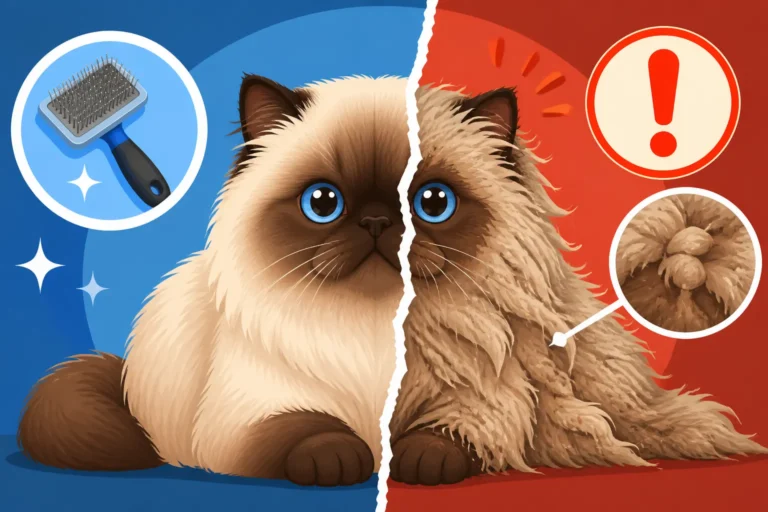
- Regular Grooming of the Face and Ruff: Because Himalayans are prone to getting food on their faces and ruffs, a regular face-wiping routine is crucial. This helps prevent skin irritation and matting around their mouth, which could make eating even more uncomfortable. Keeping their fur clean will improve their overall comfort during and after meals. The Morning Face Routine Every Himalayan Needs highlights this daily necessity.
Beyond the Paw: When to Consult a Vet
While paw-eating is often a normal adaptation for a Himalayan, there are times when it can signal something more serious. It's vital to know when this behavior warrants a trip to the veterinarian, especially if it's a new development or accompanied by other concerning symptoms.
Signs of Discomfort or Pain During Eating
If your Himalayan has always been a paw-eater and shows no other signs of distress, it might just be their normal. However, if you notice any of the following, it's time to seek professional advice:
- Sudden Increase in Paw-Eating: A noticeable increase in pawing at food, especially if it's a new behavior, could indicate a problem.
- Reluctance to Eat or Loss of Appetite: If your cat is avoiding food, sniffing it and walking away, or showing a significant decrease in appetite, this is a red flag. Even a day or two of reduced intake can be serious for cats.
- Crying, Hissing, or Growling Near Food: Any vocalization of pain or discomfort during mealtime is a clear sign that something is wrong.
- Dropping Food Repeatedly: While some paw-eaters drop food, excessive dropping, or struggling to hold food in their mouth, can point to dental pain or difficulty chewing.
- Facial Sensitivity: If your cat flinches or reacts negatively when you try to touch their face or mouth, they could be experiencing pain.
- Weight Loss: Unexplained weight loss is always a serious symptom in cats and requires immediate veterinary attention.
- Excessive Drooling: More drool than usual, especially if it's thick or discolored, can be a sign of oral pain or infection.
These symptoms suggest that the paw-eating might not just be an adaptation, but a coping mechanism for underlying pain or difficulty.
Dental Issues Requiring Professional Attention
Given their crowded jaws, Himalayans are highly susceptible to dental problems. Many issues are hidden below the gumline and can't be seen without a thorough veterinary examination, often requiring sedation.
- Periodontal Disease: This is very common and involves inflammation and infection of the tissues surrounding the teeth. It's often painful and can lead to tooth loss. Regular dental cleanings are crucial for prevention. How Often a Himalayan's Crowded Mouth Needs Cleaning underscores this importance.
- Tooth Resorption: This is a progressive and painful condition where parts of a tooth erode away. It's incredibly common in cats, and because it happens below the gumline, it's often only detectable with dental X-rays.
- Broken or Fractured Teeth: Even though they are indoor cats, teeth can break from chewing on hard objects or due to underlying weaknesses. A fractured tooth is often very painful and can lead to infection.
- Oral Masses or Growths: Less common but always a concern, masses in the mouth can make eating difficult and painful.
- Impacted Teeth: Sometimes, teeth fail to erupt properly, becoming impacted and causing pain or infection.
If your vet suspects dental issues, they will likely recommend a professional dental cleaning under anesthesia, which includes a full oral examination, X-rays, and any necessary extractions. Ignoring dental pain can lead to chronic discomfort, systemic infections, and a significant reduction in your cat's quality of life. What a Persian Jaw Does to a Himalayan's Bite explains how their unique jaw structure contributes to these issues.
Other Health Concerns Affecting Appetite
While dental issues are a primary suspect when a Himalayan struggles with eating, other health problems can also manifest as changes in appetite or eating behavior, including increased pawing.
- Gastrointestinal Issues: Conditions like inflammatory bowel disease, pancreatitis, or even hairballs can cause nausea, discomfort, or difficulty digesting food, leading to changes in how your cat eats.
- Kidney Disease: This is a common concern in older cats, and Himalayans, with their Persian heritage, can be prone to conditions like Polycystic Kidney Disease (PKD). Kidney disease can cause nausea and a reduced appetite. How Young a Himalayan Can Go Into Kidney Failure and Living With a Himalayan That Inherited the Persian Kidney Gene touch on these risks.
- Hyperthyroidism: An overactive thyroid gland, particularly in older cats, can cause weight loss despite an increased appetite, but it can also lead to changes in eating behavior due to gastrointestinal upset.
- Pain Elsewhere in the Body: Arthritis or other musculoskeletal pain can make it uncomfortable for your cat to bend down to a bowl, leading them to try and move food to a more accessible position.
- Stress or Anxiety: Just like humans, cats can lose their appetite or change their eating habits when stressed. A major change in the household, a new pet, or even a change in routine can impact them.
It's crucial to provide your veterinarian with a complete picture of your cat's eating habits, any changes you've observed, and other symptoms. A thorough physical exam, blood work, and possibly imaging (like X-rays or ultrasound) will help your vet diagnose the root cause and get your beloved Himalayan back to comfortable, happy mealtimes.
Disclaimer
This article is for general informational purposes only and does not constitute professional advice. Laws, prices and regulations vary by location and change over time. Consult a qualified professional for guidance on your specific situation.