Why a Himalayan Pushes Food Out of a Round Bowl
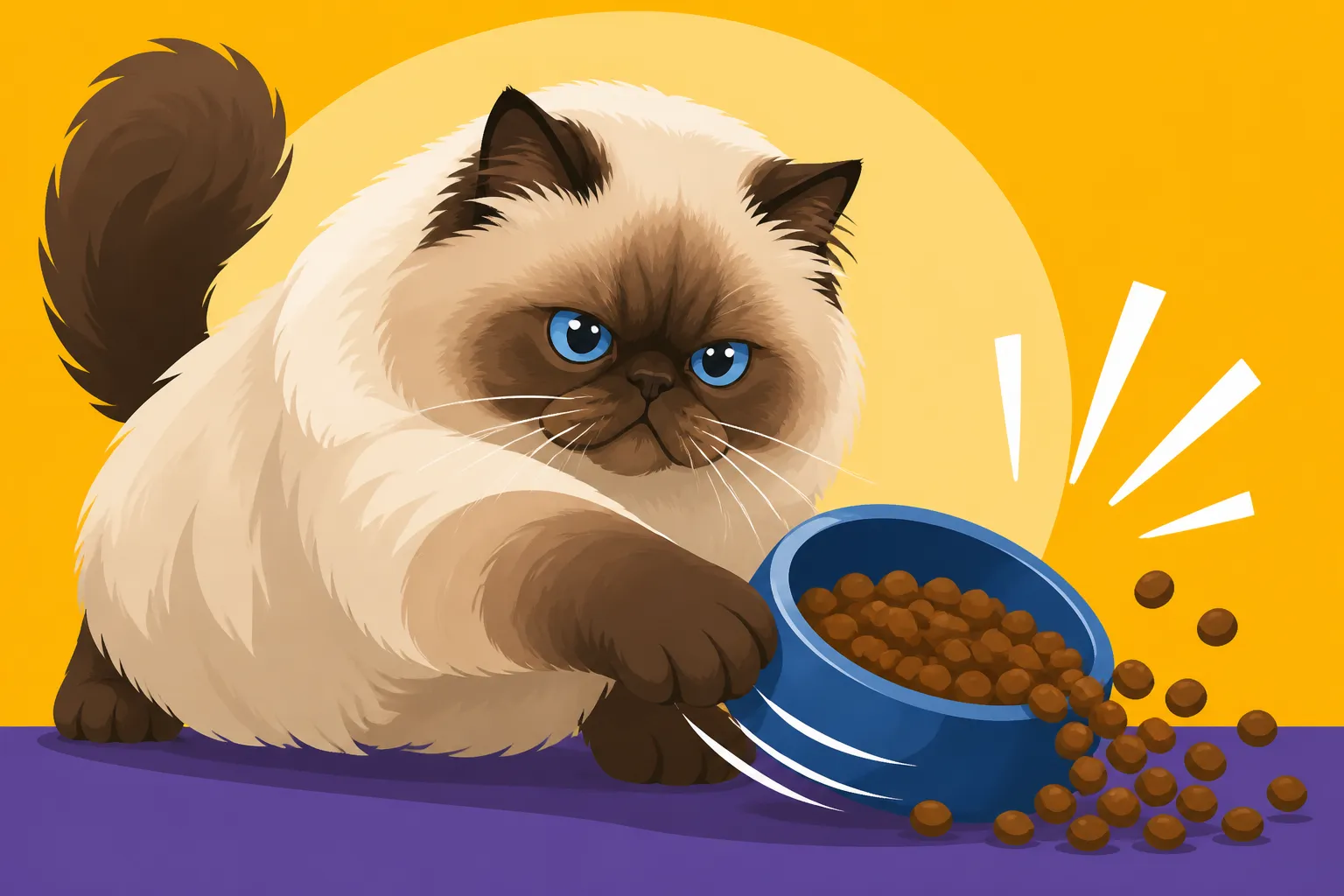
You've just put down a fresh bowl of kibble for your precious Himalayan, only to come back a few minutes later and find half of it scattered across the floor. Sound familiar? It's a common, utterly perplexing frustration for many Himalayan parents, leaving us wondering if our regal felines are just being messy, or if there's something more at play. This isn't just about tidiness; it's about understanding and accommodating the unique needs of these beautiful cats. This guide will meticulously break down why your Himalayan might be pushing food out of that seemingly innocuous round bowl and offer practical, empathetic solutions to make mealtime a more dignified, and less chaotic, affair for everyone involved.
The Himalayan's Unique Facial Structure and Its Impact on Eating
The Himalayan cat, with its stunning color points and luxuriant coat, also possesses a distinctive facial structure inherited from its Persian lineage. This charming, flattened face, while aesthetically pleasing, comes with a set of anatomical quirks that profoundly influence how your cat eats, breathes, and even perceives its environment. Understanding these characteristics is the first step in addressing mealtime challenges.
The Flat Face and Shortened Jaw
Let's be frank: a Himalayan's face isn't built for deep dives into standard cat bowls. Their brachycephalic, or "flat-faced," structure means their muzzle is significantly shorter than that of other breeds. This isn't just a cosmetic detail; it directly affects their mouth, jaw, and teeth. When your Himalayan approaches a typical round bowl, they can't simply dip their head in and scoop up food with ease. Their short jaw makes it difficult to get a good angle, and their nose can often obstruct the opening, forcing them to adopt awkward postures.
Imagine trying to eat a bowl of soup without a spoon, with your nose constantly bumping the rim of the bowl. It's a bit like that for our Himalayans. They often compensate by using their tongue and lower jaw in a more scooping or pushing motion, effectively moving the food towards the edge of the bowl or, more often, straight out onto the floor. This isn't naughtiness; it's pure physics. Their crowded teeth, a consequence of that shortened jaw, also contribute to this difficulty. How Crowded a Himalayan's Lower Jaw Gets explains more about these dental realities. They may struggle to grasp individual pieces of kibble cleanly, leading to more spillage and a less efficient eating process.
Whisker Fatigue: A Silent Struggle
One of the most overlooked factors in your Himalayan's eating habits is something called whisker fatigue. A cat's whiskers are incredibly sensitive sensory organs, akin to our fingertips. They use them to navigate, gauge space, and detect nearby objects. When a Himalayan eats from a bowl that is too narrow or deep, their long, delicate whiskers are constantly brushing against the sides of the bowl. This repeated stimulation can become overwhelming and uncomfortable, leading to a phenomenon known as whisker fatigue.
Think about repeatedly tickling the palm of your hand for an entire meal. It would quickly become irritating, right? For a Himalayan, this constant pressure on their whiskers can make the act of eating stressful and unpleasant. To avoid this discomfort, they instinctively try to eat from the center of the bowl or, more commonly, push the food to the edges or out of the bowl entirely, where their whiskers won't be constantly bent and jostled. It’s their way of seeking relief and making mealtime tolerable. Providing ample space for their whiskers is not a luxury; it's a fundamental aspect of their comfort.
Nostril Placement and Breathing Considerations
The flattened face of a Himalayan also means their nostrils are often higher set and can be partially constricted, leading to potential breathing difficulties, especially during physical exertion or when their face is pressed against something. When a Himalayan tries to eat from a deep or narrow bowl, their nose and face are pushed further into the bowl, which can restrict their airflow. This can make eating a stressful and uncomfortable experience, as they might feel like they're struggling to breathe while trying to consume their meal.
Imagine trying to eat a meal while holding your breath or having your nose blocked. It’s not pleasant. For a Himalayan, the effort of eating can become intertwined with the effort of breathing, making a deep bowl a claustrophobic and challenging environment. This physiological reality can lead them to eat quickly, push food out, or even avoid eating altogether if the bowl design exacerbates their breathing challenges. It's another crucial reason why the right bowl is paramount for their well-being and consistent appetite. Why a Himalayan Snores Louder Than Its Siamese Ancestors touches on other aspects of their unique respiratory system.
Why Round Bowls Are a Challenge for Himalayans
So, we've established the unique facial features. Now, let's connect those dots directly to the common, round cat bowl you might be using. It's not just an inconvenience; it's a fundamental mismatch between design and feline anatomy that creates a whole host of problems beyond just messy eating.
The "Scoop and Push" Eating Style
Because a Himalayan's jaw and nose make it difficult to comfortably pick up kibble directly from the bottom or center of a typical round bowl, they often develop a "scoop and push" technique. Instead of cleanly biting and lifting, they'll use their lower jaw and tongue to nudge and push food around. This might involve pushing a small pile of food against the side of the bowl to gather it, or using their paw to try and scoop it closer to their mouth. However, in a round bowl with curved sides, this pushing action often results in the food being ejected over the rim.
It's a frustrating cycle: they can't get a good grip, so they push. The pushing motion, in a round bowl, simply sends the food flying. It’s not a lack of manners; it’s a necessary adaptation to an ill-suited tool. This natural instinct to maneuver food to a more accessible position is completely foiled by the bowl's design. The end result is usually a pile of expensive kibble scattered on your kitchen floor, only for your cat to look up at you with those big blue eyes, wondering why their dinner is suddenly so hard to get to. This is also why Why a Himalayan Drops Food Onto Its Ruff is such a common complaint, as gravity and their flat face conspire against them.
Uncomfortable Neck and Spine Alignment
Consider how your Himalayan has to position their head and neck to reach into a standard round bowl. Often, they have to bend their neck sharply downwards and forward, scrunching their face to get at the food. This unnatural posture, especially if maintained for several minutes during a meal, can be uncomfortable, or even painful, particularly for older cats or those with any underlying orthopedic issues. Over time, repeated strain on the neck and spine can lead to discomfort, stiffness, and a reluctance to eat.
A deep round bowl forces them to practically stand on their head to reach the bottom. This isn't just about acute discomfort; imagine eating every meal hunched over in an awkward position. It’s hardly conducive to good digestion or a pleasant dining experience. This constant strain can even discourage them from finishing their meals, leading to insufficient nutrient intake or, conversely, rapid, gulping eating as they try to get it over with quickly. Proper ergonomics at mealtime are just as important for our feline friends as they are for us.
The Hygiene Headache: Food Everywhere
Beyond the frustration of wasted food, a round bowl exacerbates hygiene issues for Himalayans. Their long, luxurious ruffs, which are part of their charm, tend to get into everything. When a Himalayan is struggling with a round bowl, pushing food around and inadvertently flinging it out, that food often lands directly on their beautiful, thick fur, especially around their chin and chest.
This isn't just a minor cosmetic issue. Wet food can quickly become matted and sticky, creating a perfect breeding ground for bacteria or even yeast infections if not cleaned immediately. Even dry kibble can get lodged in the fur, attracting pests or leading to skin irritation if left unnoticed. Why Food Ends Up on a Himalayan's Chin and Ruff is a constant battle for many owners. The sheer volume of scattered food also means more work for you, the owner, constantly sweeping, wiping, and cleaning up after every meal. It turns a simple act of feeding into a dreaded chore, adding unnecessary stress to your daily routine.
Ideal Bowl Designs for Himalayan Cats
Knowing the challenges, what's the solution? Thankfully, the pet product market has evolved, and there are now many thoughtfully designed bowls that cater specifically to the needs of flat-faced breeds like our beloved Himalayans. Making the switch can dramatically improve their mealtime experience and reduce mess.
Wide, Shallow Bowls: The Gold Standard
When it comes to feeding a Himalayan, the mantra should be "wide and shallow." These bowls are designed to minimize whisker contact and allow your cat to access their food without having to bury their face. The wide opening ensures that their sensitive whiskers remain unbent and comfortable, while the shallow depth means they don't have to strain their neck to reach the bottom.
Think of it as a dinner plate for your cat, rather than a soup bowl. The expansive surface area allows you to spread out the food, making individual pieces of kibble or dollops of wet food easily accessible without much effort. With a wide and shallow bowl, your Himalayan can approach their meal head-on, scoop food directly into their mouth, and maintain a more natural, comfortable eating posture. It reduces the need for that frustrating "scoop and push" method, meaning less food on your floor and more in your cat's tummy. Which Bowl Shape a Flat Faced Himalayan Can Use further elaborates on the benefits of this design. Many brands offer excellent wide, shallow options, often marketed for brachycephalic breeds, which you can easily find on platforms like Chewy or Amazon.
Elevated Bowls for Better Posture
While wide and shallow addresses the face and whisker comfort, elevated bowls tackle neck and spinal alignment. Placing your Himalayan's food bowl on a slight elevation, typically a few inches off the ground, can make a significant difference in their comfort during meals. This lift allows your cat to eat without having to stoop excessively, promoting a more natural and ergonomic posture.
For a cat with a cobby build and relatively short legs, bending down to floor level can be quite an effort, especially if they spend a considerable amount of time eating. An elevated bowl minimizes the strain on their neck, back, and joints, making each meal less of a physical chore. This is particularly beneficial for older Himalayans who may suffer from arthritis or joint stiffness, but it's a good practice for cats of all ages. You want to ensure the height is appropriate – too high can be just as awkward as too low. The goal is to allow them to eat with their neck in a relatively straight, comfortable position. This small adjustment can lead to better digestion and a more relaxed eating experience, improving their overall quality of life. Consider options available from pet supply retailers on Amazon that offer adjustable height stands. How High a Himalayan's Dish Should Sit for a Flat Face offers more insights into finding that perfect height.
Ceramic, Stainless Steel, and Food-Safe Plastic Options
The material of the bowl is also an important consideration for your Himalayan's health and your convenience. Each material has its own benefits and drawbacks, and choosing wisely can help prevent issues like chin acne, bacterial buildup, and even certain sensitivities.
| Bowl Material | Pros for Himalayans | Cons for Himalayans | Best Use Case |
|---|---|---|---|
| Ceramic | Heavy, stable, less likely to be pushed around. Easy to clean, non-porous. | Can chip or break, may be heavy to lift if elevated. | Wet food, preventing movement, aesthetic preference. |
| Stainless Steel | Most durable, hygienic, easy to clean, lightweight for elevated stands. | Can be noisy if bumped; some cats dislike reflections. | Dry kibble, elevated bowls, high traffic areas. |
| Food-Safe Plastic | Lightweight, affordable, variety of colors/designs. | Can scratch easily, potentially harboring bacteria. Some cats may be sensitive. | Travel, temporary use, budget-conscious. |
Ceramic and stainless steel bowls are generally recommended as they are non-porous, making them harder for bacteria to grow in, and easier to clean thoroughly. Plastic bowls, while convenient and affordable, can sometimes scratch over time, creating tiny crevices where bacteria can thrive, potentially leading to chin acne or other skin irritations, especially on a cat with a dense coat and delicate skin. Regardless of the material, always ensure it is food-grade and free of harmful chemicals. Regular cleaning, ideally daily, is crucial for any bowl to maintain optimal hygiene. You can find a vast selection of these types of bowls on Chewy, offering different styles and price points to suit your needs.
Beyond the Bowl: Other Factors Affecting Mealtime
While the right bowl makes a world of difference, it's important to remember that mealtime success is a multi-faceted endeavor. There are other environmental and dietary considerations that play a crucial role in ensuring your Himalayan enjoys their food comfortably and stays healthy.
Wet Food Versus Dry Kibble Considerations
The type of food you offer can significantly impact how easily your Himalayan can eat it, especially given their unique jaw structure. Many Himalayan owners find that wet food is often much easier for their cats to consume than dry kibble. The soft, pâté-like consistency of wet food requires less effort to chew and manipulate with a shortened jaw and crowded teeth. Why Wet Food Is Easier for a Himalayan to Take is a common observation among owners.
With dry kibble, especially larger pieces, your Himalayan might struggle to pick up and crush the individual pieces. They might try to scoop multiple pieces at once, or resort to pushing them around, leading to more spillage. If you feed kibble, consider smaller, flatter pieces that are easier for their unique mouth to grasp. Some kibble brands even design specific shapes for brachycephalic breeds. If you feed a mix of wet and dry, ensure the wet food is presented in a wide, shallow dish to prevent whiskers from getting submerged and to make it easy to lick clean. How Much Wet Food a Flat Faced Himalayan Gets Through also relates to their dietary habits.
Managing Overeating and Weight with Appropriate Bowls
Himalayans, with their generally sedate nature and compact, cobby build, are prone to gaining weight if their diet isn't carefully managed. What a Himalayan's Cobby Frame Should Weigh is a good benchmark to keep in mind. The right feeding method, including the bowl choice, can help regulate their intake. Since they aren't as active as some other breeds, every calorie counts.
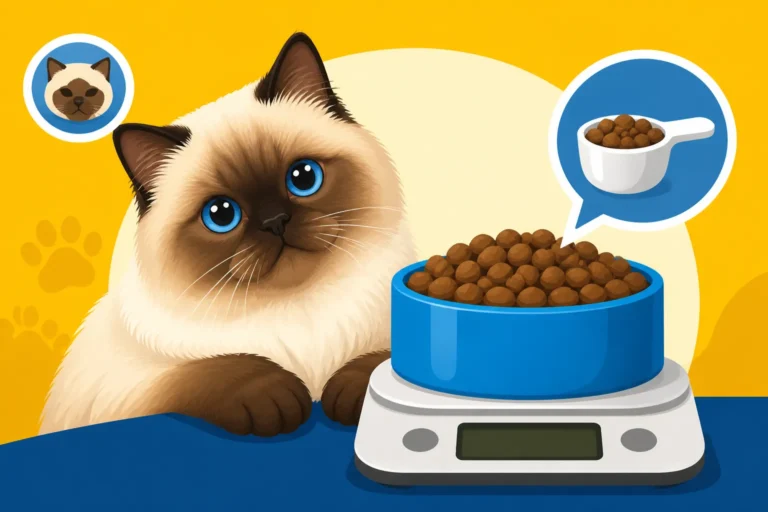
While wider bowls make eating easier, they don't inherently control portion size. If your Himalayan tends to gulp food down or overeat, you might consider slow-feeder bowls designed specifically for flat-faced cats. These bowls have gentle ridges or dividers that force the cat to eat more slowly, making each meal last longer and reducing the risk of indigestion or overconsumption. However, be cautious; some intricate puzzle feeders can still be challenging for a Himalayan’s flat face. Why a Himalayan's Face Rules Out Most Puzzle Feeders explains these limitations. Always weigh your Himalayan's food portions according to your vet's recommendations and the food manufacturer's guidelines to prevent unhealthy weight gain, which can exacerbate other health issues.
Creating a Calm and Clean Eating Environment
The environment where your Himalayan eats is just as important as the bowl itself. Cats are creatures of routine and habit, and a calm, consistent feeding space contributes to their overall well-being and reduces stress during mealtime. Choose a quiet corner of your home, away from high-traffic areas, loud noises, or other pets that might startle or distract your cat.
Ensure the feeding area is always impeccably clean. Because Himalayans are prone to making a bit of a mess, placing a mat under their bowls can catch stray kibble and spills, making cleanup easier and preventing food from contaminating the floor. These mats can be found on Amazon. This not only maintains hygiene but also signals to your cat that this is their dedicated dining space. Regular cleaning of the bowls themselves, as discussed earlier, is non-negotiable. A clean bowl encourages a healthy appetite and reduces the risk of bacterial growth. By minimizing distractions and maintaining cleanliness, you create a positive association with mealtime, encouraging your Himalayan to eat comfortably and fully.
Troubleshooting and Training Tips
Even with the perfect bowl, some Himalayans might need a little guidance to fully embrace their new dining setup. Patience and consistency are key when introducing changes, and a few smart strategies can make the transition smooth and successful.
Gradual Transitions to New Bowls
Cats, and Himalayans especially, can be wary of change. Introducing a brand new bowl suddenly might be met with suspicion or outright refusal. The best approach is a gradual transition. Start by placing the new, appropriate bowl right next to their old, familiar one. For the first few days, continue to feed them in the old bowl. This allows them to get used to the presence of the new object in their space.
Once they seem comfortable with its presence, try putting a small amount of their favorite treat in the new bowl to encourage positive association. Don't force them; let them explore at their own pace. After a few successful treat-eating sessions from the new bowl, you can begin to mix their regular food between both bowls. Gradually reduce the amount of food in the old bowl while increasing it in the new one. Over a week or two, they should become fully accustomed to the new bowl. If your cat seems stressed, slow down the process. The goal is a seamless transition, not a quick one.
Cleaning Routines for a Mess-Free Mealtime
Because Himalayans have a tendency to make a mess around their food bowls, establishing a diligent cleaning routine is crucial. It’s not just about aesthetics; it’s about preventing bacteria, reducing odors, and ensuring your cat's health. Their long coats and flat faces mean that food can easily get stuck on their fur, chin, and around their nose folds.
Immediately after each meal, inspect your Himalayan's face and ruff for any food remnants. A soft, damp cloth can gently wipe away any wet food or kibble dust. This prevents matting and skin irritation. Next, clean the bowl itself. If using a ceramic or stainless steel bowl, a quick wash with warm, soapy water is usually sufficient. For plastic bowls, pay extra attention to any scratches where bacteria might hide, and consider replacing them periodically. Wipe down the feeding mat and the surrounding floor to remove any dropped food. This consistent routine will not only keep your home cleaner but also contribute to your Himalayan’s comfort and health, preventing issues like chin acne or skin infections.
Observing Your Himalayan's Eating Habits
Every Himalayan is an individual, and observing their specific eating habits can provide invaluable clues for optimizing their mealtime experience. Pay attention to how they approach the bowl, the sounds they make, and their overall demeanor during and after eating. Are they still pushing food out of the new bowl, or has the problem significantly decreased? Do they seem relaxed, or do they still exhibit signs of stress or discomfort, like turning away from the bowl or flicking their ears?
Notice if they eat all their food or leave some behind. If they’re still struggling, perhaps the elevated height needs adjustment, or a different bowl shape needs to be considered. Are they drinking enough water? Why a Himalayan Soaks Its Ruff Drinking can be another related challenge. If you notice any signs of discomfort, decreased appetite, or changes in eating behavior, a trip to your veterinarian is always advisable to rule out any underlying health issues, such as dental problems that might make eating painful. Your vet can provide tailored advice based on your cat's specific health profile. Continual observation allows you to fine-tune your approach, ensuring your cherished Himalayan enjoys every meal in comfort and good health.
Disclaimer
This article is for general informational purposes only and does not constitute professional advice. Laws, prices and regulations vary by location and change over time. Consult a qualified professional for guidance on your specific situation.