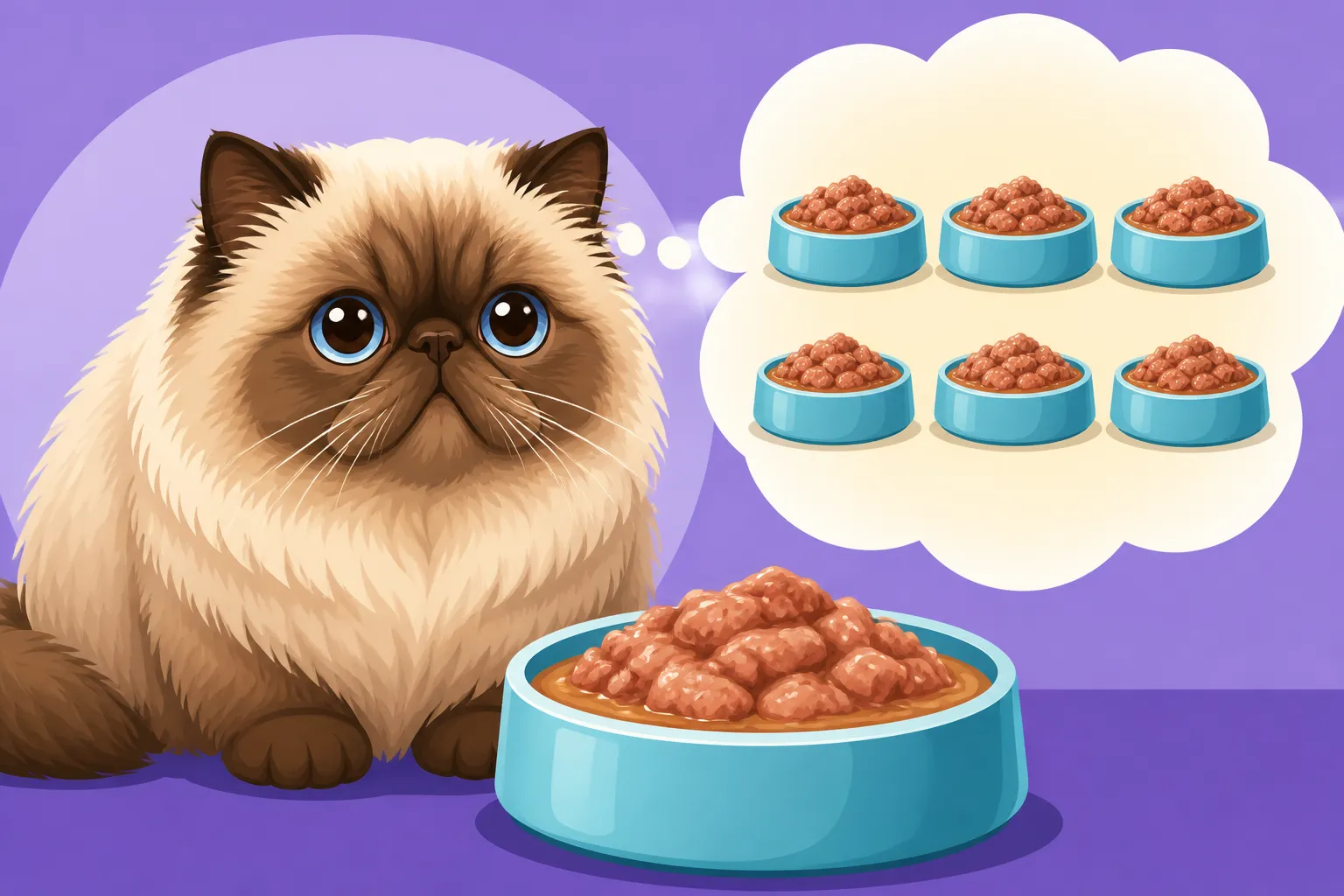
How Much Wet Food a Flat Faced Himalayan Gets Through
One of the most common frustrations for a Himalayan cat owner, especially those with the charmingly flat-faced variety, is the sheer mess and often inefficient way their beloved feline tries to eat. Their unique facial structure, while undeniably adorable, presents some real challenges when it comes to mealtimes, particularly with wet food. You might find food scattered around the bowl, smeared on their lovely ruff, or even pushed out onto the floor. This guide is here to help you navigate the world of wet food for your flat-faced Himalayan, ensuring they get the nutrition they need without turning every meal into a chaotic art project.
The Unique Challenges of Feeding a Flat-Faced Himalayan
Living with a flat-faced Himalayan is an absolute joy, but it also means understanding and accommodating their specific physical traits, especially when it comes to eating. Their beautiful, squashed faces, which we adore, come with a set of anatomical considerations that make mealtime a bit different from other cat breeds.
Understanding Their Brachycephalic Anatomy
The term "brachycephalic" simply means "short-headed," and it perfectly describes the distinct facial structure of a flat-faced Himalayan. Unlike cats with longer muzzles, their shortened upper jaw and often undershot lower jaw mean they can't scoop food into their mouths with the same ease. Imagine trying to eat soup with a spoon that's too short for your hand and oddly shaped – that's a bit what it's like for them. They often have to approach their food from an awkward angle, pushing it around with their nose and chin rather than scooping it cleanly. This inevitably leads to food getting pushed out of the bowl, sticking to their long fur, and creating those infamous "face prints" on the floor or the side of the bowl. It's not a sign of bad manners; it's simply how their anatomy dictates they eat. Their crowded teeth, a consequence of that shortened jaw, also play a role, making it harder to properly grasp and chew certain food textures. How Crowded a Himalayan's Lower Jaw Gets is a common issue owners face.
Beyond the actual act of eating, their facial structure can also impact their breathing. While less common with wet food than with dry kibble, some flat-faced Himalayans may find it slightly harder to breathe comfortably while their face is buried in a bowl. This isn't usually a major concern with wet food since it's softer and requires less strenuous chewing, but it's something to be mindful of. If you notice your cat struggling or panting, it might be a sign that their breathing is being compromised, and a visit to the vet for an assessment of their airway might be warranted.
Why Wet Food is Often a Better Choice
Given these unique anatomical considerations, wet food often emerges as the superior choice for flat-faced Himalayans. Its soft, pliable texture is far easier for them to lap up and consume without extensive chewing or scooping. Think about it: a thick pâté or a gravy-rich shredded formula can be simply licked from the bowl, minimizing the effort required and, consequently, the mess. This ease of consumption is particularly beneficial for cats with dental issues, which are sadly common in Himalayans due to their crowded jaws. Wet food is much gentler on sensitive gums and painful teeth.
Furthermore, wet food is a fantastic source of hydration. Cats, by nature, don't have a strong thirst drive, often getting most of their moisture from their prey in the wild. Domesticated cats, especially those on a dry kibble diet, can easily become chronically dehydrated. This can lead to various health problems, including urinary tract issues and kidney disease. Since Himalayans are prone to certain kidney conditions, like Polycystic Kidney Disease (PKD), ensuring adequate hydration is absolutely crucial. Wet food significantly boosts their daily water intake, supporting overall kidney health and helping to flush their systems. This makes feeding wet food an integral part of their preventative healthcare strategy.
How Much Wet Food Does Your Himalayan Truly Need?
Determining the right amount of wet food for your flat-faced Himalayan isn't a one-size-fits-all answer. Just like people, every cat is an individual with unique needs. However, by understanding the key factors and knowing how to interpret food labels, you can create a feeding plan that keeps your furry friend healthy and happy.
Factors Influencing Portion Sizes
Several elements play a crucial role in how much wet food your Himalayan should consume daily. First and foremost is their age. Growing kittens need significantly more calories and nutrients to support their rapid development than an adult cat. Senior Himalayans, on the other hand, might have reduced caloric needs as their metabolism slows down, but they might also benefit from higher quality, easily digestible proteins.
Activity level is another major factor. Himalayans are generally known for being laid-back, "lap cat" types. They're not typically high-energy athletes zipping around the house all day like some more active breeds. This lower activity level means they burn fewer calories. Overfeeding even slightly can quickly lead to weight gain, which can exacerbate other health issues. Why a Cobby Himalayan Gains on a Portion Another Cat Burns is something to be acutely aware of.
Their current weight and body condition score are critical. Is your Himalayan at an ideal weight, or are they a bit too thin or, more commonly, a bit too chubby? Your veterinarian can help you determine their ideal body condition. If they need to lose weight, careful portion control of wet food (which can be very satiating) is key. If they need to gain a little, a slightly larger portion or a more calorically dense food might be appropriate. Lastly, specific health needs must be considered. Cats with kidney disease, diabetes, or other chronic conditions might require prescription diets with carefully controlled nutrient levels. Always consult your vet if your cat has special dietary requirements.
General Guidelines for Daily Wet Food Intake
While consulting your veterinarian for personalized advice is always best, especially for establishing a baseline, most wet cat food cans provide general feeding guidelines based on a cat's weight. These are usually expressed as "cans per day per X pounds of body weight." It's important to remember these are starting points, not rigid rules. A typical adult Himalayan, weighing between 7 and 12 pounds, might require around 150-250 calories per day, but this varies wildly depending on the specific food. A high-quality wet food will often be more nutrient-dense, meaning your cat might need less of it to feel satisfied and meet their nutritional requirements.
Always, always read the food labels carefully. Look for the “as fed” caloric content, usually listed in kilocalories (kcal) per can or per ounce. Then, compare this to the feeding recommendations provided by the manufacturer. If you're switching brands, you'll need to recalculate. For example, if a can lists 90 kcal and recommends 2-3 cans per day for an 8-pound cat, and your cat weighs 10 pounds and is moderately active (for a Himalayan!), you might aim for the higher end or adjust slightly upwards. Fresh food services often provide personalized portioning based on your cat's profile, taking much of the guesswork out of it. It’s a good idea to weigh your cat regularly, maybe once a month, to ensure they’re maintaining a healthy weight. Why a Cobby Himalayan Is Weighed at Every Visit is a standard practice at the vet for a reason!
Here’s a general guideline for estimating wet food needs, but please treat this as a starting point and adjust based on your cat's specific condition and the caloric density of their food:
| Cat Weight (lbs) | Approximate Daily Calorie Needs (kcal) | Typical 5.5oz Can Wet Food (approx. 180 kcal/can) | Typical 3oz Pouch Wet Food (approx. 90 kcal/pouch) |
|---|---|---|---|
| 5-7 lbs | 125-175 kcal | 0.75 – 1 can | 1.5 – 2 pouches |
| 8-10 lbs | 180-220 kcal | 1 – 1.25 cans | 2 – 2.5 pouches |
| 11-14 lbs | 225-275 kcal | 1.25 – 1.5 cans | 2.5 – 3 pouches |
Note: Calorie content varies widely between brands and formulas. Always check your specific product's label.
Optimizing the Wet Food Experience for Your Flat-Faced Friend
Feeding a flat-faced Himalayan isn't just about what they eat, but how they eat it. Setting them up for success can make a world of difference in reducing mess, ensuring comfort, and promoting good eating habits.
Choosing the Right Bowls and Feeding Setups
The wrong bowl can turn mealtime into an Olympic event of pushing food around the kitchen floor. For a flat-faced Himalayan, the key is wide, shallow dishes. These allow them to access their food without having to bury their entire face, which can be uncomfortable for their short muzzle and potentially interfere with their breathing. A bowl that's too deep or too narrow forces them to press their face against the sides, leading to food getting smeared on their chin and ruff. Which Bowl Shape a Flat Faced Himalayan Can Use is a common question, and flat, wide ceramic or stainless steel bowls are often the answer.
Consider elevated bowls as well. Eating from a bowl on the floor can force a Himalayan to crouch or bend their neck uncomfortably. An elevated feeder, raising the bowl just a few inches off the ground, can provide a more natural and comfortable eating posture, especially for older cats or those with arthritis. It means less strain on their neck and back, making the whole experience more pleasant. As for materials, stainless steel or ceramic are generally preferred over plastic. Plastic bowls can harbor bacteria, leading to chin acne, and some cats can develop an aversion to plastic odors. Plus, stainless steel and ceramic are much easier to clean thoroughly.
Selecting Appropriate Wet Food Textures and Brands
When it comes to wet food, texture matters immensely for a flat-faced Himalayan. Pâté-style foods are often the easiest for them to consume. Their smooth, consistent texture allows for easy lapping without the need for extensive chewing. This minimizes the risk of food falling out of their mouth or getting stuck in their crowded teeth. While chunks in gravy or shredded formulations can work, ensure the pieces are small enough and very soft to prevent frustration. Some Himalayans will still prefer these, but you'll likely notice more "food debris" with chunkier options.
Beyond texture, always prioritize ingredient quality and nutritional completeness. Look for wet foods that list a high-quality animal protein (like chicken, turkey, or salmon) as the first ingredient. Avoid foods with excessive fillers, by-products, or artificial additives. Brands like those found on Chewy offer a vast selection of wet foods, allowing you to explore different textures and ingredient lists to find what works best for your cat's preferences and dietary needs. Fresh, gently cooked foods often come in a pâté or finely minced consistency, which can be ideal for flat-faced breeds. Always ensure the food is labeled as “complete and balanced” for your cat's life stage, meaning it contains all the necessary vitamins and minerals.
Establishing a Consistent Feeding Routine
Cats are creatures of habit, and Himalayans especially thrive on routine. Establishing a consistent feeding schedule is crucial for their well-being and helps manage their appetite. Aim for two fixed meals a day, roughly 12 hours apart. This helps regulate their metabolism, prevents them from getting overly hungry (which can lead to scarfing food too quickly), and aligns with their natural feeding patterns. Why a Himalayan Does Better on Two Fixed Meals is a principle many owners swear by.
Once you put the food down, observe your cat. Do they eat it all right away, or do they pick at it? If they leave a significant portion, you might be feeding too much, or they might not be keen on the food. Wet food should ideally not be left out for more than an hour or two, especially in warmer climates, as it can spoil and attract pests. Promptly remove and discard any uneaten wet food. This also gives you a clear picture of how much they're truly consuming. Regular monitoring of their consumption also helps you notice if their appetite changes, which can be an early indicator of a health issue. Cleaning up the feeding area immediately after they finish eating also goes a long way in maintaining hygiene and preventing any lingering food smells.
Managing Common Feeding Issues and Promoting Health
Beyond the daily feeding, it's vital to address the ongoing care needs that arise from feeding a flat-faced Himalayan, ensuring their long-term health and comfort.
Keeping Their Face Clean and Healthy After Meals
With a flat face and often long fur, it's almost inevitable that your Himalayan will get food on their face and around their mouth. This isn't just about aesthetics; leaving food residue can lead to skin irritation, bacterial growth, and even infections, especially in the folds around their nose. A daily wiping routine is non-negotiable. After each meal, gently wipe their face, especially around their nose, mouth, and any visible skin folds, with a soft, damp cloth or a pet-safe wipe.
This routine is also critical for preventing tear stains and skin fold dermatitis. Himalayans are prone to watery eyes due to their facial structure, and tears, combined with food particles, can create unsightly rust-colored stains on their pale fur. Regular cleaning minimizes this. Moreover, moisture and trapped food in skin folds can lead to an uncomfortable and smelly condition called skin fold dermatitis. Keeping these areas dry and clean is key to prevention. Some owners find that certain ingredients in food can exacerbate tear staining, so if you're battling persistent stains, discussing dietary changes with your vet might be helpful.
Dental Health Considerations
The crowded nature of a Himalayan's lower jaw, a direct result of their flattened face, makes them particularly susceptible to dental issues. Their teeth are often misaligned or tightly packed, creating perfect crevices for food particles and plaque to accumulate. This means plaque and tartar buildup can occur more rapidly than in other breeds, leading to gingivitis, periodontal disease, and potentially painful tooth resorption. How Often a Himalayan's Crowded Mouth Needs Cleaning is more frequent than you might think.
While wet food is softer and generally less likely to contribute to heavy plaque buildup than crunchy kibble, it doesn't eliminate the need for dental care. Regular dental checks by your veterinarian are paramount. During these check-ups, your vet can assess the health of their teeth and gums and recommend professional cleanings under anesthesia when necessary. Many pet insurance providers, like Healthy Paws, offer policies that can help cover the costs of these essential dental procedures, which can be quite expensive, but are vital for your cat's comfort and overall health. Daily brushing, if your cat tolerates it, can also be highly effective in preventing dental disease.
Monitoring Weight and Overall Well-being
Given their typically lower activity levels and love for lounging, Himalayans are prone to weight gain. Overweight cats are at a higher risk for various health problems, including diabetes, arthritis, and liver issues. Since they burn fewer calories just sitting on their favorite chair, How Few Calories a Himalayan Burns Sitting in One Chair is a stark reminder that every calorie counts. It's crucial to consistently monitor your cat's weight and body condition. You should be able to feel their ribs easily with slight pressure, and they should have a discernible waist when viewed from above.
Regular vet check-ups, typically once a year for adults and twice a year for seniors, are essential. Your vet can perform a thorough physical examination, including checking their weight, assessing their body condition score, and discussing any concerns you might have about their eating habits or overall health. Pay attention to any changes in their eating behavior. Are they eating less? More? Are they showing discomfort while eating? Why a Himalayan Drops Food Onto Its Ruff could be a sign of dental pain, not just a messy eater. Any sudden changes should prompt a call to your vet, as they can be early indicators of underlying health problems. Being proactive about their diet and health monitoring will ensure your flat-faced Himalayan enjoys a long, healthy, and comfortable life.
Disclaimer
This article is for general informational purposes only and does not constitute professional advice. Laws, prices and regulations vary by location and change over time. Consult a qualified professional for guidance on your specific situation.